
The cleaver came down in one motion and the skin made the noise you go to Balamban for. Not a crunch. A crack, like dry kindling, with a follow-through that sounds almost wet underneath where the fat is still hot. The slab on the bamboo board was the colour of old leather on top, pink and white striped underneath, and steam was still coming off the cut edges where lemongrass and scallion had been stuffed inside before the pig went on the spit.
In This Article
- What Balamban liempo actually is
- Why “lechon belly” and “Balamban liempo” are not the same
- How it differs from siu yuk and from regular grilled liempo
- Where to actually eat it on a Cebu trip
- The original stalls in Balamban town
- The Cebu City brand
- Lechon manok in Balamban, while you’re at it
- Do food tours get you there?
- The market detour worth making before you eat
- What to eat with it
- Puso, the woven hanging rice
- The vinegar dip, three ways
- Atchara
- The recipe, for when you can’t get to Cebu
- What you need
- Day before: prep the slab
- Day of: the cook
- Cutting and serving
- Cooking notes that will save you
- The skin
- The pink question
- Lemongrass volume
- What to do with leftovers
- If you want to go deeper into Cebu eating
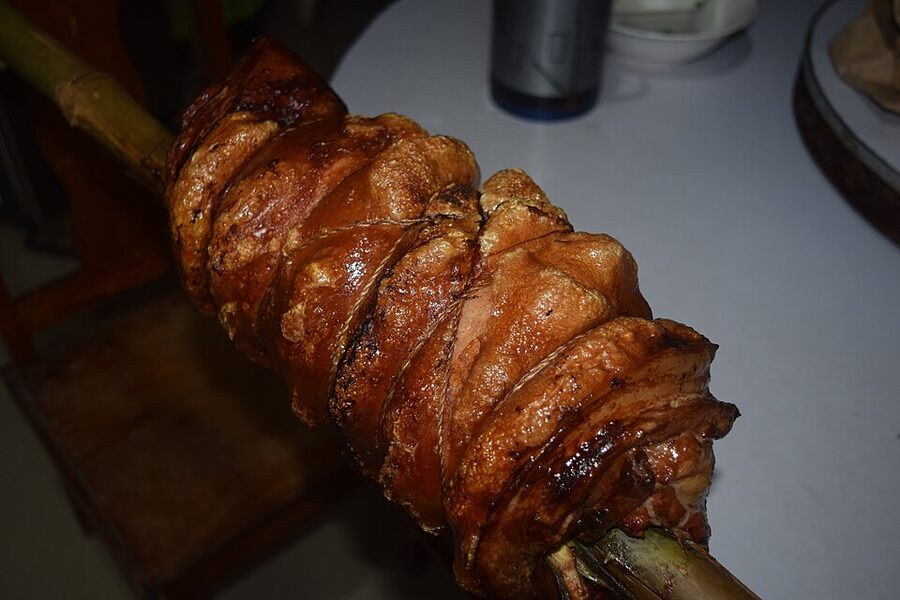
I paid ₱180 for a serving and ate it on a plastic stool by the side of the highway in Balamban town, an hour west of Cebu City over the Transcentral Highway, with a small puso of hanging rice and a saucer of vinegar with chopped garlic and a single bird’s-eye chilli floating in it. The fat melted into the rice. The skin shattered. The herbs in the middle hit second, after the salt and the smoke, and they were not subtle.
_Philippines.jpg)
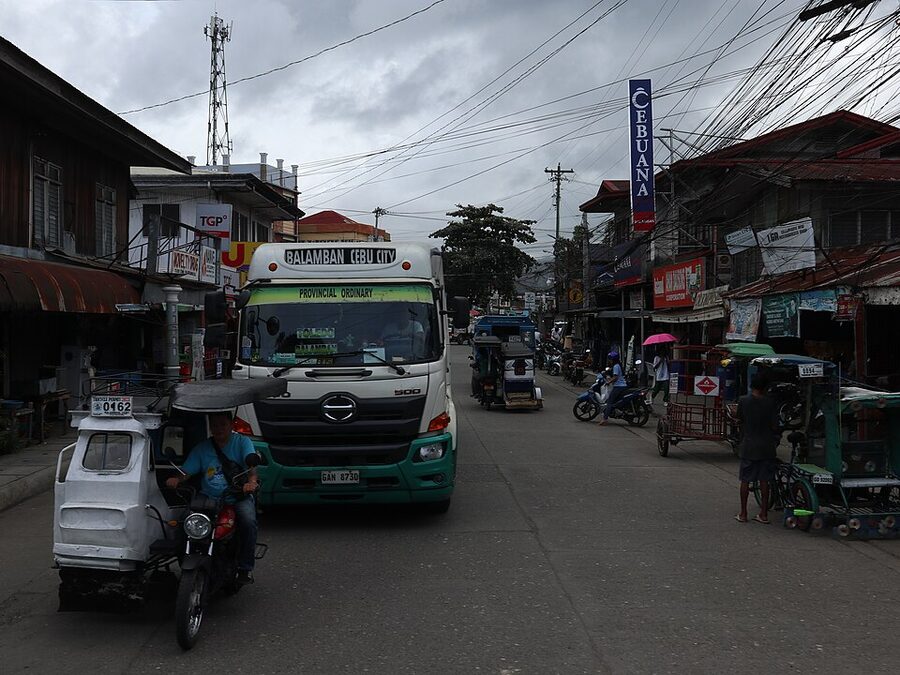
This is what Balamban liempo is. It is not “Filipino roast pork belly” the way the food blogs translate it. It is a specific cut, a specific marinade, a specific cooking method, and a specific town. The version sold in Cebu City under the brand name Balamban Liempo is good. The version eaten where the road dead-ends near the Balamban public market is better, and it is worth the drive once you understand why.
This is a piece about both. Where to find the real thing on a Cebu trip. What separates it from regular lechon, from siu yuk, from the cebuchon roll the diaspora taught itself to make on a backyard rotisserie. And, at the end, how to actually cook it at home when you can’t get to the Transcentral Highway. The recipe section is at the bottom; if that’s what you’re here for, scroll. If you want the food first, stay.
What Balamban liempo actually is
.jpg)
Take a slab of pork belly with the skin on. Slit a long pocket through the meat without cutting through the skin. Stuff that pocket with bruised lemongrass stalks, a handful of green onions, sliced garlic, sometimes onion, sometimes a small chilli, salt, pepper. Tie the slab so the stuffing stays in. Roast it slowly over coconut-husk charcoal, spinning it on a thin bamboo or steel pole, until the skin crisps and the fat renders into the meat from the inside. Chop, serve with vinegar, eat with rice.
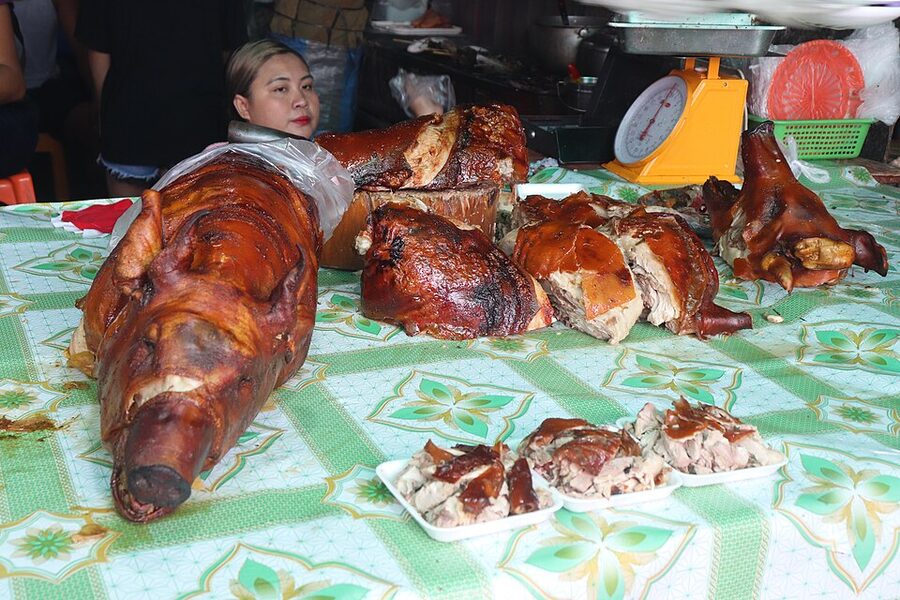
That is the dish. Everything around it is variation. Some cooks add bay leaf or oregano; some brine the meat first; many do not. The Cebu City brand sells theirs sliced and pre-chopped under a yellow-and-green sign that reads “Tastier Than Lechon”, which is both an opinion and a marketing claim. The original stalls in Balamban town sell whole lengths of belly, hot off the spit, on a piece of brown paper. Both are good. Only one of them is the actual thing.

Why “lechon belly” and “Balamban liempo” are not the same
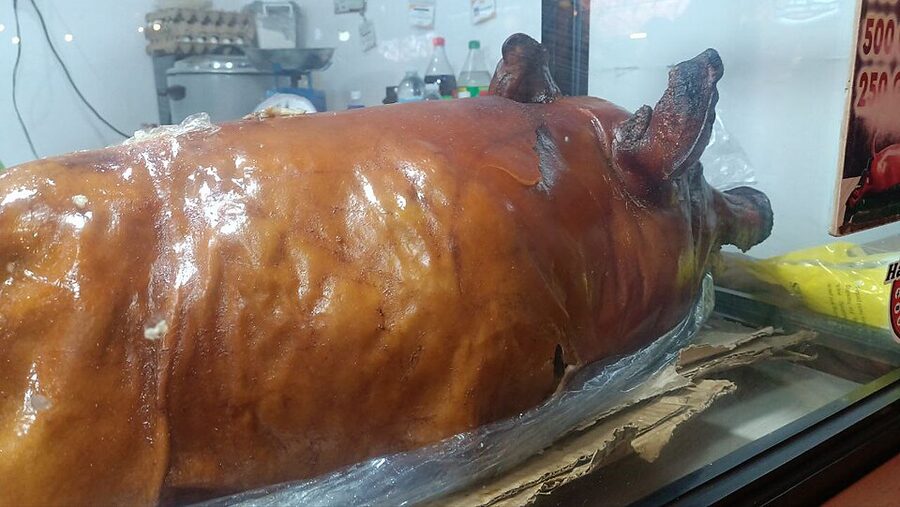
Cebu lechon, in its classic form, is a whole pig. It is the dish Anthony Bourdain called the best pig ever, and the version that put Zubuchon and CnT and a dozen Talisay roadside places on the food-tourism map. The whole-pig versions get the marinade rubbed all over the inside cavity and the skin basted to a deep mahogany over an open flame.
Lechon belly, sometimes badged cebuchon in the diaspora, is a riff on that idea using only the belly slab. It dropped most of the carcass and kept the flavour profile. It became the take-home version because you don’t need a wedding to justify cooking one. The Cebuchon idea travelled abroad first, and many of the recipes you find online are actually about it: a rolled boneless pork-belly roulade, stuffed with the lechon aromatics, cooked on a backyard rotisserie. Hungry Huy’s recipe is a good example of how the dish behaves on a gas grill in California.
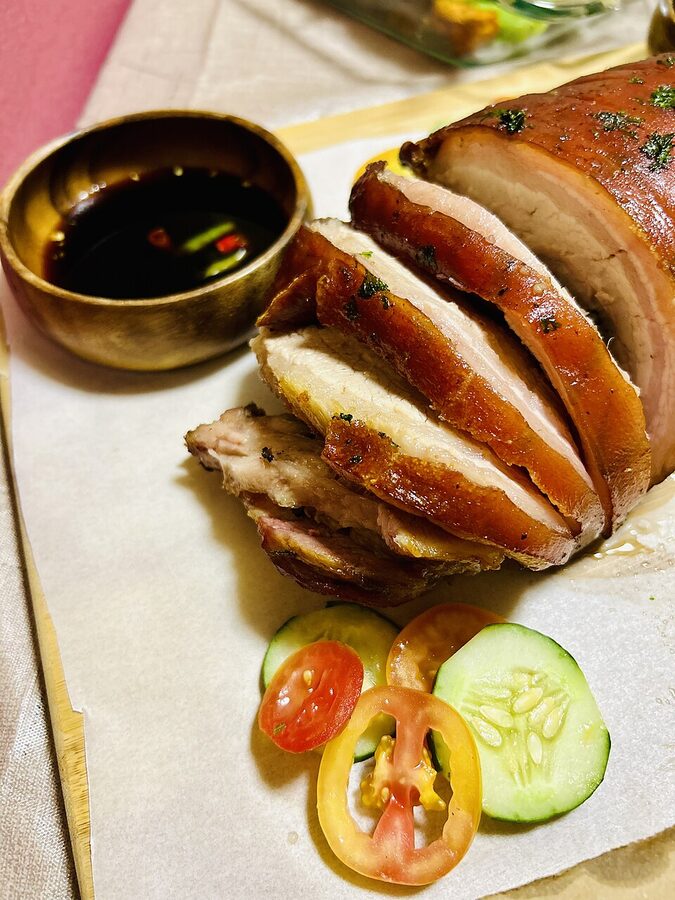
Balamban liempo is older than the cebuchon name and slightly different in execution. It is not rolled. The belly slab stays flat. The aromatics go into a slit pocket in the centre. The whole thing is laced onto a bamboo or steel rod and turned slowly over charcoal until the skin pops. The result has a different texture: less stuffing-to-meat ratio, a thinner crust, and a more pronounced lemongrass perfume because the herbs sit closer to the surface than in a roll. The cut is also wider and thinner than a rolled cebuchon, so when it’s sliced you get long pieces with skin on top and meat underneath rather than a swirl.
_-_Philippines.jpg)
How it differs from siu yuk and from regular grilled liempo
If you have ever eaten siu yuk in a Hong Kong cha siu shop, you know that crisp-skin pork can taste of five-spice, soy and sugar, with a glassy crackle on top and quite lean meat underneath. Balamban liempo is a different flavour world. The skin texture is similar; the inside is herbal, smoky, salt-forward, and there is more rendered fat carrying flavour through the slab. Side by side, the siu yuk is sharper and sweeter; the liempo is richer and more savoury, more lemongrass, more pepper, and noticeably less sweet.
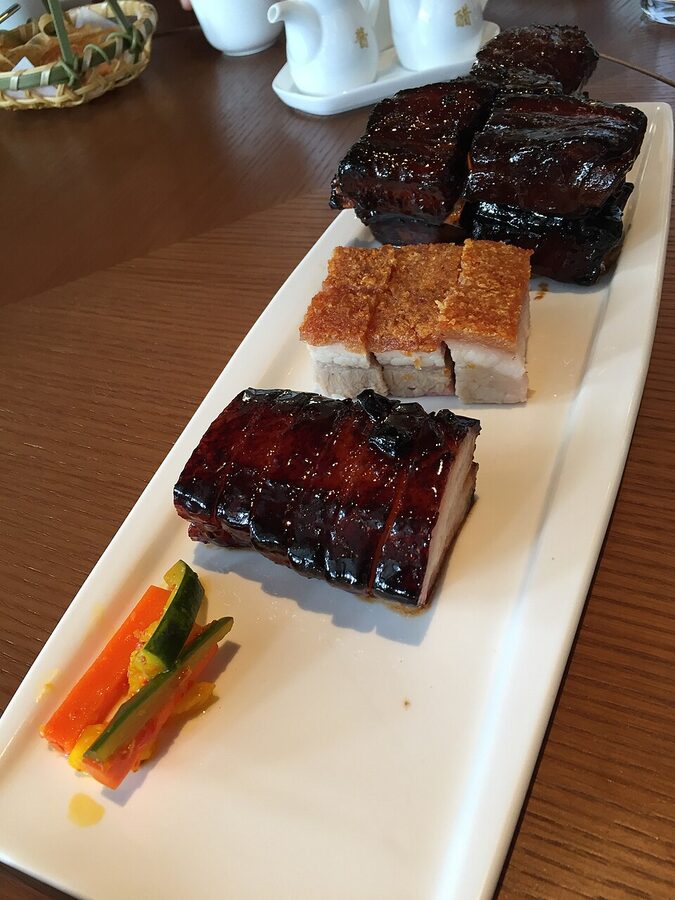

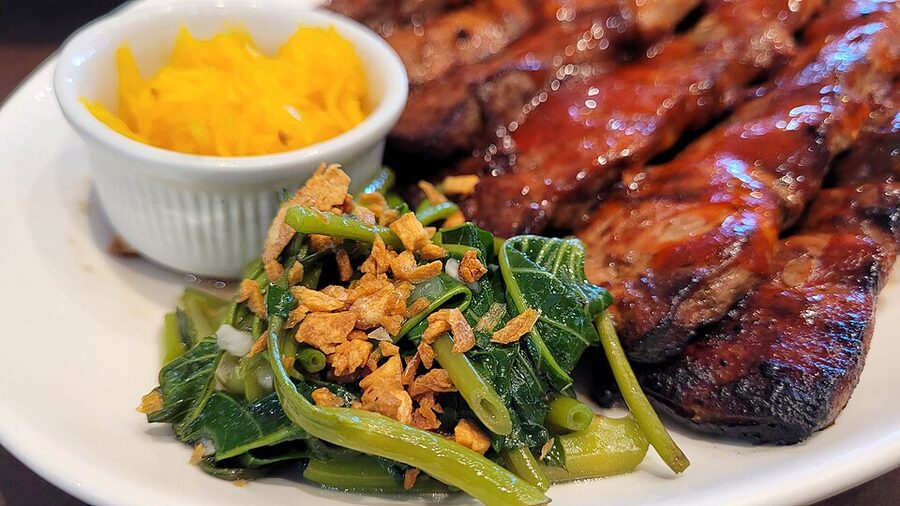
Plain Filipino grilled liempo, the kind you get at a roadside inihaw stall, is also worth a comparison because the words sound similar. Inihaw na baboy is marinated in soy, calamansi and garlic, then grilled flat over coals. Cheap, easy, good. But not the same dish: the skin doesn’t crisp the same way, the meat isn’t stuffed, and the flavour is more soy-and-acid forward. Balamban liempo is what happens when inihaw stretches toward lechon.
.jpg)
Where to actually eat it on a Cebu trip
The short answer: drive to Balamban once if you can spare half a day. The brand-name version in Cebu City is good and easy and sometimes that’s enough. But the food only really makes the case for itself when it comes off the spit ten minutes ago and the skin still has the dry-crackle stage of crispness, not the chewier post-transport version that arrives in a plastic clamshell.

.jpg)
The original stalls in Balamban town
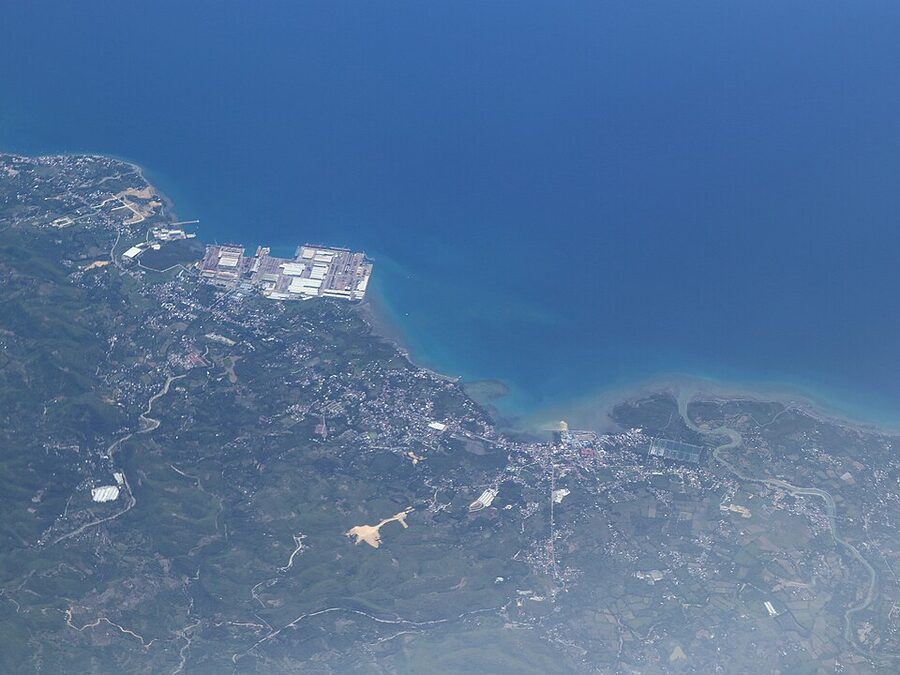
Balamban is a coastal town on the western side of Cebu, about 60 km by road from Cebu City via the Transcentral Highway across the spine of the island. The drive runs 60 to 90 minutes depending on traffic and weather on the pass. Public buses leave from the North Bus Terminal, but a hired car or Grab is much easier if you’re going for the food.
Two names come up in every long-running food forum thread about the original. Kristian’s Liempo (sometimes spelled Christian’s), which sits near the Balamban public market, is the one most people point at when they say the original. The stall is small, the queue is real, and on a busy day they sell out by mid-afternoon. A serving was around ₱170 a decade ago and ₱200 to ₱250 now depending on the cut you ask for. Cash only. Bebot’s is the other name regulars mention; locals will sometimes argue about which is best, which is the right answer to that argument.
.jpg)
If you want to make a small eating loop of it, the Balamban Food Park (Johnna’s Liempo Haus) is the more polished option. It’s a sit-down food park with multiple liempo vendors lined up under one roof, plus chicken, halo-halo, and a few cooked-to-order seafood options. It’s not the original-original stall, but the cooking is good and the setting is comfortable. A regular order of liempo runs around ₱200 to ₱280 and feeds two people. They open mid-morning and stay open until late afternoon.
If your time in Cebu is short and a Balamban day-trip is not realistic, sub in the strongest in-city option and accept the trade-off.
The Cebu City brand
Inside Cebu City, the place to go is the original Balamban Liempo outlet at Kamuning Street in Capitol, behind Coco Mall, on the site of the old Gitano Grill. The Lahug branch gets less crowd and often delivers a better piece because the staff aren’t slammed. The brand also runs kiosks at SM and Ayala mall food courts; convenient, but the slabs sit longer and the skin softens. Avoid the food-court ones if you can.
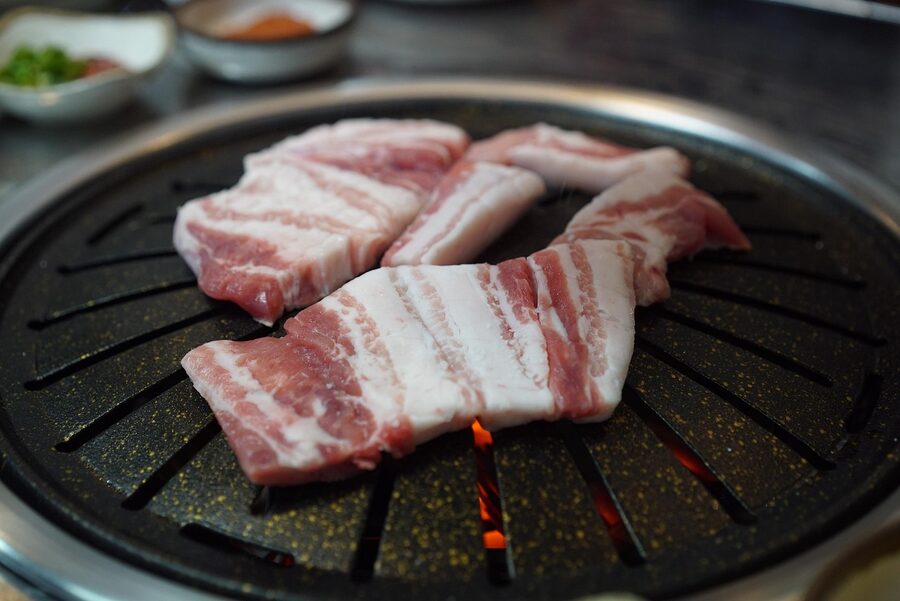
If you can’t get to either, the wider Cebu food scene has plenty of other lechon and grilled-pork options that hold their own; check the city food guide for those. But for Balamban liempo specifically, those two routes are the only ones that count.
Lechon manok in Balamban, while you’re at it
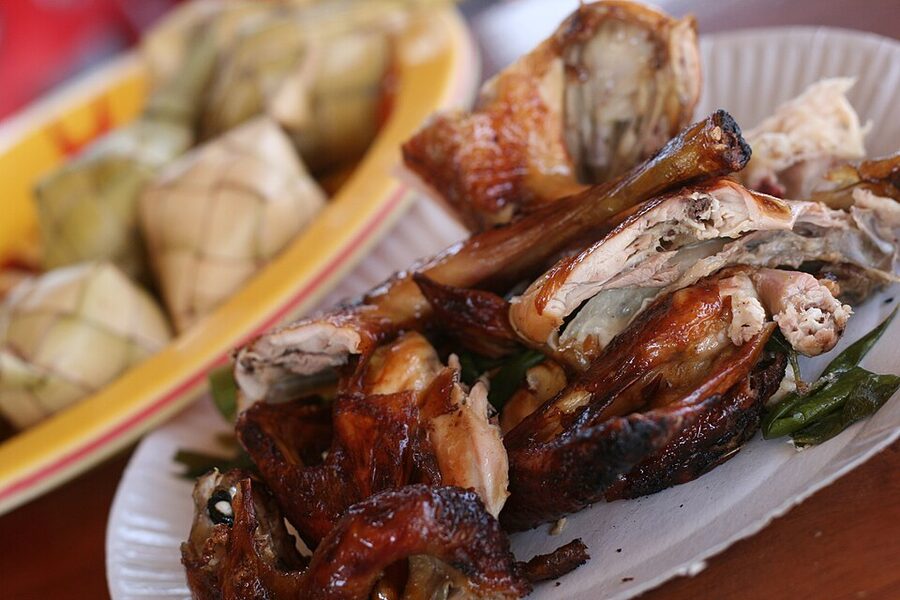
One sleeper recommendation that locals make and tourists ignore: the lechon manok at Balamban is, by some accounts, better than the liempo. Same herbal stuffing, same charcoal, applied to a smaller bird. Conching’s Native Lechon Manok is one of the names. If you’ve driven the hour from Cebu City, ordering one of each and splitting them with whoever you’re travelling with is the move.

Do food tours get you there?
Most named Cebu City food tours focus on Carbon Market, Larsian and the Talisay lechon belt rather than driving an hour west for a single dish, which is a reasonable trade-off. If a guided tour is your mode, search “Cebu food tour” on Klook or Viator for itineraries with Talisay lechon and Carbon Market. For Balamban specifically, hiring a half-day driver is cheaper and more flexible.

The market detour worth making before you eat
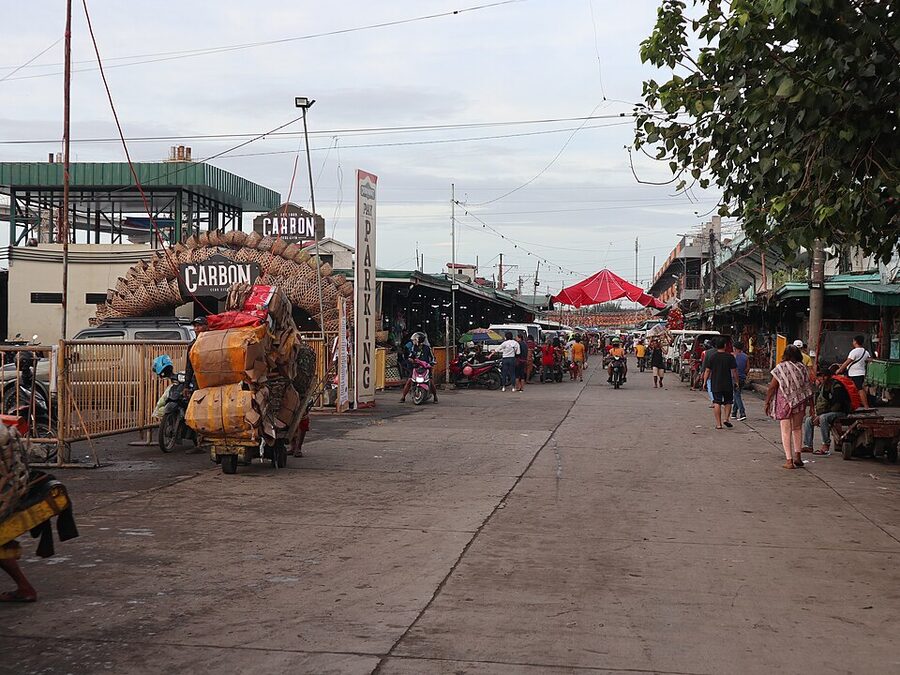
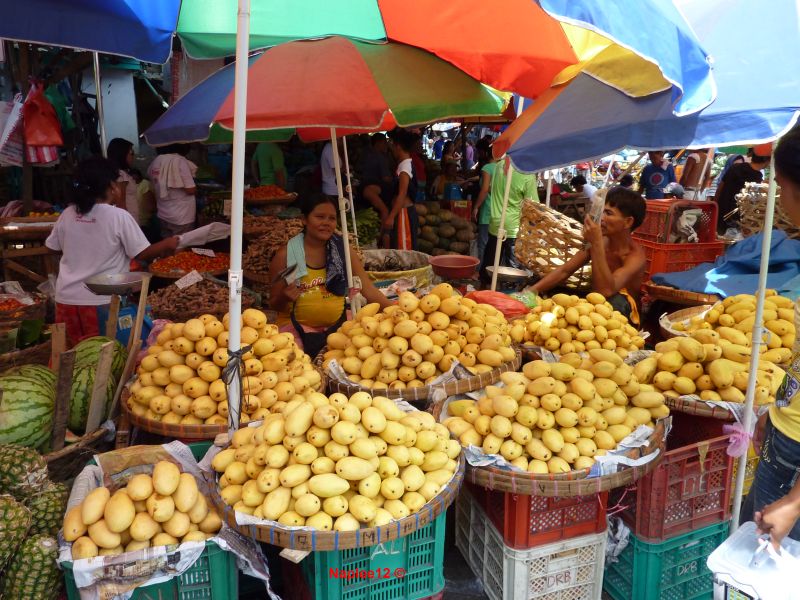
Carbon Market is in Cebu City, not Balamban, but the morning before a Balamban day-trip is a good time to walk it. Carbon is the city’s main wet market, open since 1900. By 5am the fish trucks have arrived from Cordova; by 6am the herb vendors have lemongrass, pandan, lemon basil, kalamansi and chilli laid out on tarps. Walk past the herb stalls before the rush and you’ll know exactly what the stuffing in your liempo is supposed to smell like.
.jpg)
For people who want a sit-down look at where Cebu’s seafood goes after the morning sale, the parallel piece on Cebu sutukil is the right read; sutukil is the sister meal to lechon for anyone who wants seafood instead of pork on the same trip. Different cooking methods, same logic of pick-it-and-eat-it. If you have one Cebu eating day and want to do it right, lechon by night and sutukil by day is the standard pair.

What to eat with it
Liempo is not a complete meal on its own. Three things go on the table next to it.
Puso, the woven hanging rice
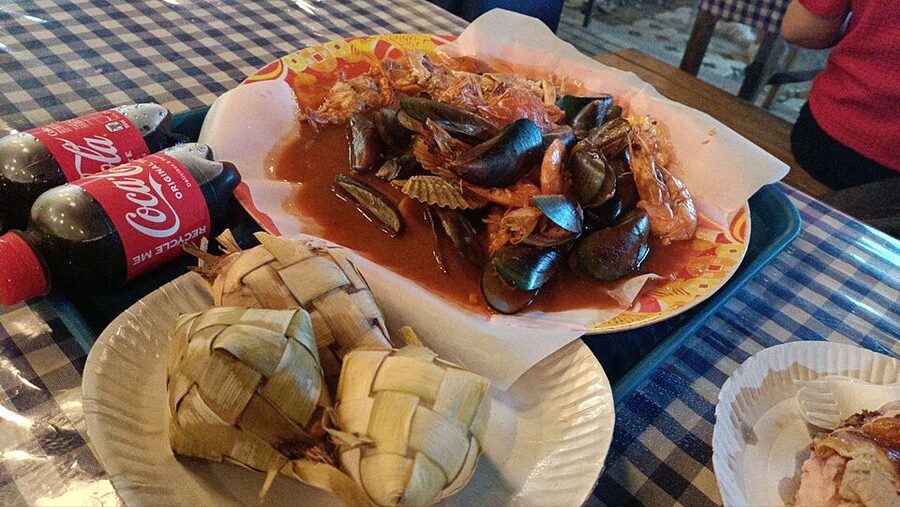
Puso is rice cooked inside a woven coconut-leaf pouch, hung in clusters from a string and sold by the piece for around ₱5 to ₱10 each. You tear the pouch open at the table and the rice has compressed into a small pyramid that holds together when you scoop sauce onto it. It is the perfect rice for greasy-fingered eating. White steamed rice from a saucer is fine; puso is better, and at any decent Balamban liempo stall they will be hanging in clusters from a hook on the wall.

The vinegar dip, three ways
The classic Cebuano dip for liempo is suka’t toyo, which is just sugar-cane vinegar and soy sauce in roughly equal parts, with sliced raw onion, garlic, and a small chilli or two. Some stalls add a squeeze of calamansi. Some hand you a bottle of pinakurat, the spiked coconut vinegar from Northern Mindanao, which is sharper and more aggressive and worth asking for if you see it on the table.
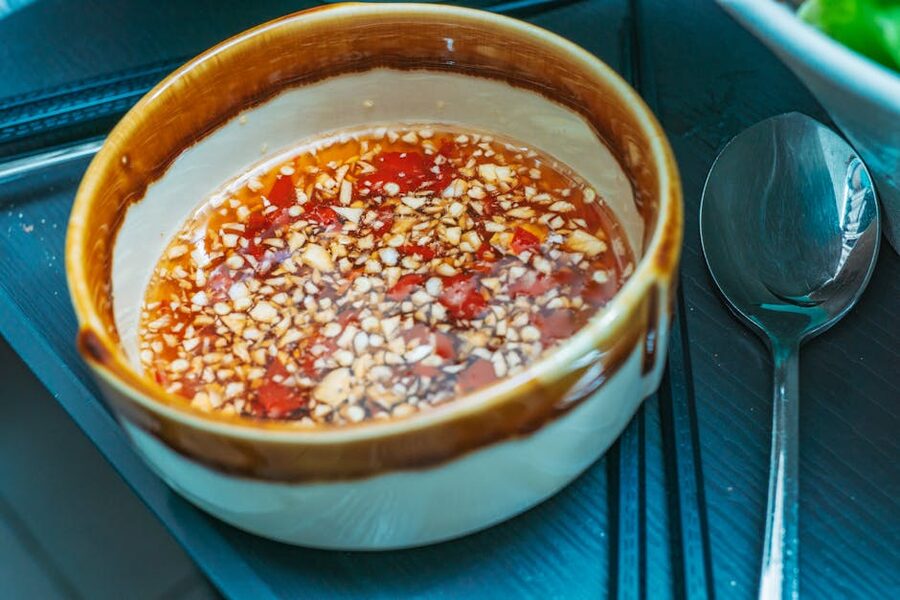
If you want a third option, mash a little of the soft fat from the underside of the liempo into the vinegar before you dip. It thickens slightly and turns the sauce into something between a dip and a dressing. Locals will not always volunteer this, but it is how plenty of them eat it.
Atchara
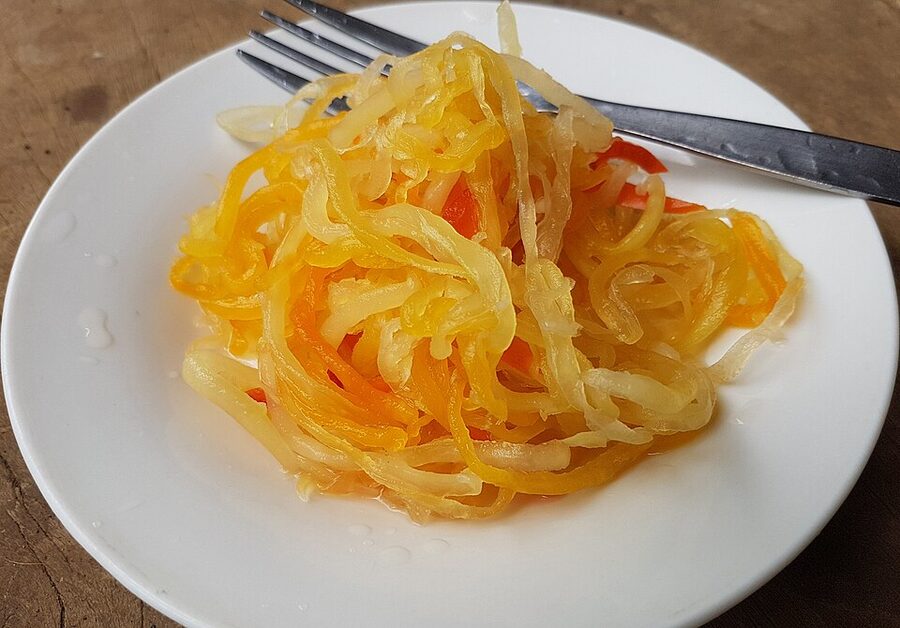
Atchara is pickled green papaya, sweet and slightly sour, sometimes with carrot, ginger and bell pepper for colour. It does for Filipino grilled meat what cabbage slaw does for North American barbecue: the acid and the crunch reset your mouth between bites. A small saucer of it is standard at most Balamban-style spots. If they don’t bring it automatically, ask. Bottled atchara from a supermarket works fine if you’re recreating the meal at home.
_02.jpg)
The recipe, for when you can’t get to Cebu
This is the home version. It assumes you have a charcoal grill with a rotisserie attachment, or an oven big enough for a 2 to 3 kilo slab of belly. It is closer to the original flat-cut Balamban method than to the rolled cebuchon, because the flat cut is easier to do well at home and tastes more like what you’d actually eat in Balamban town.
Read the whole thing once before you start. The brining and stuffing happen the day before you cook. The cooking takes most of an afternoon.
What you need
For the meat (serves 6 to 8):
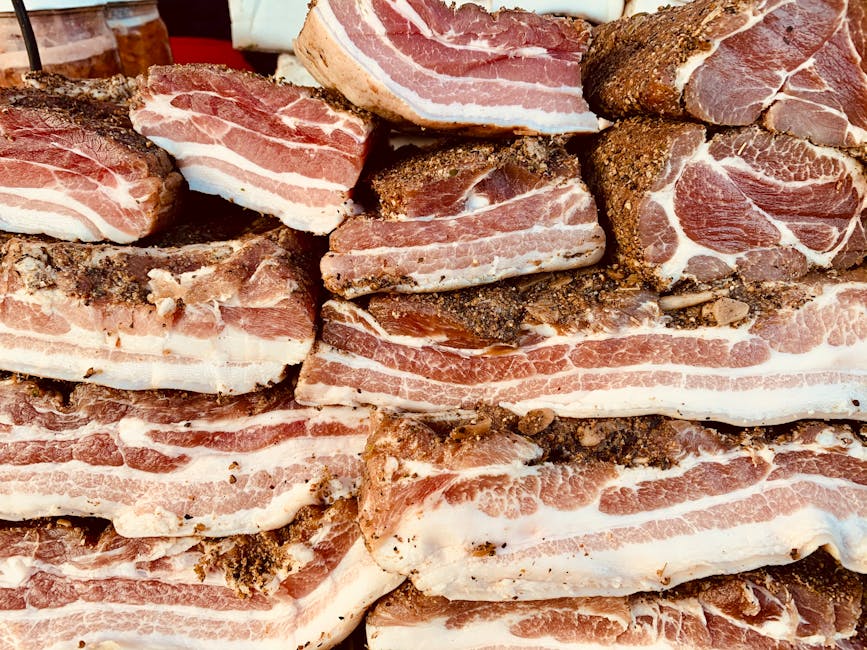
- 2 to 3 kg pork belly slab, skin on, ribs removed (ask the butcher to take the ribs off; save them for sinigang)
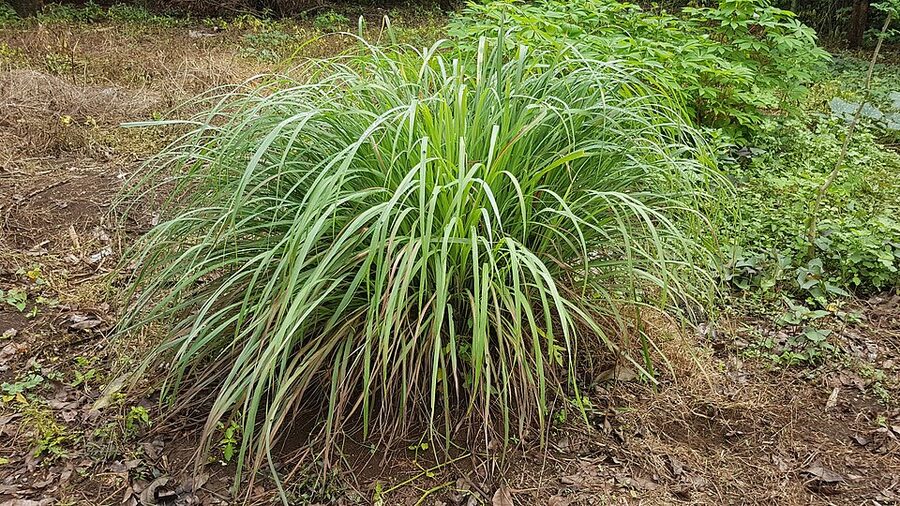
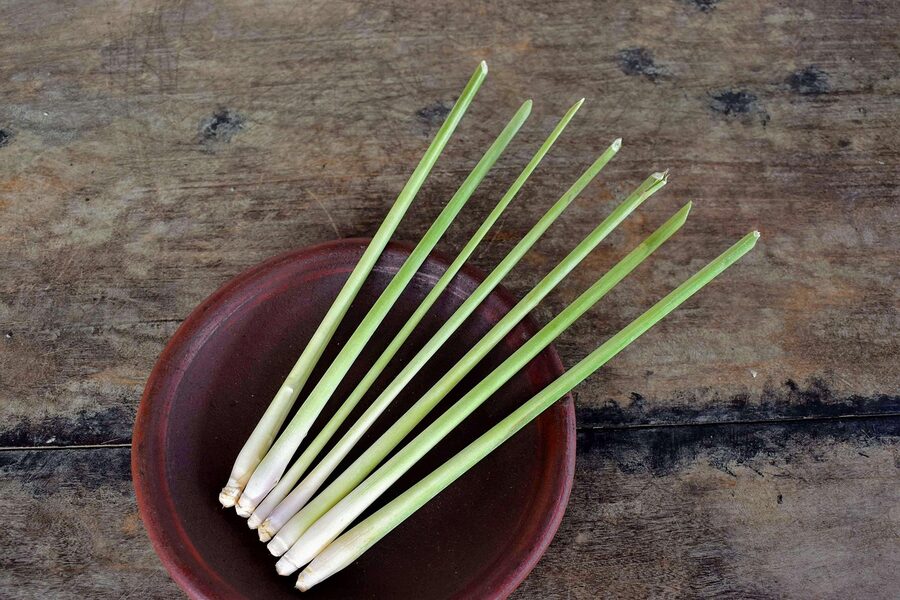
- 2 stalks of fresh lemongrass, the bottom 12 cm only, bruised hard with the back of a knife
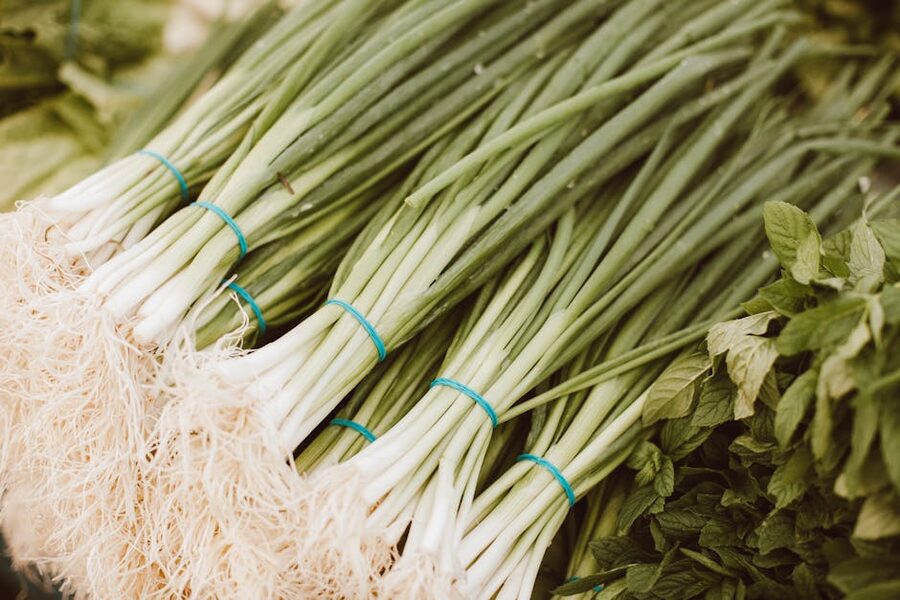
- 1 large bunch of green onions (about 8 to 10 stalks), root ends trimmed
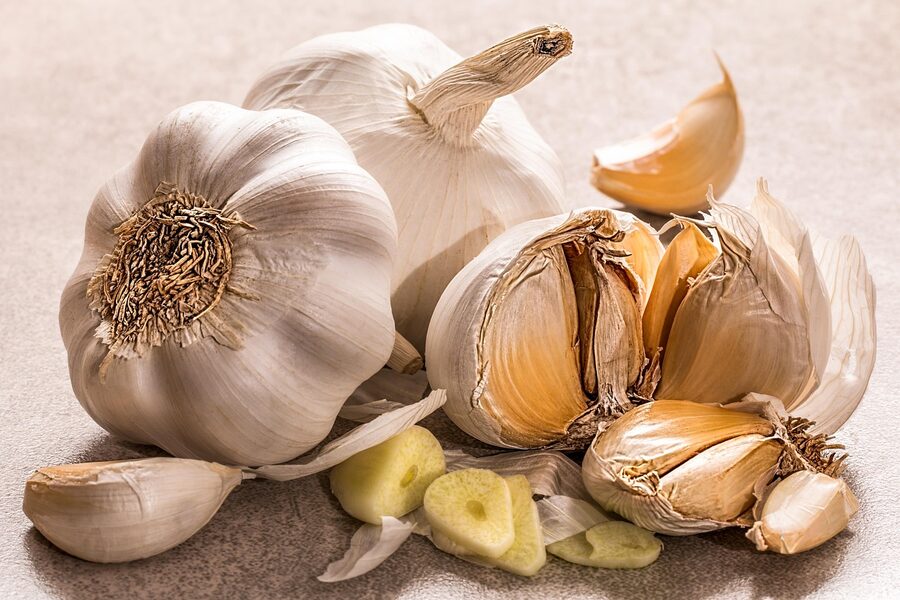
- 1 whole head of garlic, peeled and roughly sliced
- 1 medium white onion, sliced thinly
- 2 bay leaves, fresh or dried
- 1 small bird’s-eye chilli, optional, sliced (skip if you don’t want heat)
- 2 tablespoons rock salt or coarse sea salt
- 1 tablespoon black pepper, freshly ground
- 1 teaspoon white sugar
- 2 tablespoons soy sauce
- Neutral oil for the skin (a couple of tablespoons)
Substitutions if you’re not in the Philippines:
- Calamansi (Filipino lime) is hard to find outside Asia. Key lime is the closest substitute; regular lime is fine if you cut the quantity by a third.
- Lemongrass is widely available frozen at any Asian supermarket. Avoid the dried jarred version; the oils are gone.
- Pinakurat coconut vinegar is the ideal dip vinegar. Plain white-cane vinegar from a Filipino store is fine. Apple cider vinegar at a pinch.
- Bird’s-eye chillies are at most Asian markets; Thai chillies are interchangeable.
- Sugar-cane vinegar is the right base for the dip. White-distilled is too harsh; rice-wine is too soft.
Day before: prep the slab
Pat the pork belly dry with paper towels. Lay it skin-side down on a board. With a sharp knife, score the meat (not the skin) in long parallel cuts about 1 cm apart, going through the meat down to about 1 cm above the skin. Then make a deep horizontal slit through the centre of the slab, lengthwise, to create a long pocket. This is where the stuffing goes.
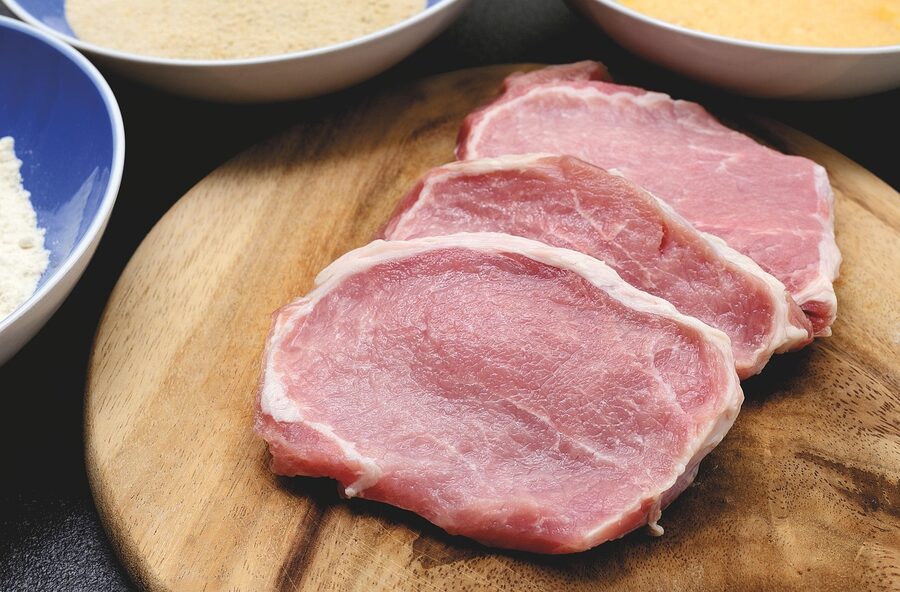
Mix the rock salt, black pepper, sugar, and soy sauce in a small bowl. Rub this all over the meat side of the slab, getting it deep into the slits. Don’t put any on the skin yet.
In a separate bowl, combine the bruised lemongrass, green onions, garlic, sliced onion, bay leaves, and chilli. Push this mixture firmly into the central pocket. Pack it tight; you want the herbs to fill the slit completely. If some of the mixture won’t fit, scatter the rest on top of the meat and press down.
Tie the slab back together with butcher’s twine. Use four or five separate strands rather than one long wrap; tighter knots, less mess. Put the slab on a rack over a tray and uncover it in the fridge overnight. The uncovered fridge time dries the skin out, which is the single most important step in getting the skin to crackle later. If you only have four hours, four hours is better than nothing. Twelve is much better.
Day of: the cook
Take the pork out of the fridge an hour before cooking and let it come closer to room temperature. Pat the skin dry once more, then rub it with the neutral oil and a generous pinch of salt. Some cooks prick the skin all over with a fork; this helps the fat render and the skin pop blisters. It’s optional, but I do it.
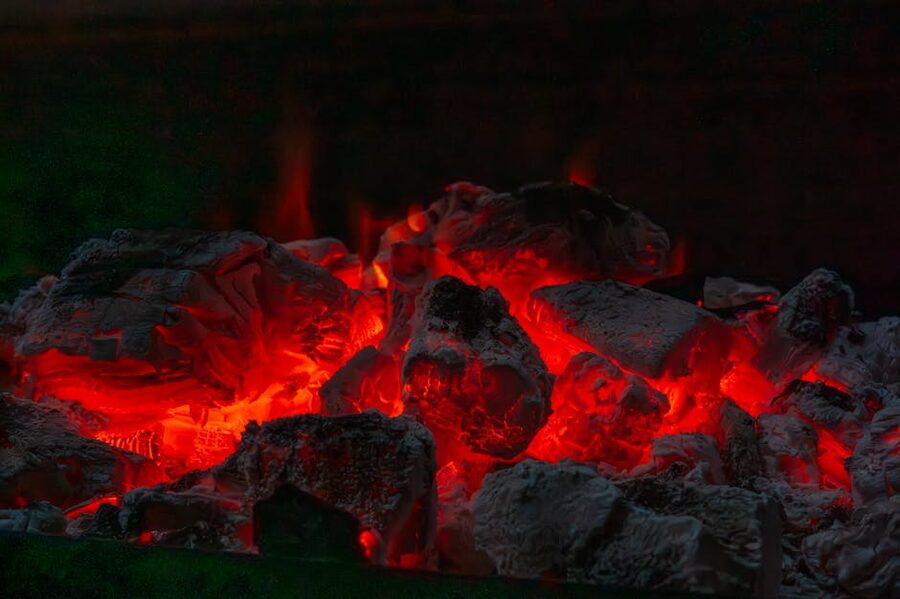
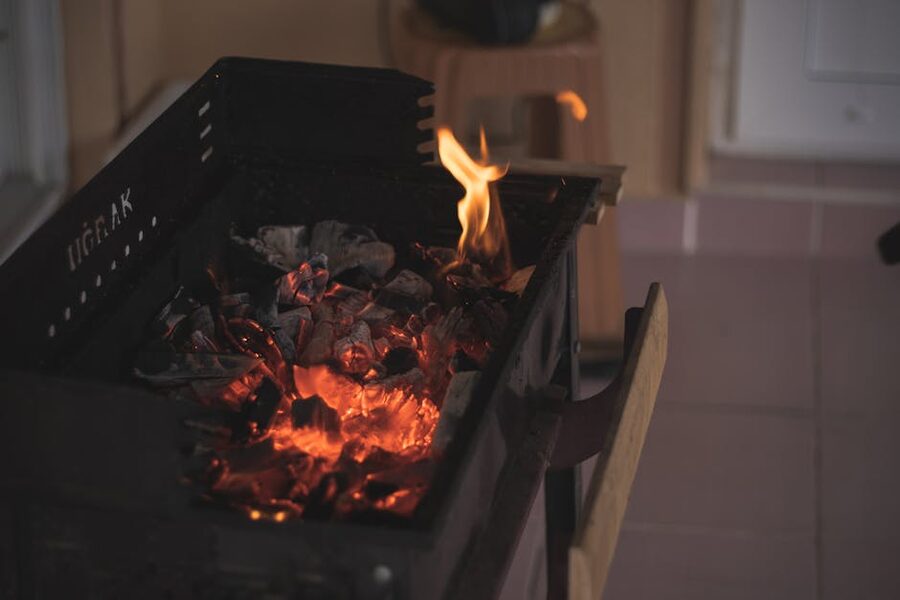
If you have a charcoal rotisserie: set up a wide, low-heat coal bed about 30 cm under the spit. Skewer the slab on the rod with the meat side down (skin out, on the eventual top side). Position a drip tray under the meat to catch fat; without it the dripping fat causes flares that scorch the skin. Start the rotisserie. Cook at low heat for 2 to 2.5 hours, turning and basting the skin lightly with oil every 30 minutes. The first hour is for slow rendering; the meat should be at around 60°C internal at the end of it.
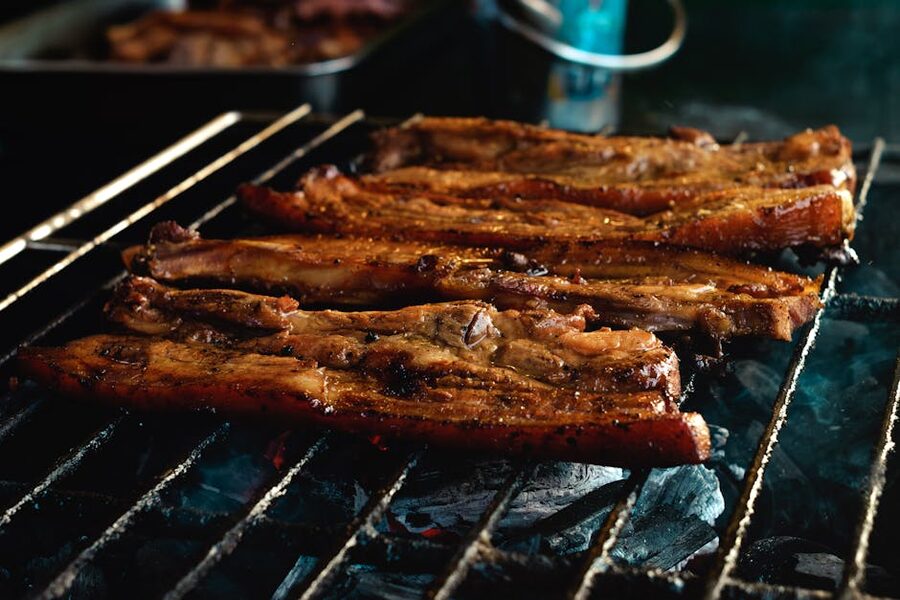
For the second stage, push the coals closer to the meat and crank the heat up. The skin needs a final blast at around 200°C for 20 to 30 minutes to crackle and turn deep amber. This is the only part of the cook you need to pay attention to. Watch it. The line between perfectly crisp skin and burnt skin is short. The internal temperature of the meat should land between 70 and 75°C when you pull it.
If you’re using an oven: preheat to 160°C with the rack in the lower-middle position. Put the slab on a wire rack over a tray (so air circulates underneath) and roast for 2 hours skin-side up. Crank the heat to 220°C for the final 25 to 35 minutes; watch it once it’s past 220°C, the skin can blister and burn fast. If the skin isn’t crackling at 35 minutes, broil on high for 3 to 5 minutes more, but stand at the door and don’t walk away.
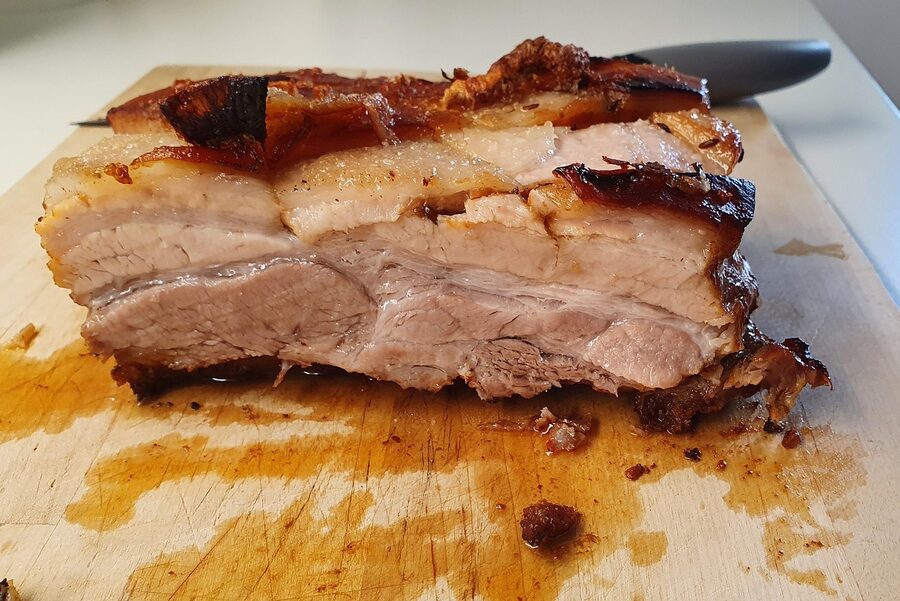
Rest the meat for 10 to 15 minutes after pulling. This is where the fat redistributes. Don’t skip it.
Cutting and serving
Place the slab on a board, skin up. Use a heavy cleaver, not a kitchen knife. The skin should crack on the first hit; if it doesn’t, the rest hour was too long or the final blast was too short. Cut it into bite-size pieces, chopping right through the skin so each piece has skin on top and meat below. The classic Cebu serving size is rough, almost careless looking; it’s not French-knife thin slicing.
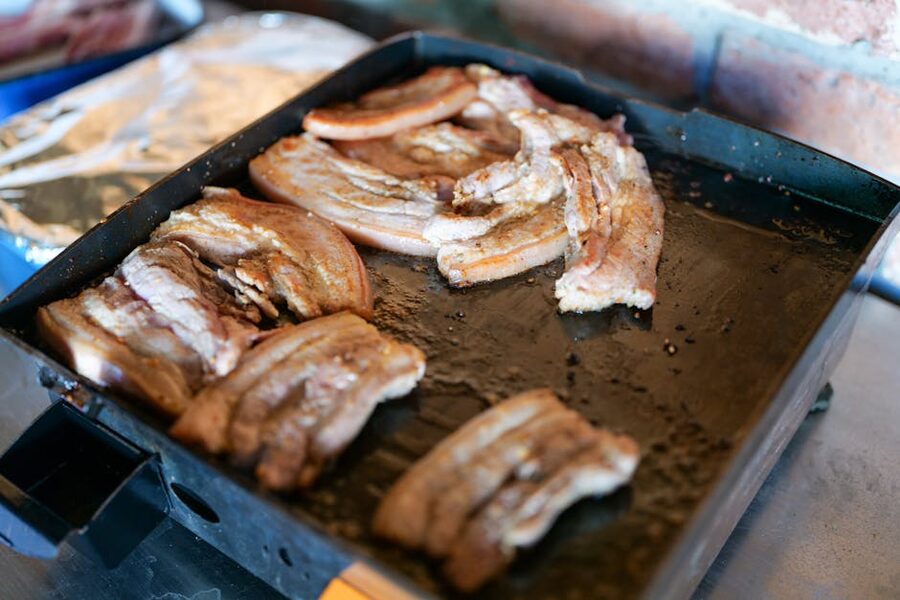
Pile it on a platter with puso or steamed rice and the vinegar dip on the side. If you have atchara, put it on the same plate. Eat with your hands or a fork; both are correct.
Cooking notes that will save you
The skin
The skin is 80 percent of why you cooked this. If the skin doesn’t crackle, you have grilled pork, not lechon. The two things that matter most:
- Dry it overnight, uncovered, in the fridge. Wet skin steams; dry skin crackles. There is no shortcut for this step.
- The final high-heat stage is short and unforgiving. Don’t walk away. Pulling the meat out a minute too late ruins it; a minute too early leaves the skin chewy.
The pink question
If your pork looks pink in the middle, it’s not necessarily undercooked. Pork can stay pink when brined or smoked, especially with herbs that contain natural nitrates (green onions and garlic both have small amounts). What matters is internal temperature: 70 to 75°C at the thickest part with a probe. Hit that and the meat is safe; the colour is a chemistry artefact, not a doneness signal. Don’t trust your eyes alone.
Lemongrass volume
If you’ve eaten the real thing in Balamban, you know the herb hit is bigger than the recipe suggests. Don’t be afraid to overstuff. Two stalks is the minimum. Three or four works better in a 3-kg slab. Bruise them properly with the back of a knife before tucking them in; the oils are inside the stalk and a quick smash is what gets them out.
What to do with leftovers
Cold lechon belly is good in a sandwich with atchara and a smear of mayonnaise. Warmed in a 180°C oven for 5 minutes, the skin crisps back up most of the way. Don’t microwave; the skin turns rubbery and never recovers.
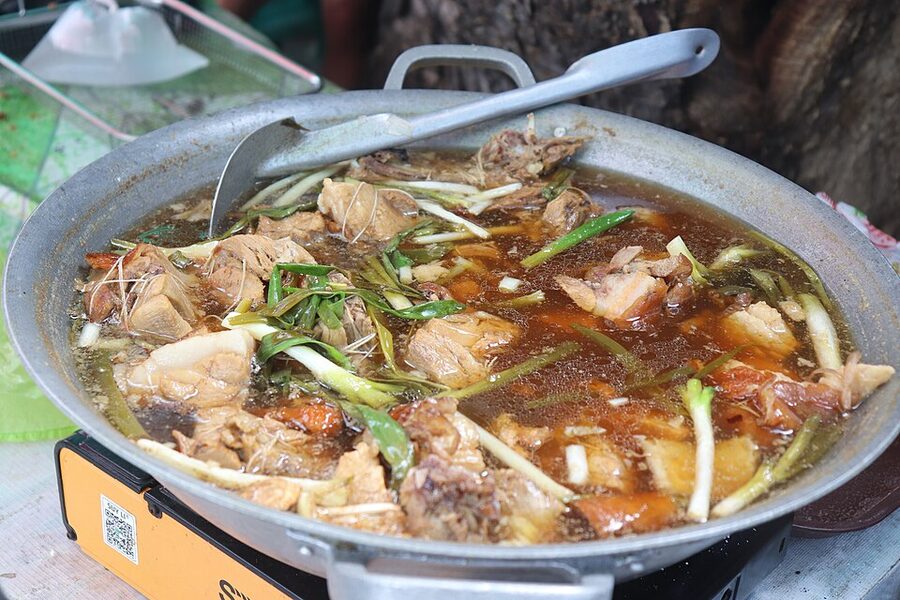
The Cebuano move with leftovers is lechon paksiw: chop the cold meat into small pieces, simmer it in a pot with vinegar, soy sauce, the leftover liver sauce if you have it, sugar, bay leaf and pepper for 15 to 20 minutes until the sauce thickens. Eat with rice. It’s a different dish, and a good one. Some people argue the paksiw is better than the original lechon. They have a point.

If you want to go deeper into Cebu eating
Lechon is the famous Cebu specialty, but it’s not the only one. The Cebu food guide covers the rest of the city’s plate, from Larsian’s BBQ alley to the proper non-airport halo-halo places. The seafood version of the same logic, where you pick the fish off ice and have it cooked three ways, is in the piece on Cebu sutukil at Sugbo Mercado and Mactan. And the rest of the food coverage on this site is at the homepage; it’s mostly markets, family kitchens, and roadside stalls of the Balamban variety, in different countries.

If you do make it to Balamban, get there by mid-morning. The good slabs go on the spit between 10 and 11 and come off between noon and 1pm; the second batch is around 3pm. Show up at 4pm and you’re eating the leftover end of the lunch run. Show up at noon, eat slowly, and you’re in the right place at the right time.
Bring small bills. The stalls don’t make change for ₱1,000 notes and they would rather not break a ₱500 either. Bring more cash than you think; you’ll order a second helping.