
The woman at stall 14 in Sugbo Mercado holds up a 600-gram lapu-lapu by the gills, eyes still glassy clear, and asks me how I want it cooked. Sugba, tula, kilaw, or all three split across the kilo. I point at the tail end and say sugba and tinola, half and half, and she shouts the order to a man working a bed of glowing coconut husks ten feet away. ₱480 for the fish, ₱150 cooking fee, plus ₱60 for puso rice. Twenty minutes. She hands me a numbered ticket like it is a coat check, then turns to the next person before I have even put my wallet away.
In This Article
- What sutukil actually is, in three syllables
- Picking the fish without getting hustled
- What is actually negotiable
- Sugbo Mercado vs the Mactan markets, head to head
- One stop you should not miss
- The three preparations, taste by taste
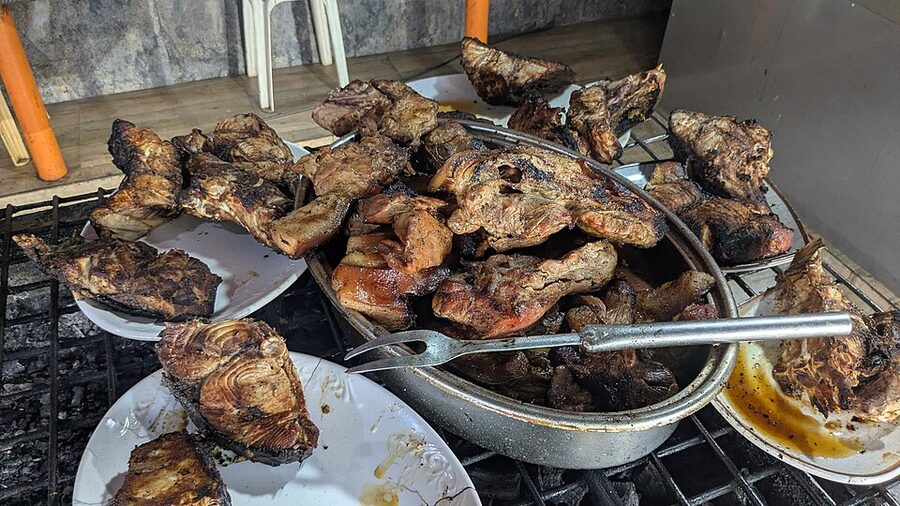
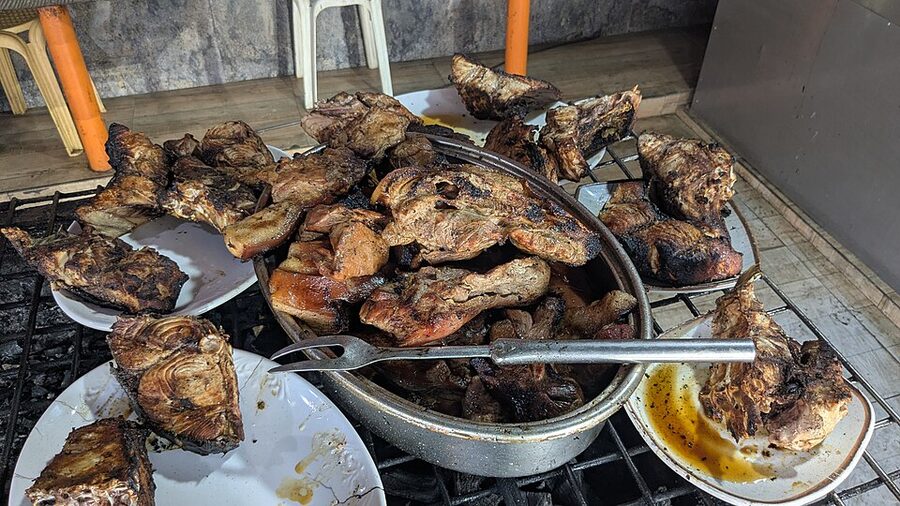
- Sugba: the grill
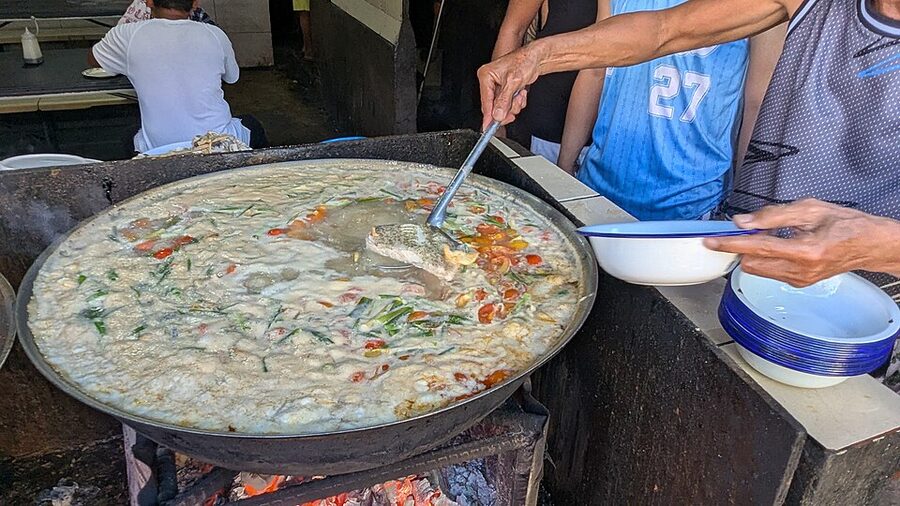
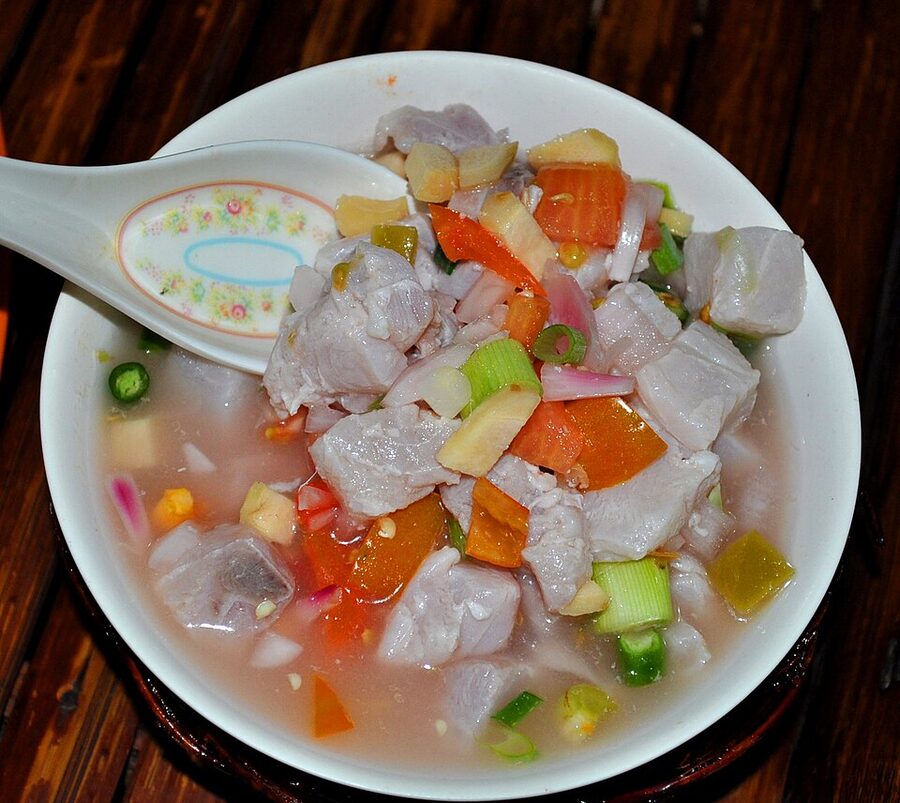
- Tula: the soup
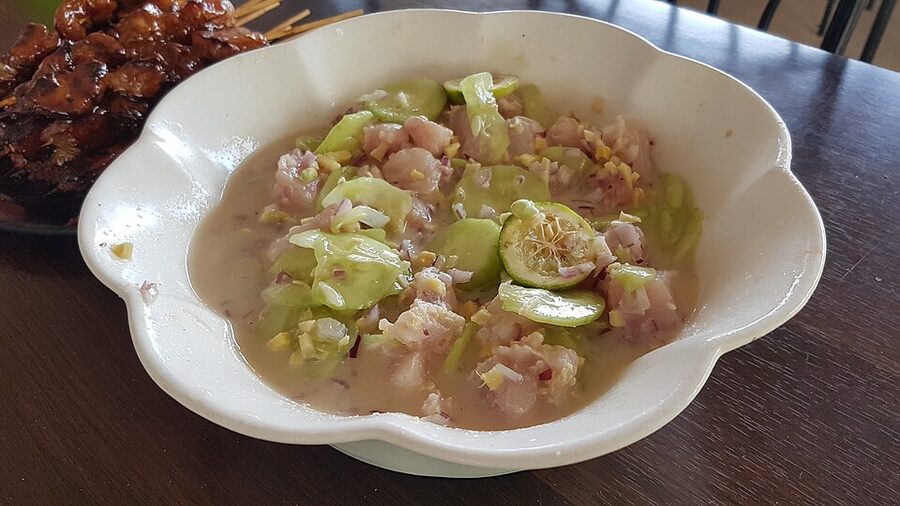
- Kilaw: the raw
- What to drink, what to skip
- Practical: when to go, what to bring, how to talk to the cook
- Going with a guide if it is your first day in Cebu
- What goes with the fish: the supporting cast
- The morning version: Carbon Market and the wet-market sutukil
- One last thing
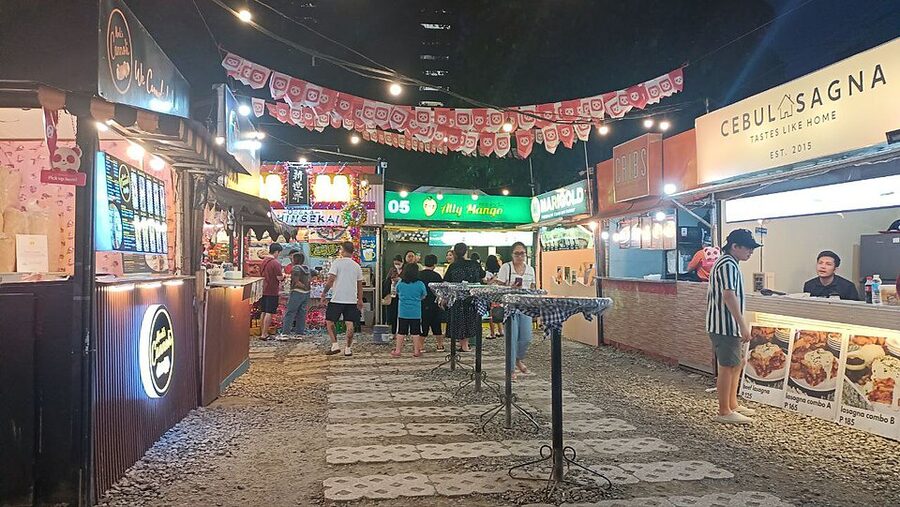

This is sutukil, and it is the most efficient way I have ever eaten in Asia. You pick the fish, you pick the cooking methods, you pay per kilo plus a flat cooking fee, you sit down, and twenty minutes later there is a whole grilled fish, a sour soup, and a bowl of vinegar-cured raw fish on your table. You did not have to read a menu. You did not have to translate anything. You looked at fish on ice, you pointed, you negotiated, and now you eat. If Cebu food has a single experience that defines the place better than lechon does, this is it. The whole site is built around food experiences like this one; if you want more in the same vein, the homepage is a good landing pad.
What sutukil actually is, in three syllables
Sutukil is a contraction of three Cebuano cooking verbs: sugba, tula (or tuwa), and kilaw. Sugba is grilling over fire, usually coconut husks rather than charcoal briquettes, which is part of why a properly grilled Cebu fish tastes different from one cooked anywhere else. Tula or tuwa is a sour, light soup with onions, tomatoes, ginger, and either kamias, calamansi, or unripe tamarind for the acid. Kilaw is the local form of ceviche, raw fish cured in coconut vinegar with onion, ginger, and chilli. The three words got smashed together into a single one and now you see it stencilled on signboards from Mactan to Carcar: STK, S.T.K., Su.Tu.Kil, sutukil ta bay.

.jpg)
The format is older than the word. Antonio Pigafetta, who travelled with Magellan in 1521, wrote about being served fish three ways in Sugbo (the precolonial name for Cebu) when their ships first anchored. The cooking methods predate Spanish contact, which is part of what makes them feel like the bedrock of Cebuano food. Lechon is what tourists think Cebu eats. Sutukil is what Cebuanos actually eat by the water, on weekends, with their families, in plastic chairs.
One thing the listicles get wrong: tula is not tinola. Tinola in Tagalog cooking is a chicken-and-ginger soup with green papaya. Tula in Cebuano sutukil is a fish soup, sour rather than gingery. If a stall calls it “fish tinola” and the broth comes out light and tomato-and-kamias-tinged, that is tula by another name. The grill master will not split hairs about it.
Picking the fish without getting hustled
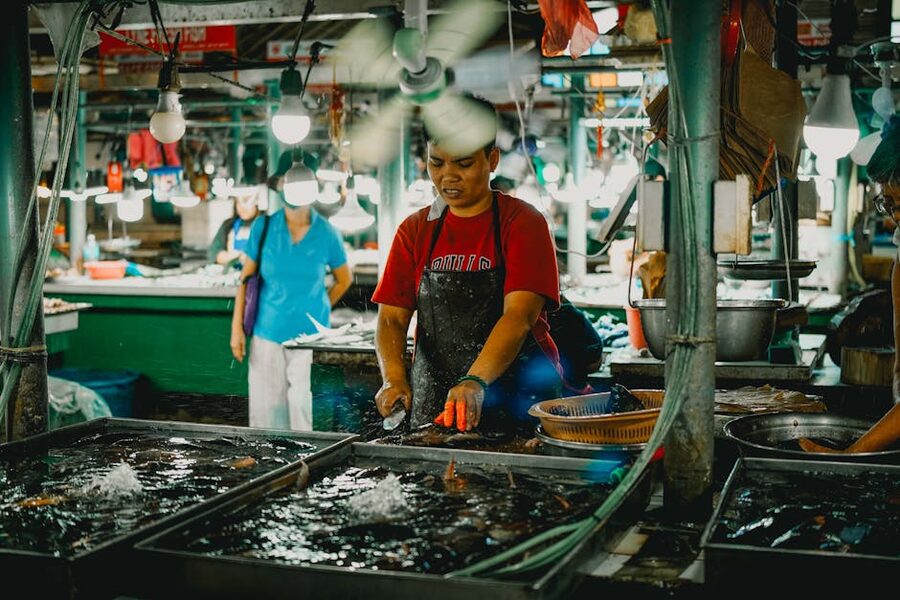
Every sutukil stall lays its fish out on a bed of crushed ice. The fish that day’s catch differs by season and by which boats came in that morning, but the constants are lapu-lapu (grouper, the most popular and the most expensive), tanigue (Spanish mackerel, gets dense and meaty when grilled, my personal favourite for sugba), bangus (milkfish, cheaper, very bony, fantastic stewed), maya-maya (red snapper, mid-range), and kitong (rabbitfish, often the bargain choice). On a good day there will be tuna belly trimmed off the panga, marlin, and lato (sea grapes) on the side as a kinilaw alternative.
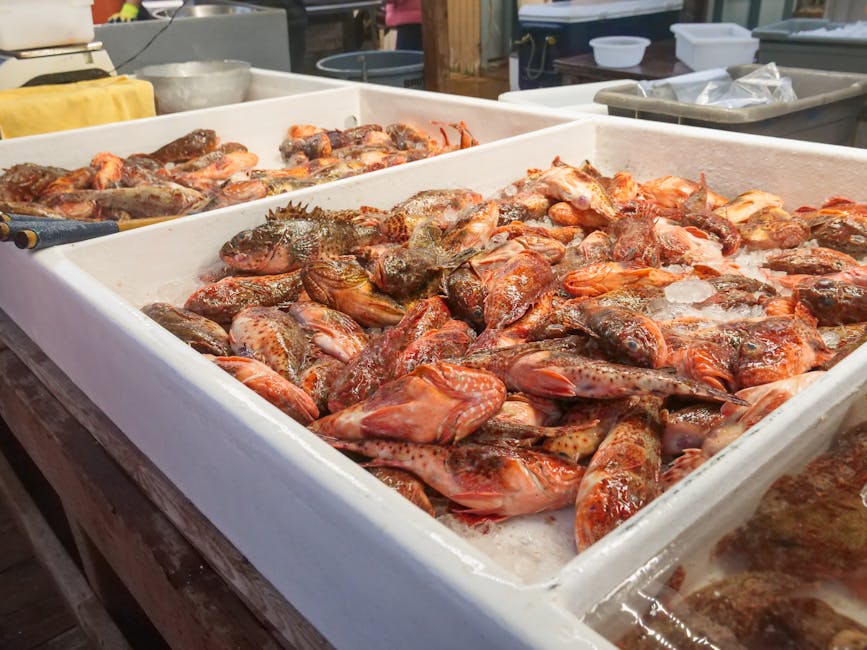
Reading freshness takes about ten seconds. Eyes should be clear and slightly convex, not sunken and milky. Gills, when the vendor lifts the gill plate, should be bright red. Brown gills are bad. The fish should smell like seawater. If it smells fishy in the bad sense, that is bacterial breakdown and you do not want it grilled, stewed, or served raw. Ask to see the gills. Vendors who hesitate are telling you something.
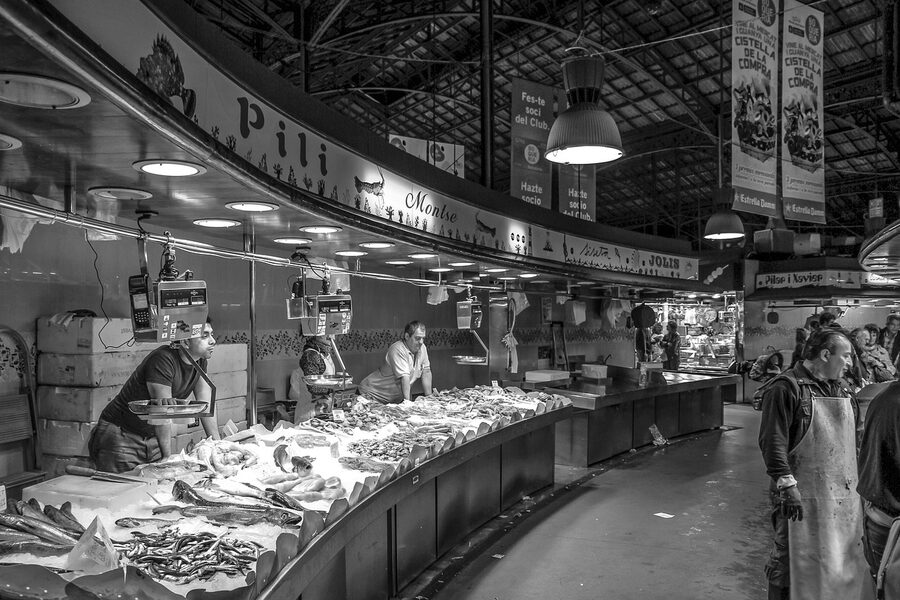
Pricing works on weight. The fish goes on a hand-held kitchen scale, the vendor reads the kilo price posted on cardboard, and that is the cost of the fish. On top of that there is a flat cooking fee, usually ₱120 to ₱180 per kilo at Sugbo Mercado, ₱100 to ₱150 at the rougher Mactan markets. Rice (puso) is ₱8 to ₱12 each. Drinks are extra. A fish for two with one method of cooking, plus rice and two San Miguels, runs about ₱700 to ₱1,000. Lapu-lapu is the priciest, kitong and bangus the cheapest, tanigue in the middle.
What is actually negotiable
The kilo price of fish is fixed. The cooking fee is fixed. What you can negotiate, sometimes successfully, is the split: if you pick a fish that weighs in at 1.4 kilos, you can ask the stall to do half sugba and half kinilaw at no extra cooking charge, since they are charging per kilo of fish, not per cooking method. You can ask for the head and tail to be reserved for tula on the side, which is what I do every time, because the head meat in fish soup is the best meat. You can ask for less salt on the sugba (most stalls hammer the fish with rock salt before grilling), or you can ask for the kinilaw to be served extra sour. None of that costs anything if you ask before they cook.
Sugbo Mercado vs the Mactan markets, head to head
If you have one evening in Cebu and you want to try sutukil, where you go depends on what experience you actually want. The two main options are not equivalent.

Sugbo Mercado is the polished version. Thursday through Sunday, 5pm to 1am, at the Garden Block in IT Park, with a second branch at Cebu Business Park that opens 4pm to midnight on the same days. Open-air stalls, decent lighting, menu boards in English with pesos written out, plus pad thai and Korean street food at neighbouring stalls if your group is split between sutukil purists and people who came for the Instagram. The seafood is genuinely good but there is a Sugbo Mercado markup. A 600g lapu-lapu that runs ₱400 in a Mactan wet market becomes ₱480 to ₱520 at Sugbo. The cooking fee is also higher.
The Mactan side is rougher, cheaper, and where Cebuanos actually go on weekends. The seafood markets along Mactan, especially near the Pusok area and the smaller markets along Punta Engano Road, run on a tighter margin and a smaller English-speaking audience. Tianguo Restobar (formerly Manna STK House, near the Mactan Shrine) is the legacy big name, but the deeper local scene is at the unbranded stalls in the Pasil and Pusok markets. Go in the morning for fish off the boat, carry it to a paluto place that cooks it for ₱100 a kilo, and eat at a plastic table next to where you bought it.
If you are picking once: Sugbo Mercado on the first night because the format is forgiving and the English signage helps. The Mactan markets reward people who already know how the format works.

One stop you should not miss
Parr’t Ebelle Tinola, on Road 6 in the North Reclamation Area, is not a market stall but a sutukil restaurant that sharpened the grill game without ruining the price. The grill master has the kind of hand-eye you only get from doing one thing for fifteen years. The marlin sugba comes off the grates with a smoky char, juicy through the centre, and a clean fish flavour that does not need anything but vinegar and chilli on the side. They also do a sinugbang liempo (grilled pork belly) that is the best version I have eaten in the city. Mabolo branch hours: Monday through Saturday 7:30am to 8:30pm, Sunday 7:30am to 3pm. They run out of lato (sea grapes) and squid by mid-afternoon on Sundays, so go for lunch.

The three preparations, taste by taste
What you actually get on the table is three plates that look and taste nothing like each other, made from the same fish you pointed at twenty minutes ago. The contrast is the point.
Sugba: the grill
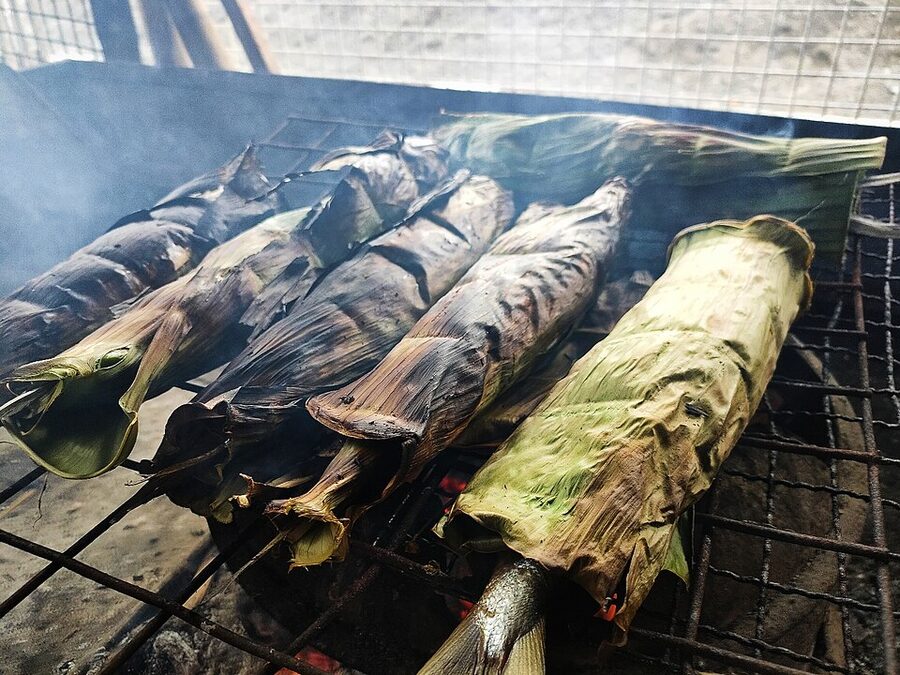
Cebu fish sugba is grilled over coconut husks more often than not, which is what gives it the slightly sweet smokiness that you do not get with pure charcoal. The husks burn hotter and shorter than briquettes; a good grill master keeps the fire on the cooler edge for whole fish so the skin renders and crisps without the meat going dry. The fish is butterflied, scored across the thicker flesh, and rubbed with rock salt before going on the grates. No marinade. No sauce on the fish itself. The flavour is supposed to come from the fish, the salt, the smoke, and the vinegar dip on the side.
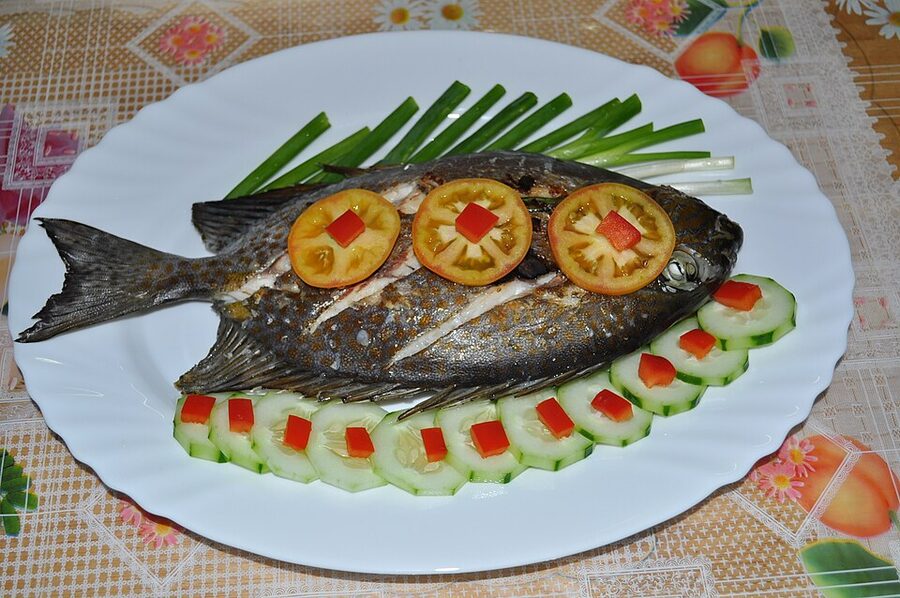

The sawsawan (dipping sauce) is what makes or breaks the dish. Coconut vinegar (sukang tuba) goes in a small bowl with sliced bird’s-eye chillies (siling labuyo), crushed garlic, soy sauce, and a squeeze of calamansi. The vinegar should be sharp without being harsh. If the sauce comes out too soy-heavy, ask for more vinegar. The fish gets pulled off the bone in chunks and dipped one bite at a time.
What I want at every grill: the head meat, dipped in a vinegar-heavy sauce, with a bite of puso rice in between. The cheek meat in a 600g lapu-lapu is the size of a thumb tip and tastes more concentrated than anything else on the plate. People who do not know to look for it leave it on the bone.

Tula: the soup
Tula or tuwa is the warm, sour fish soup. Onions, tomatoes, ginger, sometimes kangkong (water spinach) or malunggay leaves, and a souring agent that varies by stall. Kamias is the most traditional, a small green tropical fruit that gives a citric, almost lemony tartness. Where kamias is out of season, calamansi or unripe tamarind takes over. The broth is thin, intentionally; this is not a thick chowder. The fish goes in last, simmered just until the flesh turns opaque, never longer.

The first sip should taste of fish stock and vegetable. The acid hits late, on the finish. If a stall’s tula tastes acidic from the first sip, they are using too much kamias or vinegar. If the broth tastes washed-out, they cooked the fish too long. A medium-tart, clean, fish-forward broth is what you want. Add calamansi at the table to taste; locals squeeze hard right before eating, not at the start.
The bones get sucked. The eyes get eaten by people who know. The collar (the bit between the head and the body) is the prize for most Cebuanos and you will not get it unless you are at a stall that knows you, or you ask for it directly when ordering.
Kilaw: the raw
Kilaw, sometimes spelled kinilaw on menus, is the raw fish dish. Coconut vinegar is the curing acid. Onions, ginger, bird’s-eye chilli, sometimes calamansi, sometimes a whisper of coconut milk in the more modern Mindanao-style versions. The fish is cut into half-inch cubes and tossed with the cure for ten to fifteen minutes; longer than that and the fish goes leathery from the acid. This is not a cooked-with-citrus ceviche in the South American sense, even if it sometimes gets compared to one. Latin ceviche cures for forty-five minutes to an hour and the fish is opaque all the way through. Cebu kilaw is shorter, the fish is still translucent at the centre, and the texture stays slippery rather than firm.
.jpg)
For the safety question: kilaw made on demand from fish alive that morning is the same risk profile as Japanese sashimi. I have eaten it dozens of times and never been sick. Just do not order kilaw at a stall whose ice display looks tired or whose fish smells off. Order kilaw on the same plate as a fish you have already inspected for the sugba. If it is good enough to grill, it is good enough to eat raw.
The taste is bright and slippery. Coconut vinegar is softer than rice vinegar; it does not have the metallic edge. The chilli builds slowly. The ginger is the loudest aromatic. There is a slight sweetness from the fish itself that the cure does not bury. Eat it with rice; the rice tempers the acid and lets you have more bites.
.jpg)
What to drink, what to skip
San Miguel Pale Pilsen is the answer most of the time. ₱70 to ₱90 a bottle at most stalls, light enough to chase grilled fish, malty enough to stand up to the kilaw acid. Red Horse if you want a stronger lager and you are committed to the night being a long one; it hits 6.9% and the second one will sneak up. Most stalls also stock San Miguel Light for the people who want to drink three.
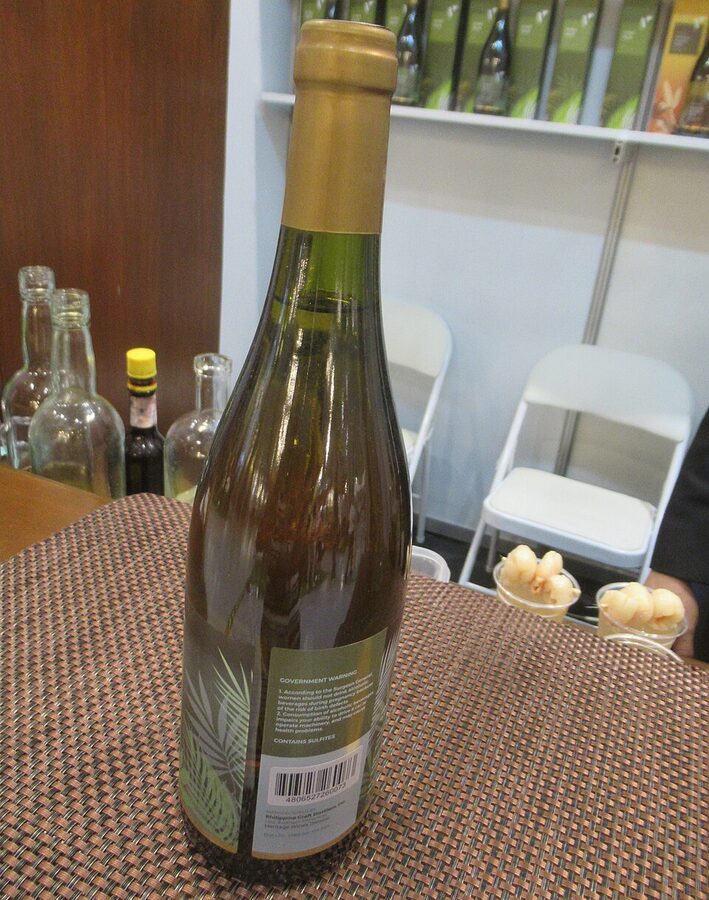

Tuba, the fresh coconut palm sap fermented for a few hours, is a beach-shack drink rather than a sutukil-stall one. You will see it at the smaller Mactan beach places and along the coast at Bantayan. Lambanog is the same coconut sap distilled into something close to white rum at 80-proof, sold in repurposed water bottles, drunk neat or with calamansi.
Skip: branded cocktails, anything with the word fusion, and the coconut-based mocktails that have started showing up at Sugbo Mercado. Sutukil eats well with cold beer and water. Anything else is overcomplicating the format.
Practical: when to go, what to bring, how to talk to the cook
Sugbo Mercado opens at 5pm Thursday through Sunday. The seafood stalls hit their stride around 7pm and start running out of premium fish (lapu-lapu, big tanigue) by 9:30pm. If you want first pick, get there before 7. If you want atmosphere with weekend music acts, 8pm to 10pm is when the place is fullest. The market closes at 1am but the kitchens stop taking orders around midnight.
Mactan markets are reverse: the wet markets where the day’s fish lands open before dawn and the best stuff is sold out by 9am. The paluto cooks at the Pasil market run from about 6am to 2pm, then take the afternoon off, then sometimes reopen for an evening service from 5pm to 9pm. Different stalls keep different hours. Ask the vendor before paying for fish; you do not want to walk to a paluto station that has shut for the day.

Cash is the answer for most stalls. The wet markets are 100% cash. ATMs are inside the malls (Ayala Center Cebu, SM City Cebu) and some 7-Elevens. ₱2,000 in mixed bills is enough for two people at Sugbo Mercado; ₱1,200 covers two at the Mactan markets with room for beers.
Language: most Sugbo Mercado vendors speak Cebuano and English fluently and will switch to whichever you start in. The Mactan vendors mostly speak Cebuano with patchy English; Tagalog is hit-and-miss and not all Cebuanos appreciate being addressed in Tagalog by a foreigner. Three Cebuano words go a long way: pila (how much), salamat (thank you), and tagsa (each, as in ₱40 tagsa, ₱40 each). Pointing works for the rest. The vendors are practiced at this; they have been pointing-and-cooking for foreign customers for forty years.
One scam to know about and refuse: occasionally a Mactan stall will weigh the fish, then add a second weight after cooking (the fish gained weight from the marinade) and try to charge for the inflated number. The fish does not gain weight. Ask for the weight written down before they cook.
Going with a guide if it is your first day in Cebu
If sutukil sounds like a lot to navigate solo on day one, a few of the Cebu street-food tours include either Sugbo Mercado or a Mactan market stop with a translator and someone who has done the negotiation a thousand times. The two that genuinely include market sutukil are the Cebu market food tour and the Cebu city historical and street food tour on Klook. The same product also shows up on Viator and through GetYourGuide’s Cebu street food category. Half-day tours run about $40 to $60 USD per person and they cover sutukil within a broader Cebu food crawl that also stops for lechon, ngohiong, and dried mango. Worth it on the first night if you are jet-lagged. After that, go solo. The negotiation is half the experience and a guide takes that part away.
What goes with the fish: the supporting cast
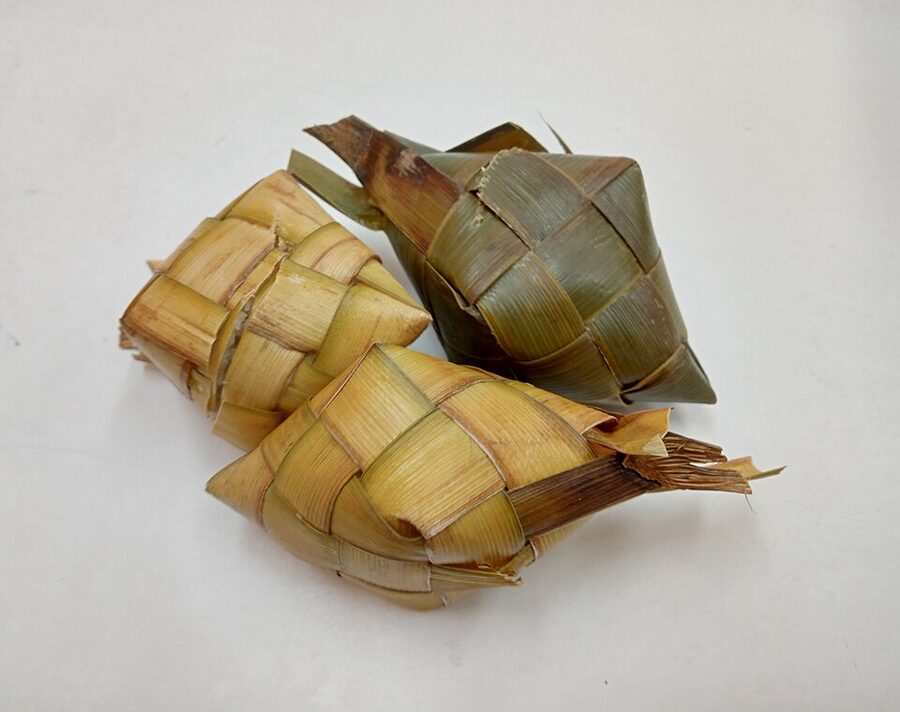
Puso (hanging rice in woven coconut leaves) is non-negotiable. The leaves give the rice a light grassy aroma and the diamond shape makes it easy to eat with one hand while the other manages the fish. Two parcels per person if you are doing one fish across three preparations; three if you are also ordering pork. ₱8 to ₱12 each.
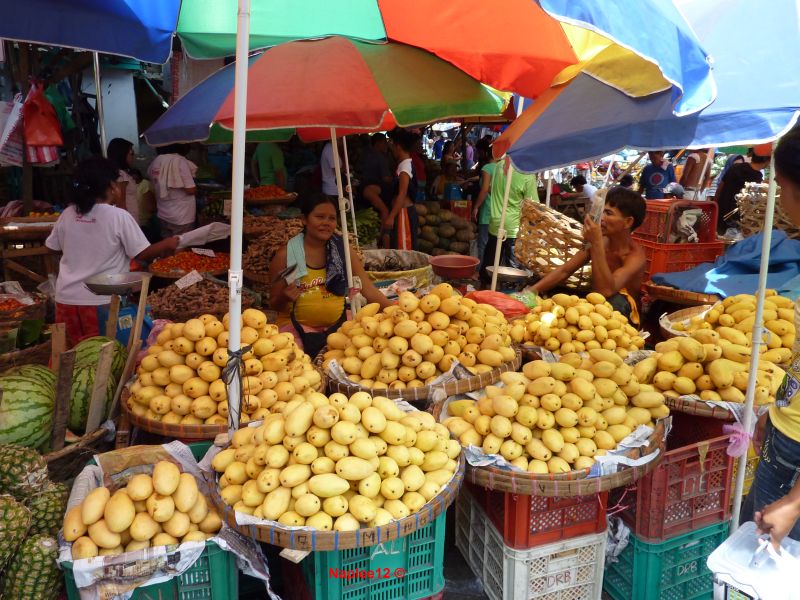

Atchara, the pickled green papaya relish, is sometimes available as a side. It cuts the fat from the sugba and refreshes the palate before kilaw. ₱30 to ₱50 a bowl. Skip the jarred commercial version; the homemade one is the point, and the better stalls make it themselves. Green mango with bagoong (fermented shrimp paste) is the other classic side. Sour, salty, briny, exactly what you want between rounds. The mango has to be unripe and rock-hard. If the side comes with a soft mango, send it back.
For the same level of Cebu-specific obsession applied to pork rather than fish, the parallel piece is on Balamban liempo, the lechon belly that locals drive an hour west of Cebu City to eat on a Saturday morning. Different format, same principle: pick the meat, watch it cook, eat it ten feet from where it was prepared. Sutukil and Balamban liempo are the two food experiences I would do back-to-back in Cebu if I had only forty-eight hours.
The morning version: Carbon Market and the wet-market sutukil
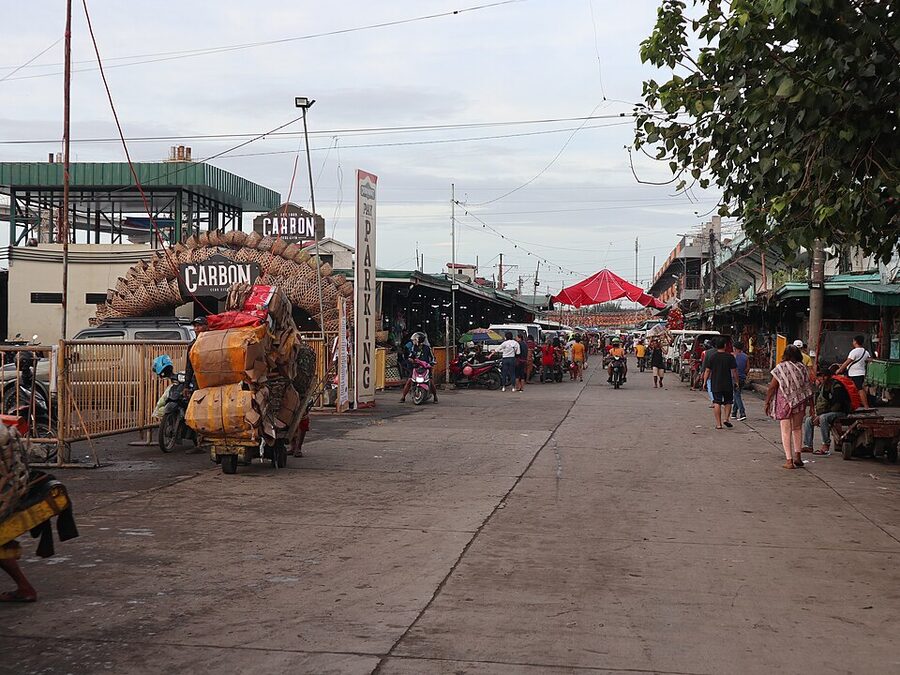
Most travel writing about sutukil treats it as an evening thing, because Sugbo Mercado is what tourists know and Sugbo Mercado is open 5pm to 1am. The morning version, at Carbon Market in central Cebu City, is the older format and worth a visit if you can get up at 6am.
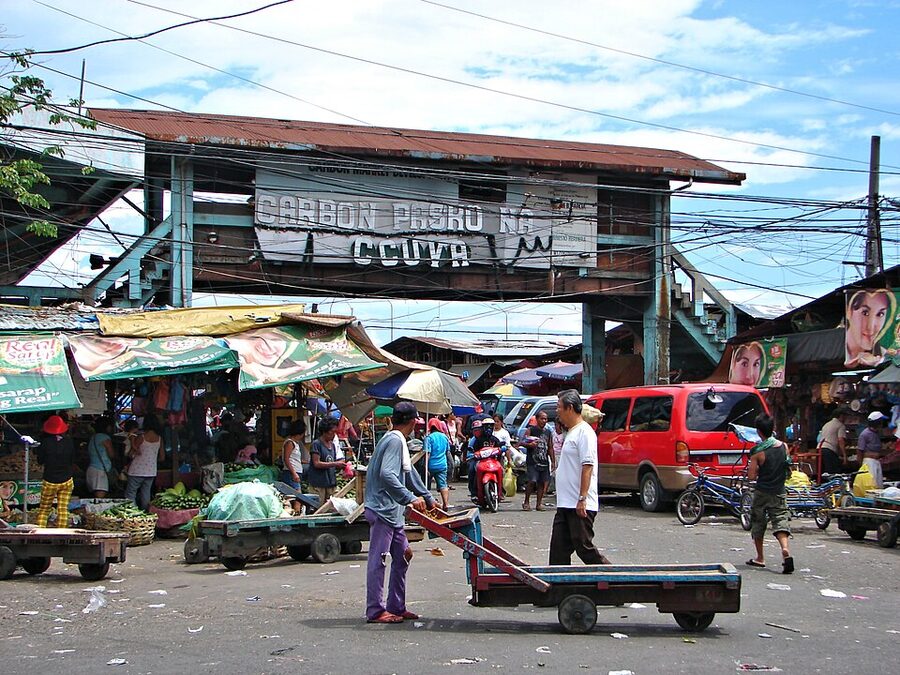

Carbon is a working wet market. The fish lands at 5am from the boats at the south reclamation. By 6am the sellers have it on ice. By 8am the best of the day’s catch is gone. Cooking stalls (paluto, to be cooked) are clustered along the inland edge of the market and they will grill, stew, or kilaw whatever you bought next door for ₱80 to ₱120 per kilo. Twenty pesos cheaper than Sugbo Mercado, and the fish is fresher because you are watching the trade-out happen in real time.
Carbon at 7am is also the only time you can eat sutukil at breakfast. A bowl of fish tula with rice, a bottle of cold San Miguel (or Coke if it is too early), a piece of grilled fish on the side, ₱220 total. There is no other way to start a day of Cebu eating that beats this.
.jpg)
Practical: bring small bills (₱20s, ₱50s, ₱100s), wear shoes you do not mind getting wet, leave the camera bag at the hotel. The vendors are friendly but the floor is slippery and the aisles narrow. Pickpocketing has been an issue at Carbon historically; do not flash phones, and keep cash in a front pocket. Go with a Cebuano friend if you can. Otherwise the morning is fine if you stay alert.
One last thing
The first time I ordered sutukil I made the rookie mistake of getting a single fish all sugba, because I thought the kilaw and tula were appetisers. They are not. They are the same animal, three different times, and the contrast between charred-and-smoky, bright-and-sour, and clear-and-warm is the entire point of why this format exists. A single 1kg lapu-lapu, split across all three preparations, is a meal for two and an education in fish texture. A single 1kg lapu-lapu cooked one way is just a grilled fish.
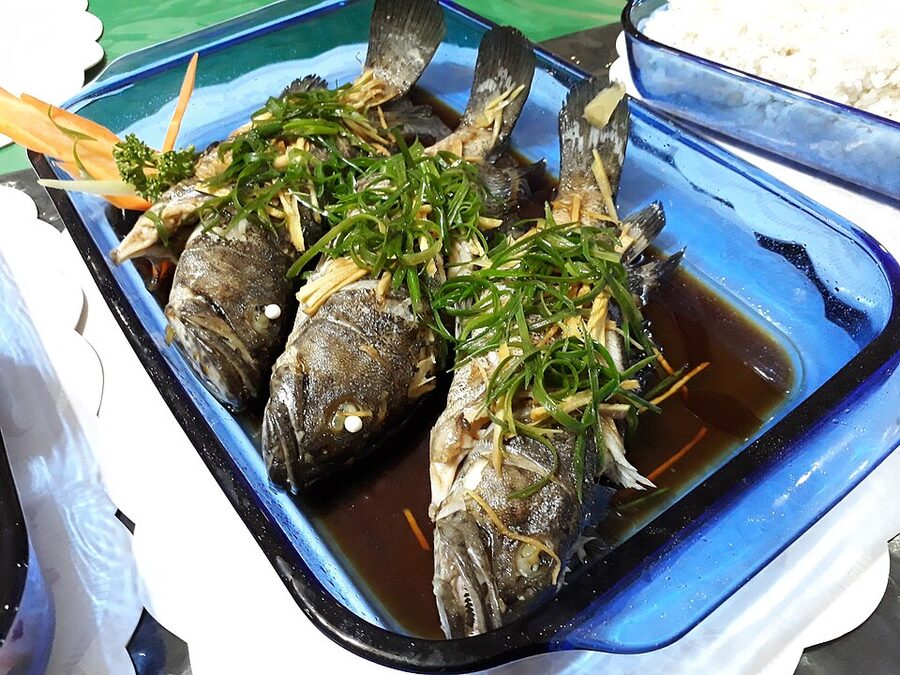

Order the bigger fish. Split it three ways. Eat the head meat. Sit down with two San Miguels. The whole thing is over in an hour and it costs ₱700 a person and you will think about it on the plane home.