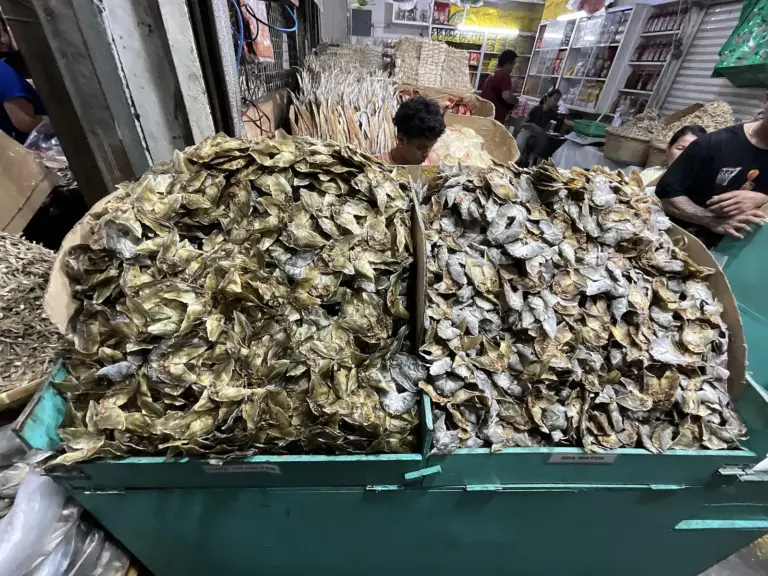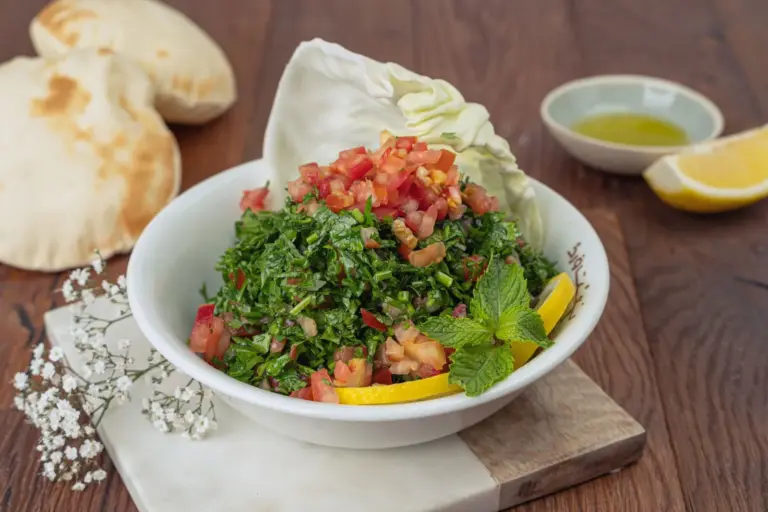
Most of the flavour bottles sold beside a soda maker taste like the supermarket aisle they were meant to replace. The syrups worth pouring into sparkling water are centuries older than the machine, and they are sold from tubs, sacks and recycled bottles in markets from Beirut to Cebu: grape and date molasses for jallab, rose water by the litre, tamarind pressed into bricks, calamansi by the kilo, pandan by the bundle.
Arabic has one word for the whole family. Sharab (شراب) means a drink, and it is where English got “syrup“, by way of Medieval Latin; the Oxford Companion to Food traces “sherbet” to the same classical Arabic term for a sweetened drink. A sharab is made strong so it can be cut with water at the table, which is exactly what a soda maker wants: something concentrated, added after the fizz, that brings its own sugar and sourness to a glass of cold, sharp water.
The company that makes the machines has spent four years drifting toward the same idea, from a rebrand pitched at mixology to cocktail mixers in glass bottles and a machine that will carbonate juice. None of it is necessary. A litre of fizzy water, a jar of syrup made on Sunday and a glass of ice will do the job.
Contents 12 parts
- 01What PepsiCo changed at SodaStream, and what came after
- 02How the machine works, and why the syrup goes in last
- 03Jallab syrup (جلاب)
- 04Sharab el ward, rose and lemon
- 05Mint lemonade, and where “limonana” comes from
- 06Tamarind: tamr hindi in Damascus, sampalok in Cebu
- 07Calamansi cordial
- 08Pandan syrup
- 09Sago’t gulaman as a long soda
- 10Arak, Tanduay and the alcohol-free versions
- 11Buying the ingredients: what the label should say
- 12Keeping homemade syrups
What PepsiCo changed at SodaStream, and what came after
PepsiCo agreed to buy SodaStream for US$3.2 billion in August 2018, paying US$144 a share. On 13 September 2022 the brand announced a full repositioning, which its German press release said answered growing consumer interest in design, innovation, mixology and user experience.
The visible part was a new logo, two interlocking water drops set like yin and yang to form an S, in Fresh Blue, Deep Blue and Sand. The slogan became “Push for Better”, after the button on the machine. A premium “SodaStream Collection” arrived with the DUO and ART models, the London agency Pearl Fisher did the design, and new packaging rolled out across the brand’s 47 markets from 2023.
The flavours were already moving toward the parent company. In early 2022 SodaStream brought to the US Pepsi and Sierra Mist syrups at US$6.99 a bottle for nine litres of drink. The mixology pitch reached a product in September 2024, with the stainless-steel enso machine by the Japanese designer Naoto Fukasawa at US$249.99 and SodaStream Crafted cocktail mixers: pineapple and jalapeño, grapefruit and elderflower, white peach and ginger, non-alcoholic and sold in 330 ml glass bottles.
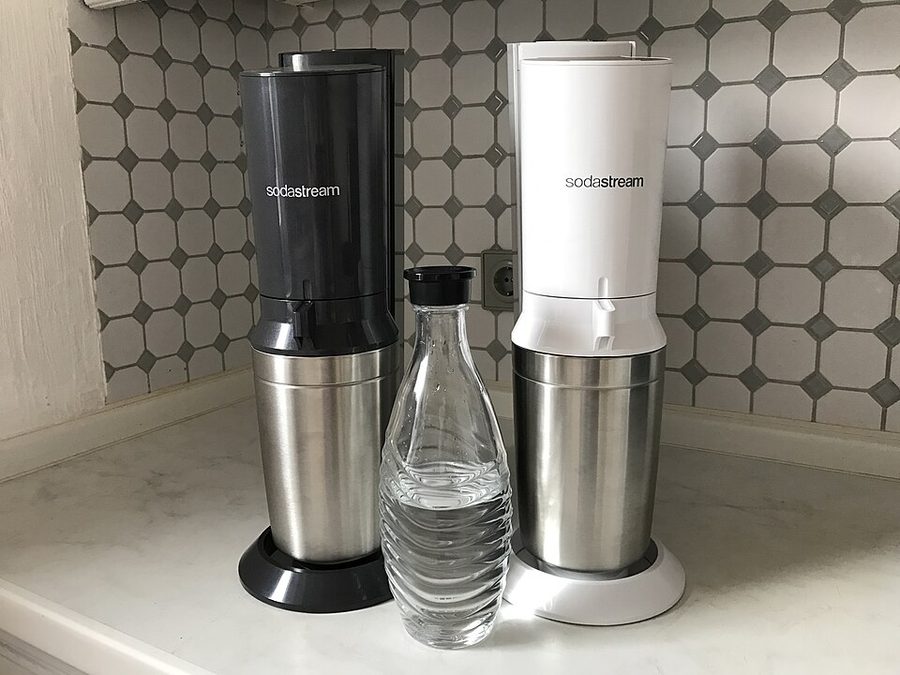
SodaStream’s dosing for the Crafted mixers is a useful starting ratio for any syrup: one part mixer to ten of sparkling water for a soft drink, and one part mixer, two of spirit and ten of sparkling water for a cocktail. Late in 2025 came the SodaStream MIX, the one machine in the range built to carbonate sweetened drinks, pulpy juice and flat soda.
In February 2026 the brand changed its look again. A new logo and the line “drink better” launched first in the German-speaking markets, with a press release calling SodaStream an all-in-one drinks brand rather than a maker of water carbonators. The company now sells the idea that the syrup matters more than the machine, and on that it is right.
How the machine works, and why the syrup goes in last
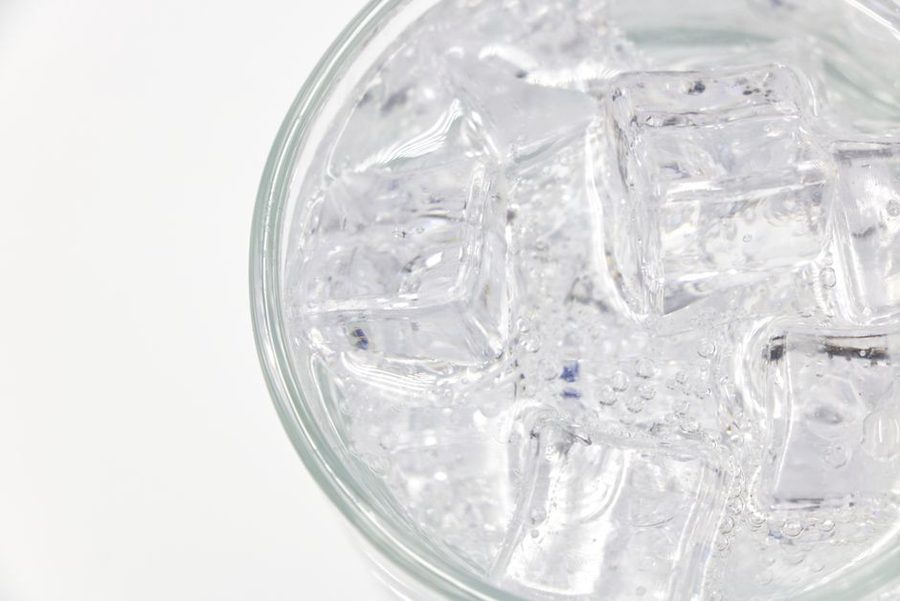
A soda maker is a valve, a bottle and a cylinder of carbon dioxide. Press the button and gas is forced into the water; the colder the water, the more gas it holds. SodaStream’s advice for the best results is water at 4–7°C (39–44°F), straight from the fridge, and short, firm presses of one to two seconds.
The rule that matters here is one SodaStream repeats on nearly every support page: fizz water, then add flavour. Carbonating anything else in a standard machine voids the warranty and the money-back guarantee and makes, in the company’s words, “a big fizzy mess”. A flavoured drink that has gone flat cannot go back in; plain water that has lost its fizz can.
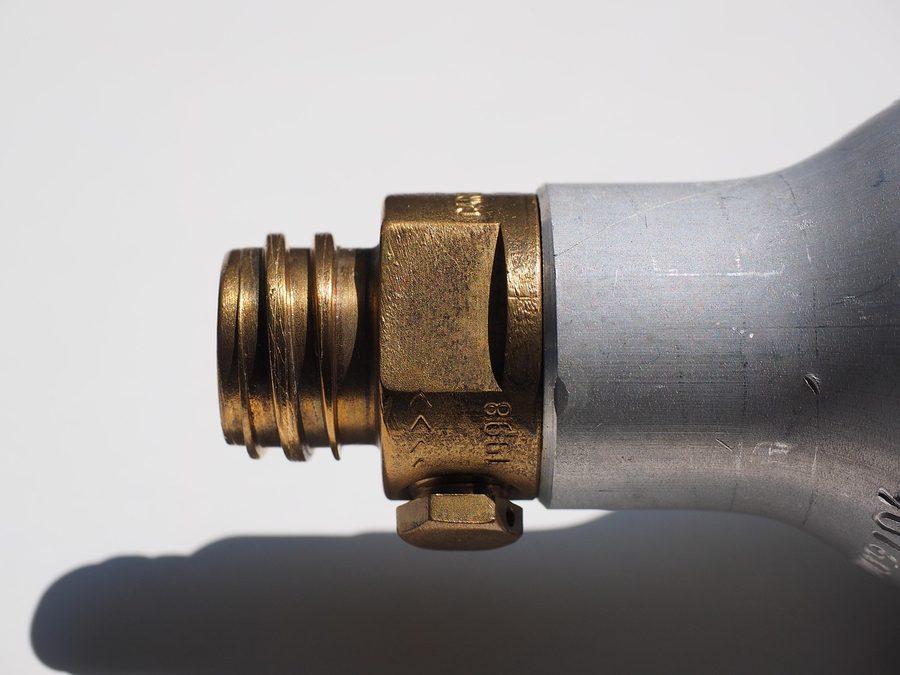
The reason is physics you can watch in a glass. Dissolved gas escapes fastest wherever it finds something to form a bubble on: a sugar crystal, a fleck of pulp, a scrap of mint. Pour thick syrup into a bottle of freshly carbonated water and the whole surface of the syrup becomes that place, and the foam climbs the neck in a second.
So build the drink in the glass. Syrup first, then ice, then the sparkling water poured slowly down the inside of the tilted glass, and one gentle stir. SodaStream’s dose for its own syrups is about 3 tablespoons per litre bottle. Market syrups are weaker, so start at about 50 ml (3½ tbsp) for a 250 ml glass.
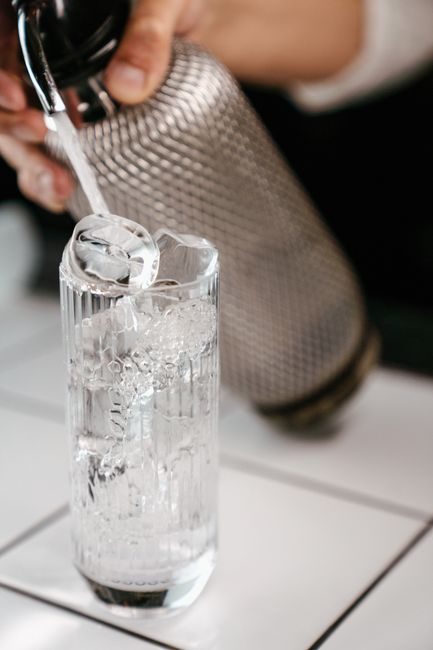
The cylinders come in two fittings. The Quick Connect cylinder, with a pink valve seal, clicks into the newer machines, among them the MIX, enso, ART and TERRA; the older screw-in cylinder fits models such as the FIZZI, ONE TOUCH and JET. The gas is food-grade carbon dioxide, tested batch by batch. Keep a spare.
Jallab syrup (جلاب)
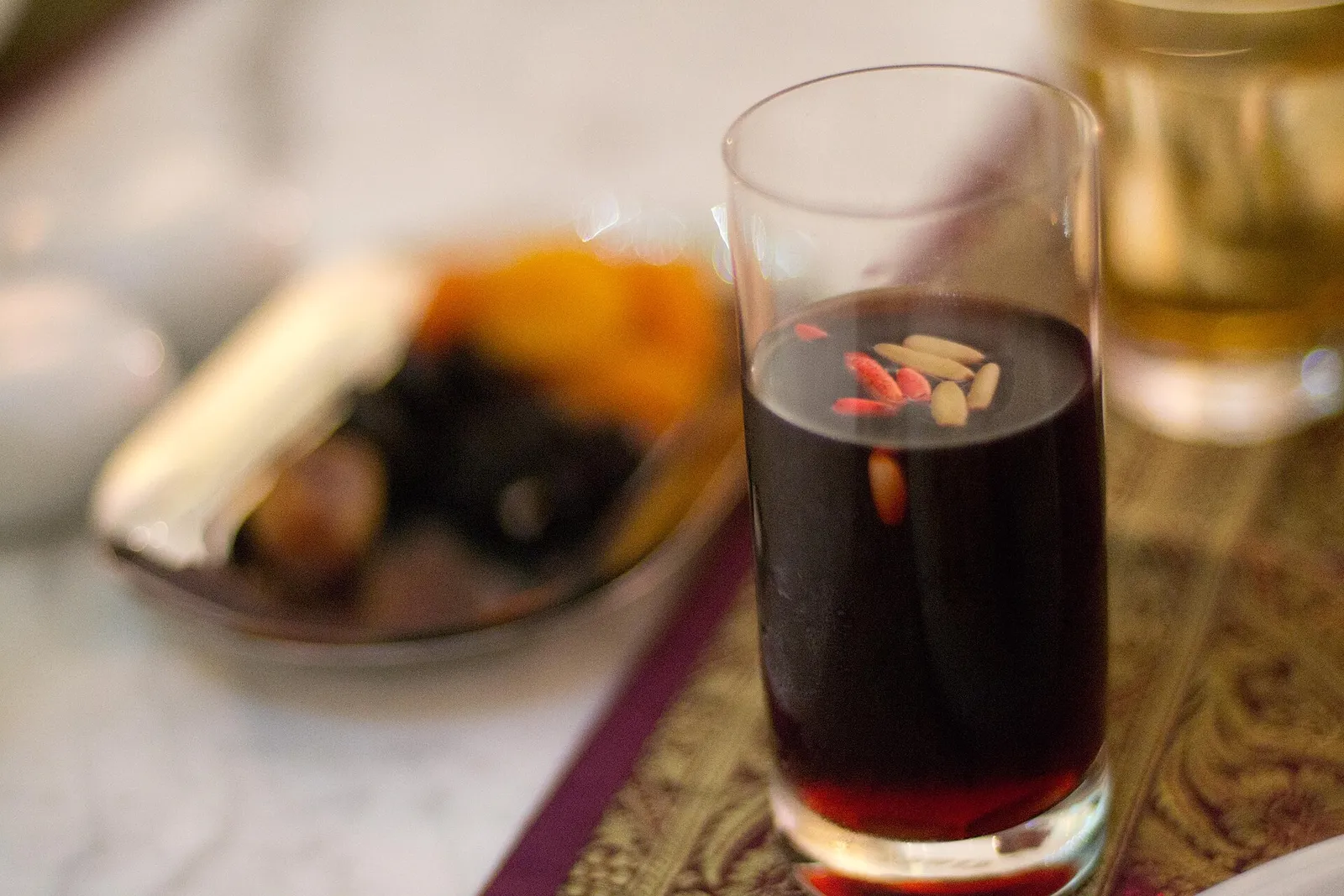
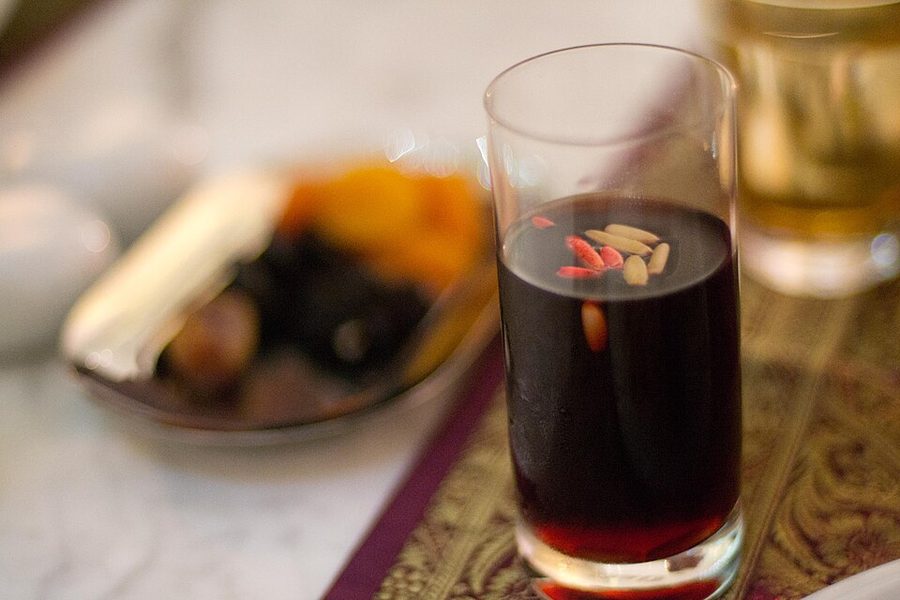
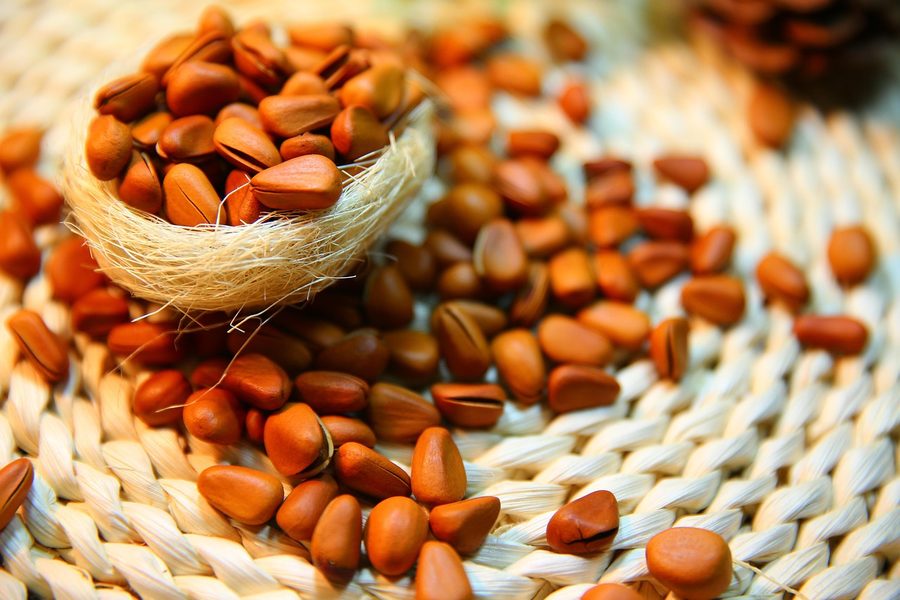
Jallab is the drink of Ramadan evenings across Lebanon and Syria: dark, sweet, fruity and faintly smoky, poured over crushed ice with pine nuts and golden raisins on top. The Arabic recipes disagree on the base. Some press raisins to a paste with grape molasses and rose water, others use date molasses or carob molasses, and some bottled jallab adds grenadine for colour. What they share is fruit molasses, rose water and smoke.
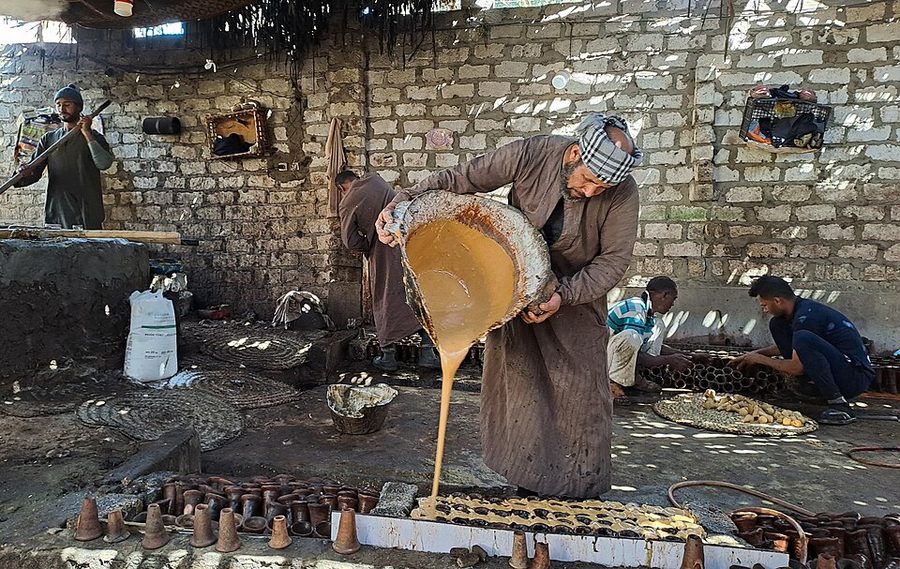
The smoke is what most English recipes skip, and it is what makes jallab taste like jallab rather than grape squash. The old way is to set burning incense (bakhour) on a dish over the syrup and cover it for hours. One Arabic recipe lights the tip of a cinnamon stick instead and seals it in the jar. Use the cinnamon: incense sold for burning is not sold as food.
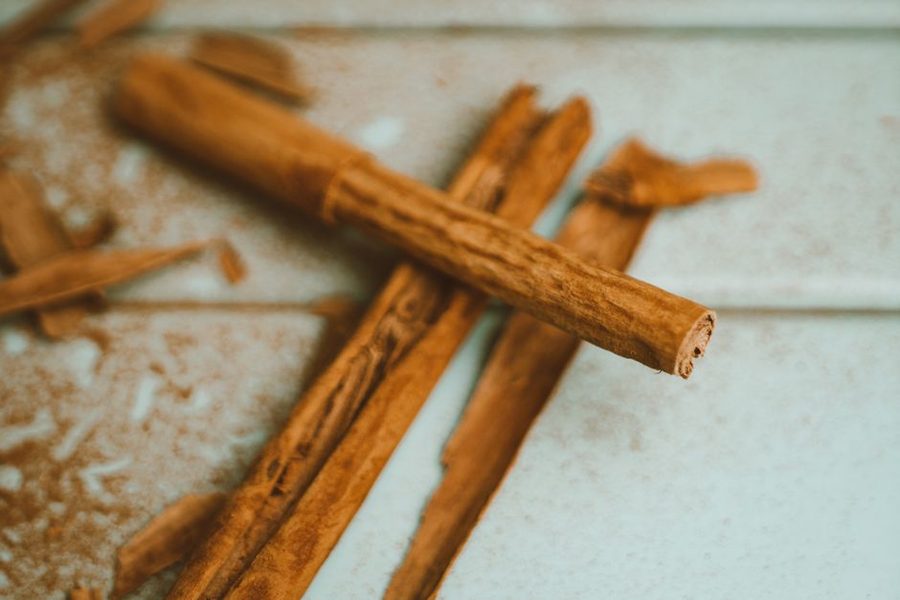
I use equal parts grape and date molasses. Grape alone is thin and sharp, date alone is heavy, and together they give the deep, almost winey sweetness of the bottled kind. For the glass, recipes run from one part syrup to four of water down to one in twelve for commercial concentrate, which is far stronger than anything made at home; start at one to four.
Makes about 500 ml, enough for 8–10 glasses. About 20 minutes, plus 30 minutes smoking and cooling.
Recipe card
Jallab syrup: about 500 ml · 20 minutes, plus coolingIngredients
- 150 g (¾ cup) sugar
- 250 ml (1 cup) water
- 125 ml (½ cup) grape molasses (dibs ‘inab)
- 125 ml (½ cup) date molasses (dibs tamr)
- 1 tsp lemon juice
- 2 tbsp rose water
- 1 cinnamon stick, for smoking
- To serve: sparkling water, crushed ice, pine nuts, and golden raisins soaked 30 minutes in cold water
Method
- Bring the sugar and water to a boil, stirring until the sugar dissolves, then simmer 5 minutes.
- Off the heat, whisk in both molasses while the syrup is hot, so they loosen and blend.
- Stir in the lemon juice, cool for 10 minutes, then add the rose water.
- Pour into a clean glass jar. Light one end of the cinnamon stick, blow it out so it smokes, drop it in and close the lid for 30 minutes. Remove the stick.
- For each glass: 50 ml (3½ tbsp) syrup, crushed ice, then about 200 ml sparkling water poured slowly down the side. Stir once and scatter over pine nuts and drained raisins.
Sharab el ward, rose and lemon
Rose syrup (شراب الورد) is the simplest drink here and the one most easily ruined by a heavy hand. The Arabic recipes agree on sugar, water, lemon and rose water and disagree on proportions: a Saudi version uses two cups of sugar to one of water, a Lebanese one equal sugar and water, and a Palestinian one replaces the water with rose water entirely. I use two to one, because a rich syrup keeps for weeks and you need less per glass.
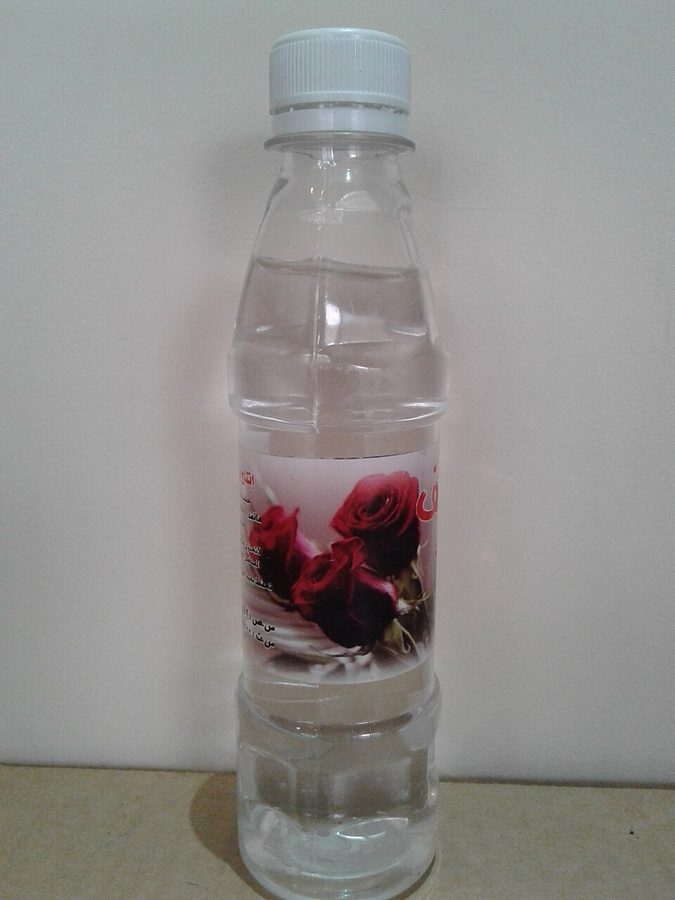
Several recipes boil the rose water for a couple of minutes. Don’t. Stir it in once the syrup has cooled a little and the drink tastes of flowers, not of sugar with a rumour of flowers. Red food colouring is traditional and does nothing for the taste.
Makes about 650 ml, enough for 15–20 glasses. 15 minutes.
Recipe card 2
Ingredients
- 400 g (2 cups) sugar
- 250 ml (1 cup) water
- 60 ml (¼ cup) lemon juice
- 125 ml (½ cup) rose water
- 1–2 drops red food colouring (optional)
Method
- Bring the sugar and water to a boil, stirring until clear.
- Add the lemon juice and simmer 5 minutes.
- Off the heat, wait 5 minutes, then stir in the rose water and the colouring, if using.
- Cool and bottle. For a glass: 30–40 ml (2–2½ tbsp) syrup, ice and 200 ml sparkling water, with a few pine nuts on top.
Mint lemonade, and where “limonana” comes from
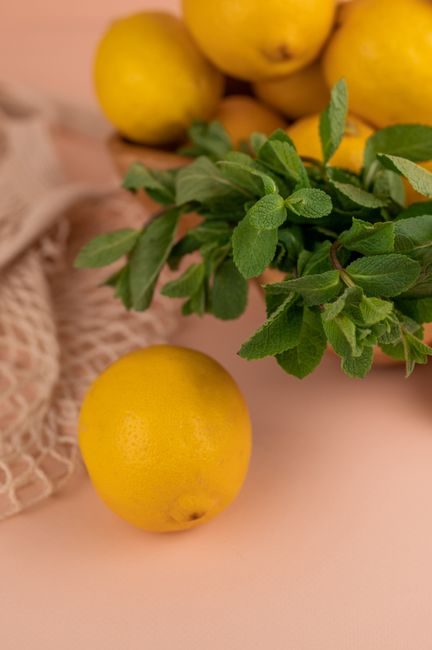
The mint lemonade of Beirut cafés is usually blended to a pale green slush with ice and the leaves. Menus call it laymoun bil na’na’ (ليمون بالنعناع), lemon with mint. Sold in English it is often “limonana”, a Hebrew word, limon plus nana, coined for an Israeli advertising campaign in which celebrities promoted a drink that turned out not to exist. The drink is far older than the name: a mint lemonade of sugar, lemon juice, mint and water appears in the 13th-century Andalusian pharmacopoeia of Ibn al-Baytar.
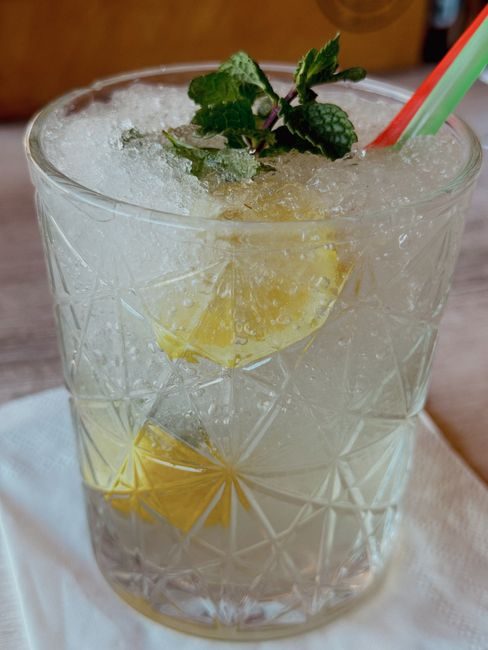
For a soda maker the blended version is a mistake. The leaf particles foam over, and the mint turns grey-brown by the second glass. A typical Arabic recipe uses a cup of lemon juice and half a cup of sugar to half a cup of mint and three or four cups of water; the syrup below keeps that balance of lemon to sugar and steeps the mint instead.
Makes about 500 ml, enough for 6 tall glasses. 10 minutes, plus 15 minutes steeping.
Recipe card 3
Ingredients
- 150 g (¾ cup) sugar
- 150 ml (⅔ cup) water
- About 30 g (1 packed cup) mint leaves and tender stems
- 250 ml (1 cup) fresh lemon juice, strained
- Pared zest of 1 lemon (optional)
Method
- Bring the sugar and water to a boil and stir until clear.
- Off the heat, add the mint and zest, push them under, cover and steep 15 minutes.
- Strain, pressing the leaves hard, and cool.
- Stir in the lemon juice and refrigerate. For a glass: 80 ml (⅓ cup) syrup, ice, a sprig of mint and 200 ml sparkling water.
Tamarind: tamr hindi in Damascus, sampalok in Cebu
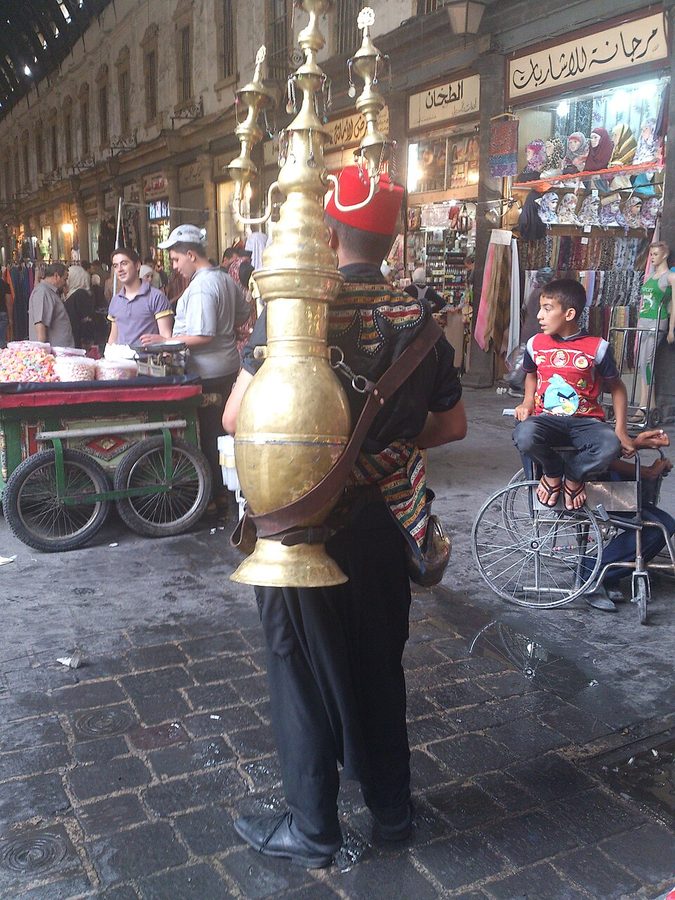
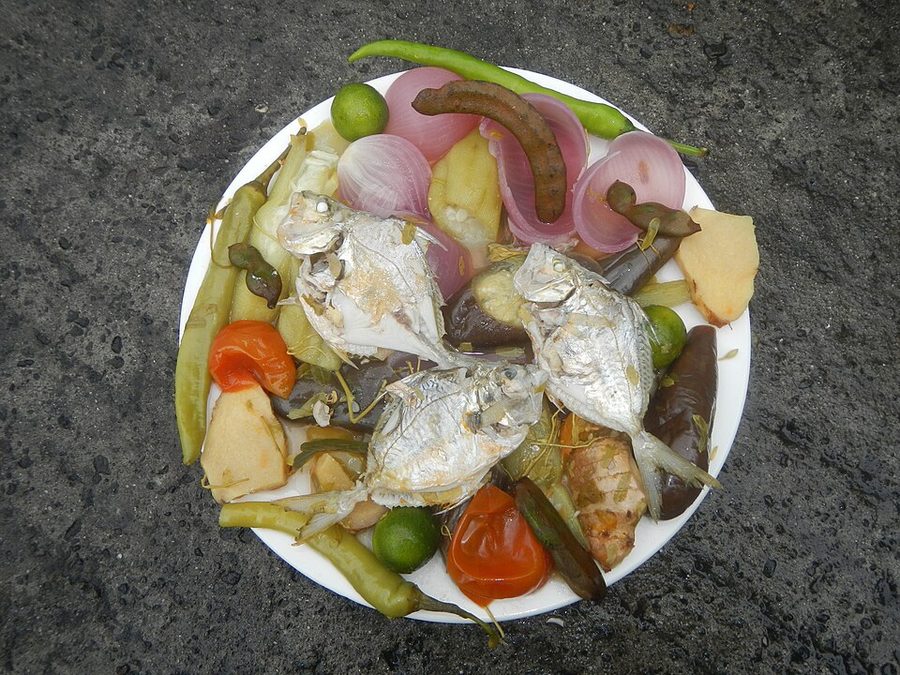
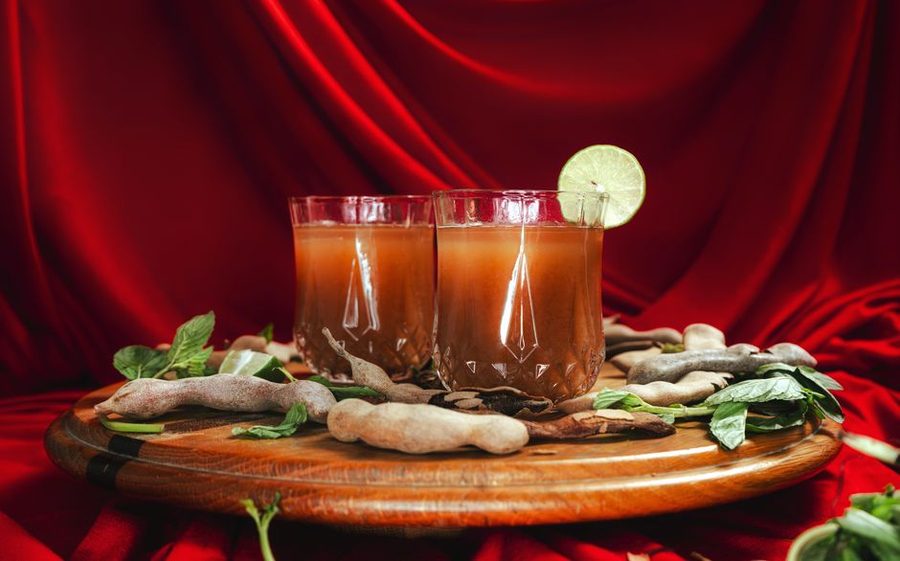
The English word tamarind comes from the Arabic tamr hindi (تمر هندي), “Indian date”, and in the Levant it is still a drink first, sold during Ramadan from brass jugs carried through the souks. In the Philippines the same fruit is sampalok, known first as the sour in sinigang. As a syrup it gives a sweet-sour, faintly prune-like soda that no citrus can match.
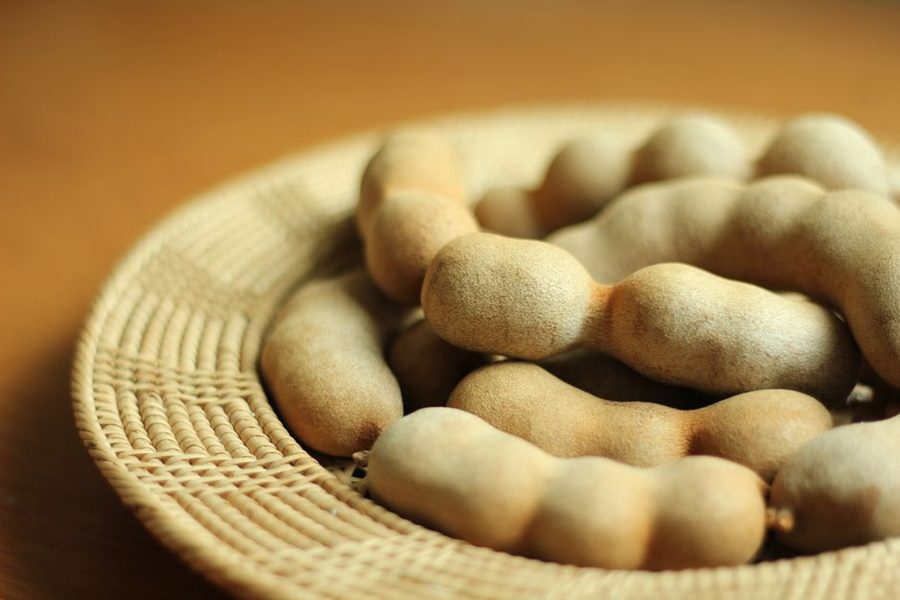
Buy the pulp in a block, not as a concentrate. The block is pressed fruit, sometimes with seeds and fibres, and soaking and straining it is the whole recipe. The Arabic recipes simmer it 10 to 15 minutes and soak it, one for two hours; a Los Angeles Times recipe simmers 10 minutes and rests it for 30. Thirty is enough if you press hard through the sieve.
Makes about 700 ml, enough for 10–12 glasses. 20 minutes, plus 30 minutes soaking.
Recipe card 4
Ingredients
- 200 g (7 oz) tamarind pulp, from a block
- 750 ml (3 cups) water
- 200 g (1 cup) sugar, white or light brown
- 1 tbsp rose water (optional, the Levantine way)
Method
- Break up the tamarind and simmer with 500 ml (2 cups) of the water for 10 minutes, stirring.
- Off the heat, cover and soak 30 minutes.
- Press through a sieve, scraping the underside; pour the remaining water over the pulp in the sieve and press again. Discard seeds and fibres.
- Strain again through a cloth, return to the pan with the sugar and warm, stirring, until dissolved. Cool and add the rose water, if using.
- For a glass: 60 ml (¼ cup) syrup, ice, a squeeze of lime or calamansi and 200 ml sparkling water.
Calamansi cordial
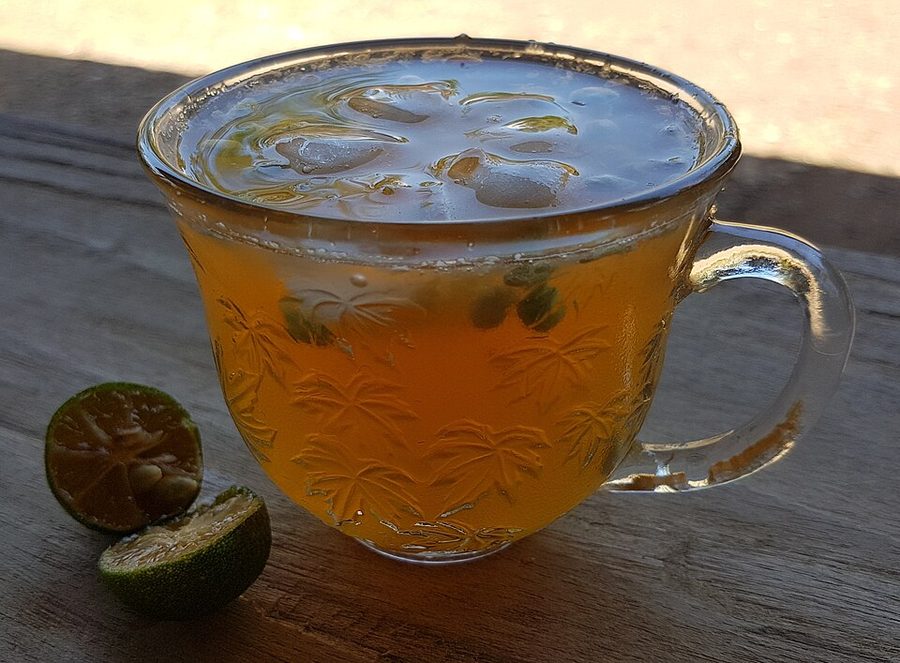
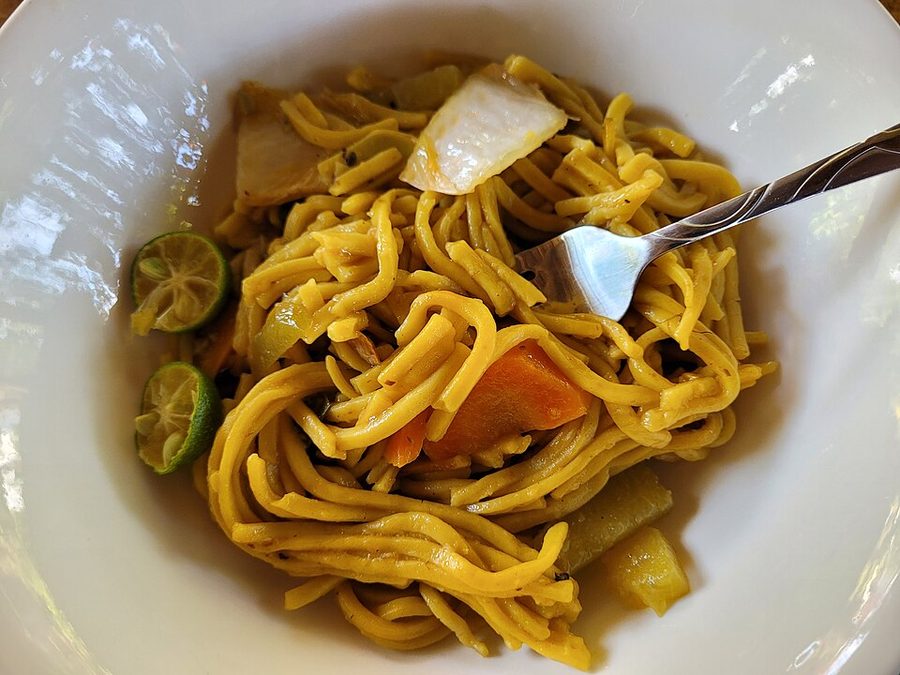
Calamansi (Citrus × microcarpa), kalamansi or kalamunding in Tagalog, is the Philippine kitchen’s lime: squeezed over pancit, stirred into soy sauce for dipping, and drunk sweetened over ice as kalamansi palamig, known in Tagalog as limonada ng Pilipinas, the lemonade of the Philippines. It is the easiest syrup here to get right, and the one that most needs to stay uncooked.
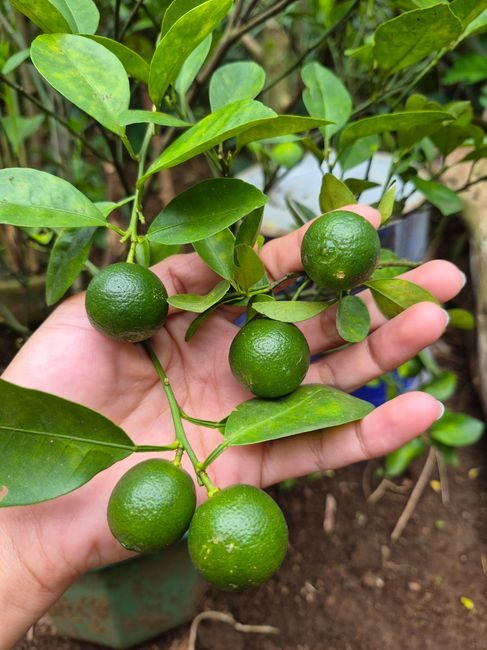
Cooking calamansi juice kills its floral top note, the thing that makes it different from lime. Recipes for shelf-stable concentrate heat the juice to 75°C (167°F) for 5 minutes and bottle it hot, which is right for a pantry and wrong for flavour. For the fridge, make a plain syrup, let it go cold and stir in the raw juice. Squeeze the halves through a strainer and keep the seeds out, as they turn the juice bitter.
Makes about 500 ml, enough for 10 glasses. 10 minutes, plus cooling.
Recipe card 5
Ingredients
- 200 g (1 cup) sugar
- 125 ml (½ cup) water
- 250 ml (1 cup) strained calamansi juice
- A strip of calamansi or lime peel (optional)
Method
- Bring the sugar and water to a boil, stirring until clear, and boil 1 minute. Add the peel, if using.
- Cool completely, remove the peel and stir in the calamansi juice.
- Bottle and refrigerate. For a glass: 50 ml (3½ tbsp) cordial, ice, two calamansi halves and 200 ml sparkling water.
Pandan syrup
Pandan (Pandanus amaryllifolius) smells of vanilla, cut hay and steamed rice at once, and it scents many Filipino cold sweets, from buko pandan to the brown-sugar syrup in sago’t gulaman. As a soda syrup it is gentle and a little strange, a green drink that tastes sweet before it tastes of anything, and it wants a squeeze of calamansi for an edge.
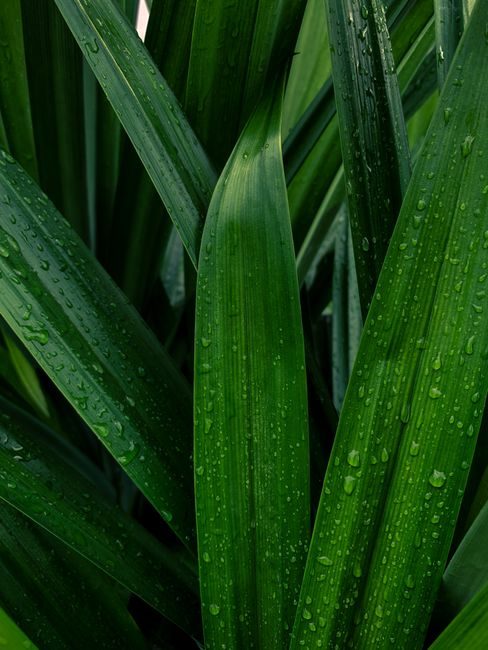
The recipes split two ways. Knotting whole leaves and simmering them in syrup gives aroma but little colour; one recipe boils six leaves in a litre of water for 10 minutes. Blending ten to fifteen cut leaves with two cups of water and straining gives a bright green juice that is then cooked with sugar. I blend, because the flavour is stronger and the syrup looks like what it is.
Makes about 400 ml, enough for 8–10 glasses. 20 minutes.
Recipe card 6
Ingredients
- 10–12 fresh or thawed pandan leaves
- 250 ml (1 cup) water
- 200 g (1 cup) sugar
Method
- Rinse the leaves, cut into 2 cm (1 in) pieces and blend with the water until fine.
- Strain through a cloth, squeezing hard.
- Warm the green juice with the sugar over low heat, stirring until dissolved, then let it bubble gently 3–4 minutes, no more, or the colour dulls.
- Cool and bottle. For a glass: 40 ml (2½ tbsp) syrup, ice, a squeeze of calamansi and 200 ml sparkling water.
Sago’t gulaman as a long soda
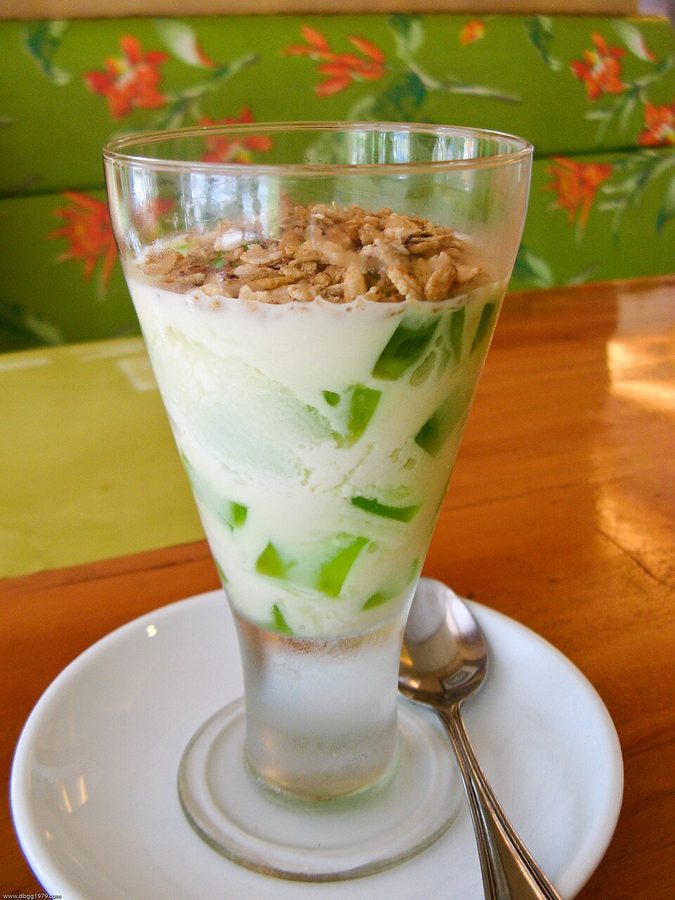
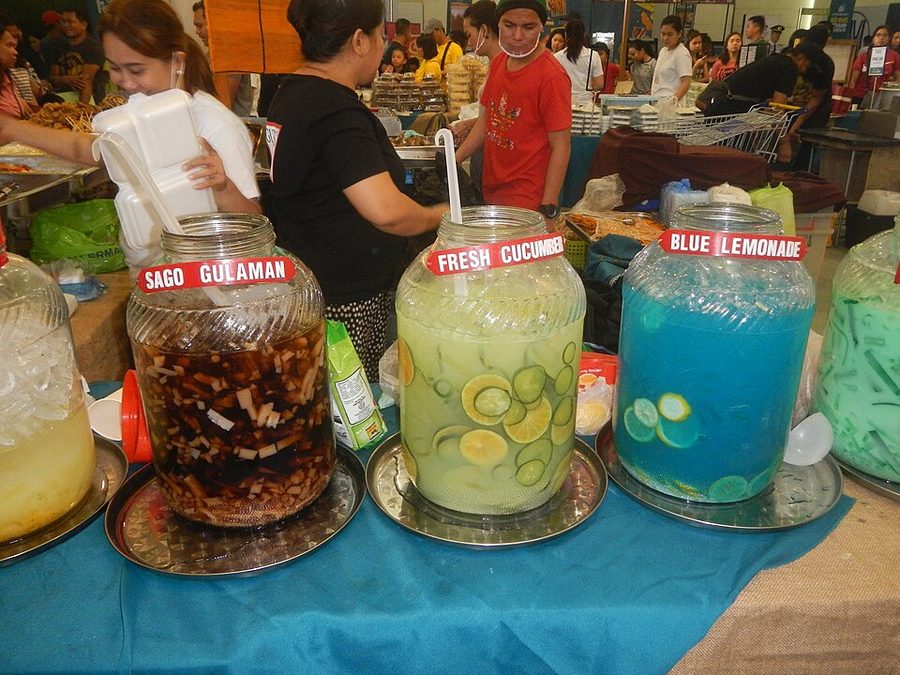
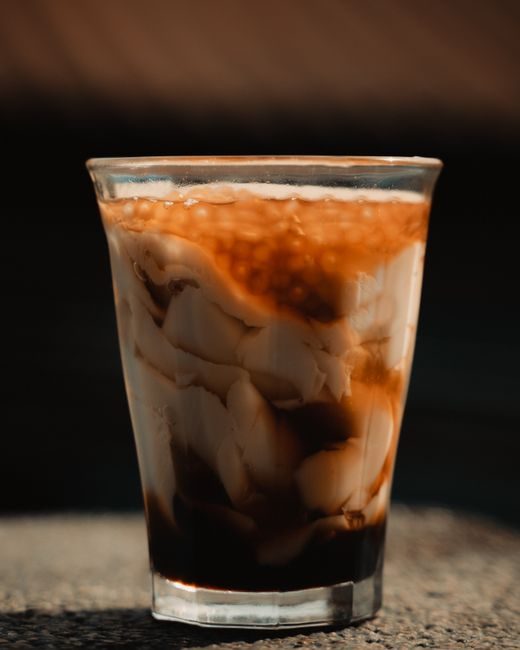
Sago’t gulaman is the commonest samalamig, the cold drinks sold from big jars at Philippine street stalls, and its name lists what is in it: sago, tapioca pearls, and gulaman, agar jelly, in water sweetened with dark brown sugar and scented with pandan, vanilla or banana. Samalamig itself probably comes from the sellers’ call, “sa malamig”, over here where it’s cold. With sparkling water, the brown sugar turns into something close to a cream soda with things to chew.
Pearls and jelly cubes are perfect bubble-starters, so build every glass by hand. The recipes agree on the arnibal, equal brown sugar and water cooked until it thickens, with knotted pandan if you have it. One street-style recipe sets 25 g of gulaman powder with three cups of water and half a cup of brown sugar, and assembles the drink at about 3 tablespoons of syrup to a cup of water.
Serves 6. About 1 hour, plus 1 hour for the gulaman to set.
For the arnibal
- 200 g (1 packed cup) dark brown or muscovado sugar
- 250 ml (1 cup) water
- 2 pandan leaves, knotted, or ½ tsp vanilla extract
For the sago and gulaman
- 75 g (½ cup) small dried sago pearls
- 25 g gulaman (agar) powder
- 750 ml (3 cups) water
- 100 g (½ cup) brown sugar
Method
- For the arnibal, boil the sugar, water and pandan, stirring, then simmer 7–10 minutes until it coats a spoon. Remove the pandan (or add the vanilla off the heat) and cool.
- For the gulaman, whisk the powder into the cold water, bring to a boil stirring constantly, add the sugar and stir until dissolved. Pour into a shallow dish, leave to set, chill and cut into 1 cm (½ in) cubes.
- For the sago, boil 1 litre (4 cups) of water, add the pearls and boil 8 minutes, then lower the heat and cook until translucent. Rinse in cold water and keep in a little arnibal so they don’t stick.
- For a glass: 2 tbsp sago, 3 tbsp gulaman cubes and 45 ml (3 tbsp) arnibal, then ice, then about 200 ml sparkling water poured slowly down the side. Serve with a wide straw.
Arak, Tanduay and the alcohol-free versions
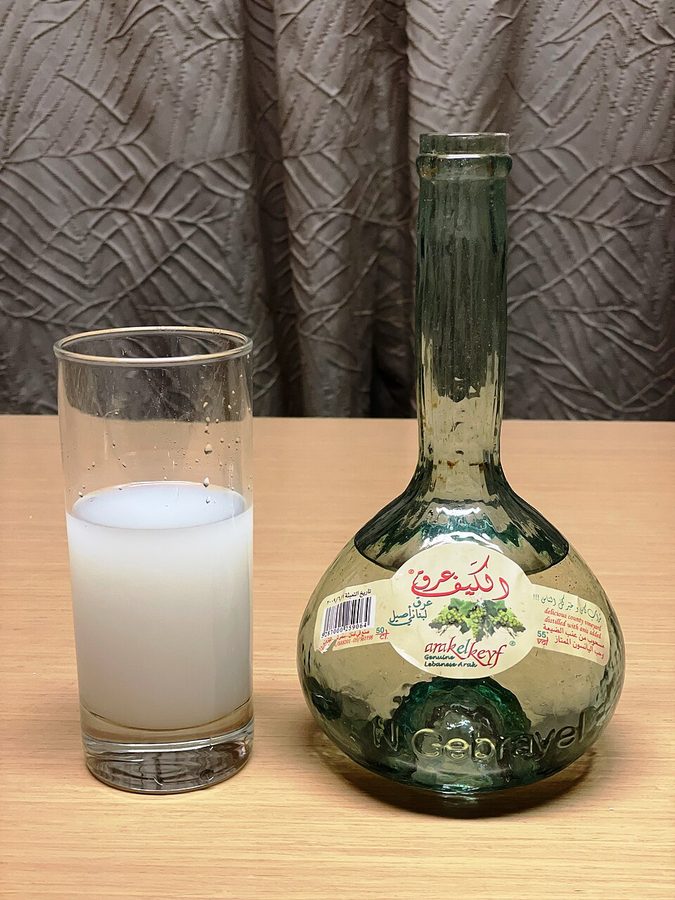
Lebanese arak is grape spirit distilled with aniseed and drunk at the table with mezze, from raw kibbeh to grilled meat. The usual mix is one-third arak to two-thirds water, water first and ice last, and the water turns the clear spirit milky as the anise oils come out of solution. Sparkling water does the same with more lift.
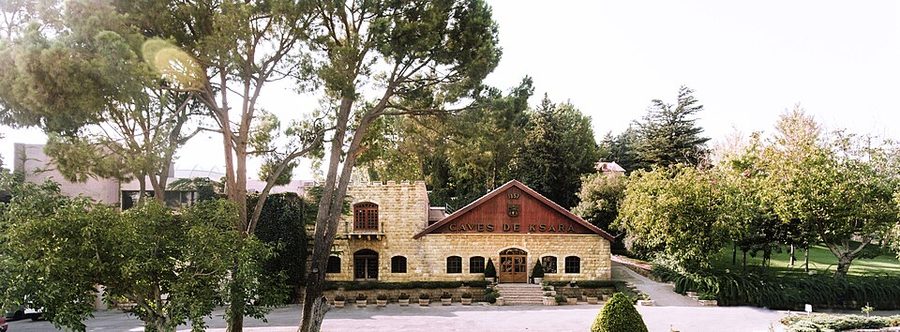
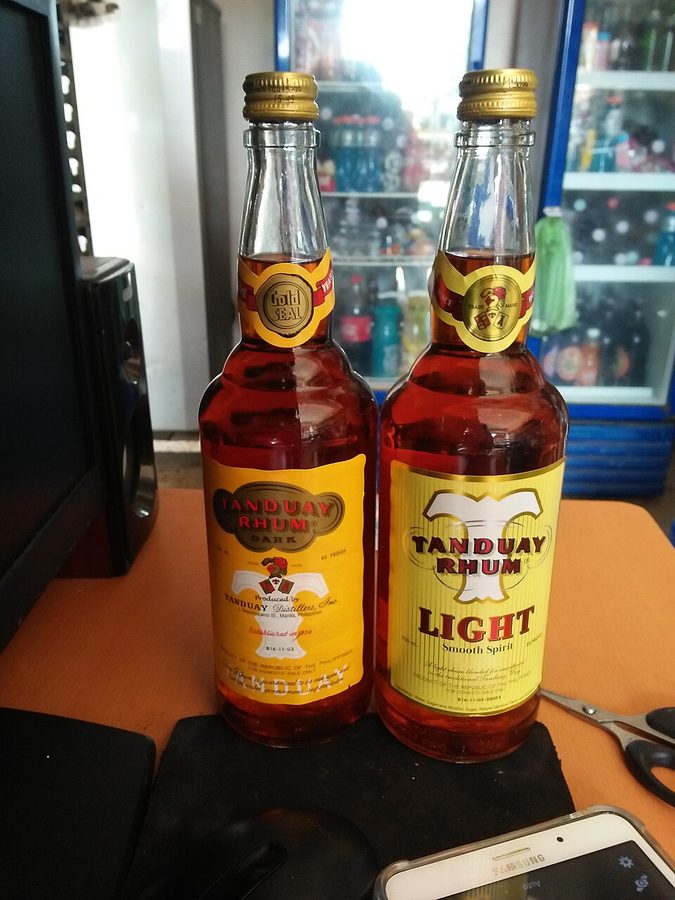
Tanduay, the Manila rum house that dates itself to 1854, makes the Philippines’ everyday spirit, the bottle on the table at a lechon or beside a grill stall selling adidas, chicken feet on a stick. The drinks below start from SodaStream’s own one part syrup to two of spirit, with less water than its ten parts, because market syrups are weaker than its mixers.
Arak with rose and lemon
- 45 ml (1½ fl oz) arak
- 20 ml (4 tsp) rose and lemon syrup
- 120 ml (½ cup) cold sparkling water
- Ice and a strip of lemon peel
Pour the arak and syrup into a tall glass, add the sparkling water slowly and watch it cloud, then add ice and the peel. Without the arak: double the syrup, add three drops of orange-blossom water and top with soda.
Tanduay calamansi highball
- 50 ml (1¾ fl oz) light Tanduay rum
- 30 ml (2 tbsp) calamansi cordial
- 120 ml (½ cup) cold sparkling water
- Ice and two calamansi halves
Build over ice in a highball glass: rum, cordial, a calamansi half squeezed in, then the soda. Stir once. Without the rum: 50 ml cordial and 15 ml (1 tbsp) pandan syrup, topped with soda, which is the drink I make most.
Tanduay tamarind long drink
- 45 ml (1½ fl oz) dark Tanduay rhum
- 40 ml (2½ tbsp) tamarind syrup
- A squeeze of calamansi or lime
- 150 ml (⅔ cup) cold sparkling water, and ice
Shake the rum, syrup and citrus with ice, strain into a tall glass over fresh ice and top with soda. The tamarind does the job bitters do in a rum and soda. Without the rum: 60 ml tamarind syrup, calamansi, a few drops of rose water and soda.
Buying the ingredients: what the label should say
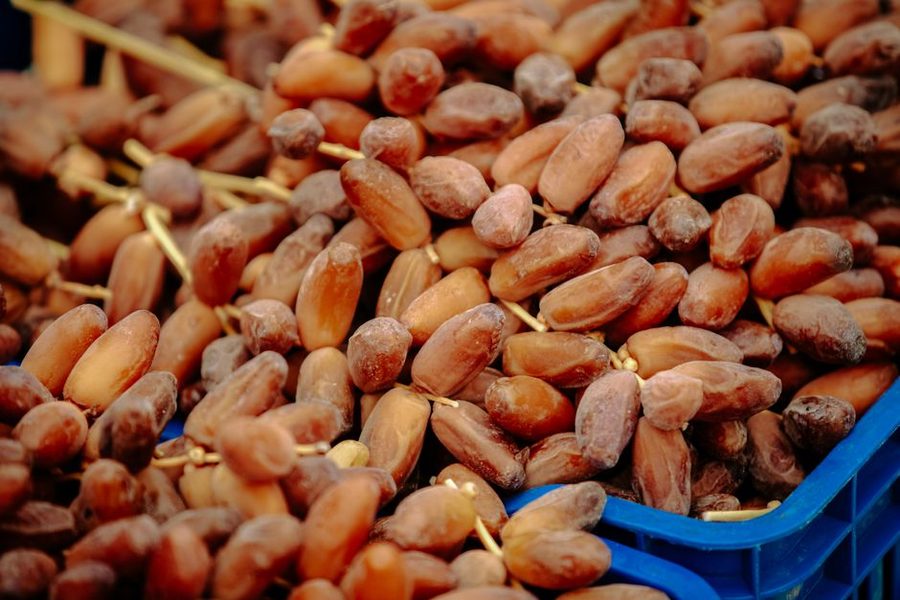
Grape molasses (dibs ‘inab, دبس العنب) should list grapes and nothing else; Turkish shops sell the same thing as pekmez. Glucose syrup or added sugar near the top means a thinner, flatter product. Date molasses (dibs tamr), also sold as date syrup or silan, should be dates only. Carob molasses (dibs kharroub) is the third option for jallab, and the most bitter.
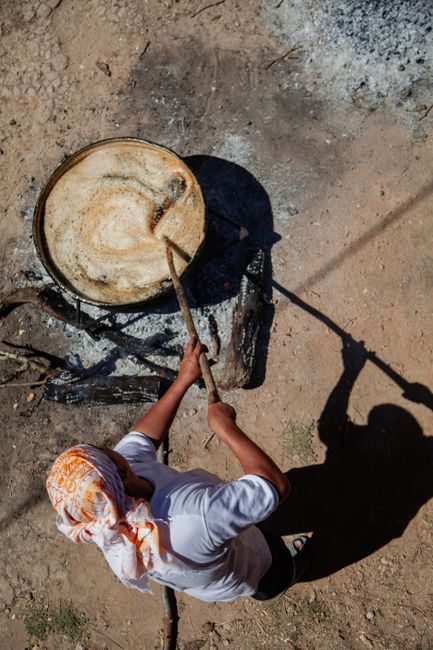
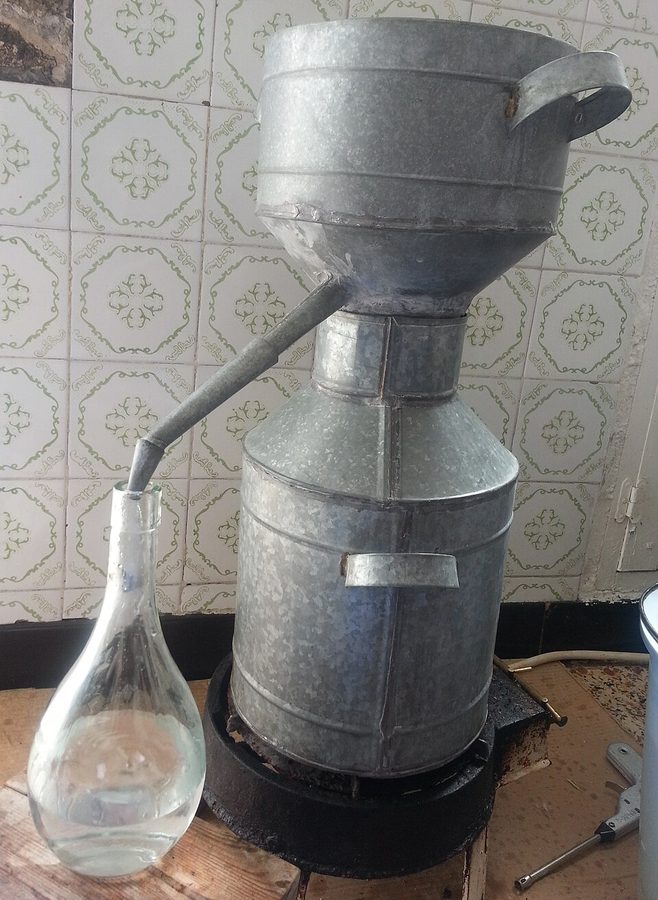
Rose water (ma’ al-ward, ماء الورد) and orange-blossom water (ma’ al-zahr, ماء الزهر) are distilled from petals and blossoms, and the label should say so. Anything sold as “essence” or “flavour”, usually in a small bottle, is many times stronger and is measured in drops. Buy flower waters in small bottles and keep them in the dark, as the scent fades once they are opened.
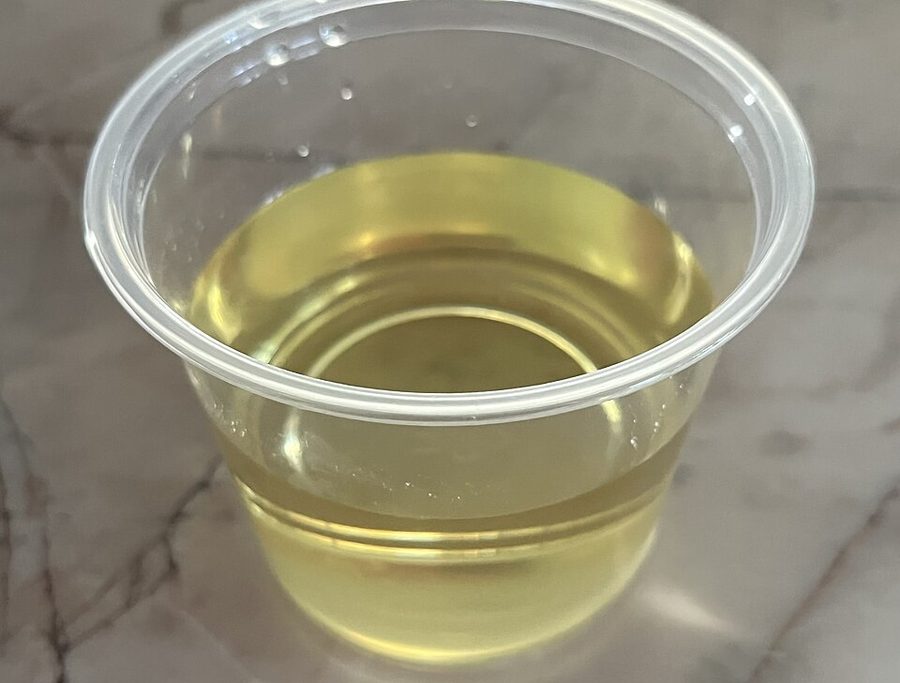
Calamansi concentrate comes in two kinds that look alike on the shelf. “100% calamansi juice” is what it says; “calamansi drink” or “calamansi flavoured” usually lists water and sugar before the fruit. Frozen juice beats both. Tamarind is best as a block of pulp, since jars of concentrate or paste vary hugely in strength.
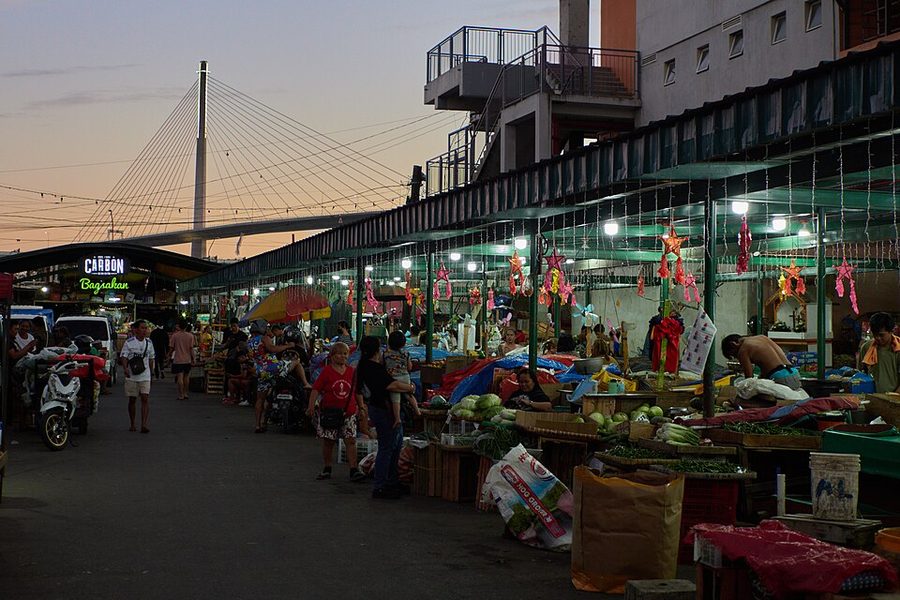
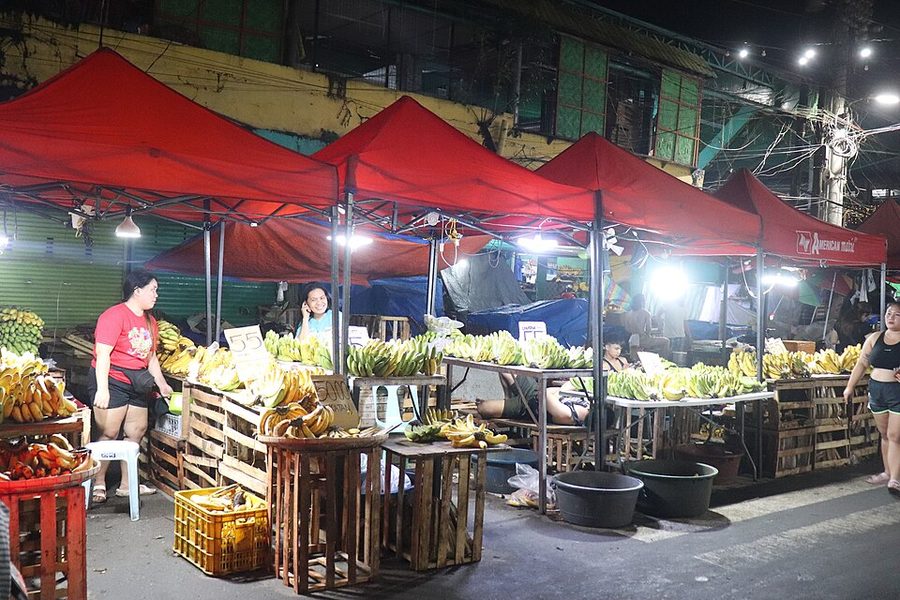
In Beirut, the place to buy molasses and flower waters from the people who make them is Souk el Tayeb, the farmers’ market that began in 2004. In Cebu, Carbon Market on M.C. Briones Street is the stop for calamansi, sampalok and pandan. It is mid-redevelopment, and in 2026 its vendors were trading through the works, with the main building due to open in December.
Sealed molasses, flower waters and concentrates are liquids, so they fly in the hold, and packing them to survive the baggage belt matters more than anything customs will ask. For the United States, CBP requires travellers to declare all fruits, plants and plant products, and an undeclared prohibited item can cost up to US$1,000 for a first offence. Fresh calamansi, pandan and tamarind pods are the likeliest to be stopped; declare the sealed jars too.
Keeping homemade syrups
SodaStream gives its own syrups a shelf life of 14 months unopened. Once open, its classic and Pepsi syrups stay at room temperature, while the organic Soda Press flavours and bubly drops go in the fridge and should be finished within six weeks. Homemade syrups have no preservatives and need more care than either.
Sugar is the preservative, so the richer the syrup, the longer it lasts. The rule most bars work to is about two weeks in the fridge for a one-to-one syrup and about four for two-to-one. That puts the rose syrup, the arnibal and the molasses-heavy jallab at around a month, and the raw-juice syrups, mint lemonade and calamansi, at their best in the first week and finished in two.
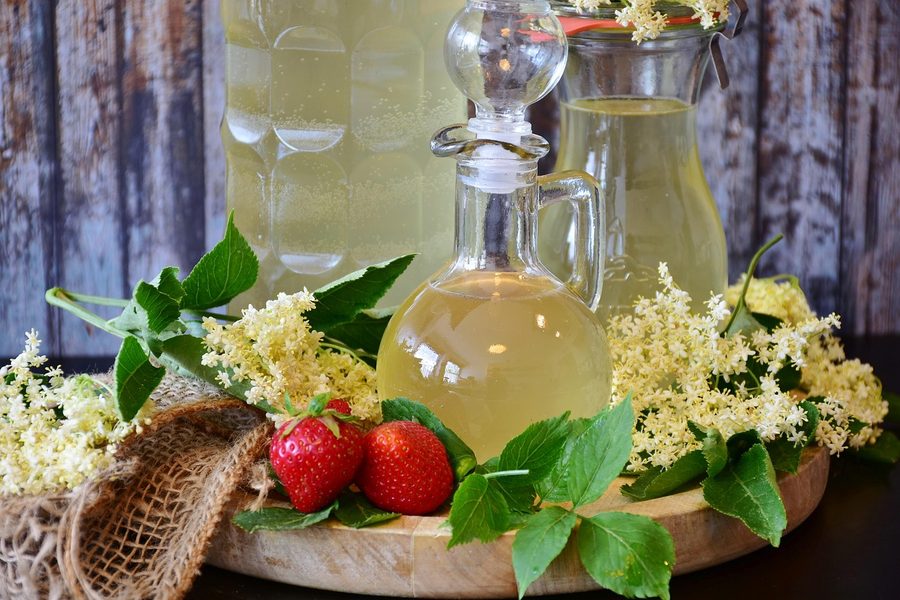
- Bottles: glass, washed in very hot soapy water or boiled for 10 minutes, filled to the neck and closed tight.
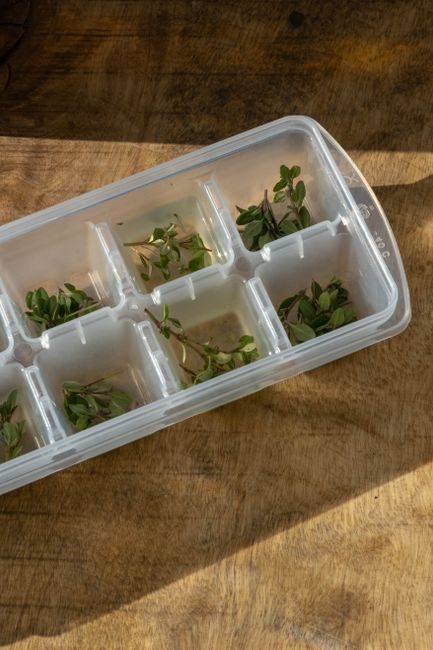
- Freezing: the juice-based syrups freeze well in ice-cube trays; two cubes make a glass.
- When to throw it out: bubbles forming in the bottle on their own, a yeasty or winey smell, new cloudiness, or any mould. Fermentation in a syrup bottle is not a bonus fizz.
Make one syrup, not seven, and make it the jallab. A jar of it, a litre of water carbonated as cold as your fridge allows, a glass of crushed ice and a few pine nuts riding the foam: the same glass a Beirut juice seller hands over on a Ramadan evening, with the bubbles added at home.