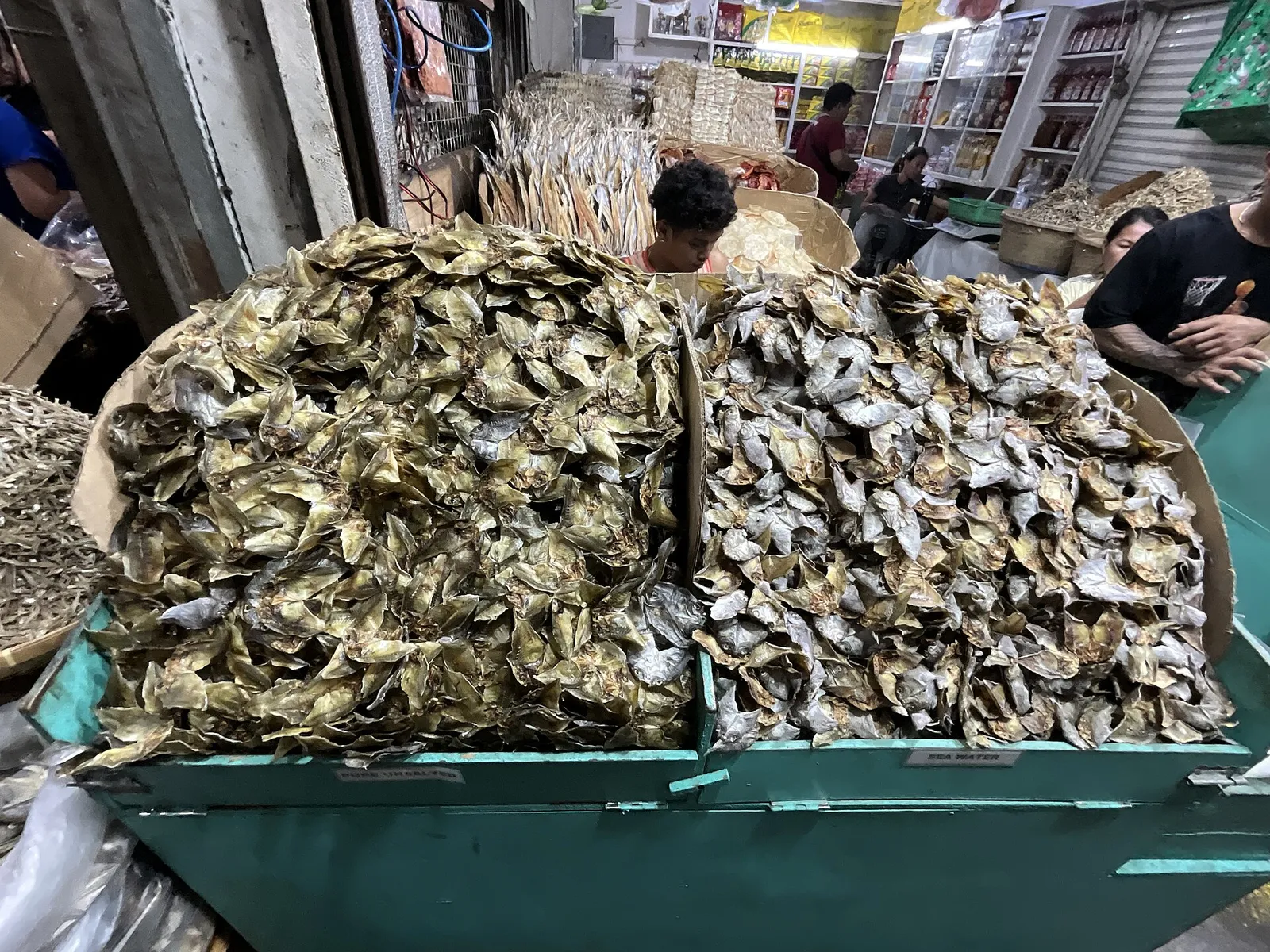
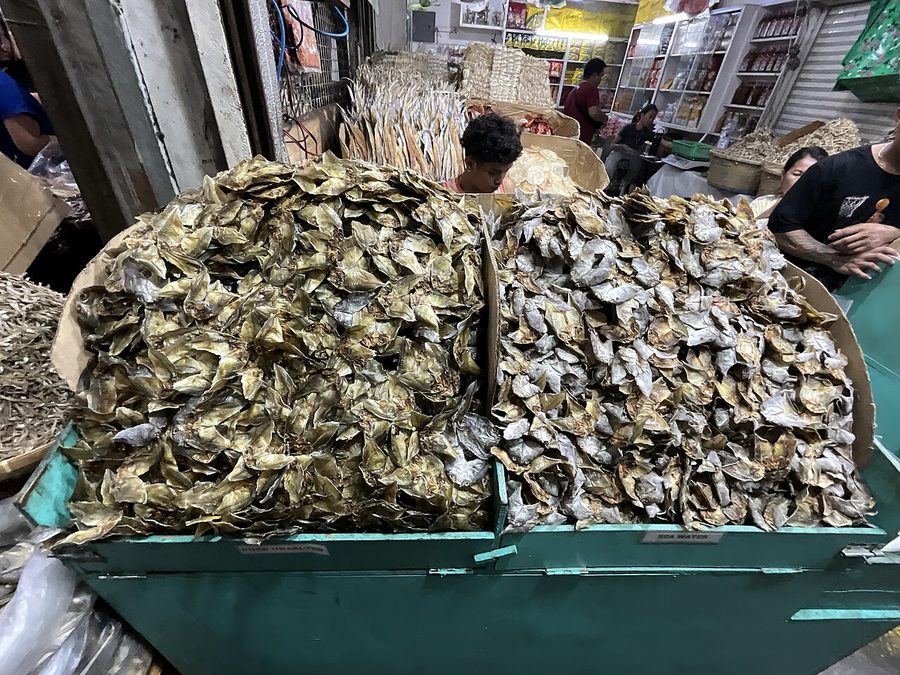
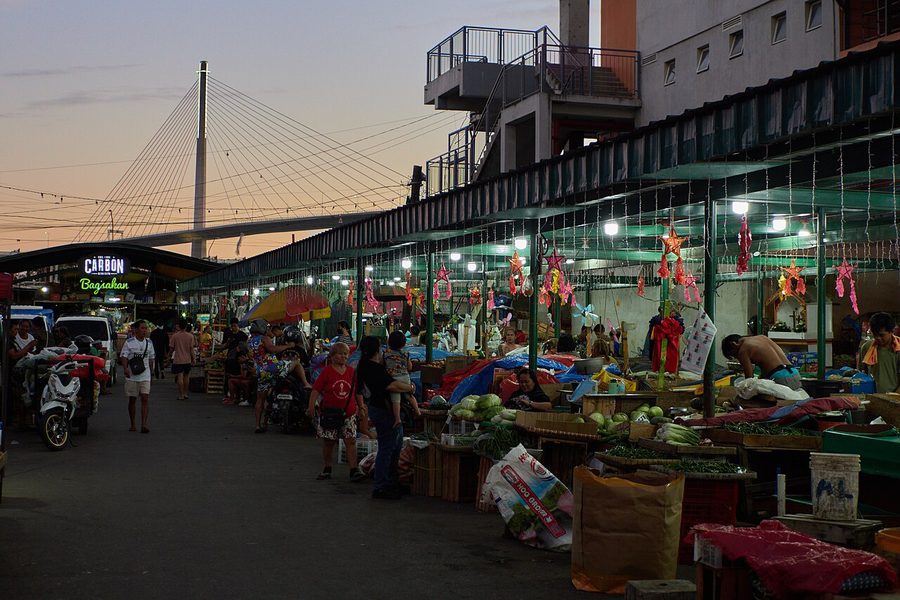
At Taboan, the dried-fish market in Cebu City, the danggit comes off the heap by the kilo, gets tipped into a plastic bag, knotted and handed over. Ask for a second bag and a box and you will usually get both; the stalls are used to packing for people with a flight to catch. The fish is light, it keeps for weeks and it fries in two minutes. It also smells like a fishing boat, and it will make every shirt in your case smell the same way unless it is packed with some care.
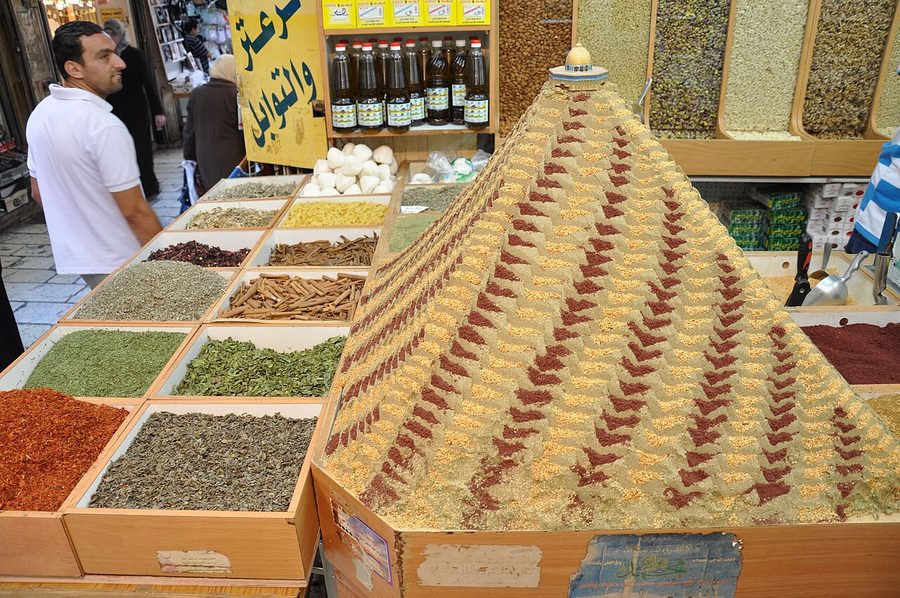
Beirut has its own version of that moment. The za’atar comes scooped from an open sack, the pomegranate molasses comes in a glass bottle and the orange blossom water in a thinner one, and all three have to survive a baggage belt, an X-ray and a border officer before they reach your kitchen. Glass breaks, oil seeps through a twist cap, and an undeclared bag of pork crackling can cost more than the flight.
None of it is hard, and most of it is settled long before the airport: at the stall, when you ask for the second bag, and in the hotel room the night before, when the caps get taped. Get that part right and the danggit is in your frying pan the morning after you land.
Contents 8 parts
The Cebu and Manila shopping list
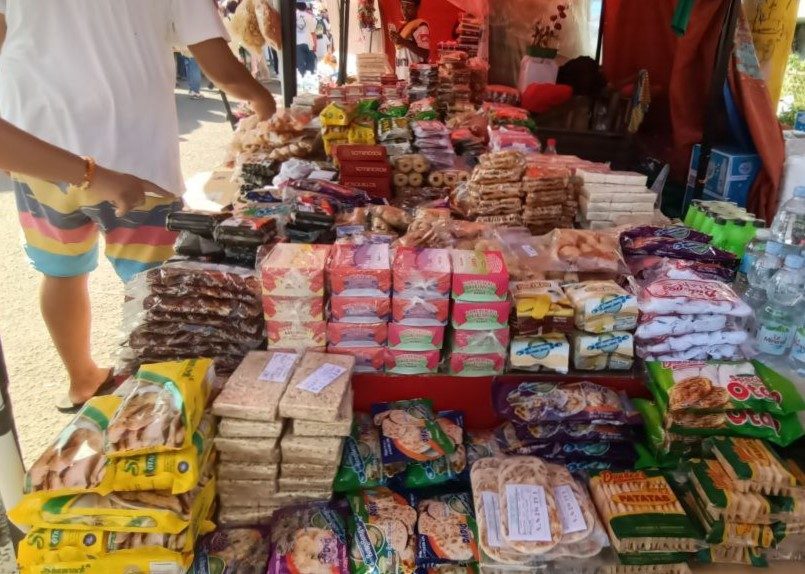
Filipinos have a word for food carried home from a trip: pasalubong, from salubong, the act of meeting someone on their return. Anyone flying out of Cebu or Manila is expected to land with some, and the trade has shaped itself around travellers. Most of it comes sealed, labelled and sized for a suitcase. The best of Cebu’s food has to be eaten where it is cooked; what follows is the part that keeps.
Dried mangoes
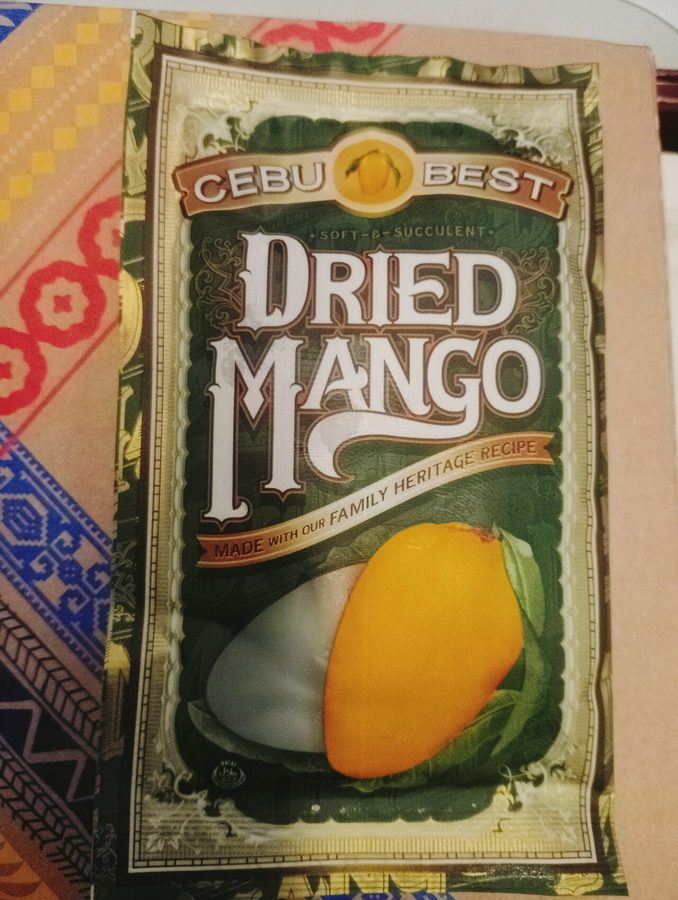
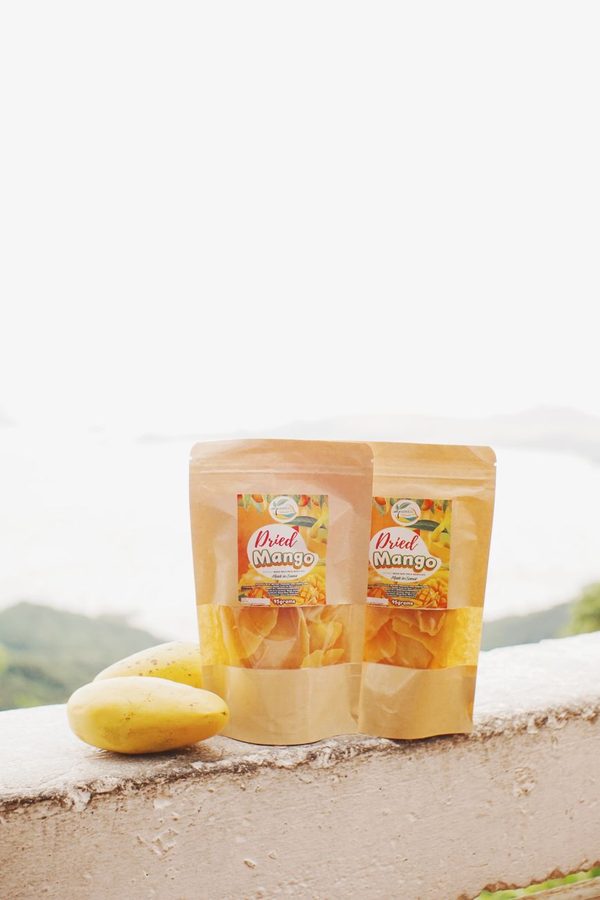
Cebu’s dried mango is the one pasalubong nobody needs to be told about. The best-known brand, 7D, is made in Mandaue City on the edge of Cebu City and was marking 40 years in business in 2026. It comes in packs from 70 g to 200 g, and supermarkets in the city stock it alongside the market stalls.
Buy the sealed packs, not the loose slices some market stalls weigh out. The sealed pack keeps the fruit soft for months, it reads clearly on an X-ray and it carries the label a customs officer wants to see. Loose dried mango sweats in a humid case and arrives sticky.
Danggit and the rest of Taboan
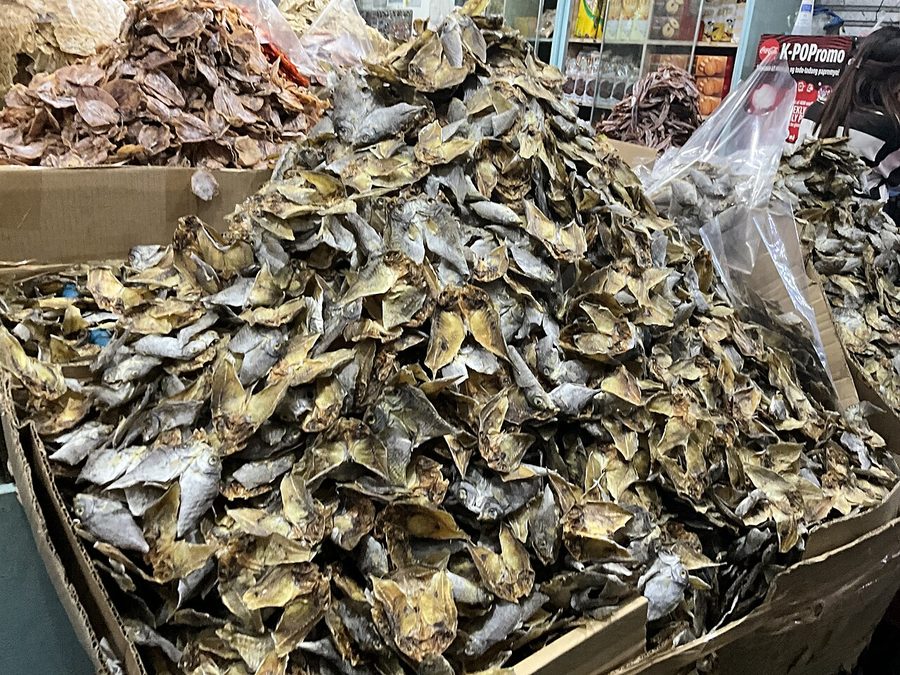
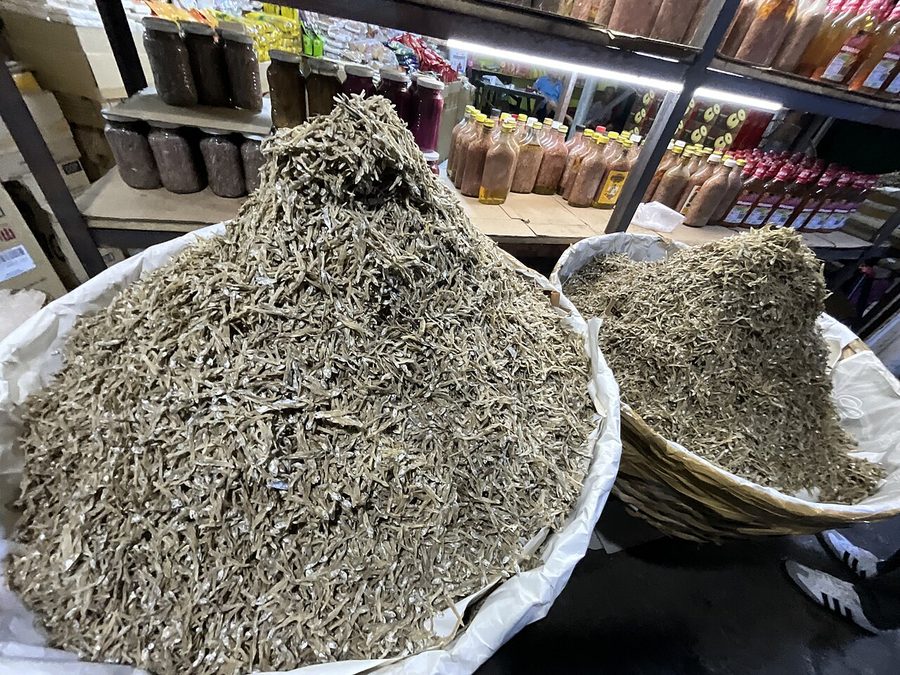
Danggit is rabbitfish, split open, salted and dried flat in the sun until it looks like a leaf. It is Cebu’s breakfast fish, fried hard and eaten with garlic rice and a dip of spiced vinegar. Taboan Public Market in the San Nicolas district of Cebu City is where it is sold in bulk, alongside dried squid (pusit), anchovies (dilis) and a dozen other fish.
Prices run per kilo or per 100 g pack. Boneless danggit from Bantayan Island, off the northern tip of Cebu, was being sold in 100 g packs at ₱160 in October 2026. The boneless kind costs more and is worth it for travel: no spines to pierce the bag, and less weight in your allowance.
Chicharon from Carcar
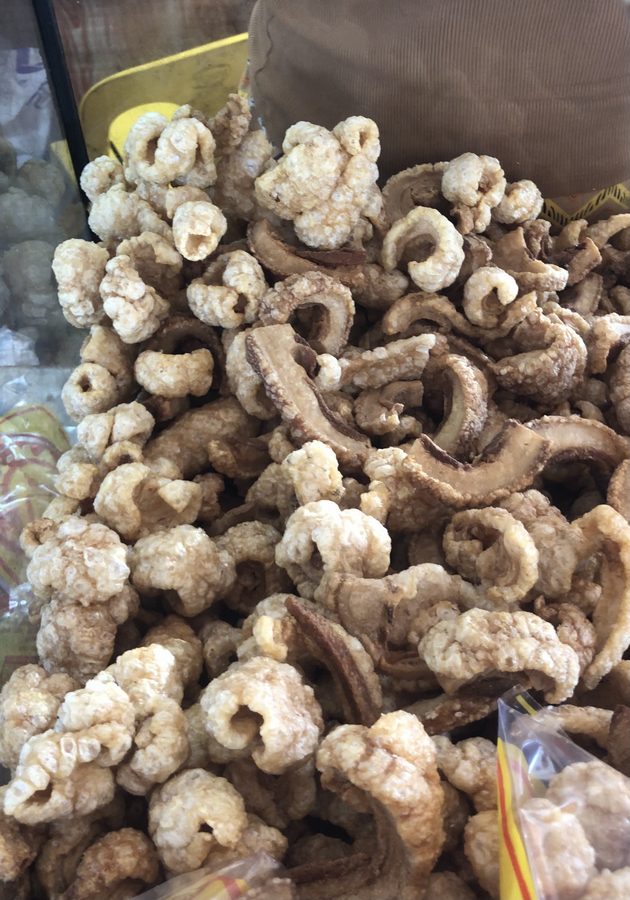
Carcar, about 40 km south of Cebu City, is famous for chicharon, pork rind boiled and then fried until it puffs and shatters. The stalls along the national highway through town sell it by the bag, plain or spicy, and Cebuanos drive down from the city to buy it. Like Cebu lechon, it is pork, and pork is the first thing most borders stop.
Eat the chicharon in Cebu. African swine fever reached the Philippines in 2019, and the US, the UK, the EU and Canada all refuse personal imports of uncanned pork from countries where it circulates. Even inside the country, provinces have spent the last few years closing their borders to pork from one another.
Calamansi, ube and bagoong
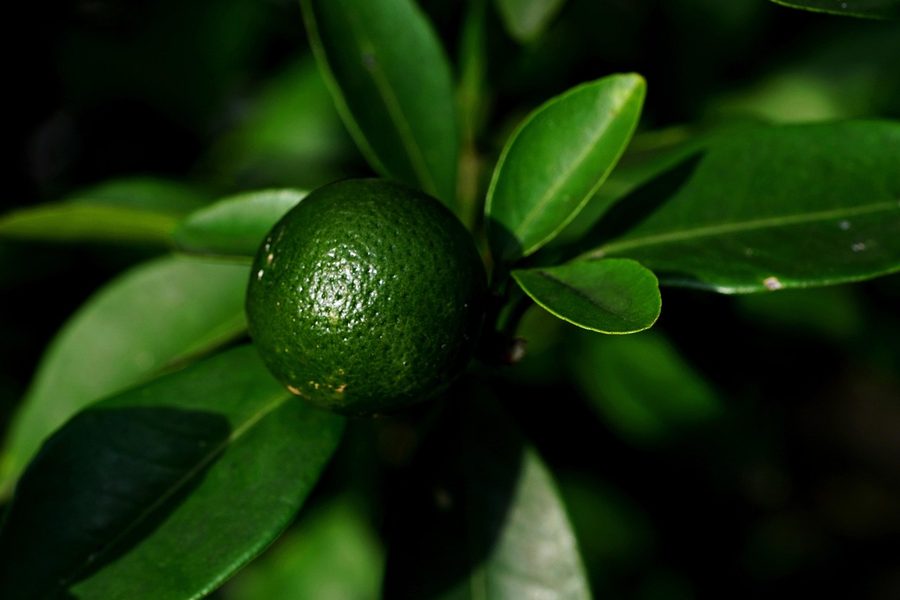
Calamansi, the small sour citrus squeezed over everything from pancit to grilled fish, travels well as a bottled concentrate and badly as fruit. The fresh fruit counts as citrus at every border, and most countries either refuse it or want a plant health certificate. The concentrate is a processed, shelf-stable liquid, so it goes in the hold in its sealed bottle.
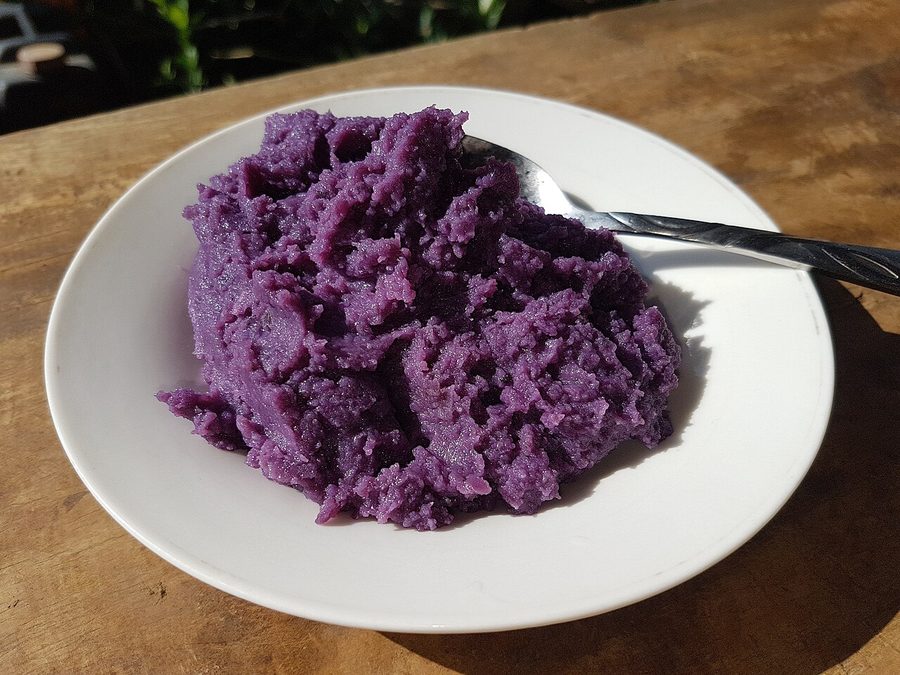
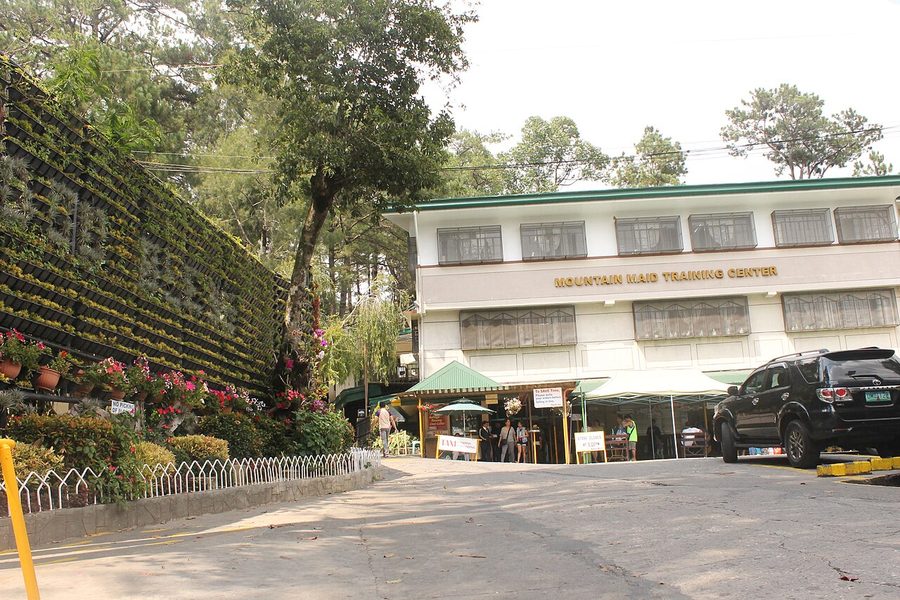
Ube halaya is purple yam cooked down with milk, sugar and butter into a thick jam. The jar most people carry from Luzon is the one made by the Good Shepherd sisters in Baguio, still being bought up and resold by pasalubong runners in 2026. It is a paste, so it cannot ride in a cabin bag in anything bigger than 100 ml, and because it is made with milk it can be treated as a dairy product at the UK and EU borders.
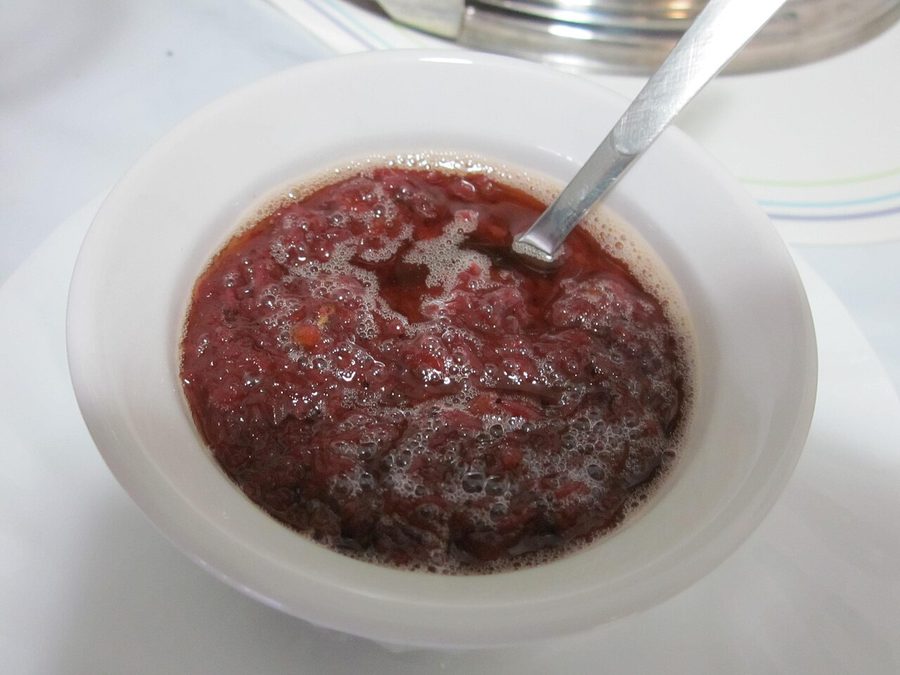
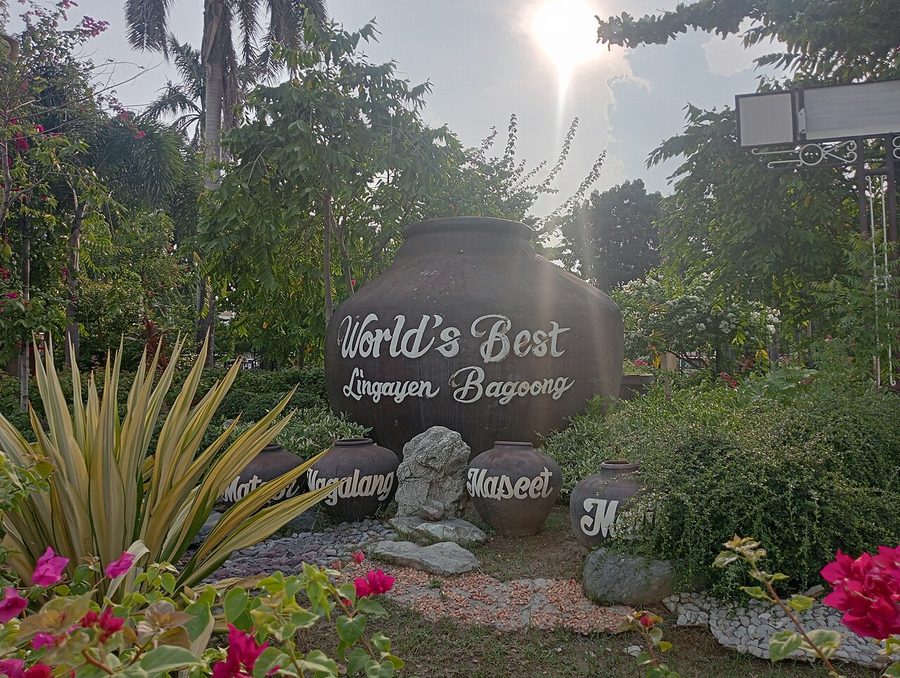
Bagoong is fermented seafood paste, either tiny shrimp (bagoong alamang) or fish (bagoong isda). Lingayen in Pangasinan is the town most associated with it. It is the single most likely thing in this list to ruin a suitcase: a cracked jar of bagoong will scent your clothes for a month.
Vinegars
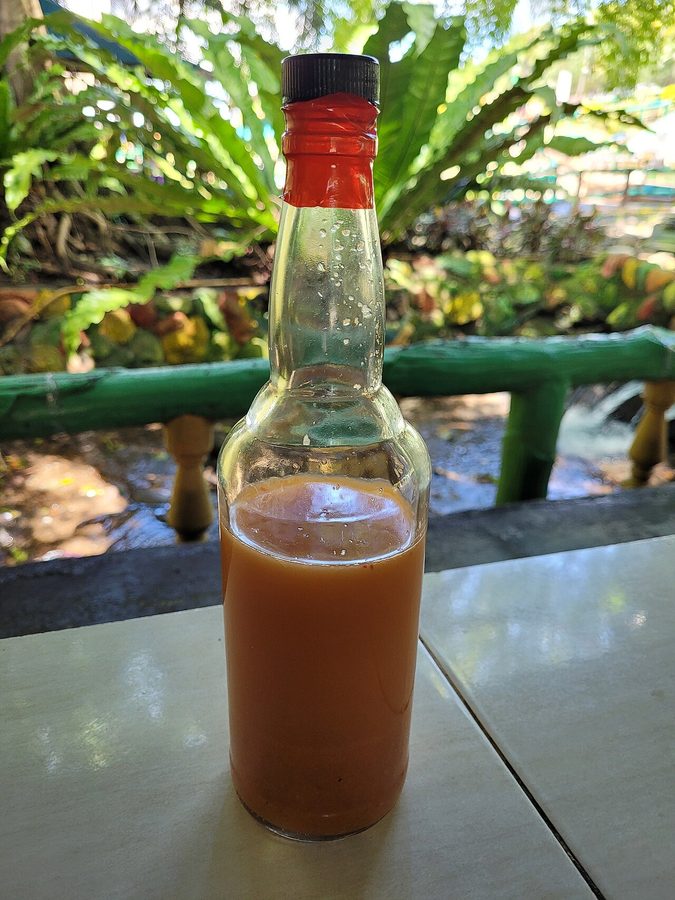
Philippine vinegar is a family of its own, made from whatever ferments locally. Sukang Iloko is cane vinegar aged in clay jars in Ilocos, sukang tuba is coconut sap vinegar from the Visayas, and spiced versions with chilli, garlic and onion sit on every carinderia table. The spiced vinegar dip next to a grill of adidas, chicken feet, is what most people miss first.
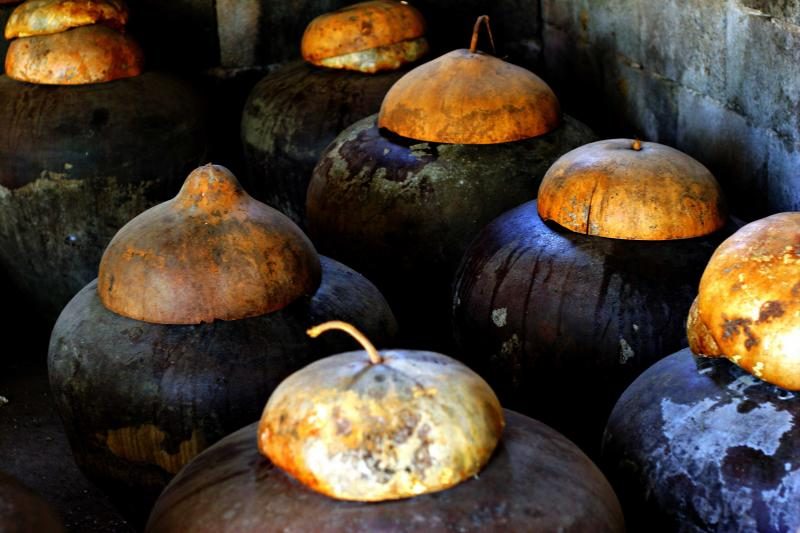
The big supermarket brands are easy to find abroad. The small-batch coconut and cane vinegars are not, and those are the ones worth the glass. Vinegar is a liquid, so it goes in the hold, and it is the easiest liquid to pack because it does not stain.
The Beirut shopping list
The Lebanese pantry was built to last a winter. Late summer is the season of mouneh (مونة), the stocking of the larder: herbs dried, vegetables pickled, pomegranates boiled down, yogurt and bulgur turned into kishk. Barbara Abdeni Massaad’s book on the subject, Mouneh: Preserving Foods for the Lebanese Pantry, is a reminder that most of what a visitor wants to carry home was designed to sit on a shelf for months. That makes Lebanon one of the easier places to pack food from.
One note on money. Lebanese shops have priced in US dollars since the currency collapse, so prices below are in dollars.
Za’atar and sumac
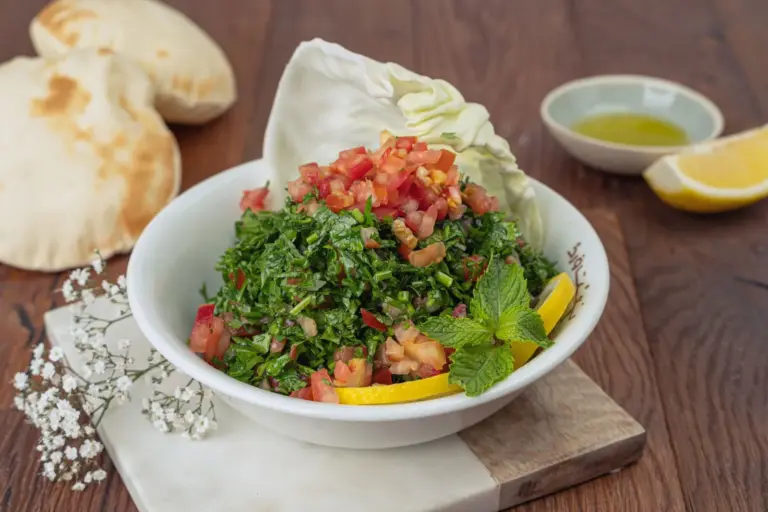
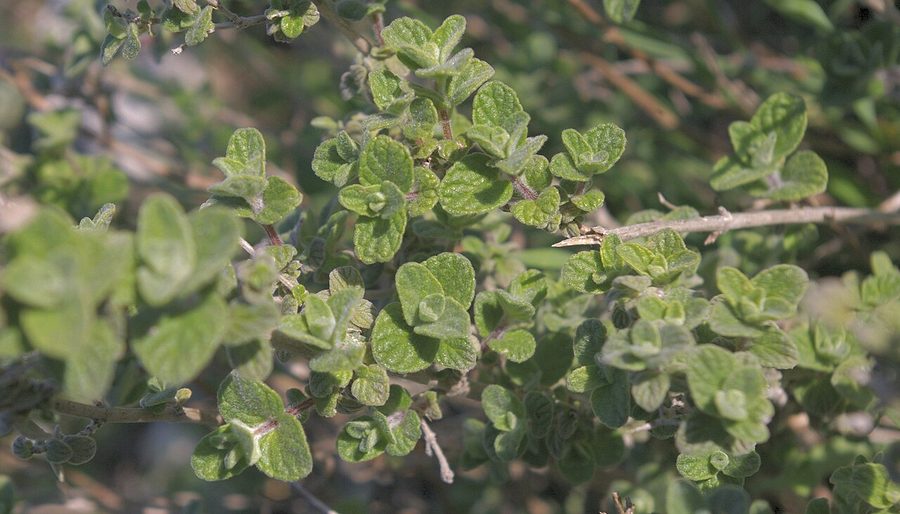
Za’atar (زعتر) is two things in Lebanon: the wild herb, Origanum syriacum, and the blend made from it, dried and rubbed with sumac, toasted sesame and salt. Every family has opinions on the ratio. Buy the blend where you can taste it first, and buy more than you think; a manousheh baked at home with fresh za’atar ruins the supermarket jar for good.
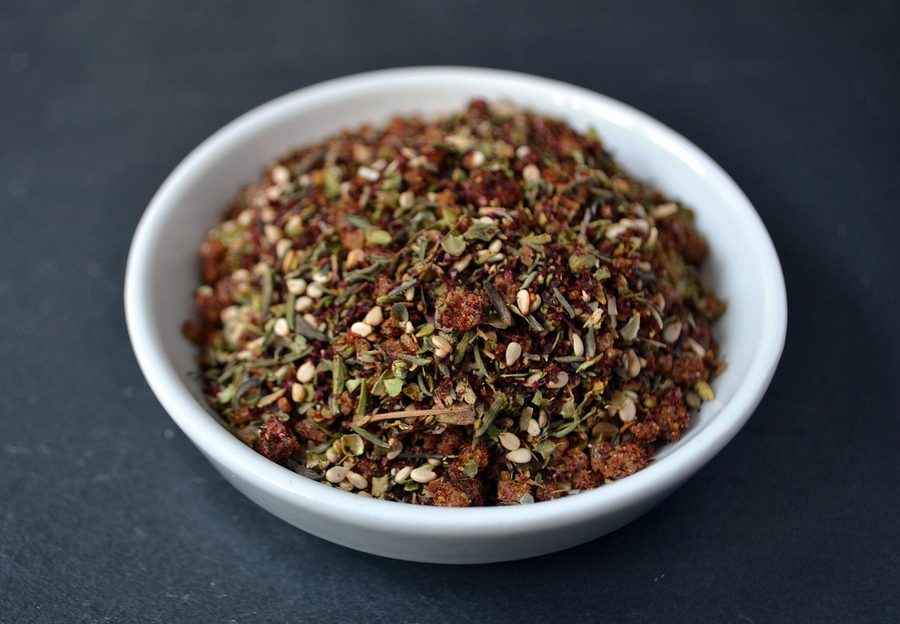
Sumac is the dried, ground berry of the sumac shrub: dark red, sour, a little salty. It is what makes fattoush taste of something. Both sumac and za’atar are dried spices, which the US Department of Agriculture lets in after inspection, with exceptions for citrus leaves and some seeds that neither blend should contain.
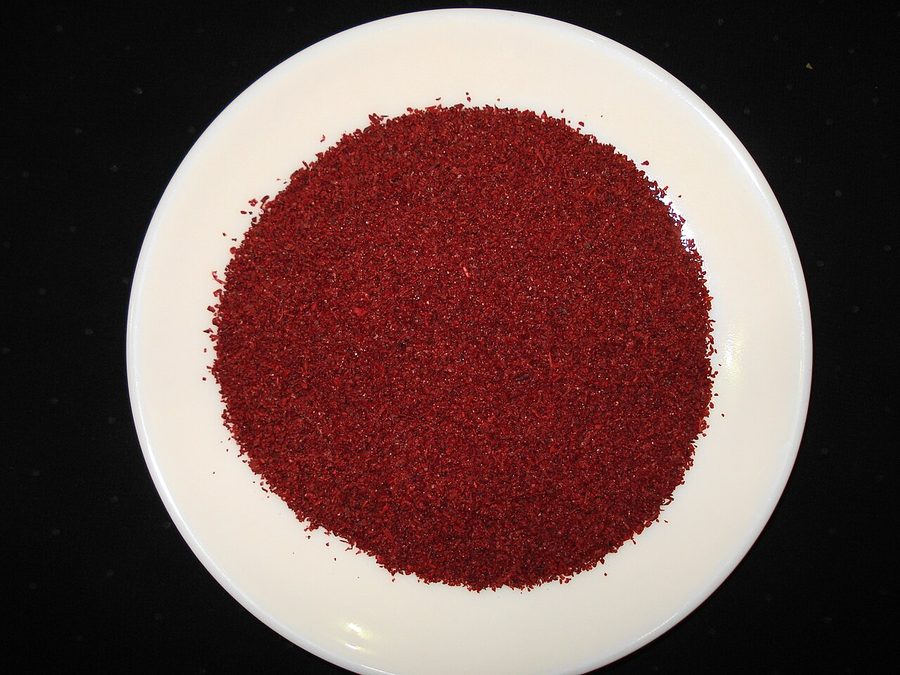
Seven-spice
Sabaa baharat, seven-spice, is the warm blend behind Lebanese stuffed vegetables, rice with meat and most kibbeh. The seven vary by shop, but allspice, black pepper, cinnamon, clove and nutmeg are almost always among them. Spice shops grind it to order, and a fresh grind is the reason to carry it home rather than buy a jar abroad.
Pomegranate molasses and orange blossom water
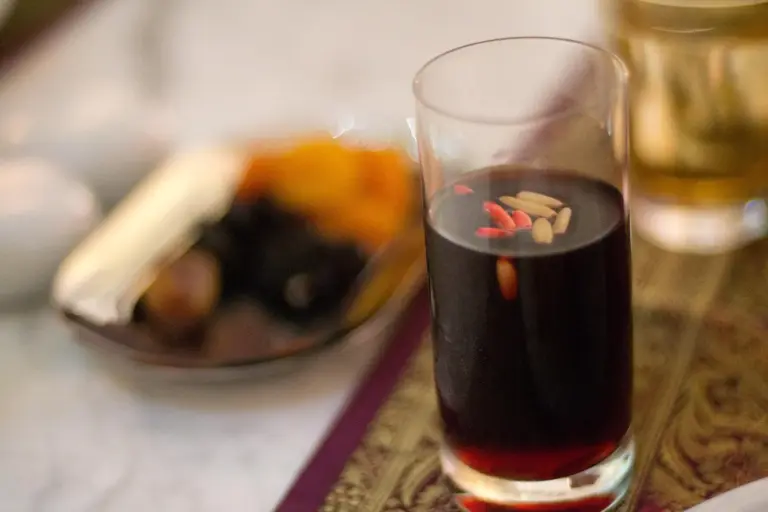
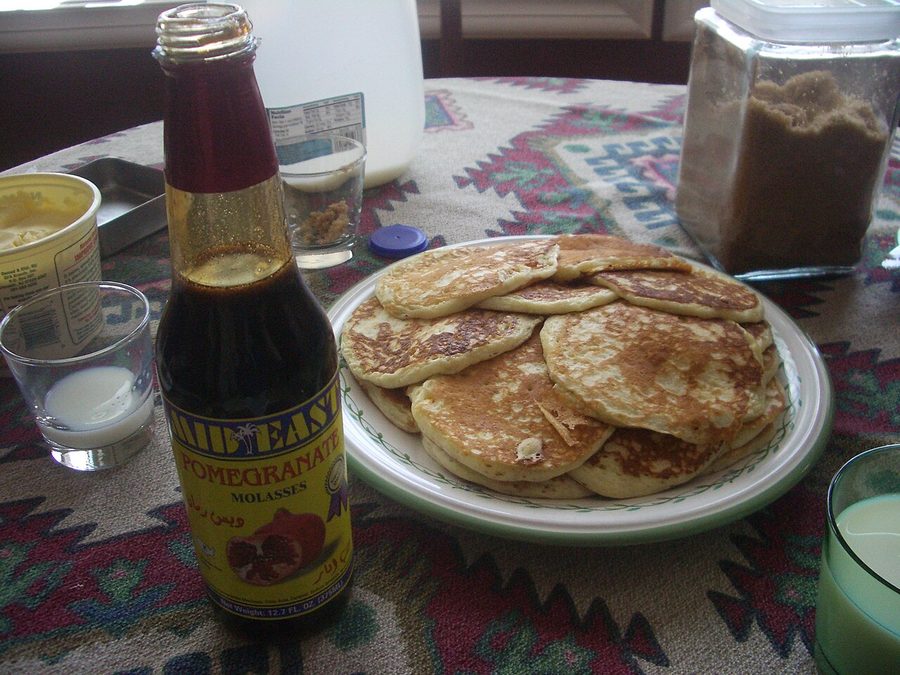
Dibs rumman, pomegranate molasses, is sour pomegranate juice boiled down to a syrup. It goes into muhammara, into fattoush dressing and over grilled meat. Cortas, the Lebanese preserves company, sells it in 300 ml and 500 ml bottles; in November 2026 a Beirut-area grocer listed the 300 ml bottle at US$3.51 and another had the 500 ml at US$5.
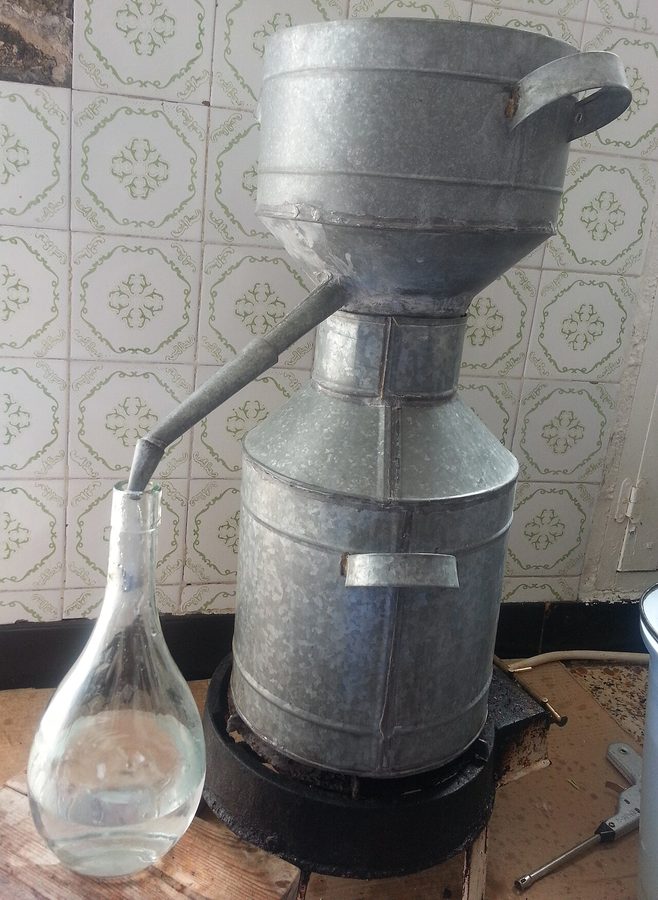
Orange blossom water, mazaher, is distilled from the flowers of the bitter orange. A few drops perfume ashta cream, maamoul and the sugar syrup poured over knafeh, and a spoonful in a cup of hot water makes the “white coffee” served after a heavy meal.
Olive oil
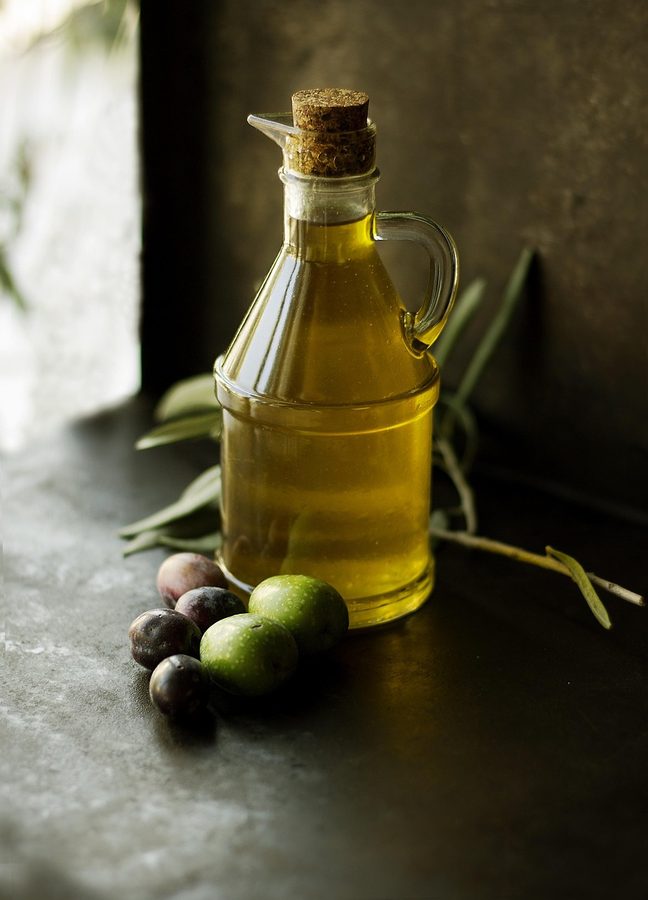
Lebanese olive oil, from the Koura in the north or the hills of the south, is the souvenir relatives most often ask for. It is also the heaviest and the riskiest: a litre weighs about a kilo, and oil finds every gap in a cap. If you only have room for one bottle, carry it in a tin rather than glass, and buy it from a producer who will seal the cap.
Dried mloukhieh and halawa
Mloukhieh is jute mallow, the leaf stewed with chicken and served over rice with a squeeze of lemon. Lebanese cooks dry it in summer for the winter, and the dried leaves are sold crumbled in bags. They weigh almost nothing, but they are plant matter, so they need declaring, and they should be clean and sealed.
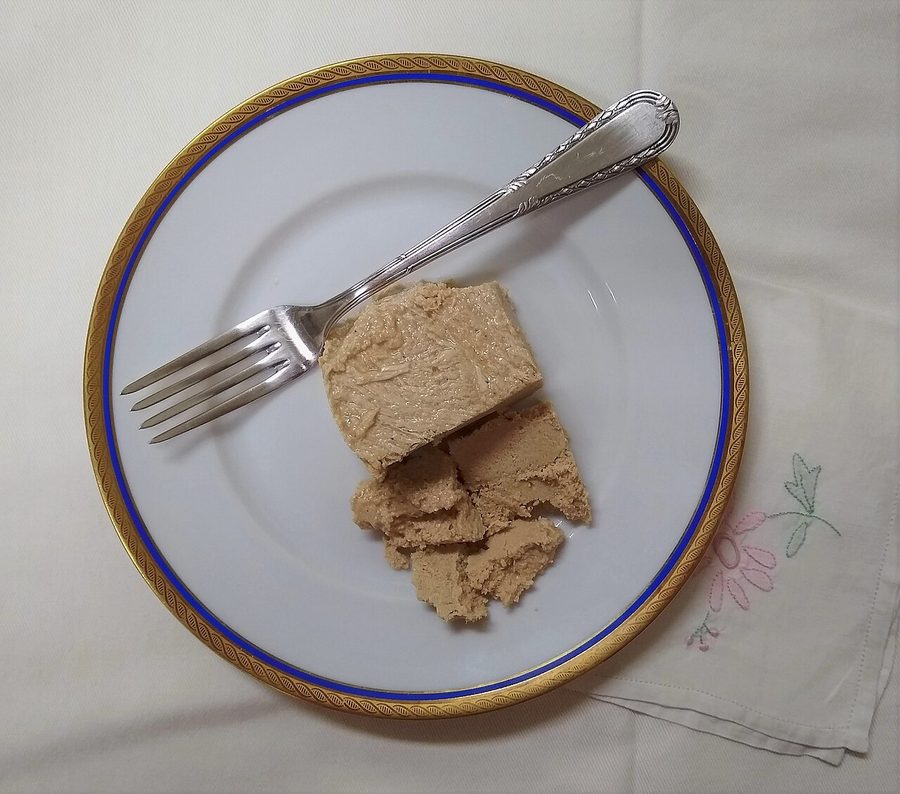
Halawa is sesame paste and sugar beaten until the mixture turns fibrous, then set in a block. Lebanese brands sell it plain, with pistachio or with chocolate, in tins and plastic tubs. It is solid, sealed and shelf-stable: the least troublesome thing in a Lebanese bag.
For the widest choice in one place, Souk el Tayeb, Beirut’s farmers’ market, was still trading in November 2026, with small producers selling their own preserves and seasonal produce. Buying from the person who made it is the one way to know what is in the jar.
Cabin bag or hold
The cabin bag rule is the same at almost every airport on these routes: liquids, aerosols, gels, creams and pastes in containers of 100 ml or less, all in one clear bag. The EU’s version caps the bag at one litre; the TSA’s liquids rule says a quart. Everything larger goes in the hold.
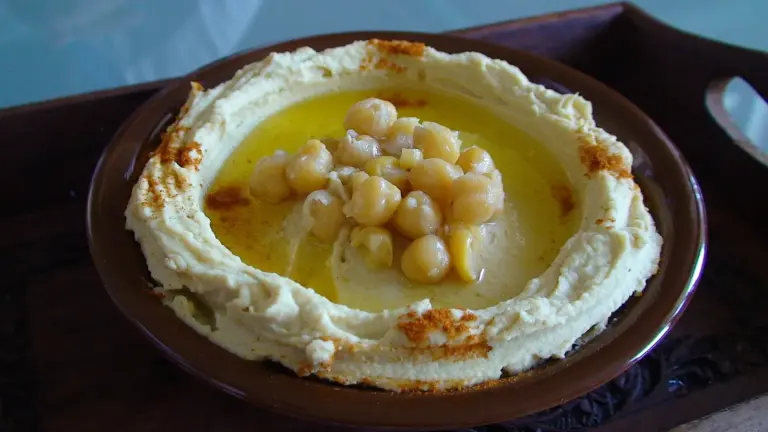
The trap for cooks is the word “paste”. Bagoong, ube halaya, tahini, labneh, honey and pomegranate molasses all count as liquids at the checkpoint, however solid they look in the jar. The rule is about the size of the container, not how full it is, so a half-empty 250 ml jar of bagoong will still be taken off you.

Solid food is allowed in the cabin, and the TSA’s food guidance lists dried fruit, dry spices, bread and solid cheese as fine in either bag. Officers can still ask you to take food and powders out of your bag because they clutter the X-ray image. A dense block of halawa or a vacuum-packed brick of danggit is the sort of thing that gets a second look, and that costs you a few minutes, nothing more.
Oils, vinegars and jars go in the hold
The TSA puts oils and vinegars under the liquids rule in the cabin and allows them in any quantity in checked bags. It suggests canned food go in the hold too, because cans look odd on an X-ray and can lead to extra screening. The same logic applies to every glass jar of molasses, bagoong or orange blossom water you own.
Duty-free and connections
If you buy liquids after security and connect through a US airport, the TSA will let them through in your cabin bag only if they are sealed in the shop’s tamper-evident bag, with the receipt inside and the purchase made within 48 hours. Even then, the TSA recommends moving anything over 100 ml into checked luggage. The EU has a similar rule: keep the sealed bag closed until you reach your final destination.

Customs at home: declare all of it
Security decides what goes on the plane. Customs decides what comes off it, and that is where food gets thrown away. The rule that matters most is simple and almost universal: declare every food item, even the ones you are sure are allowed.
The United States
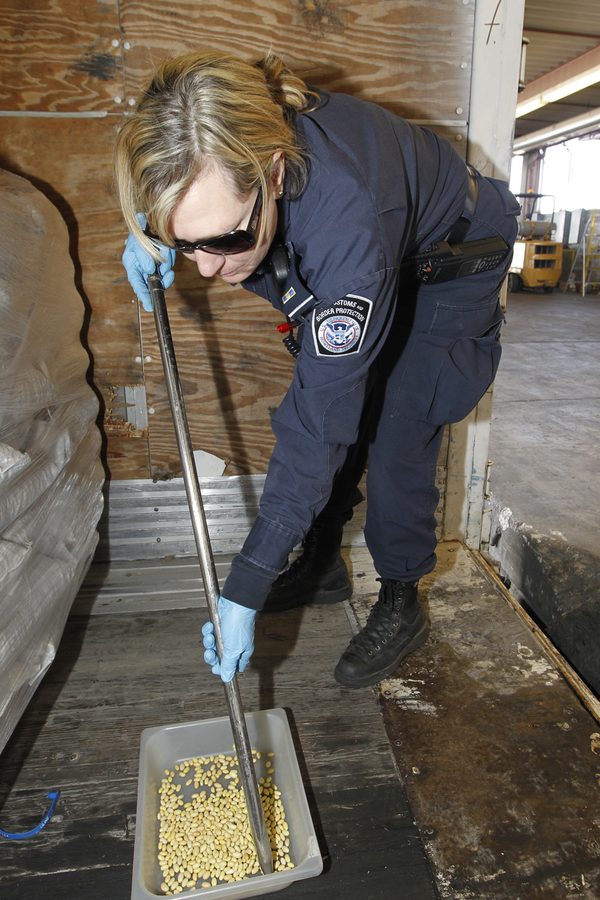
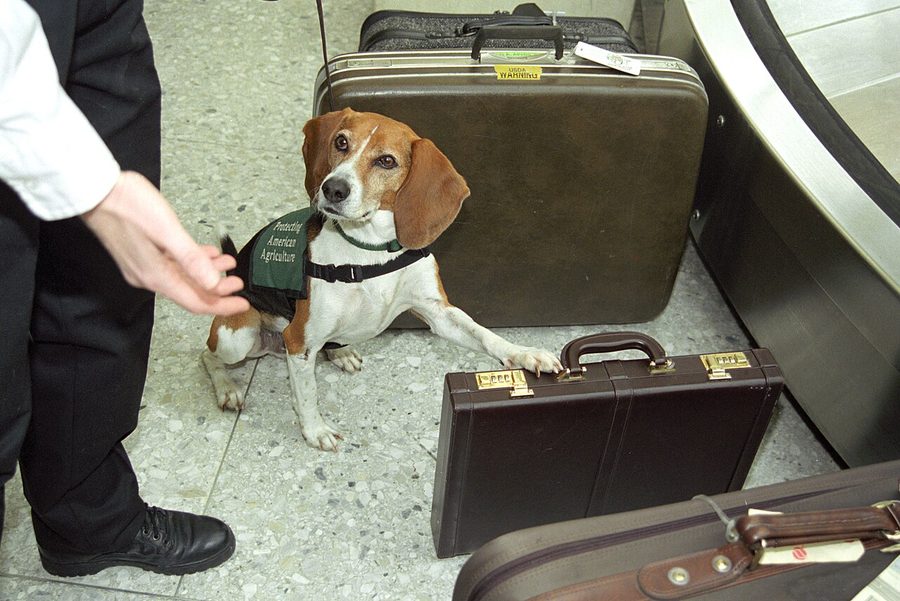
US Customs and Border Protection asks every arriving traveller to declare meats, fruits, vegetables, plants, seeds and plant and animal products, in checked and cabin bags alike. Its page on bringing agricultural products into the US sets out the stakes: undeclared prohibited items are seized, and the civil penalty runs up to US$1,000 for a first non-commercial offence. The Department of Agriculture puts the other side of the bargain plainly: declare everything and you face no penalty, even if the inspector decides the item cannot enter.
The US rules, item by item, come down to this:
- Pork and other meat: the USDA refuses most meat from countries with serious livestock diseases, and the Philippines has had African swine fever since 2019. Chicharon, longganisa, tocino and Lebanese soujouk all stay behind unless they are canned and commercially sterilised.
- Fish: the USDA does not regulate most seafood, so dried danggit, dilis and bagoong are generally a matter of declaring and showing them.
- Dried fruit: the USDA’s short list of dried produce that is generally allowed names dates, figs, raisins and nuts, but not mango. Sealed, labelled dried mango is the inspector’s call, so declare it and keep the pack unopened.
- Fresh fruit: almost all of it is refused, including calamansi and fresh mango.
- Spices: most dried spices are fine after inspection, except citrus leaves and many seeds.
- Dairy: solid cheeses may enter from any country, but most other milk and dairy products from countries with foot-and-mouth disease are refused unless they are commercially packed, cooked and shelf-stable.
The USDA also recommends keeping receipts and original packaging as proof of where things came from. That single habit settles most arguments at the inspection table.
Britain, the EU, Canada and Australia
The other big destinations agree on the main points and differ on the detail. Meat and dairy from outside their borders are the common ban; fish is allowed in generous amounts; fresh fruit is the area where each country goes its own way.
| Arriving in | Meat and pork | Dairy | Fish and dried fish | Fresh fruit | If you do not declare |
|---|---|---|---|---|---|
| Great Britain | Banned from outside the EU | Banned (milk-based products included) | Up to 20 kg, dried or processed | Certificate needed, but mango and citrus such as calamansi are exempt | Fine up to £5,000 in England, or prosecution |
| European Union | Banned from outside the EU | Banned | Up to 20 kg or one fish | Plant health certificate needed | Seizure, fine or prosecution |
| Canada | Fresh, dried and cured meat banned; sealed shelf-stable jars and cans allowed | Yogurt and pasteurised cheese allowed | Allowed within personal limits | Depends on origin; check before travel | Seizure, penalties or prosecution |
| Australia | Strict conditions; canned meat from approved countries, no pork jerky | Commercially packed products only, declared | Shelf-stable fish up to 10 kg | Leave it behind | Infringement notice up to A$7,280, visa cancellation |
Britain’s rules are on the GOV.UK page on bringing food into Great Britain; the EU’s are on its Your Europe guidance for travellers. Canada’s food inspection agency publishes its personal-use limits item by item, and the border agency tells travellers to declare all food whether it is regulated or not. Australia’s agriculture department keeps the longest list, on its page on bringing goods into Australia.
Two details catch people out. Britain’s ban on milk-based products from outside the EU can catch ube halaya and kishk, so declare both. And Australia’s rules on declaring on arrival are the strictest of the lot: the fine is real, and a visa can be cancelled over undeclared food.
Packing it so nothing leaks or smells
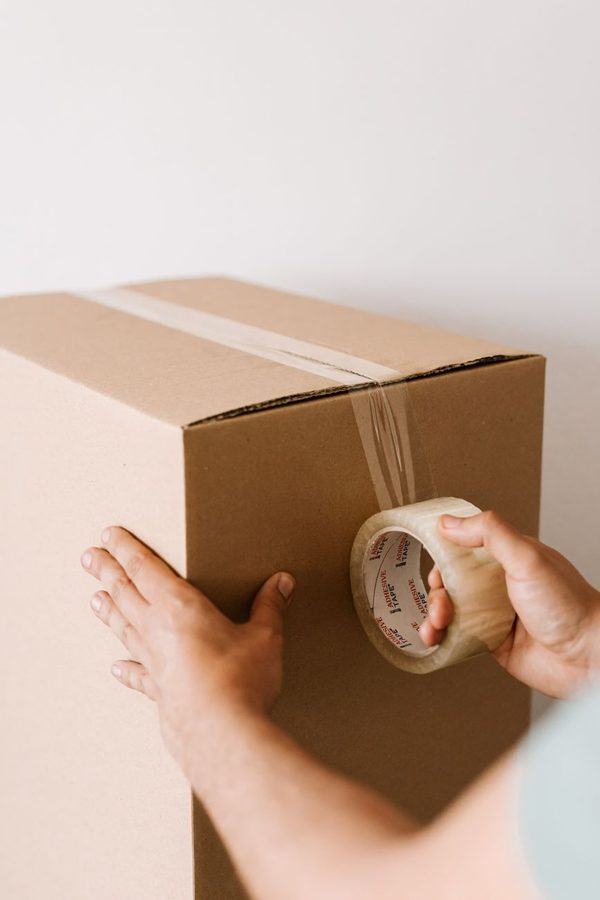
Most food lost on the way home is not confiscated. It breaks, leaks or soaks through, and it takes your clothes with it. A small kit fixes nearly all of that: a roll of strong tape, a dozen large zip-top freezer bags, some cling film, two or three plastic shopping bags and, if you have it, bubble wrap.
Double-bag everything
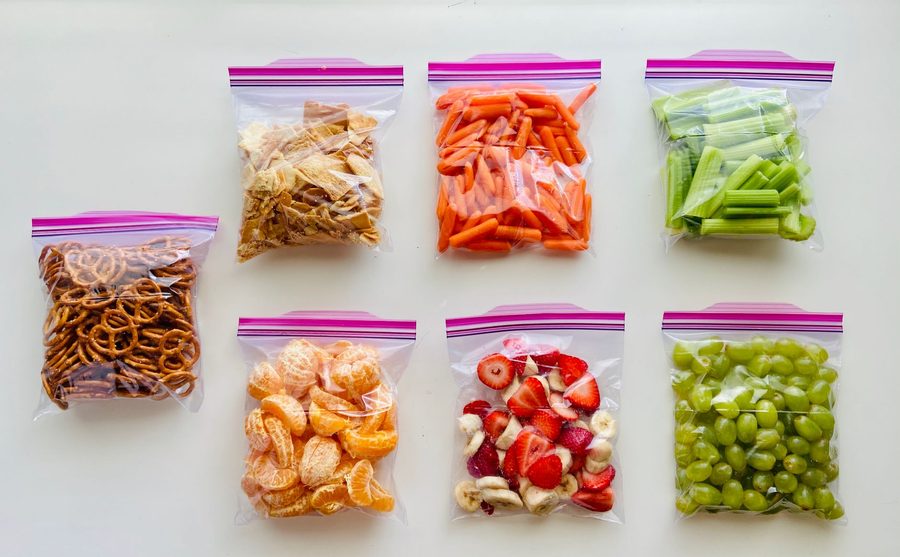
The first bag is the one the food was sold in. The second is a zip-top freezer bag, pressed flat to push the air out. For dried fish and bagoong, add a third: a knotted plastic shopping bag around the zip bag. Three layers sounds fussy until the morning you open a case that smells like Taboan.
Vacuum and the smell of dried fish
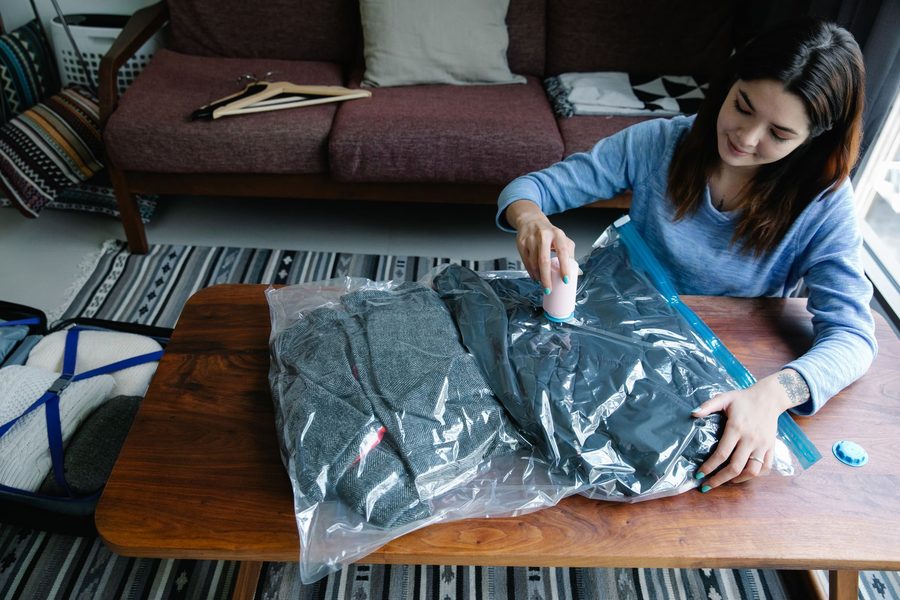
Vacuum sealing is the single best thing you can do for danggit and dilis. It shrinks the fish into a flat brick, stops it breaking into crumbs and holds the smell in. Without a machine, a zip bag squeezed flat with the last corner sucked shut does most of the job. Put the sealed fish in a hard plastic box if you have one, and keep it away from anything fabric.
Glass, oil and vinegar
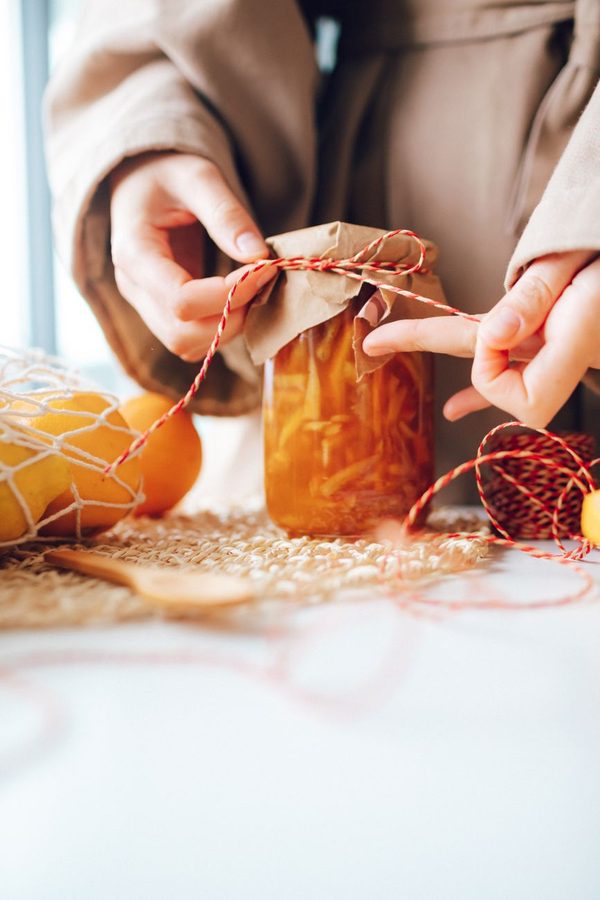
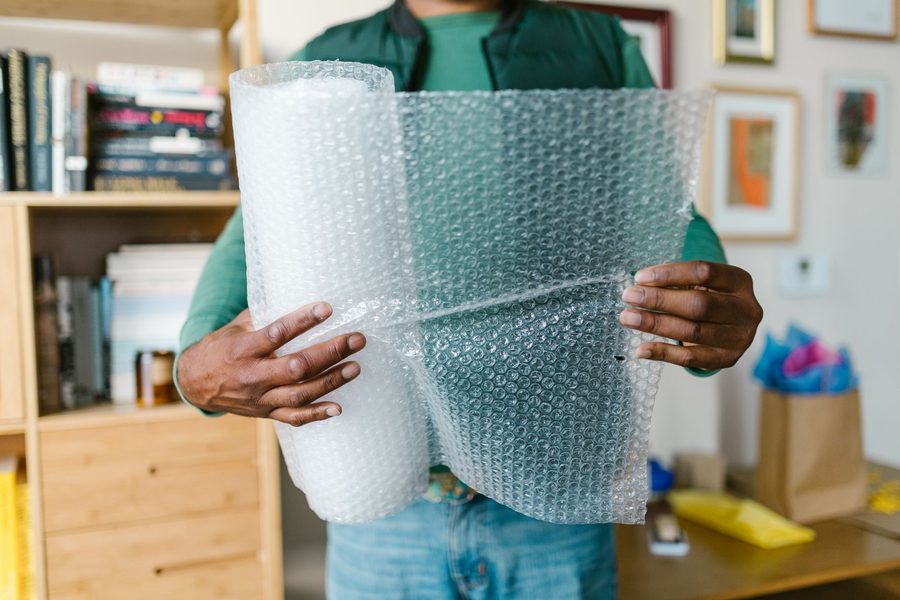
For every bottle: unscrew the cap, stretch cling film over the mouth, screw the cap back on over it and tape round the join. Bag it, then wrap it in bubble wrap or a thick jumper. Bottles travel best upright in the middle of the case, padded on every side by soft clothes, with nothing hard against them.
Pack the heaviest jars at the wheel end of a hard case so they stay at the bottom when it stands. Never pack glass against the outer shell of a soft bag. And split the liquids between two cases if you are travelling with someone, so one accident does not cost you everything.
Keep the declarable food together
Put everything you will declare in one part of one case, at the top, with the receipts in an envelope on top of it. If an officer asks to see the food, you open one zip and hand it over. That saves you ten minutes and a lot of goodwill at the inspection table.
Buying for the flight, not for the market
The rule for shopping is simple: buy food that is already packed for travel. Every border above is kinder to sealed, labelled, commercially made products than to market goods weighed into a plastic bag.
Australia’s rules turn again and again on “commercially prepared and packaged”. Canada’s limits allow cooked, shelf-stable meat only in sealed jars, cans or retort pouches. The US asks for receipts and original packaging.
Sealed packs and market weights
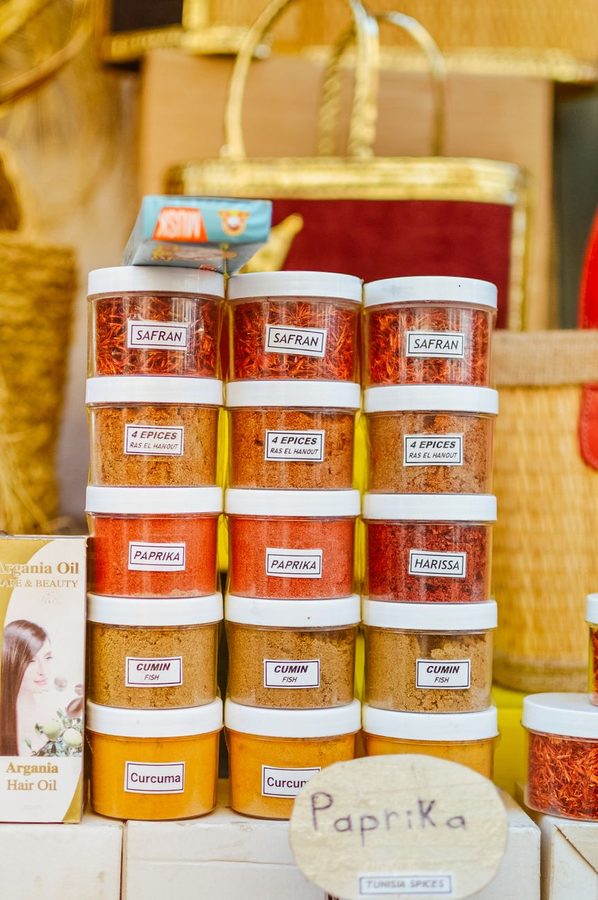
That does not mean skipping the market. The best za’atar and the best danggit are sold loose, and the market is where you can taste before buying. Buy there, then pack it properly: ask the seller to seal it, or seal it yourself that evening, and write what it is and where it came from on a strip of tape. A clearly labelled bag is one an inspector can wave through.
Shop on the last day
Dried fish, fresh za’atar and anything soft should be bought the day before you fly, not at the start of the trip. They stay fresher, they spend fewer days in a hot room, and you pack them once. The exceptions are the heavy bottles, which are worth buying early so you can see how much space and weight they take.
Airport shops or the market?
Airport pasalubong counters in Cebu and Manila carry the big brands of dried mango and biscuits in sealed packs. They are convenient, and for solid goods bought after security there is nothing to repack. They usually cost more than the supermarket in town, though, and you will not find the market danggit or the small-batch vinegar there.
The same goes for duty-free at Beirut: fine for a last box of sweets, poor for spices and oil. Shop in the city and use the airport for whatever you forgot.
Do not post it home
Sending food home by post or courier seems an easy way round the weight limit. It is usually a worse deal: the USDA treats anything sent by mail as a commercial import, and the CBP penalties for prohibited agricultural products apply to mail as well. Carry it, declare it and you keep control of it.
What to leave behind, and what to buy at home
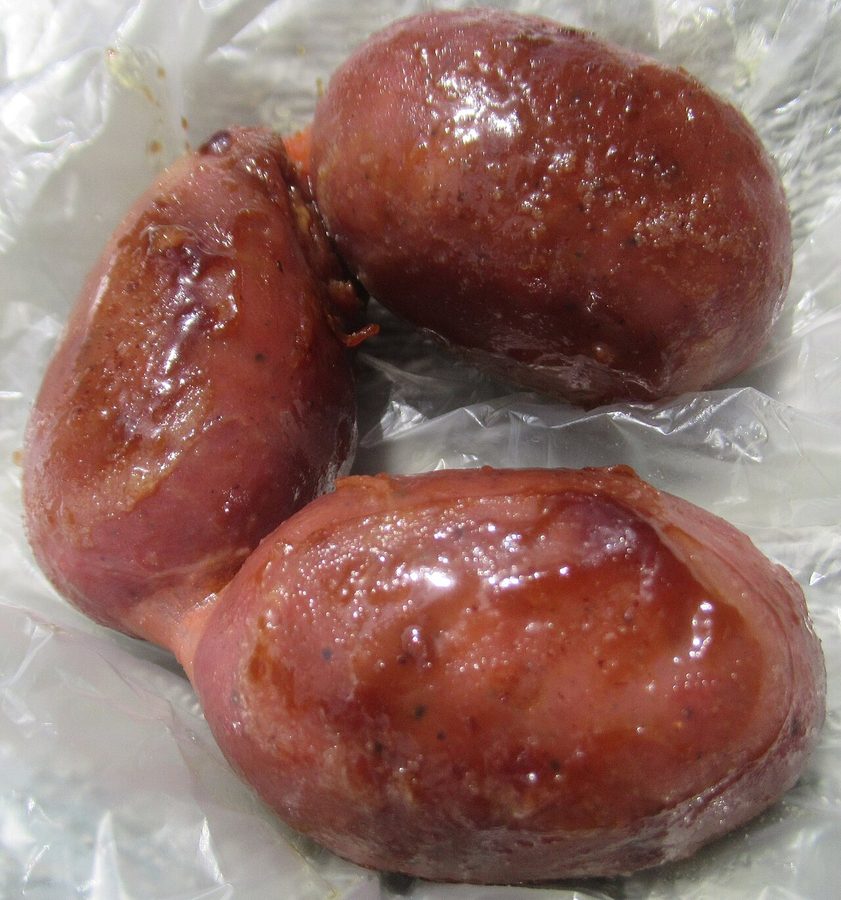
Some things are not worth the risk or the weight. The short list for Philippine trips is pork in any form that is not canned, so no chicharon, longganisa, tocino, lechon or pork floss. Fresh calamansi, fresh mango and any other fresh fruit or vegetable stay too, as does anything homemade in a reused jar.
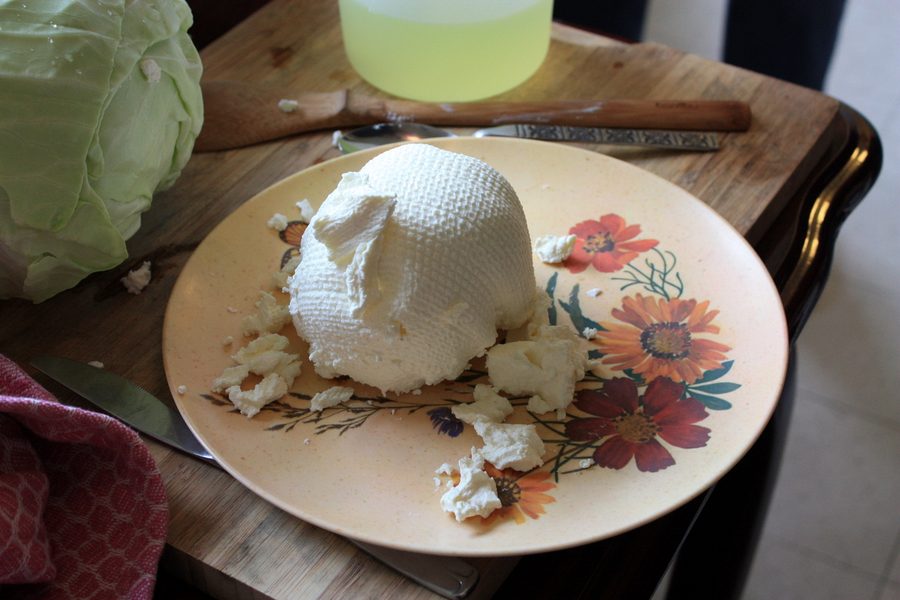
For Lebanon, leave the cured meats, the labneh and the cheeses unless you are flying to a country that allows them, and check before you buy kishk, which is made with yogurt and counts as dairy in Britain and the EU. Fresh herbs and fruit stay behind everywhere.
Then there is the food you could carry but should not bother with. Supermarket soy sauce, fish sauce, canned coconut milk and the big brands of vinegar are on the shelf at any Filipino or Asian grocer abroad. Bottled tahini, chickpeas and bulgur are in Middle Eastern shops everywhere. Save your weight allowance for the things you cannot buy at home: the small-batch vinegar, the danggit, the fresh-ground seven-spice and the za’atar from the stall you tasted it at.
The screenshot list
- Buy sealed, labelled packs where you can; seal and label market goods yourself.
- Shop for dried fish and fresh spices the day before you fly.
- No pork, cured meat or fresh fruit in either bag.
- Pastes count as liquids: bagoong, ube halaya, tahini and honey go in the hold.
- Cabin bag: 100 ml containers, one clear bag.
- Tape and cling-film every cap; bag every jar; wrap glass in clothes.
- Vacuum or triple-bag dried fish, and keep it away from clothes.
- Keep receipts and original packaging together at the top of one case.
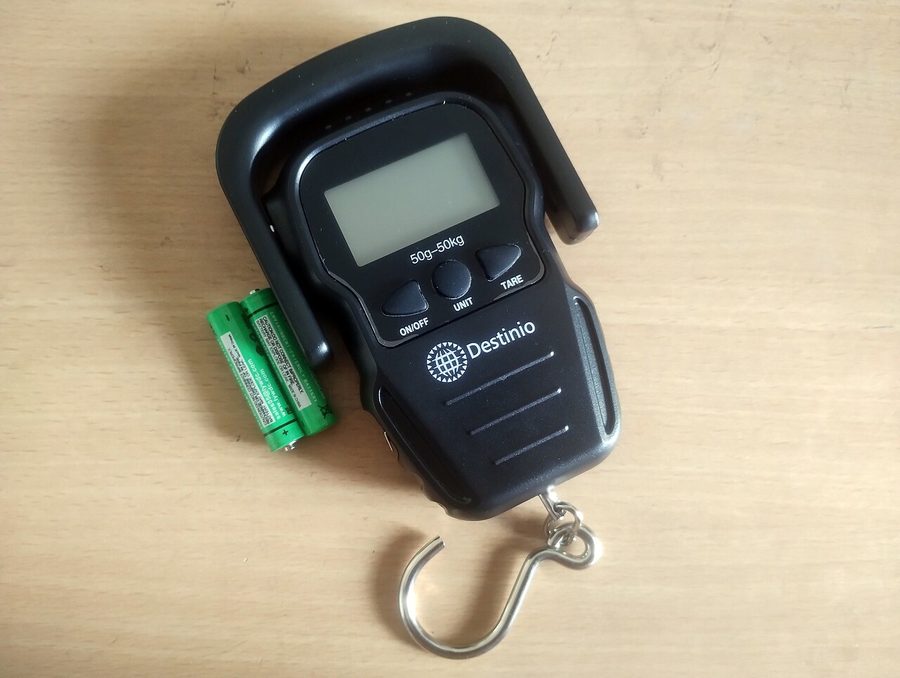
- Weigh the case before leaving for the airport.
- Declare every food item on arrival, even the ones you think are allowed.
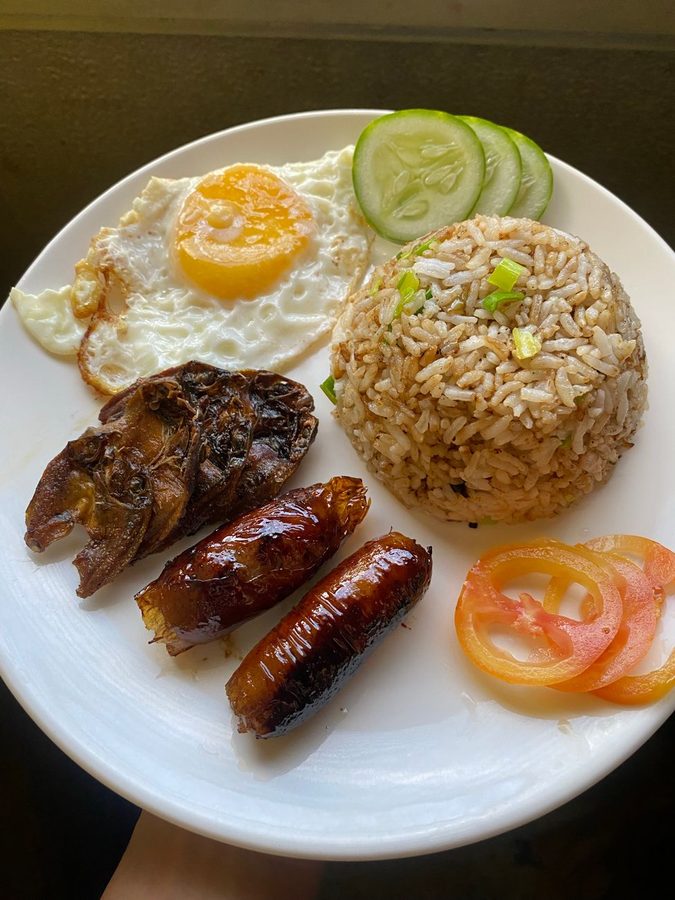
The danggit, if you packed it well, comes out of the case smelling of nothing but plastic. Cut the bag open over the sink, heat a finger of oil in the pan, and fry it until it stops hissing, about a minute a side. Eat it with garlic rice and a dish of vinegar with chilli in it, and the smell of Taboan will fill your kitchen instead of your suitcase.