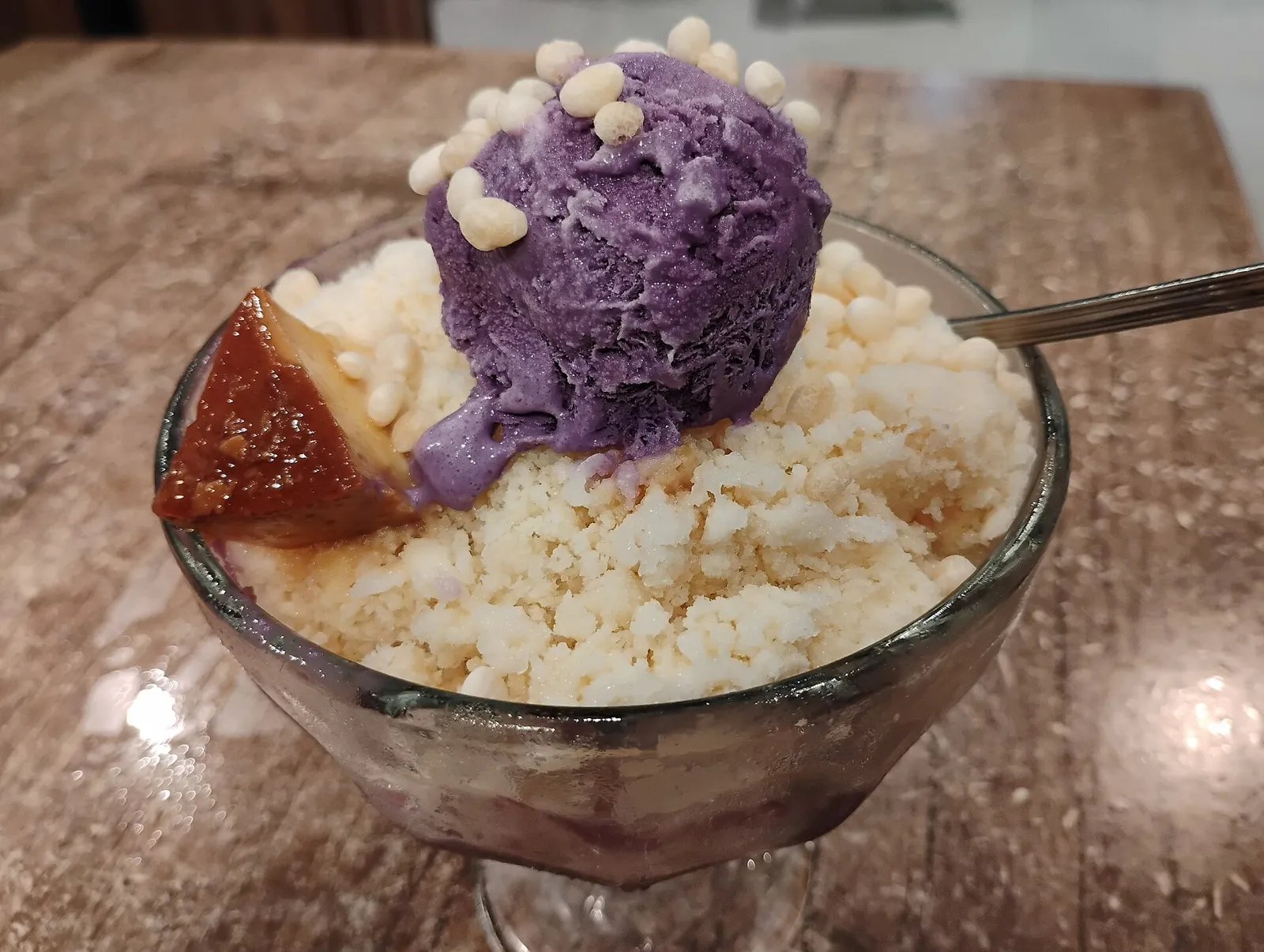
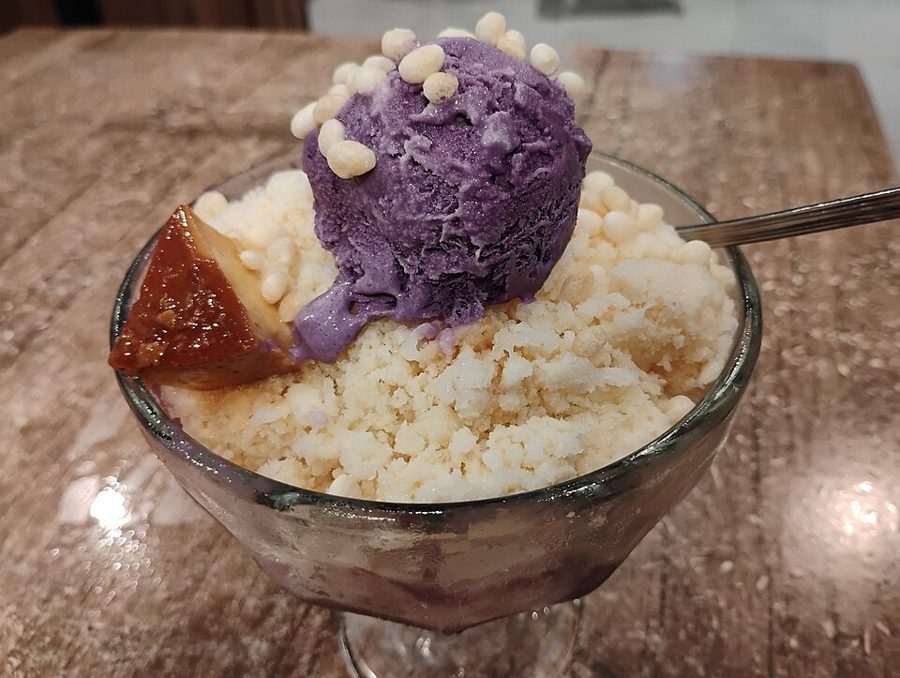
The most famous halo-halo in Pampanga has three things in it besides ice and milk: saba banana stewed soft in syrup, strings of macapuno and a slab of leche flan. No beans, no jelly cubes, no cornflakes, no purple ice cream. Razon’s of Guagua has served it that way since 1972, and it still does.
That should tell you something about the dessert. Halo-halo means mix-mix, and there has never been a fixed list of what goes in. A roadside stand ladles in whatever its jars hold that week, a mall chain stacks up a dozen toppings, and the best-known glass in the country stops at three.
It is also younger than most people assume. The earliest version anyone wrote down is a plate of sweet beans on ground ice, sold for ten centavos by Japanese shopkeepers in pre-war Manila. The ube, the macapuno and the nata de coco arrived later, one jar at a time.
Contents 9 parts
- 01Mix-mix: what goes in the glass
- 02Mongo-ya: the pre-war beginnings
- 03The parts, and where each comes from
- 04Pampanga’s halo-halo: fewer things, finer ice
- 05Cebu: cornflakes, mango and a hot cousin
- 06Chain halo-halo, and some regional odd ones
- 07Ice: shaved, not crushed
- 08Halo-halo at home
- 09Eating it: stir, and when
Mix-mix: what goes in the glass
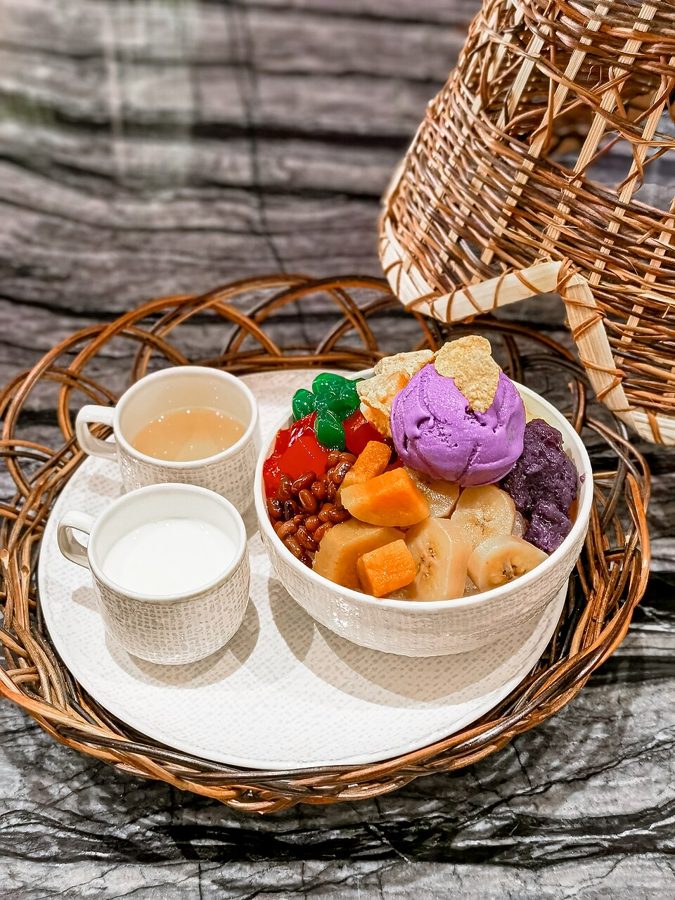
The name is plain Tagalog. Halò means to mix; doubled, it means mixed together, and it describes a thing before it names a dessert. The national dictionary spells it as one word, haluhalo, and defines it as a cooler of ginadgad na yelo, grated ice, mixed with milk, sweetened fruit and other things. Shop signs ignore the ruling and write halo-halo, and so do I.
The build has an order. Sweets go in the bottom of a tall glass: beans, fruit in syrup, jellies, coconut. Shaved ice is packed on top, evaporated milk is poured over, and then comes the crown of leche flan, ube halaya or ice cream. The mix-ins fill about a third of the glass; the rest is ice.
Evaporated milk is the default, and it is the right one. It is rich without adding sugar to a glass that is already full of syrup. Some places use coconut milk, a few use fresh milk, and Kabigting’s in Pampanga uses carabao’s milk, which is the best argument for any of them.
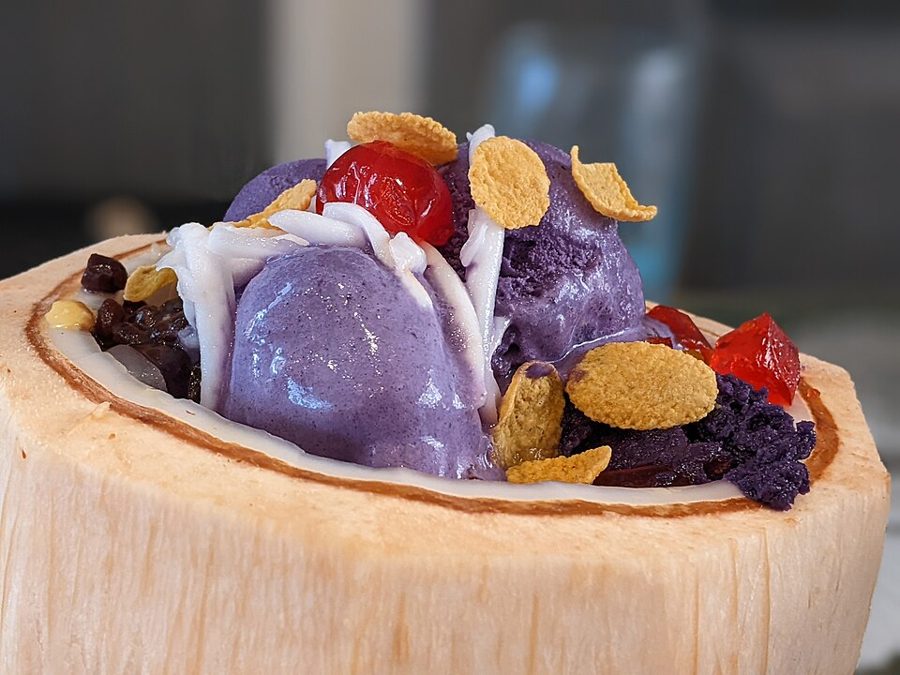
Ice cream is optional, and I’d leave it off more often than not. Many cooks skip it because a scoop of ube ice cream on top of sweet beans, flan and syrup tips the glass into cloying. If you want the purple, a spoonful of ube halaya gives the colour with half the sugar.
Mongo-ya: the pre-war beginnings
The best early account comes from a Japanese writer. In A Japanese in the Philippines (1981), Kiyoshi Osawa describes the mongo-ya, bean shops run by Japanese migrants, selling for ten centavos “a plateful of cooked red beans heaped with ground ice,” topped with sugar and milk. A hut, a few tables, log chairs, a boy to help: that was the whole capital outlay. Osawa writes that some grew into bazaars, and that after the Japanese evacuation at the end of the Second World War the mongo shops vanished.
The idea stayed. Filipino vendors kept selling monggo con hielo, mung beans in syrup on ice, and the same formula spun off mais con yelo with sweet corn and saba con yelo with bananas, all still sold today. The historian Ambeth Ocampo, who quoted Osawa in a column on the Japanese origins of halo-halo, makes the point that matters at the counter: the Japanese put the sweets over the ice, and Filipinos put them under it.
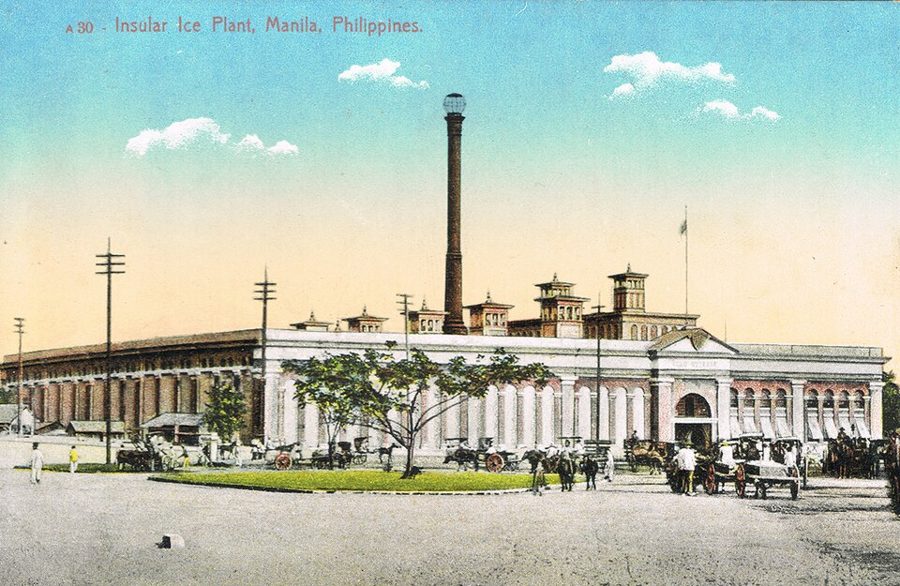
None of it works without ice, and ice was a luxury in the tropics. Blocks cut from Wenham Lake in Massachusetts reached Manila by ship in the mid-1800s, but a steady supply only came when the Americans built the Insular Ice Plant in 1902. Some writers place the first halo-halo stands at the Quinta Market in Quiapo in the 1920s or 1930s, close to the ice plant. No source names a first shop, so treat that as a likely story rather than a date.

The Japanese side of the story is much older. Kakigōri, shaved ice with syrup, was a luxury of the Heian court a thousand years ago, made from winter ice stored in caves. Sei Shōnagon put shaved ice with syrup in a new silver bowl on her list of elegant things in The Pillow Book. The first kakigori shop is believed to have opened in Yokohama in 1869, and Japanese migrants later brought the habit south.
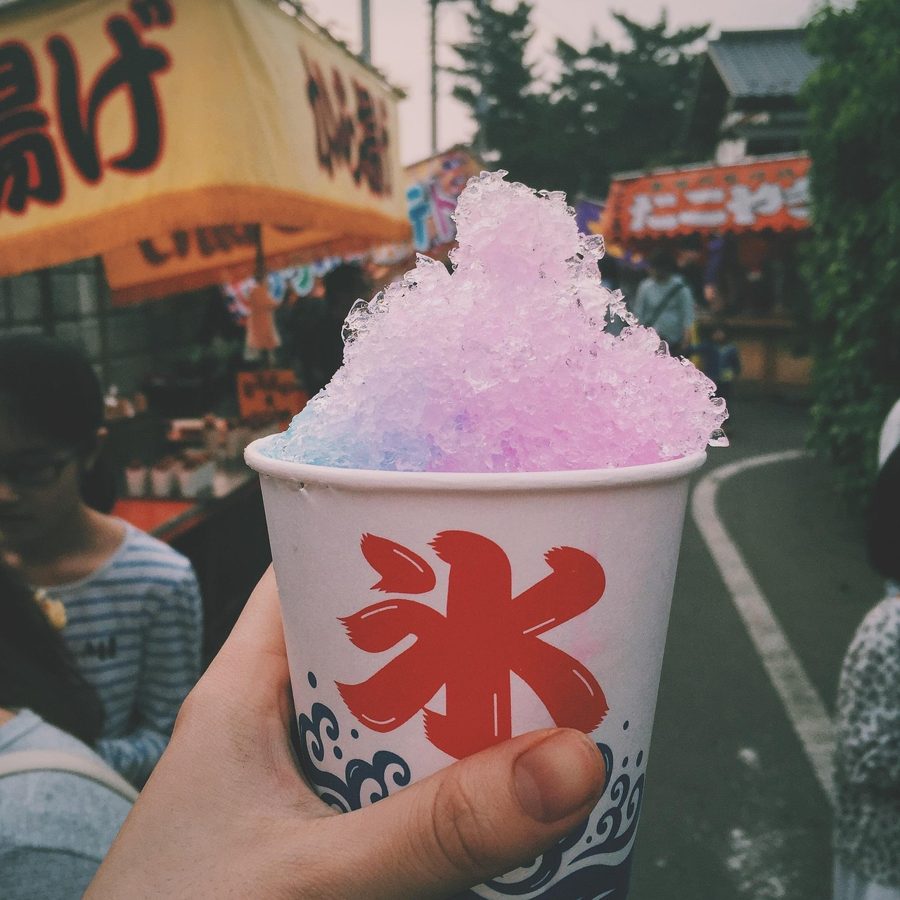
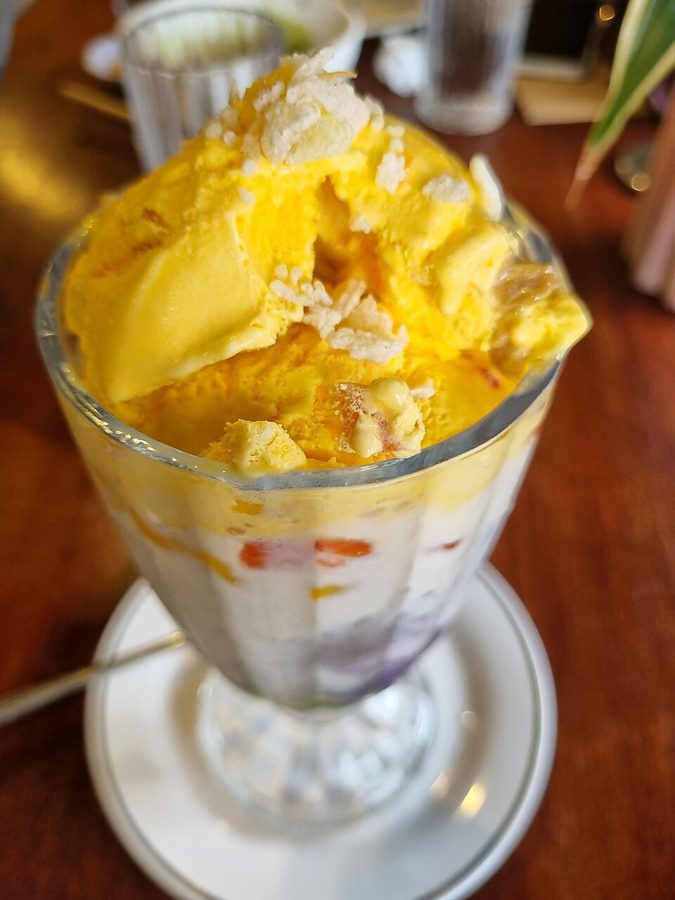
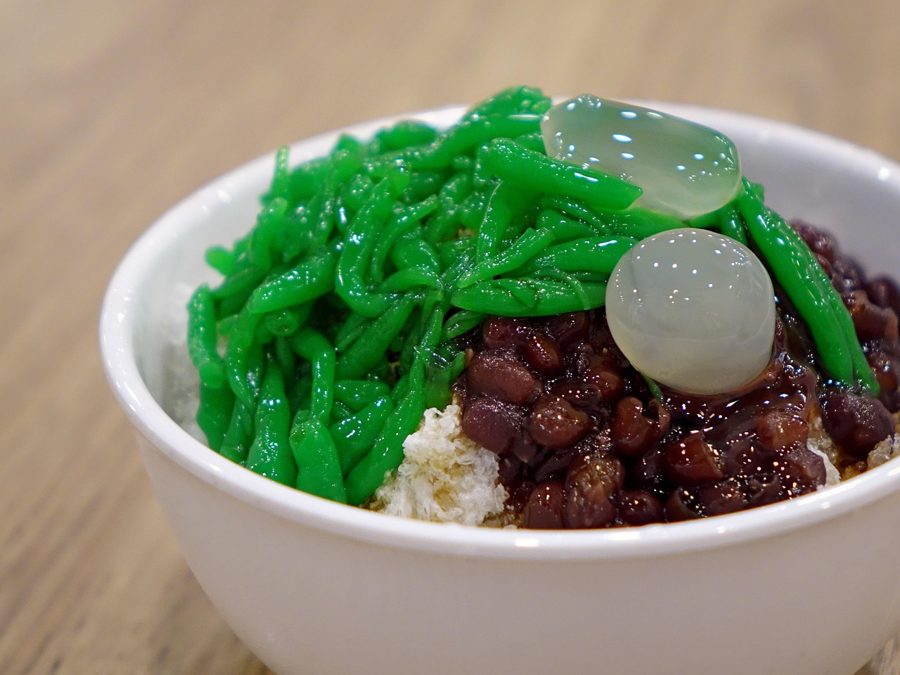
Every hot country nearby has a relative. Singapore and Malaysia have ais kacang and cendol; Thailand has red jelly and water chestnut under crushed ice and coconut milk. Ocampo’s view is that they share a single root in Japanese shaved ice, and that each country will insist the others copied it. I wouldn’t referee that, but the beans-under-ice arrangement is the Philippine one.
The parts, and where each comes from
Line up the jars on a halo-halo counter and almost every one is a Philippine crop or a Philippine invention. That is how a Japanese bean-and-ice snack became a Filipino dessert: one local sweet at a time. Here is what each part does in the glass, and what to look for.
Sweet beans
Red beans, mung beans (munggo), chickpeas (garbansos) and white beans (abitsuwelas) are boiled soft and kept in thick syrup. They are the oldest layer, straight from the mongo-ya. They are also the layer people pick out, so buy one jar, not three; red beans give the most flavour for the space.
Saba, the cooking banana
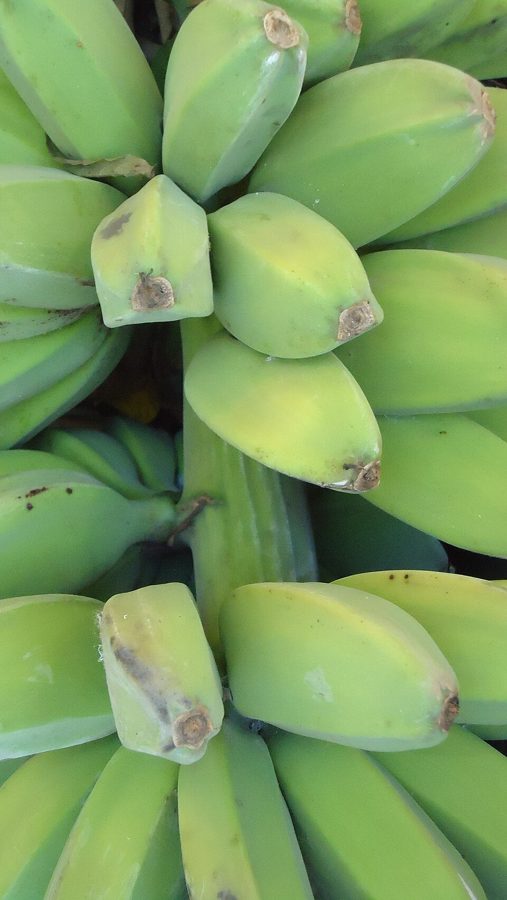
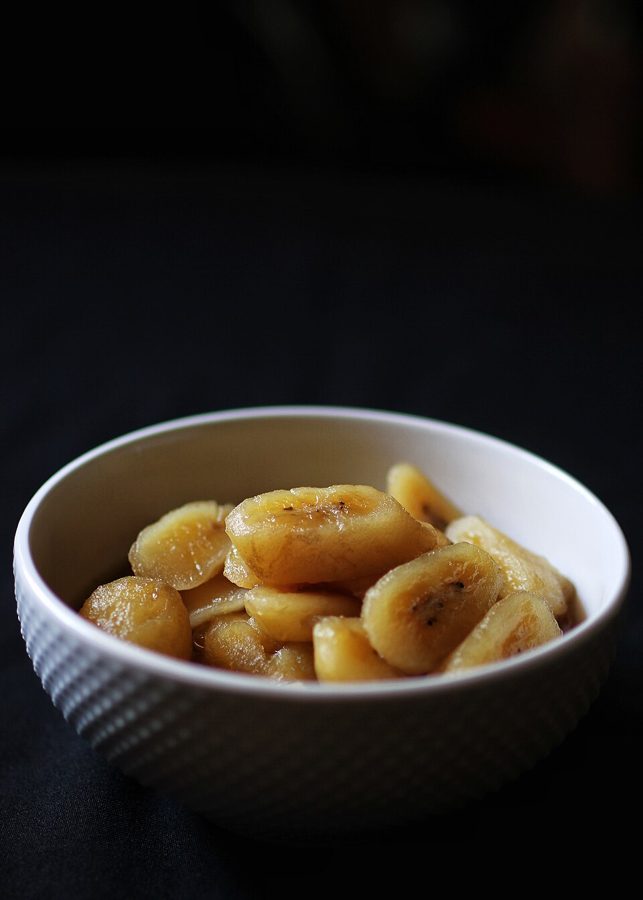
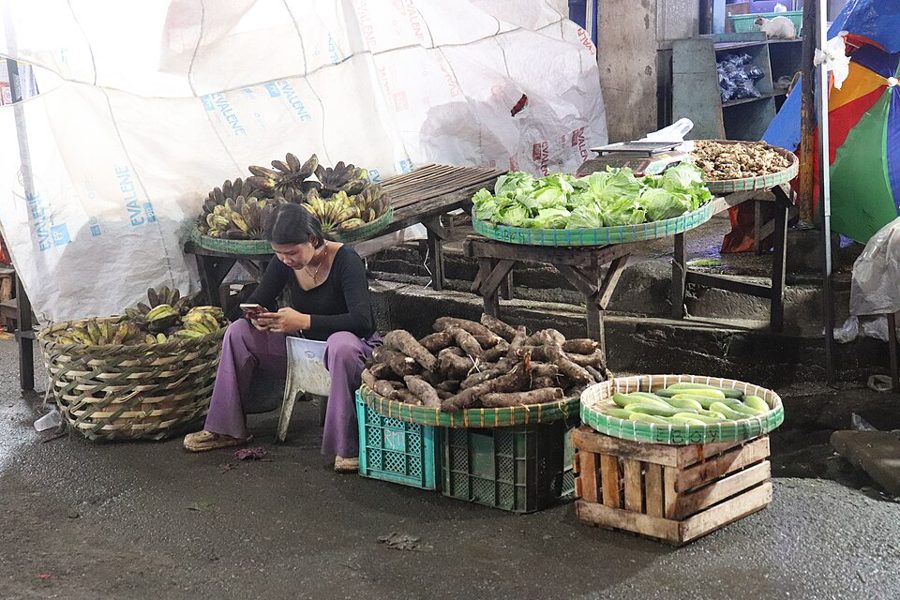
Saba is a squat, angular cooking banana, a Philippine hybrid with starchy white flesh that holds its shape when cooked. For halo-halo it becomes minatamis na saging: chunks simmered in arnibal, a syrup of brown or muscovado sugar and water, until they go amber and translucent. It is the best thing in the glass, and the easiest part to make yourself.
Langka
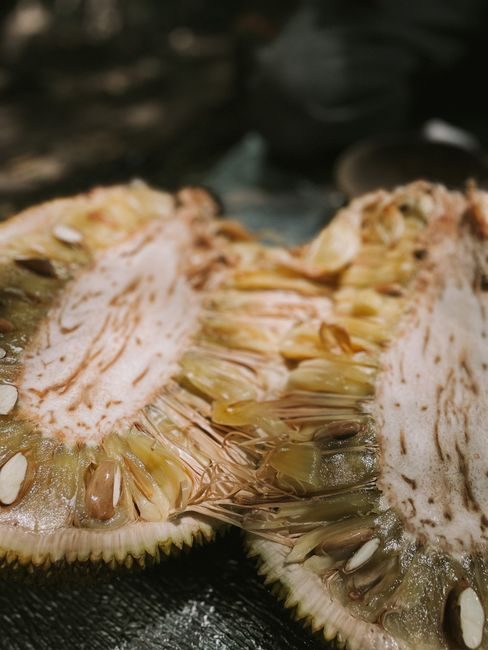
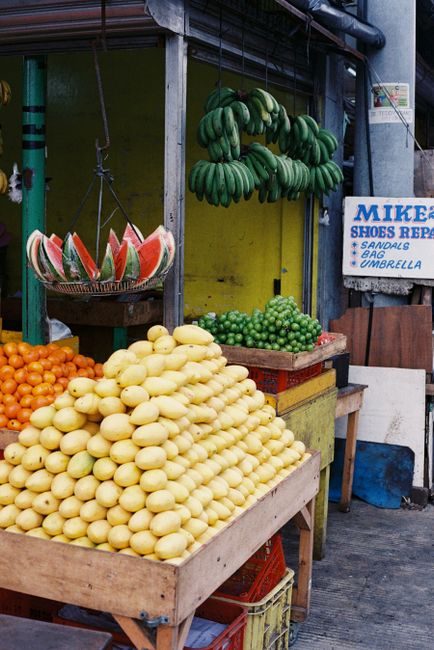
Ripe jackfruit, langka, is torn into strips from the bulbs and either used fresh or simmered briefly in syrup so it keeps. It brings the smell: a heavy, fruity perfume that reaches you before the spoon does. Canned jackfruit in syrup is fine here, and better than unripe fresh fruit.
Macapuno
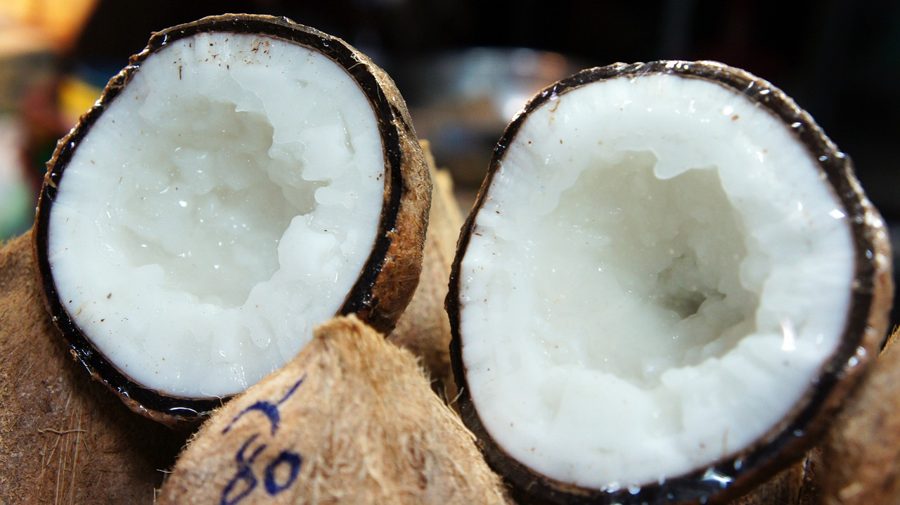
Macapuno is a coconut that went wrong in a useful way. Its flesh never firms up; it stays soft and jelly-like and fills the shell, with little or no water, which is what the Tagalog makapuno, roughly “the full one”, describes. You cannot tell a macapuno from a normal nut until you crack it, and commercial growing only took off after Emerita V. de Guzman developed an embryo-culture method in the 1960s.
Nata de coco
Nata de coco is fermented coconut water. Bacteria spin the water into a mat of cellulose, which is cut into cubes and sweetened, and the result has a firm, slightly squeaky chew. Teódula Kalaw África, a chemist at the National Coconut Corporation, developed it in 1949 as a year-round alternative to the pineapple-based nata de piña; commercial production started in Alaminos, Laguna, in 1954.
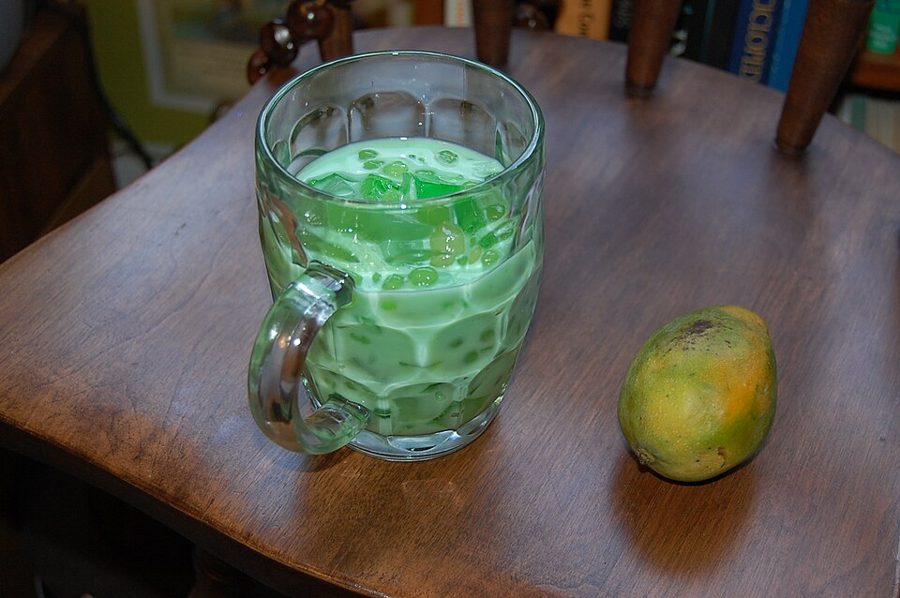
Kaong, gulaman and sago
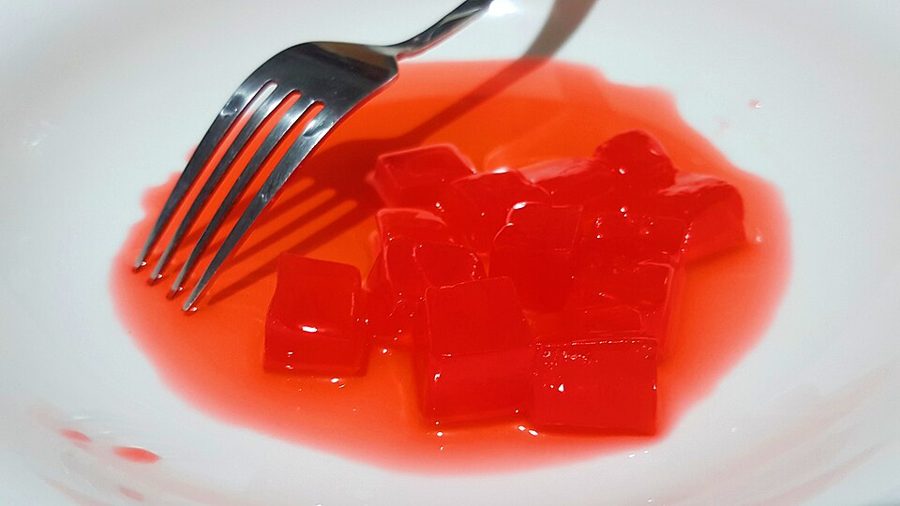
Kaong are the seeds of the sugar palm, Arenga pinnata, boiled until translucent and sold in syrup, often dyed red or green. Gulaman is agar from seaweed, set into firm cubes; a Tagalog dictionary compiled by Jesuits in 1754 already describes it as a herb of the sea made into a jelly. Sago pearls, cooked tapioca, add a third kind of chew.
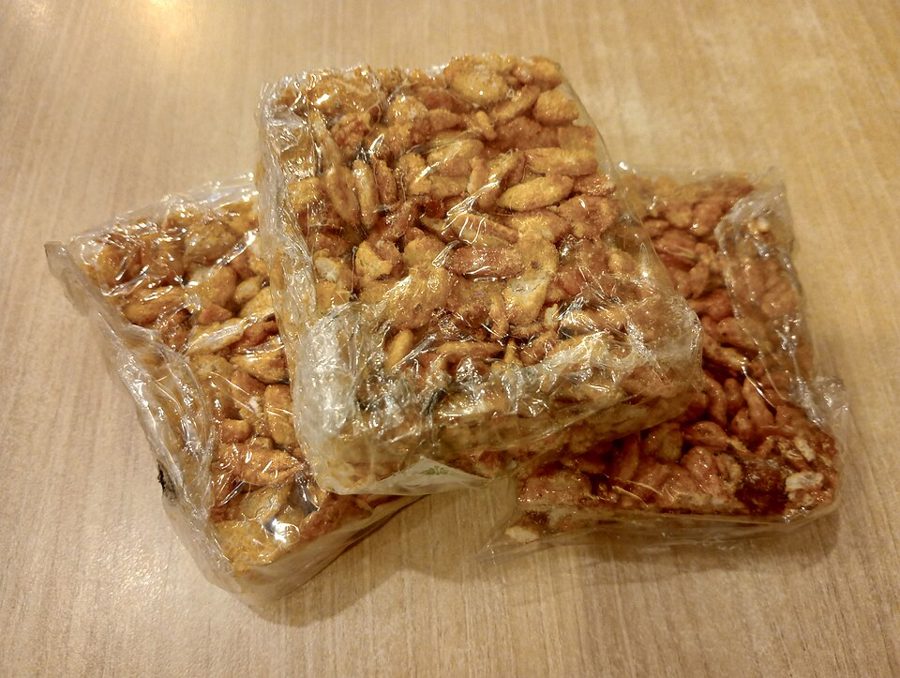
Pinipig
Pinipig is glutinous rice harvested green, pounded flat in a wooden mortar and toasted. It is the only crunch in a traditional glass, which is why it goes on last. Pampanga’s version, duman from Santa Rita, is toasted before it is pounded, and it is worth buying if you see it.
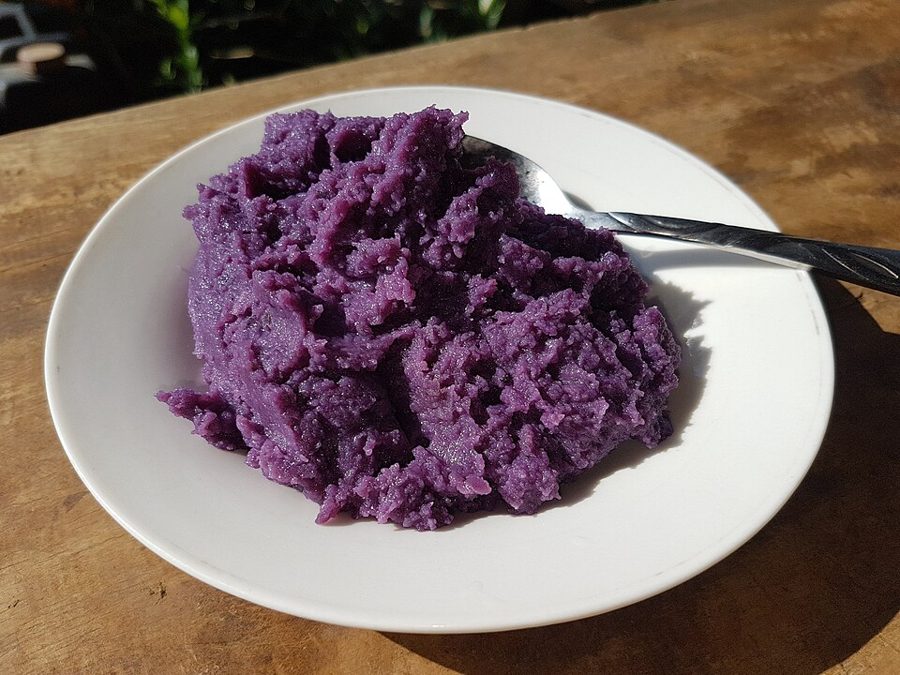
Ube halaya
Ube halaya, from the Spanish jalea, is boiled purple yam mashed and cooked down with milk, butter and sugar until it pulls from the pan. Plain boiled ube tastes of very little; what people call ube flavour is really the halaya. Ube itself is old here: remains have been found in Ille Cave in El Nido, Palawan, dated to around 11,000 years ago.
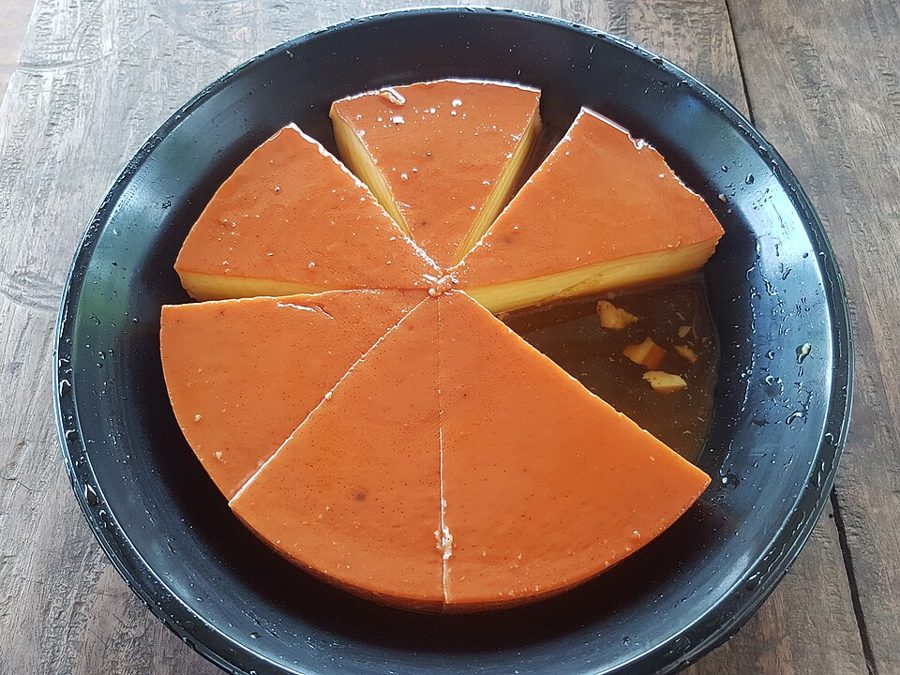
Leche flan
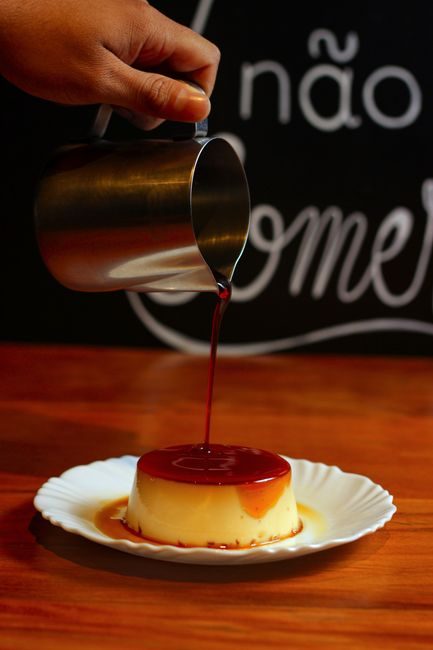
The Filipino leche flan is a dense, yolk-heavy custard made with condensed and evaporated milk, steamed in an oval tin called a llanera under a layer of caramel. It is richer and firmer than a European crème caramel, which is why it holds together sitting on wet ice. A slab on top is what many shops mean by “special”.
Pampanga’s halo-halo: fewer things, finer ice
Pampanga, north of Manila, has a reputation as the country’s culinary capital, and its two famous halo-halo houses both went the opposite way from the overloaded glass. They use fewer components, cook them carefully and shave the ice fine. I think they are right.
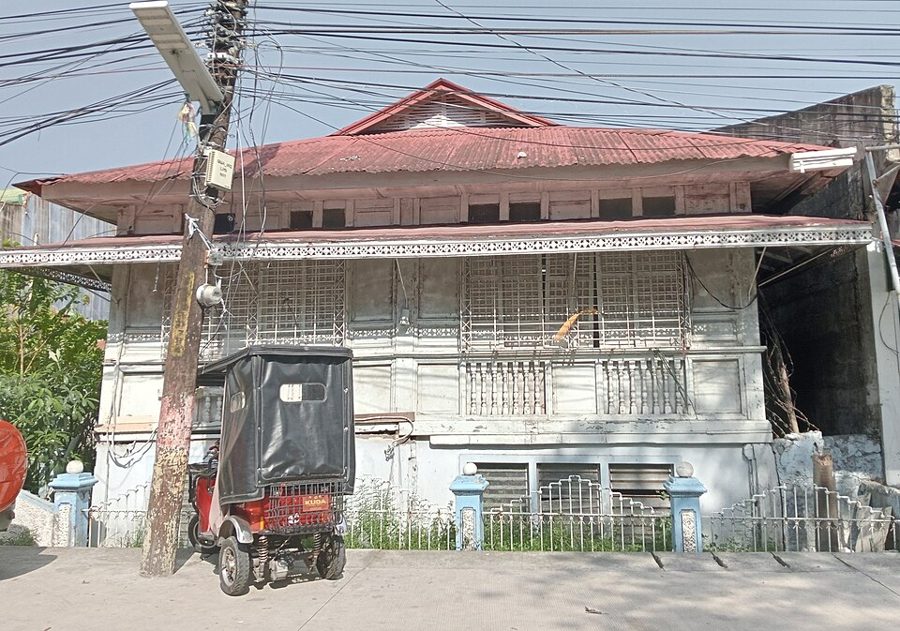
Razon’s, Guagua
Razon’s started as a family recipe in Guagua and has sold halo-halo there since 1972. The glass holds leche flan, saging na saba and macapuno, with finely shaved ice and milk, and nothing else. It comes with pancit luglug or palabok, the town’s thick-sauced noodles, and plenty of people order the two together as a meal.
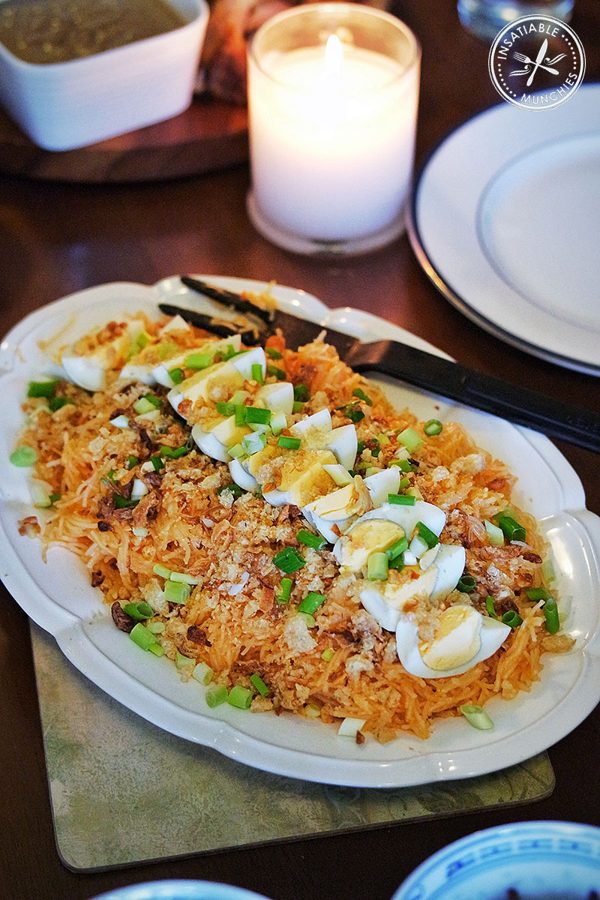
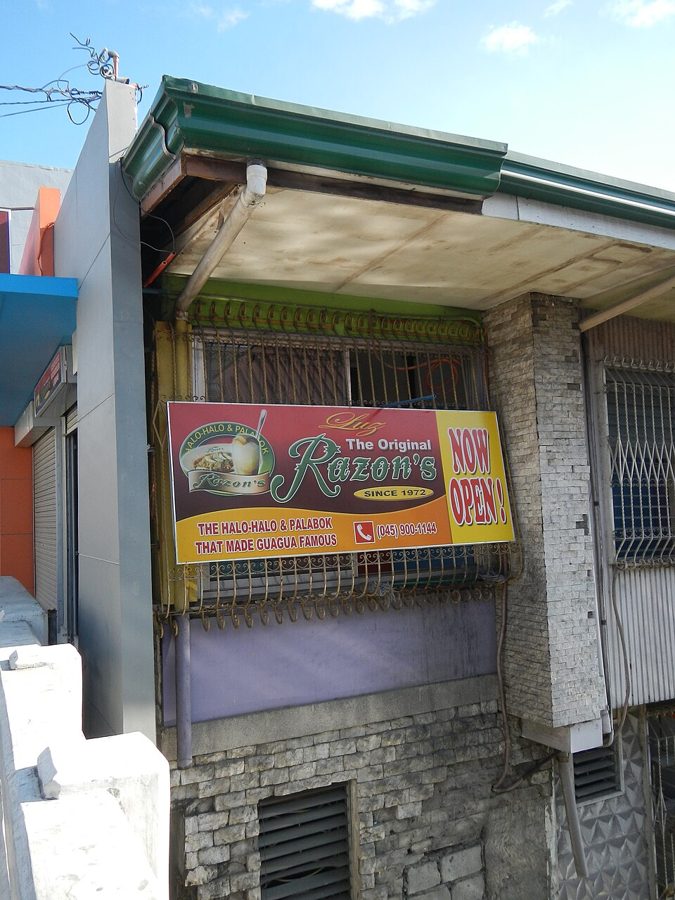
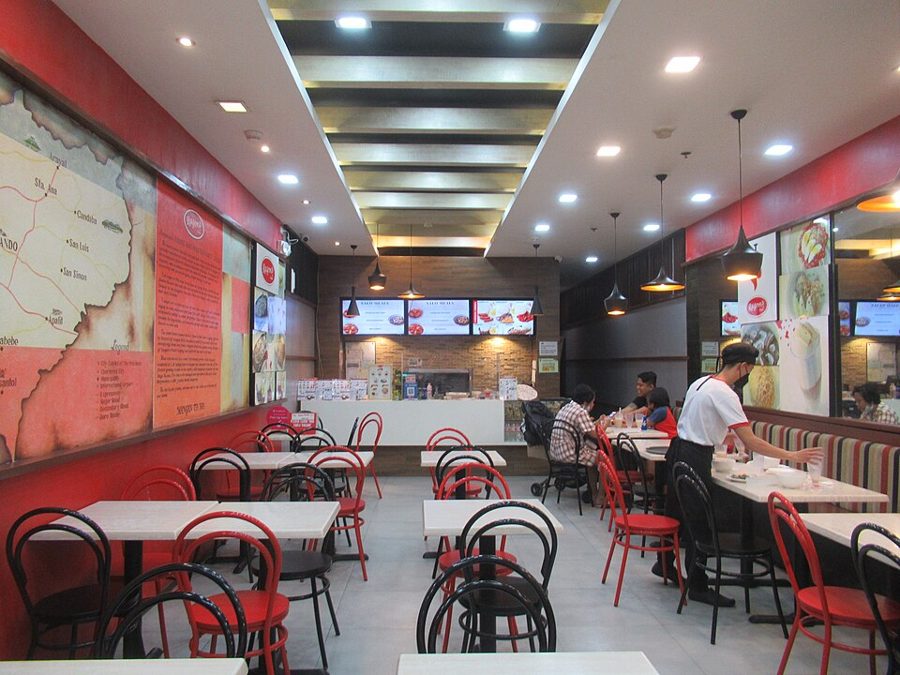
The success brought imitators. Ocampo noted a blue-signed Razon’s, run by someone else, competing with the red-signed “Original”, and Razon’s of Guagua itself now has branches in malls in Pampanga and Metro Manila. What to order does not change: the plain halo-halo first, and the extras later if you are still curious.
Kabigting’s, Arayat
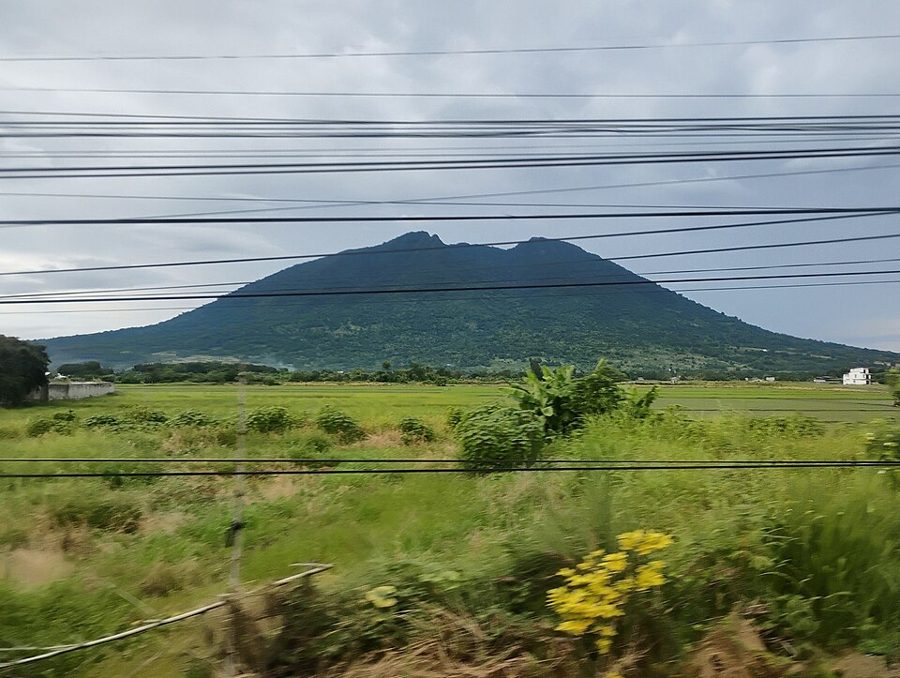
Kabigting’s comes from Arayat, at the foot of Mount Arayat, and goes rich where Razon’s goes plain. Its halo-halo uses carabao’s milk instead of cow’s, with soft pastillas milk candy, sweetened beans and creamed corn. The carabao’s milk is what you taste: fuller and slightly sweeter, which tempers the candy.

It has spread well beyond Arayat. In 2026 there are Kabigting’s counters in the SM Pampanga food court and at the Great Mall of Central Luzon in Xevera, among others. If you only try one Pampanga glass, make it Razon’s; if you try two, this is the contrast.
Cebu: cornflakes, mango and a hot cousin
Cebu’s halo-halo leans creamy and crunchy. The local shops top their glasses with cornflakes or peanuts instead of pinipig, add sweet mango, and make the milk thick. It suits the city, which eats halo-halo in malls, at market counters and from neighbourhood shops all year, as it eats most of Cebu’s food: casually and often.
Melton’s, Sol’s and Joanna’s
Melton’s has been making halo-halo since 1984 and runs shops across the south of the city, from Katipunan Street in Tisa to Pardo and Labangon, and out in Minglanilla. Its glass is evaporated milk over jackfruit, coconut, sweet mango, cornflakes and peanuts, in a tall glass or a bowl with two scoops of ice cream. Sol’s has branches in Inayawan, Pardo, Labangon, Talisay and Minglanilla, and is known for creamy ice under a heavy layer of cornflakes.
Joanna’s Halo-Halo in Pitogo, Consolacion, north of the city, was named best halo-halo in SunStar’s Best of Cebu awards for 2024. It goes the other way from Razon’s, with fifteen or more toppings per bowl, and it also makes a milk-tea halo-halo with tapioca pearls. That one is for the curious; the classic is the reason to go.
Kuya J and the mall glass
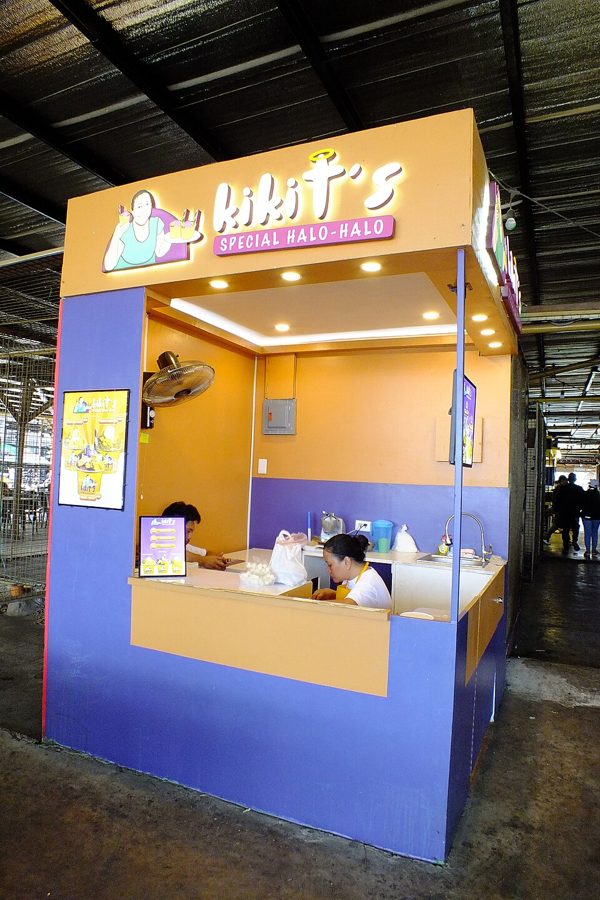
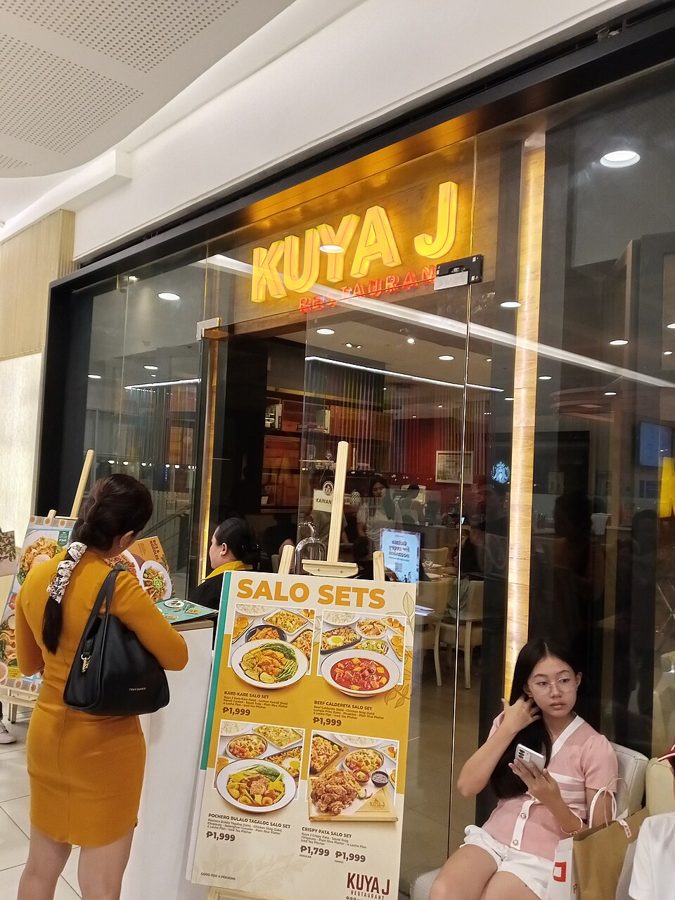
Kuya J started as a small eatery in Cebu and now has restaurants across the country. Its Halo-Halo Espesyal uses ube-flavoured ice with leche flan and ube cream on top, and the chain runs half-price halo-halo promotions in the hot months. The Razon’s name turns up in Cebu malls too, as Razon’s by Glenn, at SM Seaside City and the Central Bloc at Ayala Center, with an ube-macapuno glass and a corn version beside the classic.
Binignit, the warm one
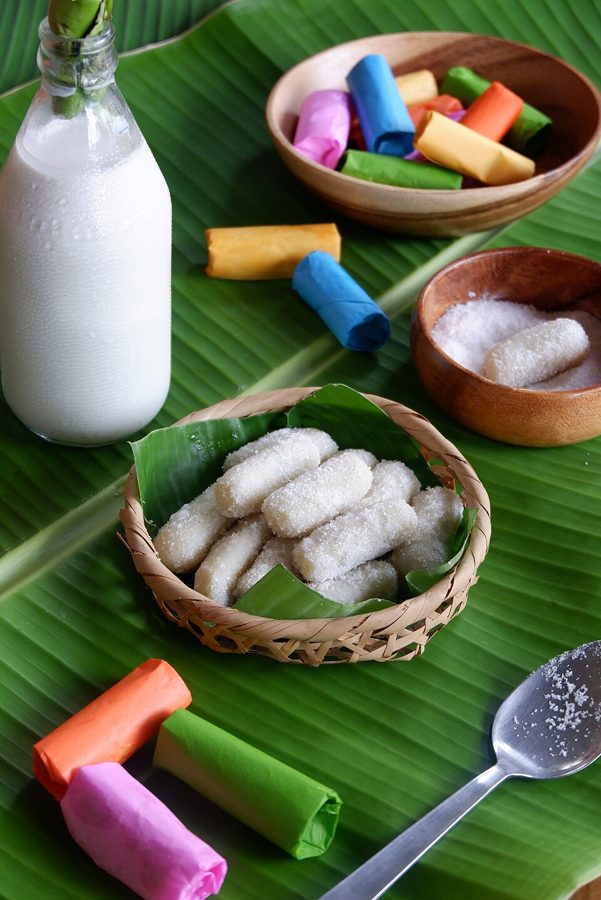
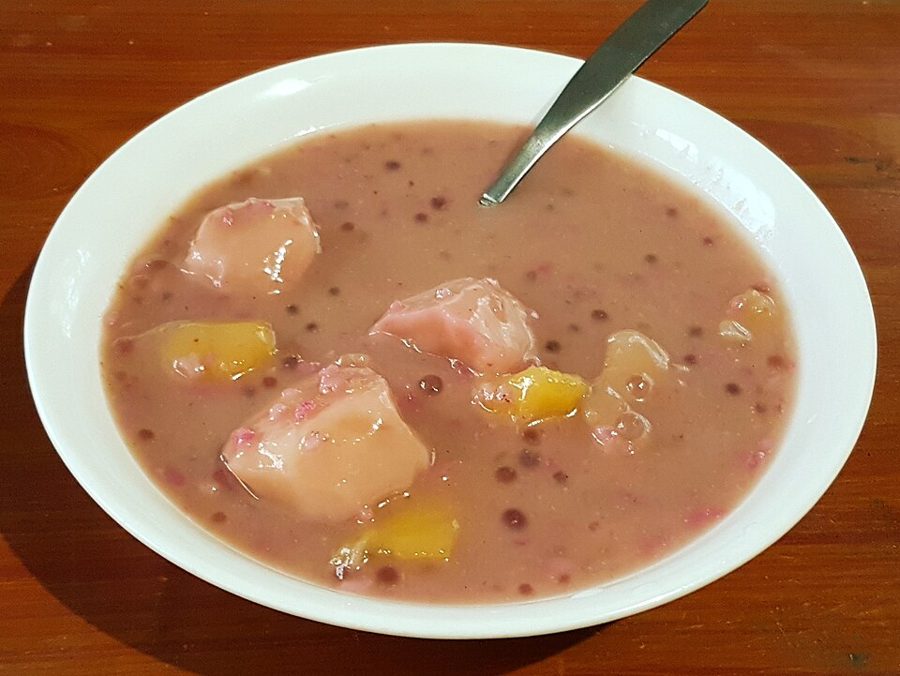
Cebu also makes the hot version. Binignit uses many of the same things, saba, langka, sweet potato, taro and sago, with glutinous rice balls, simmered in coconut milk and eaten warm. In Tagalog it is called ginataang halo-halo, mixed things in coconut milk.
Chain halo-halo, and some regional odd ones
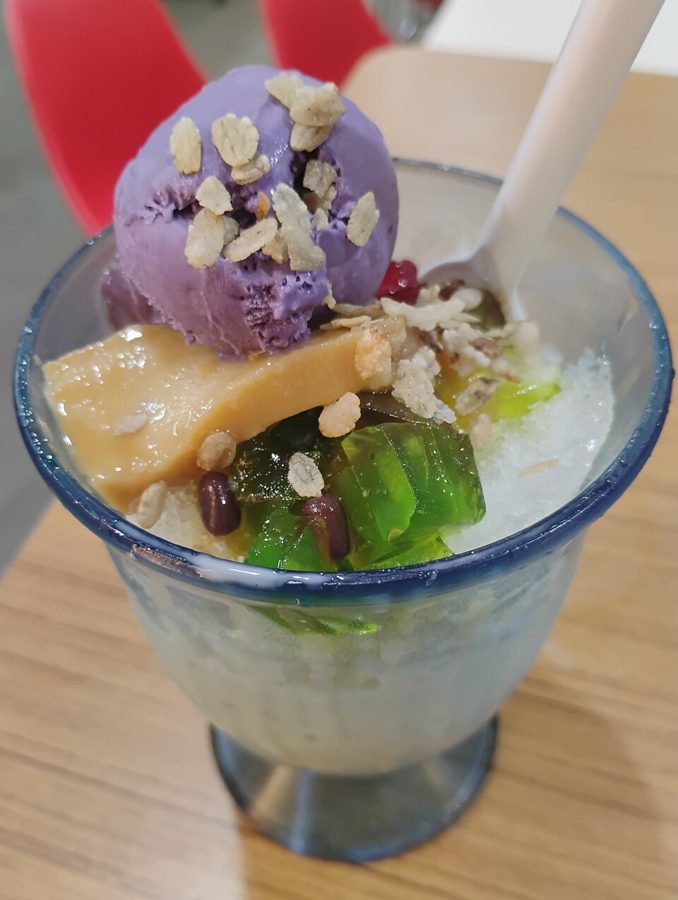
Plenty of halo-halo is eaten at fast-food counters, and there is no shame in it. Chowking’s Halo-Halo Supreme is the benchmark: red beans, jellies, leche flan and ube ice cream over ice. It is sweeter and busier than the Pampanga glasses, and it is everywhere.
Mang Inasal, the grilled-chicken chain, relaunched its glass in 2026 as an Extra Creamy Halo-Halo. Jollibee has a halo-halo too; Anthony Bourdain ate one at a Jollibee in Los Angeles in 2013 and called it oddly beautiful, which is fair. None of these is the best glass in the country, but each is consistent from branch to branch.
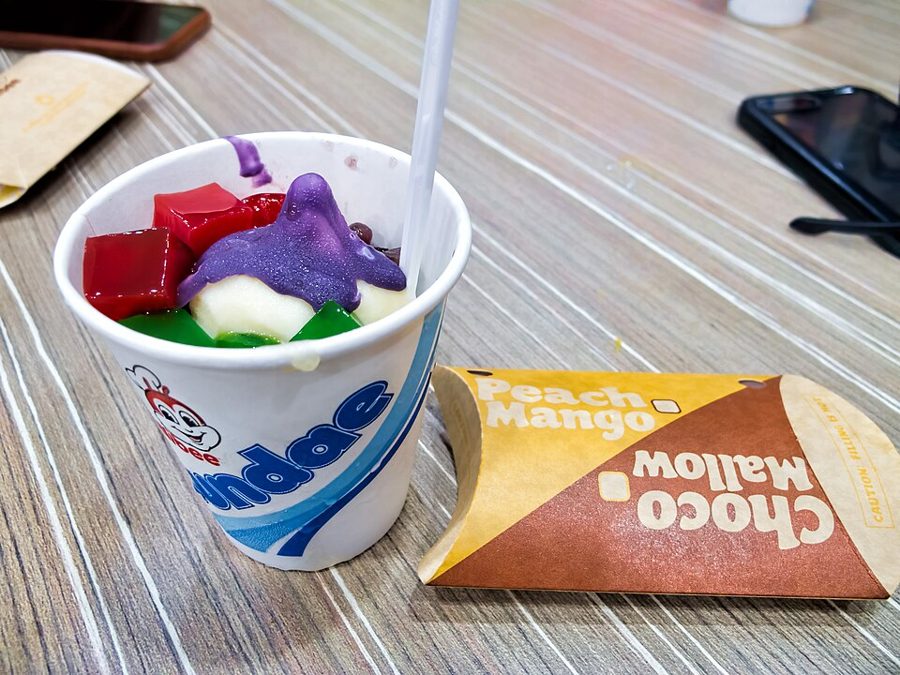
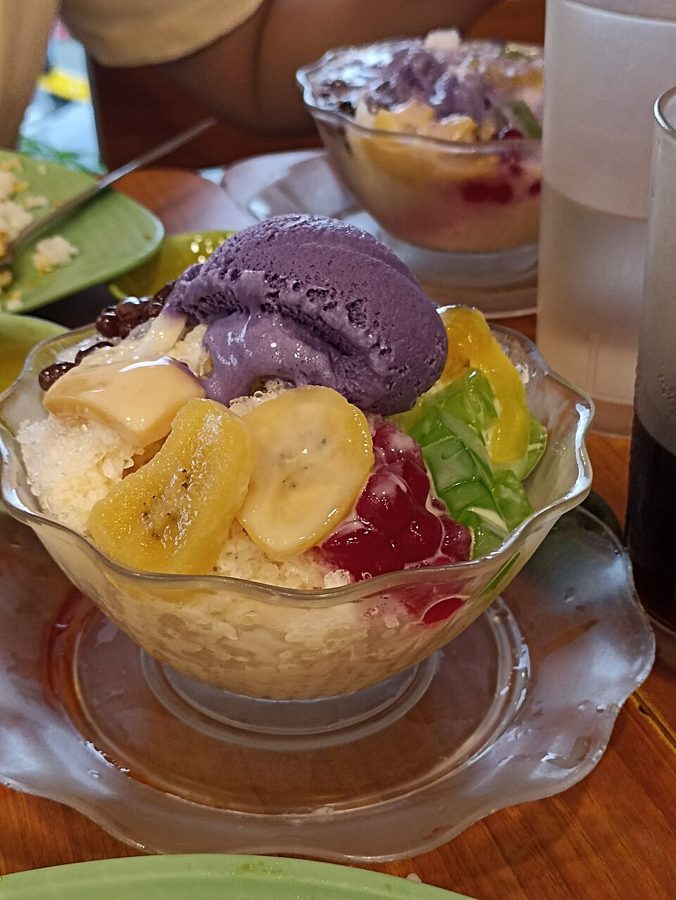
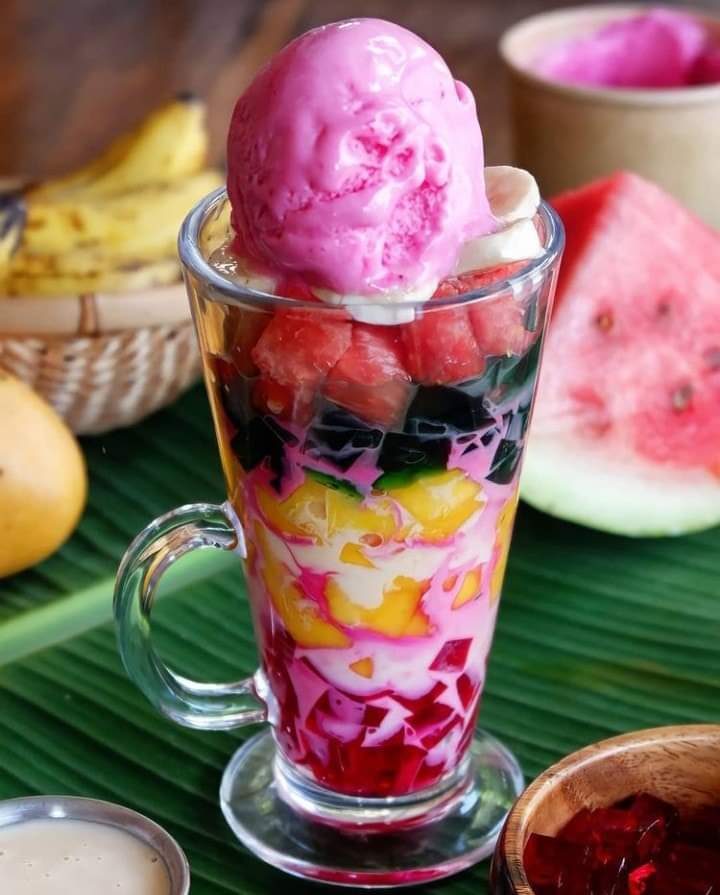
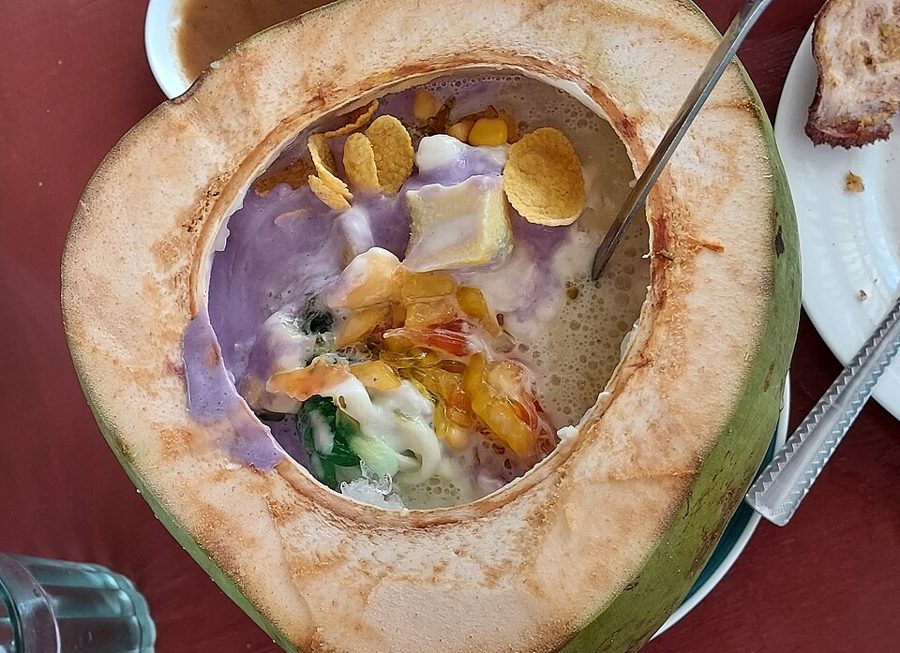
Regional versions drift further. Zamboanga’s knickerbocker is mostly fresh fruit, watermelon, mango and banana, with jelly and strawberry ice cream instead of beans and ube. In coastal towns, halo-halo is sometimes served in a halved young coconut, so the soft meat becomes another layer.
Ice: shaved, not crushed
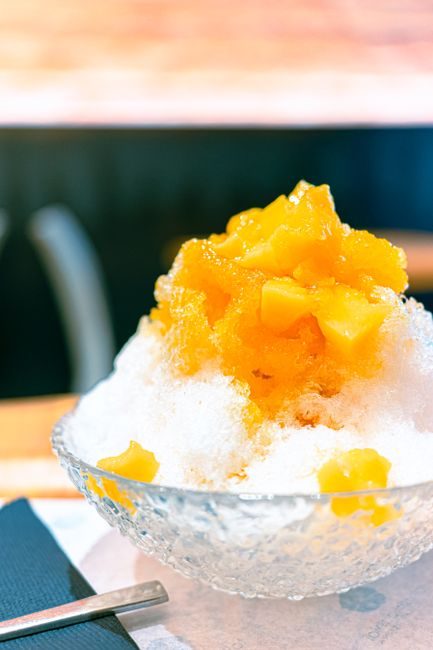
The ice decides the glass. Shaved ice is fine as snow: it packs down, drinks up the milk and melts into a cold slush you can finish with the spoon. Crushed ice is gravel; the chunks stay hard, the milk runs to the bottom and the last third is sweet water. When Ocampo picked his favourite halo-halo in Manila, his reasons were finely shaved ice and freshly stewed sweets, and those are the two things to judge any glass by.
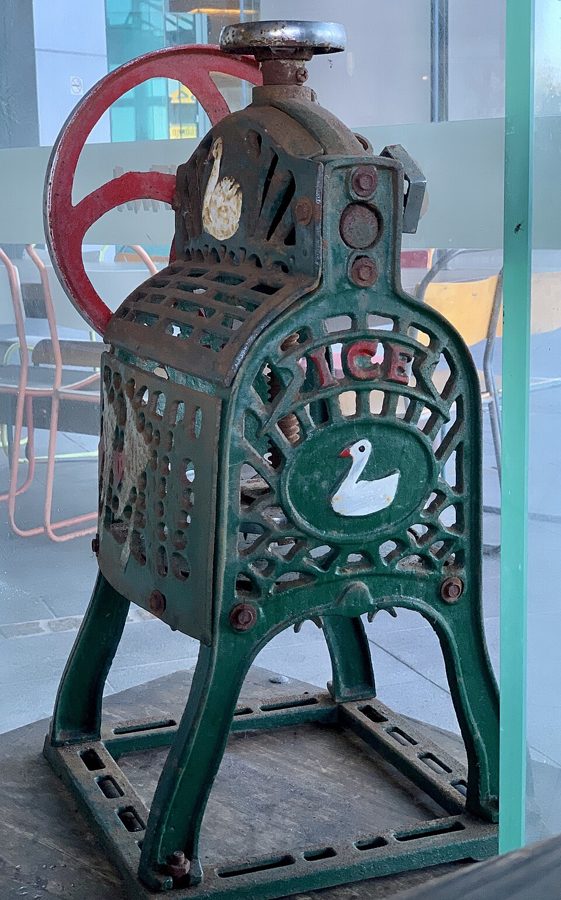
Stands shave from a block. The old machines are hand-cranked: the block is clamped on top and turned against a blade set in the base, and the snow falls into the glass below. Electric shavers do the same job faster, and you will see both. Japanese kakigori makers temper their ice before shaving, letting the block warm slightly so it shaves into feathers instead of chipping.
At home, a small hand shaver that takes a puck of ice frozen in its own mould is the cheapest way to proper texture. Freeze water in the mould overnight and leave it out for a few minutes before shaving. A high-powered blender is the fallback: pulse small batches of ice until it looks like wet sand, and accept a coarser glass that melts faster.
Recipe card
Halo-halo at home
You do not need fifteen jars. Make two things, minatamis na saging and a leche flan, buy three or four jars, and you have a better glass than most counters serve. The recipes I compared, in English and in Tagalog, agree on the method and disagree on sugar, from half a cup to two cups for eight bananas. The Tagalog home recipes cluster around a cup of sugar to a cup or two of water for eight to ten saba, and that is where I land, with enough water to keep the syrup pourable, because it also sweetens the milk.
Cooking times differ too. Recipes that slice saba a few millimetres thick cook it for five minutes; recipes that cut thick chunks, as Filipino cooks usually do, simmer it for 20 to 30 minutes until translucent. I cut chunks, because thin slices fall apart under the ice.
Serves 4 tall glasses. About 1 hour 30 of cooking, plus 4 hours chilling for the flan.
Ingredients
For the minatamis na saging
- 8 ripe saba bananas, yellow with black spots (about 1 kg / 2 lb)
- 200 g (1 cup) packed brown or muscovado sugar
- 375 ml (1½ cups) water
- 2 pandan leaves, tied in a knot, or 1 tsp vanilla extract
- A pinch of salt
For the leche flan
- 6 tbsp white sugar, for the caramel
- 10 egg yolks
- 1 can (300 ml / about 1¼ cups) sweetened condensed milk
- 1 can (370 ml / about 1½ cups) evaporated milk
- 1 tsp vanilla extract, or the finely grated zest of 2 calamansi or 1 lime
For each glass
- 2 tbsp minatamis na saging, plus 1 tbsp of its syrup
- 2 tbsp sweet red beans from a jar
- 2 tbsp macapuno strings from a jar
- 1 tbsp kaong or nata de coco from a jar, drained
- 1 tbsp langka in syrup, cut into strips
- 1 tbsp ube halaya from a jar
- About 360 ml (1½ cups) loosely packed shaved ice, plus more to mound
- 60 ml (¼ cup) evaporated milk, very cold
- A 4 cm (1½ in) square of leche flan
- 1 tbsp toasted pinipig
Method
- Make the caramel: put 3 tbsp sugar in each of two llaneras (oval flan tins) or all 6 tbsp in a 20 cm (8 in) round tin. Melt over low heat, tilting, until it turns amber, then take it off the heat and tilt to coat the base. It will harden; that is fine.
- Whisk the yolks gently with the condensed milk, then stir in the evaporated milk and vanilla or zest. Do not beat in air. Strain it through a fine sieve twice; this is what makes the flan smooth.
- Pour the custard over the caramel, cover each tin tightly with foil and steam over barely simmering water for 35 to 40 minutes, until the centre is set but still trembles. High heat gives you holes. Cool, then chill at least 4 hours.
- While the flan steams, peel the saba and cut each into three or four thick pieces, about 2 cm (¾ in).
- Bring the water, brown sugar, salt and pandan to a boil in a wide pan and stir until the sugar dissolves. Add the saba in one layer.
- Simmer gently, turning the pieces once or twice, for 20 to 25 minutes, until the bananas turn amber and translucent and the syrup thickens slightly. If you are using vanilla rather than pandan, add it now. Cool in the syrup and chill.
- Chill four tall glasses (about 500 ml / 16 oz) and the evaporated milk. Run a knife round the flan, turn it out and cut 4 cm squares.
- Spoon the saba, beans, macapuno, kaong or nata de coco and langka into the bottom of each glass, with a spoonful of saba syrup.
- Shave the ice straight into the glasses, packing it down lightly and mounding it over the rim.
- Pour the cold evaporated milk over the ice. Top with the ube halaya and a square of flan, and scatter the pinipig last so it stays crisp. Serve at once with long spoons.
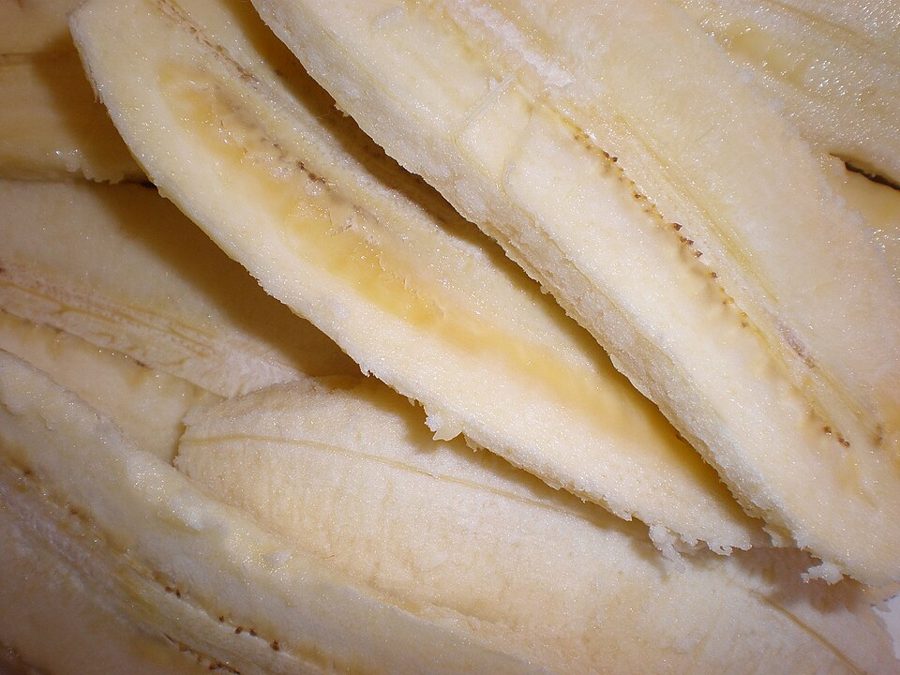
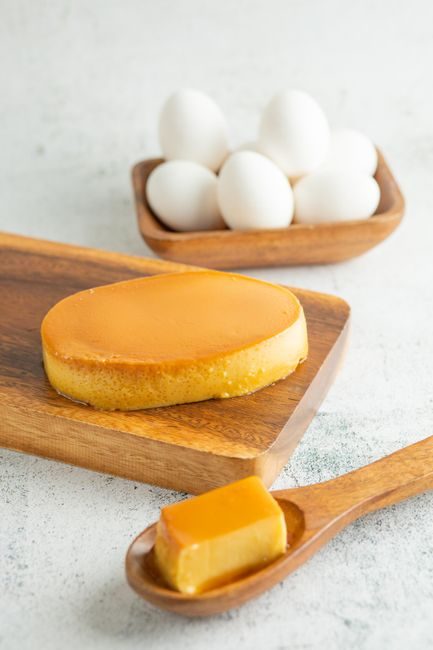
The saba keeps several days in its syrup in the fridge, and the opened jars keep far longer. Once the parts are made, each glass takes two minutes to build, which is the whole point: halo-halo is assembled to order, never made ahead. Shave the ice last, at the table if you can.
Eating it: stir, and when
Stir it. The name is an instruction, and the glass is built to be mixed: dig the long spoon to the bottom, pull the beans and saba up through the ice and keep going until the milk turns pale purple from the ube. Some eateries serve it with an empty bowl so you can tip it out and mix properly. If there is ice cream on top, the usual habit is to eat some of it first, before it melts into everything else.
Then eat it fast, but not too fast. The best minute is just after mixing, when the ice has taken the milk and the flan is still cold and firm. Leave pinipig or cornflakes for last if you like the crunch; they go soft within minutes.
Halo-halo is a summer dessert, and the Philippine summer is March to May, the hot, dry months before the rains arrive in June and while schools are out. That is when roadside stands open and when the chains run their halo-halo promotions. Mall counters sell it all year now, and a glass on a humid afternoon in October is no worse for the date.
If you are making it at home, start where Pampanga starts: saba, macapuno, leche flan, fine ice and cold evaporated milk. Eat that glass first. Add the beans, the jellies and the ube only if you find yourself missing them.