
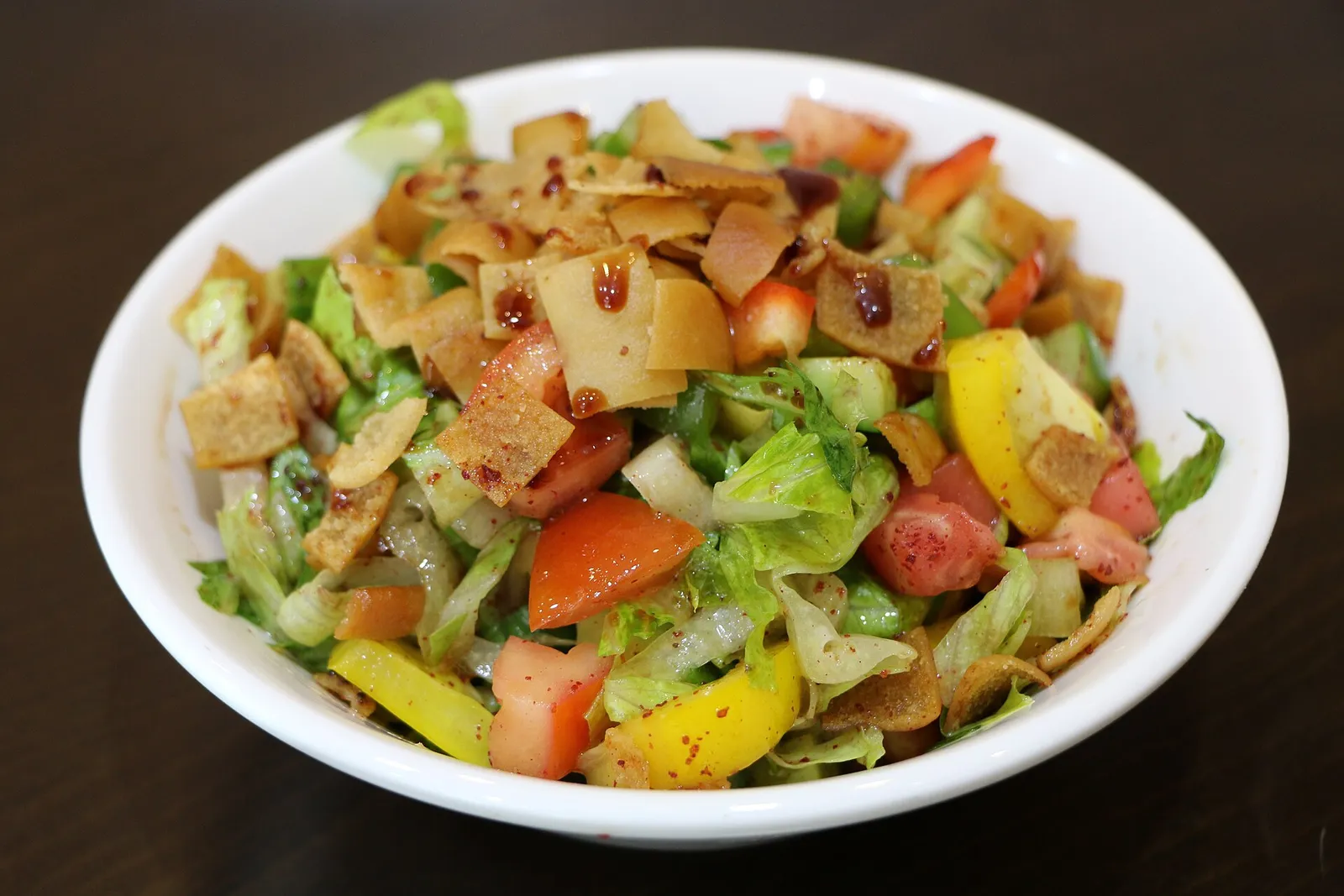
Every year, just before Ramadan, a Beirut research firm goes shopping for one salad. On 16 February 2026, Information International collected prices from twelve shops for everything in a 1.5 kg bowl of fattoush (فتوش) for five people: lettuce, tomatoes, cucumbers, peppers, radishes, dry and green onions, parsley, garlic, lemon juice, olive oil, salt, sumac and bread. The bowl came to LL397,977, just under 80,000 lira a head. In 2020 the same bowl cost LL4,250.
Nobody measures the cost of living with a holiday dish. Fattoush is on the table every evening of the fast, and for the rest of the year it is the salad that turns up beside the grill, the hummus and the fried fish, built from whatever the vegetable seller had that morning and whatever bread was left over from yesterday.
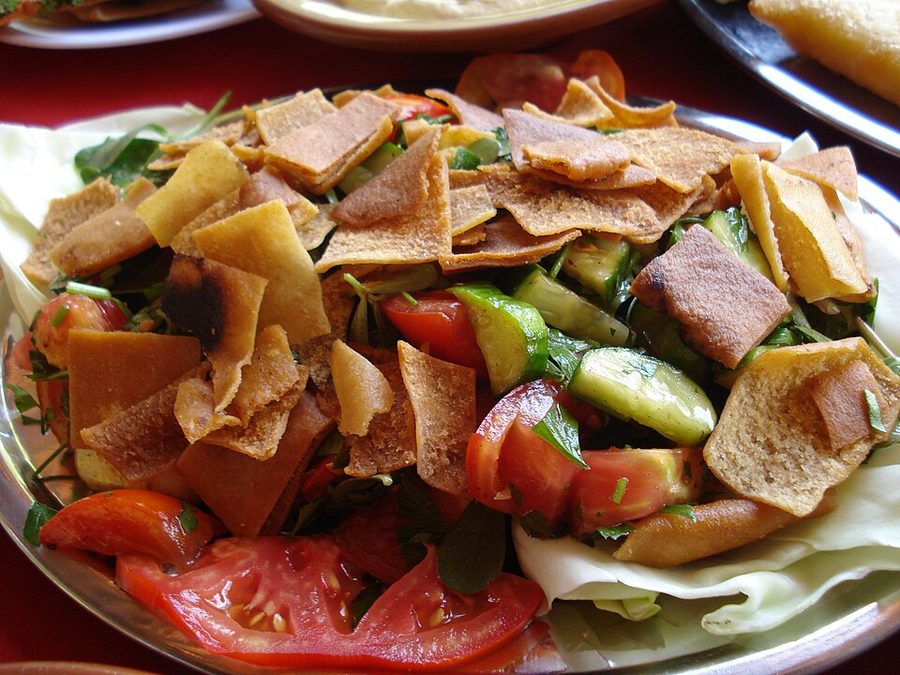
That leftover bread is the whole point. Fattoush began as a way to use up stale flatbread, and it is at its best for about a quarter of an hour after the dressing goes on. Every argument about it, from purslane to pomegranate molasses, comes back to two things: crisp bread and enough sour.
Contents 7 parts
Yesterday’s bread, broken up
The name comes from the Arabic fatt, to break or crumble into pieces. It puts fattoush in a family of Levantine dishes called fatteh, all built on flatbread that has gone dry: broken up and soaked in yoghurt with chickpeas, layered under meat and rice, or, in this case, scattered through a bowl of raw vegetables. Bread in the Levant is baked daily and thin, and it stales in a day. These dishes are what a household does with the rest.
The idea is old. The historian Nawal Nasrallah, who translated the tenth-century Baghdad cookbook of Ibn Sayyar al-Warraq into English as Annals of the Caliphs’ Kitchens, points to vegetarian tharid recipes in it made from dried, crumbled bread with cucumbers, herbs and olive oil. They are not called fattoush, but you would recognise the bowl.
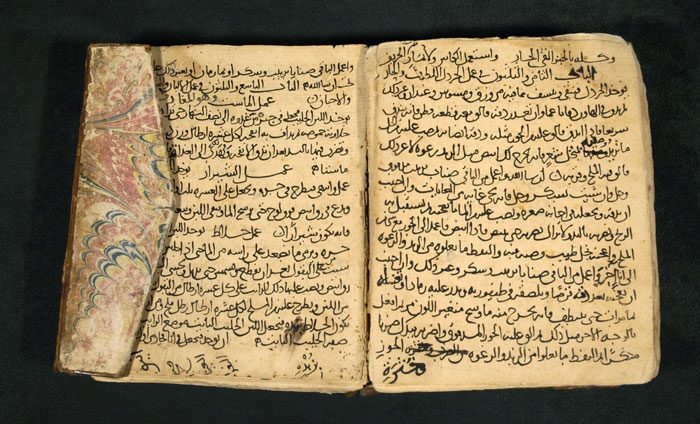
A 19th-century description by the Dutch Arabist Reinhart Dozy is closer still, and it shows how much the salad has changed. His fettush was stale, dry bread soaked in water and squeezed out, then mixed with finely chopped cucumber or onion, mint, purslane, olives, salt, vinegar and oil. There is no tomato, no lettuce and no sumac in it. The sour came from vinegar, and the bread was soft.
English met the word late. The Oxford English Dictionary’s earliest citation is from 1955, in the Stevens Point Journal, a local paper in Wisconsin.
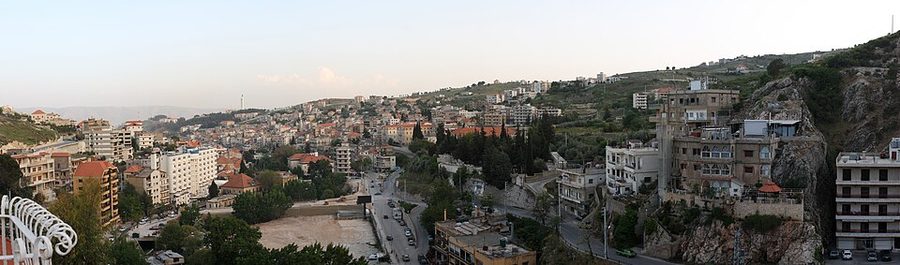
Zahle, in the Bekaa, has a well-known Fattouche family, and a story told in Lebanon credits them with the salad. The word does not need them: fatt explains it, and the habit of crumbling dry bread into vegetables is far older than any family name.
Fattoush or tabbouleh?
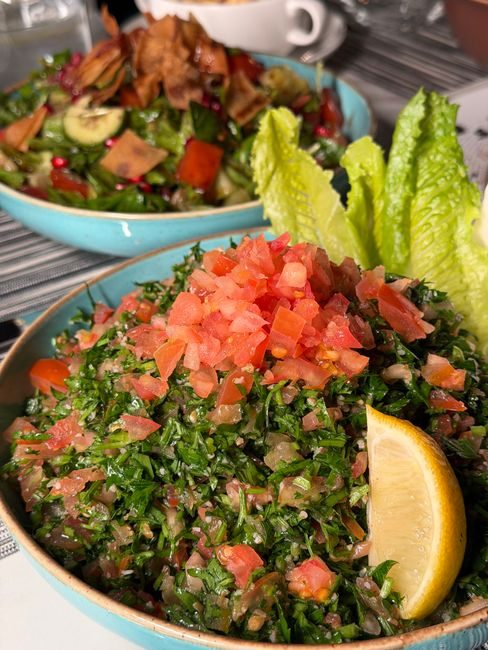
The two share a table and get confused abroad. Tabbouleh is a fine-cut parsley salad with a pinch of bulgur and a lemon dressing, and fattoush is the chunky one: big pieces, bread instead of wheat, sumac as the sour. Order both; they do different jobs on the table.
What goes in the bowl
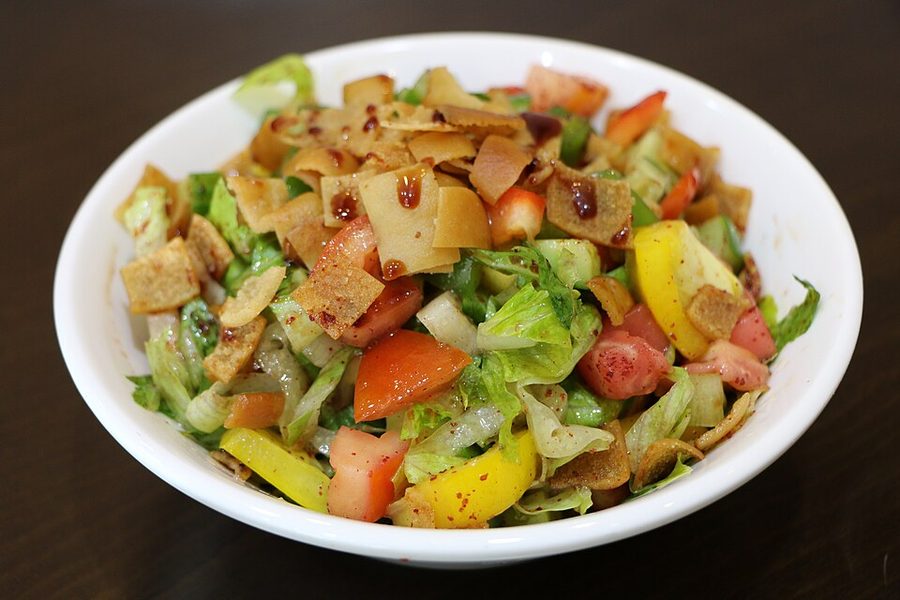
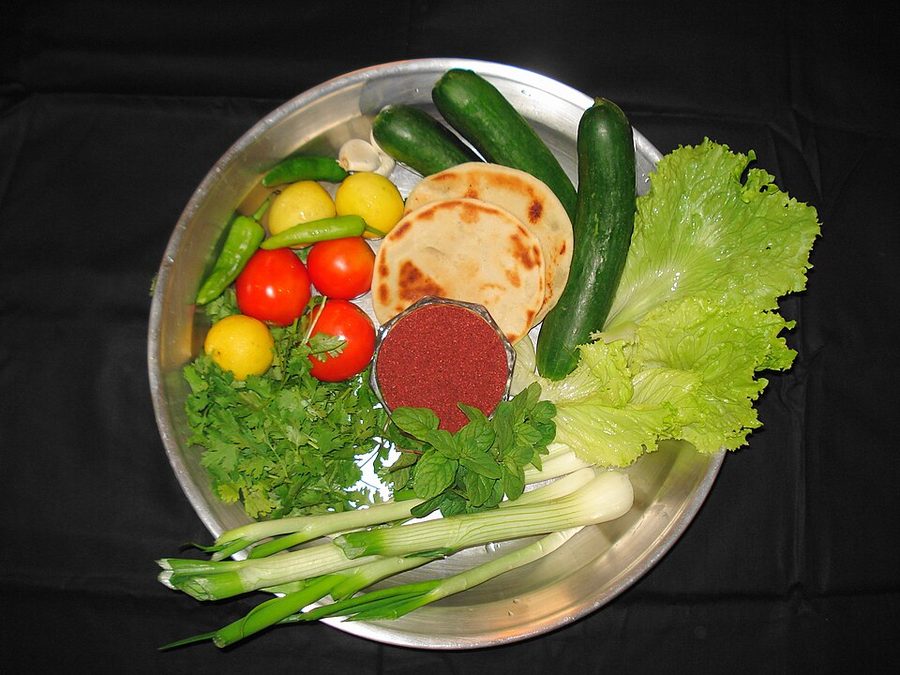
There is no fixed list, and every recipe I compared in English, Arabic and French changes something. What stays constant is the structure: a green, something crunchy, something juicy, herbs, fried or toasted bread, and a sour dressing with sumac in it. The rest follows the season and the market.
Purslane first
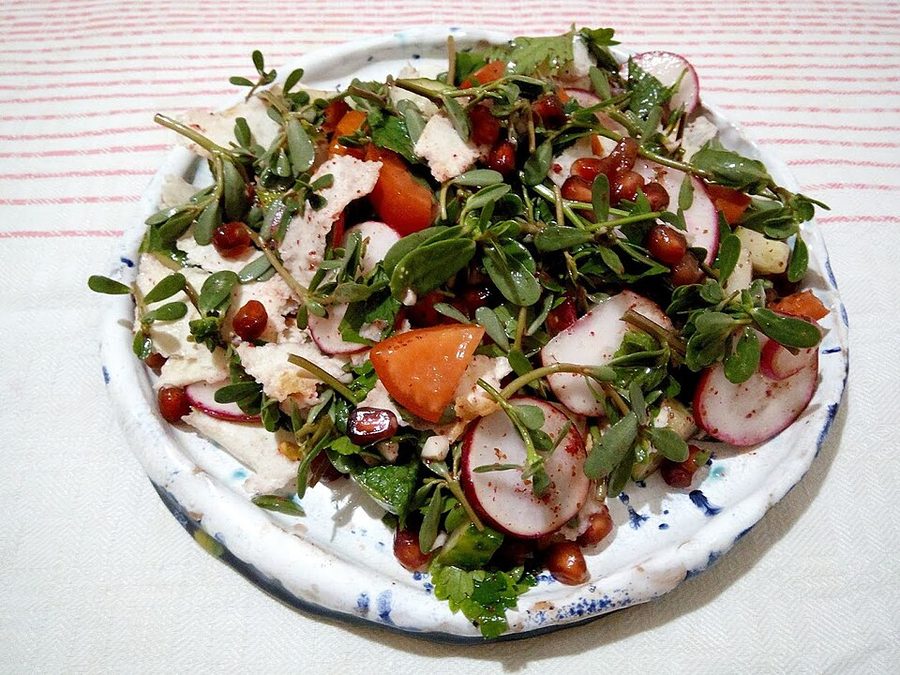
Purslane, baqleh in Lebanese Arabic, is the green that makes fattoush fattoush in summer. It is Portulaca oleracea, a low succulent with thick, spoon-shaped leaves and reddish stems that grows as a weed in hot weather almost everywhere in the world. Raw, it is crisp and juicy, with a faint lemony sourness that sits well under sumac.
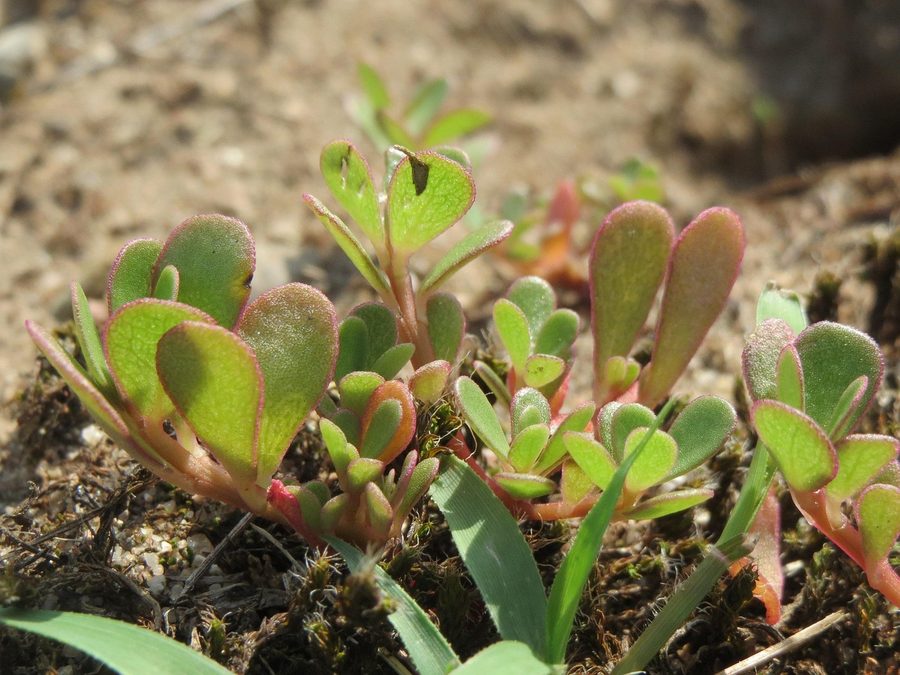
The plant goes by other names around the region: farfahina in parts of the Levant and rigla in Egypt. A 2015 review in the Journal of Food Research describes it as a rich source of alpha-linolenic acid, the omega-3 fat found in plants, which is a pleasant thing to know about a weed you can pull out of a pavement crack.
Outside the Levant, look for it at farmers’ markets in summer and in Greek, Turkish and Mexican shops, which sell it as andrakla, semizotu and verdolaga. Buy bunches with firm, glossy leaves. Pick off the leaves and the tender tips and leave the thick lower stems, which are stringy.
If you cannot find it, French Lebanese cooks reach for lamb’s lettuce (mâche), which has the same soft, round leaf. Watercress adds a peppery bite instead. Or simply make it with more lettuce and a little more lemon, which is how fattoush is made in Lebanon in winter anyway.
Lettuce, cucumber, tomato, radish
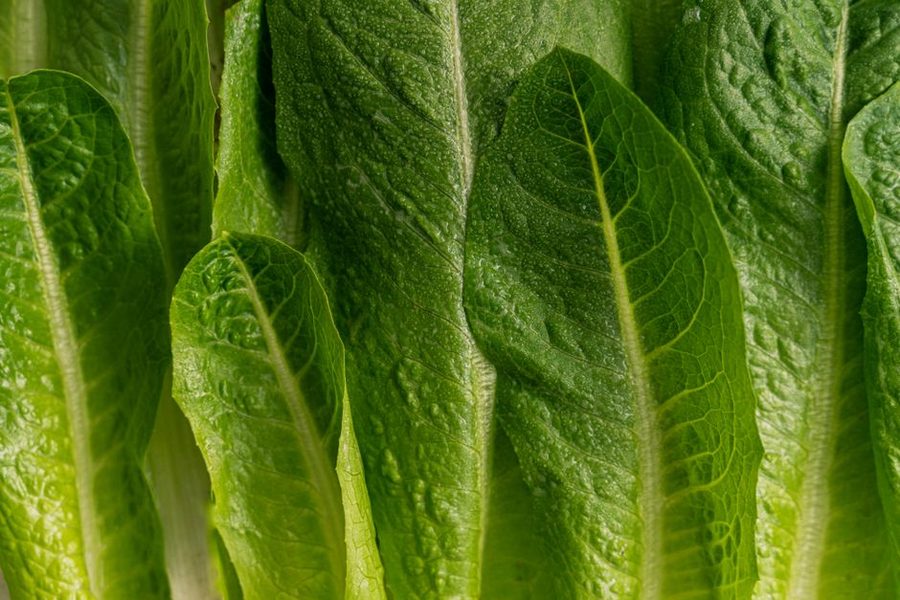
Cos, sold as romaine in the US, is the usual lettuce: it stays crisp and holds the dressing in its ribs. Iceberg works and some restaurants use it, but it adds water and no flavour. Tear or cut the leaves into pieces about the size of a large stamp.
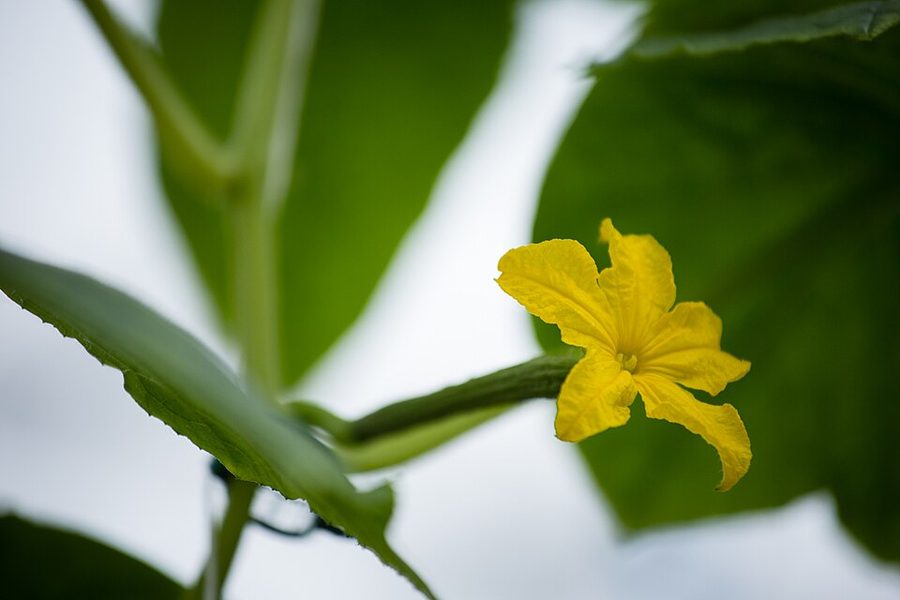
Use small, thin-skinned Lebanese or Persian cucumbers if you can find them. They have few seeds and need no peeling. With a large slicing cucumber, peel off the waxy skin and spoon out the seeds, or the bowl will be swimming in ten minutes.
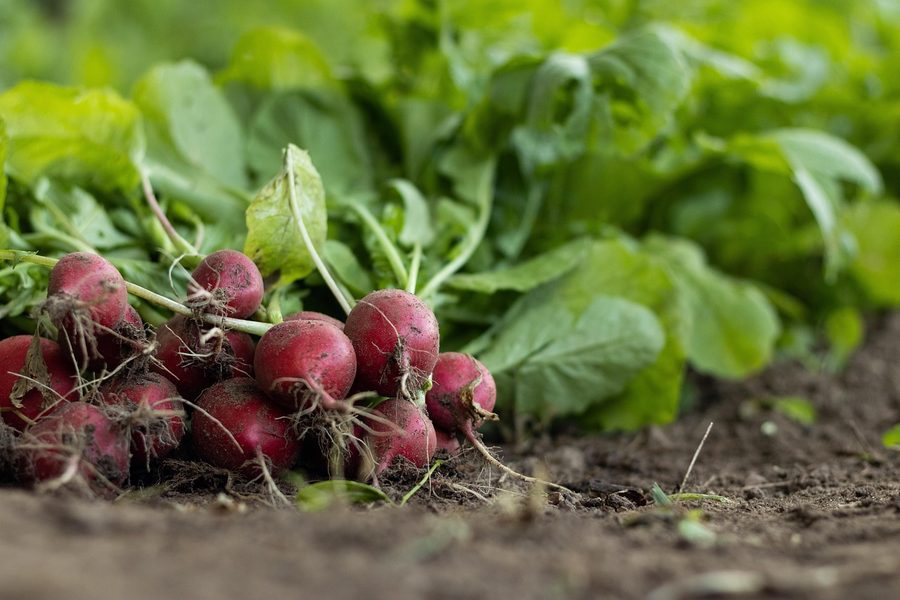
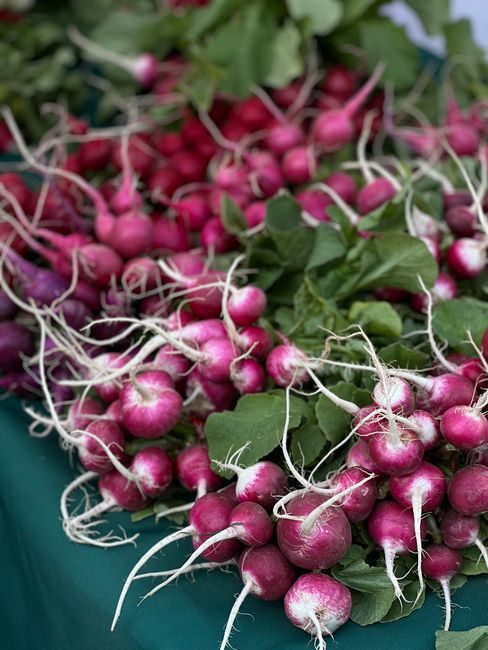
Tomatoes go in as bite-sized chunks, not dice. Radishes, red and peppery, are sliced into thin rounds and are, to my mind, not optional: they are what makes the salad crunch when the bread has gone soft.
Herbs, onions and peppers
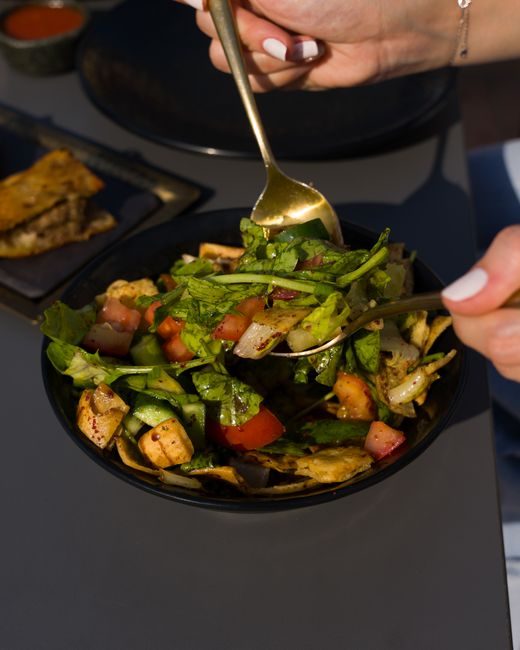
Fresh mint goes in by the handful, leaves torn rather than chopped. Flat-leaf parsley is there too, roughly chopped, in smaller quantity than in tabbouleh. Dried mint belongs in the dressing, where it does something fresh mint cannot: it gives a dusty, cool background that soaks into the bread.
For onion, use spring onions, white and green parts, which stay mild in a dressing. Many Lebanese versions add half a green pepper in chunks, and some add red pepper. One recipe published by the Beirut daily Annahar adds a quarter cup of fresh za’atar leaves, the wild thyme that ends up in the spice mix, and in early summer, when the plant is soft, it is a good idea.
The bread: fried, toasted or soaked
The bread is Lebanese khubz, the thin round flatbread with a pocket. Split each round into two layers before you do anything else: thin single layers fry and toast evenly and stay crisp longer than the doubled edge. The very thin markouk of the mountains, baked over a domed iron saj, makes the lightest fattoush of all.
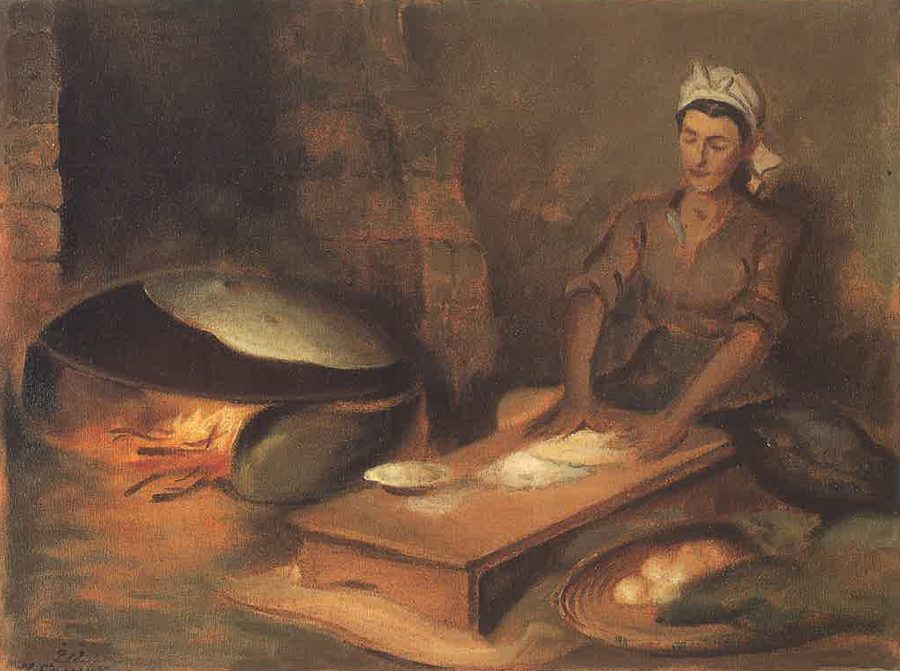
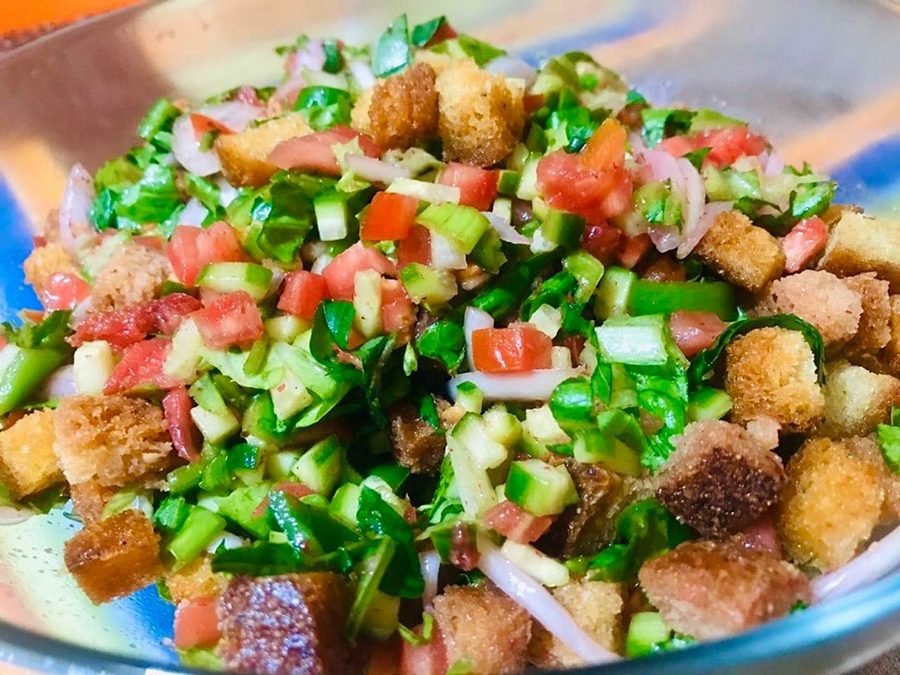
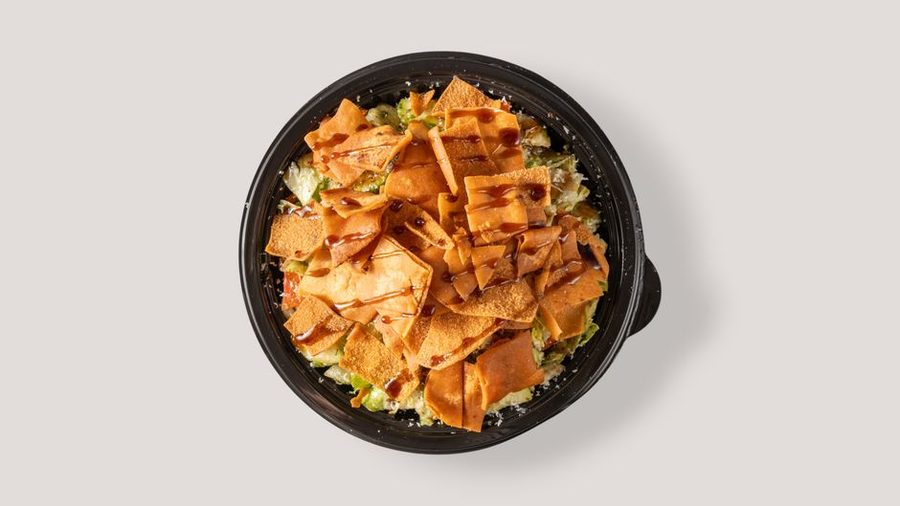
Frying gives the richest result: torn pieces fried in oil until they are golden and blistered. Toasting in the oven, brushed with a little olive oil, is lighter and almost as good, and many home cooks now prefer it. In Jordan you will also see fattoush made with cubes of toasted sliced bread.
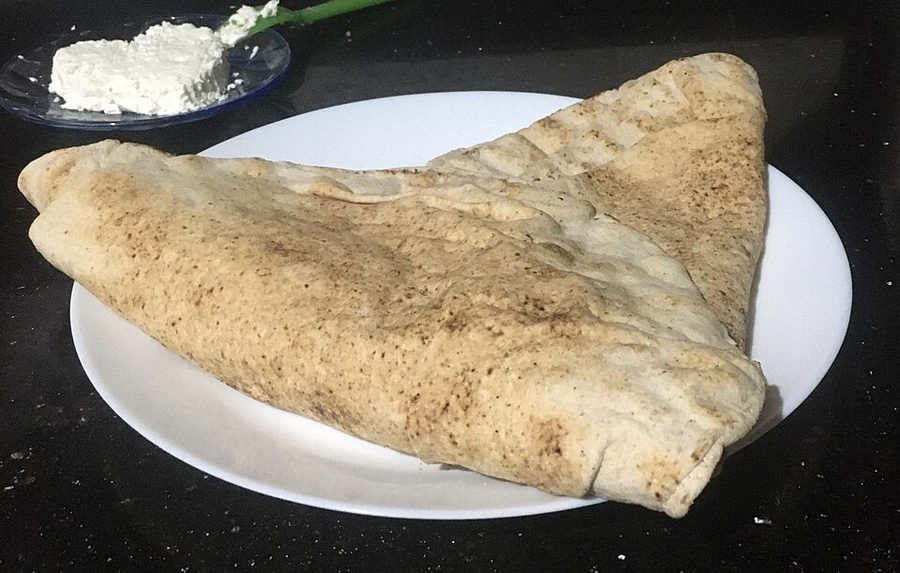
Skip the bagged pitta chips. They are thick, over-salted and often flavoured, and they taste of the packet. Homemade bread is ready in less time than it takes to chop the cucumbers.
Not everyone wants crunch. Dozy’s 19th-century version soaked the bread, and some Palestinian cooks still dip pieces of untoasted bread in the dressing so they drink it up. If you have ever liked the soft, sour bottom of the bowl better than the crisp top, you already understand them.
The dressing
Sumac, the dried and ground berry of a Mediterranean shrub, dark red and sour, is what separates fattoush from any other chopped salad. It goes into the dressing and over the top, and on the fried bread while it is still hot.
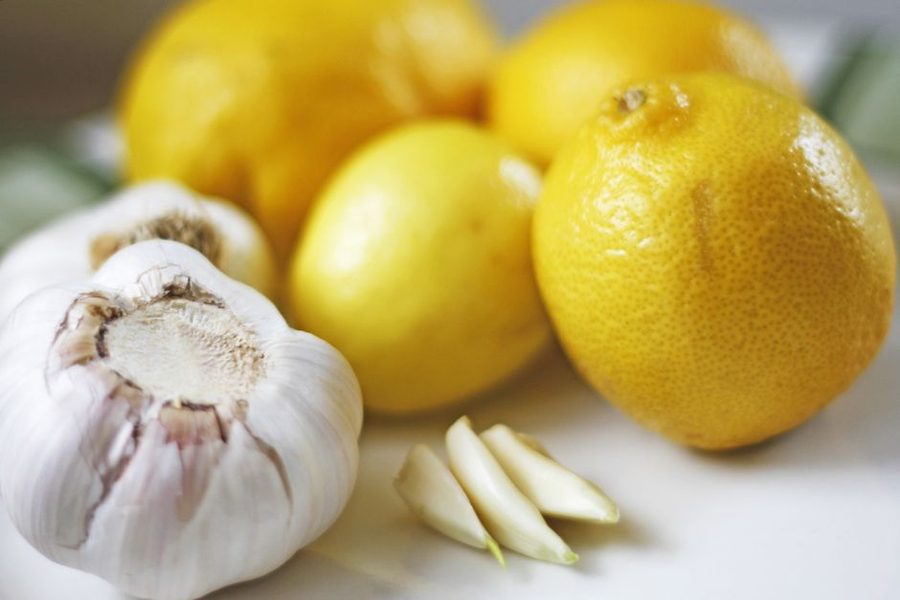
The rest is simple: garlic crushed to a paste with salt, lemon juice, olive oil and dried mint. Across the English, Arabic and French recipes I compared, the lemon-to-oil ratio runs from about one to two up to equal parts. I use equal parts. Fried bread and a bowl of watery vegetables need a sharp dressing, and it should taste too sour on its own.
Pomegranate molasses: a spoonful, not a pour
Dibs rumman, pomegranate molasses, is sour pomegranate juice boiled down to a thick, dark syrup. It is the most argued-over ingredient in fattoush. Arabic references treat sumac as the usual sour, with molasses added in some recipes alongside it; the recipe Annahar published uses none at all, and Dozy’s version predates it by a long way.
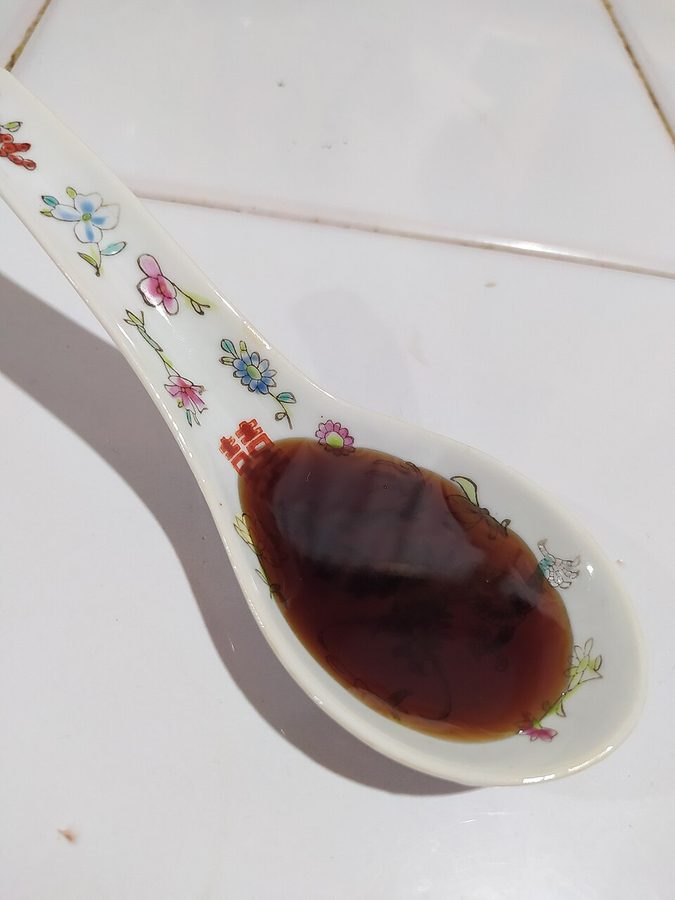
Many restaurant versions use it, and some English-language recipes call it the ingredient that makes the dressing Lebanese. The amounts vary wildly. One Egyptian recipe I read uses a quarter of a cup for a single round of bread, which makes a salad dressed in syrup.
My view: one tablespoon in a dressing for four, or none if your sumac is fresh and sharp. The molasses is there to round off the lemon, not to sweeten the salad. If you leave it out, add a little more lemon.
Vinegar, cinnamon and other additions
Vinegar, the sour in Dozy’s version, still turns up: several Levantine recipes add a spoonful, sometimes cider vinegar, alongside the lemon. It is a fair swap when lemons are poor. Some American recipes add a pinch of cinnamon and allspice to the dressing; it is pleasant, but it belongs to a different salad.
For the old version, use sumac water instead of lemon: soak whole sumac berries in warm water, squeeze them hard and strain off the red, sour liquid. It is softer than lemon and stains the whole bowl pink.
Recipe: classic Lebanese fattoush
I checked proportions against recipes in English, Arabic and French. The vegetables follow the Lebanese consensus, the dressing is the equal-parts version above, and the bread is fried or baked, your choice. Purslane is in when it is in season and replaced with more lettuce when it is not.
Serves 4 as part of a mezze, or 2 as a main salad. About 30 minutes.
For the bread
- 2 pitta breads, or 1 large round of thin Lebanese bread
- 3 tbsp olive oil (or vegetable oil, for frying)
- A pinch of salt
- ½ tsp ground sumac
For the salad
- 1 romaine (cos) heart
- 1 bunch purslane, about 100 g (3½ oz) picked leaves and tips (or a second romaine heart)
- 3 ripe tomatoes
- 2 Lebanese or Persian cucumbers
- 5 radishes
- 4 spring onions
- ½ green pepper
- 125 ml (½ cup) mint leaves, loosely packed
- 125 ml (½ cup) roughly chopped flat-leaf parsley
For the dressing
- 1 garlic clove
- ½ tsp salt
- 60 ml (4 tbsp) lemon juice (1 large lemon)
- 1 tbsp pomegranate molasses (optional)
- 1 tsp ground sumac, plus more to finish
- ½ tsp dried mint
- 60 ml (4 tbsp) olive oil
Method
- Split the bread into two thin layers and tear or cut it into pieces about 3 cm (1¼ in) across.
- To fry: heat the oil in a wide frying pan over medium heat and fry the bread, tossing often, until golden and crisp, 5 to 7 minutes. Drain on kitchen paper and sprinkle with the salt and sumac while hot. To bake instead: toss the pieces with the oil and salt on a tray and bake at 220°C (425°F) for about 5 minutes, until crisp, then dust with sumac. Leave to cool.
- Make the dressing: crush the garlic with the salt to a paste, whisk in the lemon juice, pomegranate molasses, sumac and dried mint, then whisk in the oil. Taste: it should be sharper than you would want on its own.
- Wash the lettuce, purslane and herbs and dry them well; water left on the leaves dilutes the dressing and softens the bread.
- Cut the lettuce into large bite-sized pieces. Cut the tomatoes into chunks, quarter the cucumbers lengthways and slice them thickly, and slice the radishes into thin rounds. Slice the spring onions, white and green, and cut the pepper into small chunks.
- Put the vegetables, purslane and herbs in a large bowl and keep it cold until you sit down to eat.
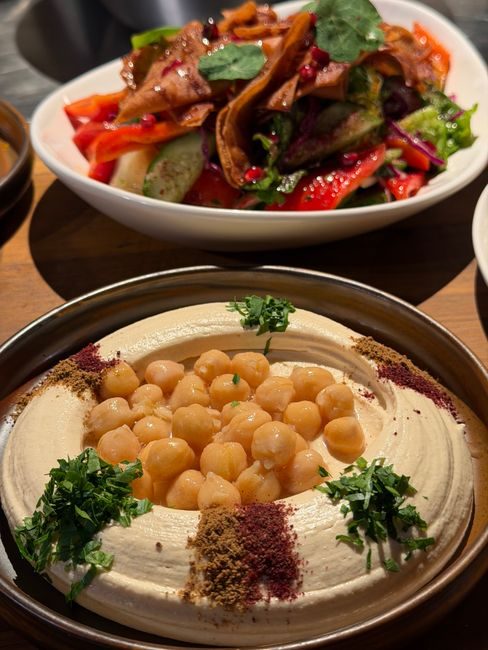
- At the table, pour the dressing over the vegetables and toss. Add most of the bread, toss once more, then scatter the rest of the bread on top with a pinch of sumac. Serve at once.
Assemble it at the last minute
Everything can be prepared ahead and nothing can be combined ahead. Cut vegetables keep for a couple of hours in the fridge under a damp cloth, the dressing keeps in a jar, and fried bread keeps crisp in a tin for a day. Put them together only when people are sitting down.
For a picnic or a pot-luck, carry three containers: vegetables, dressing, bread. Toss the first two when you arrive and put the bread on last. If the salad will sit on a buffet, leave the bread in a bowl beside it so people add their own.
Leftover dressed fattoush is soggy by the next day and, I think, underrated. The bread has drunk the dressing, the cucumbers have softened, and it eats like the soaked-bread salads it descends from. Have it for lunch with an egg.
Other kitchens, other fattoush
Fattoush is claimed across the Levant, and the Lebanese version, the one most restaurants abroad copy, is only one of several. Cooks in Palestine, Jordan and Syria each make it a little differently, and in each country home cooks change it again with the seasons.
Palestine
Arabic sources record an old Palestinian name for the salad, abu mleih, and say it was made there with either dry or toasted bread. Descriptions of the Palestinian version also note white onion, which the Lebanese one leaves out.
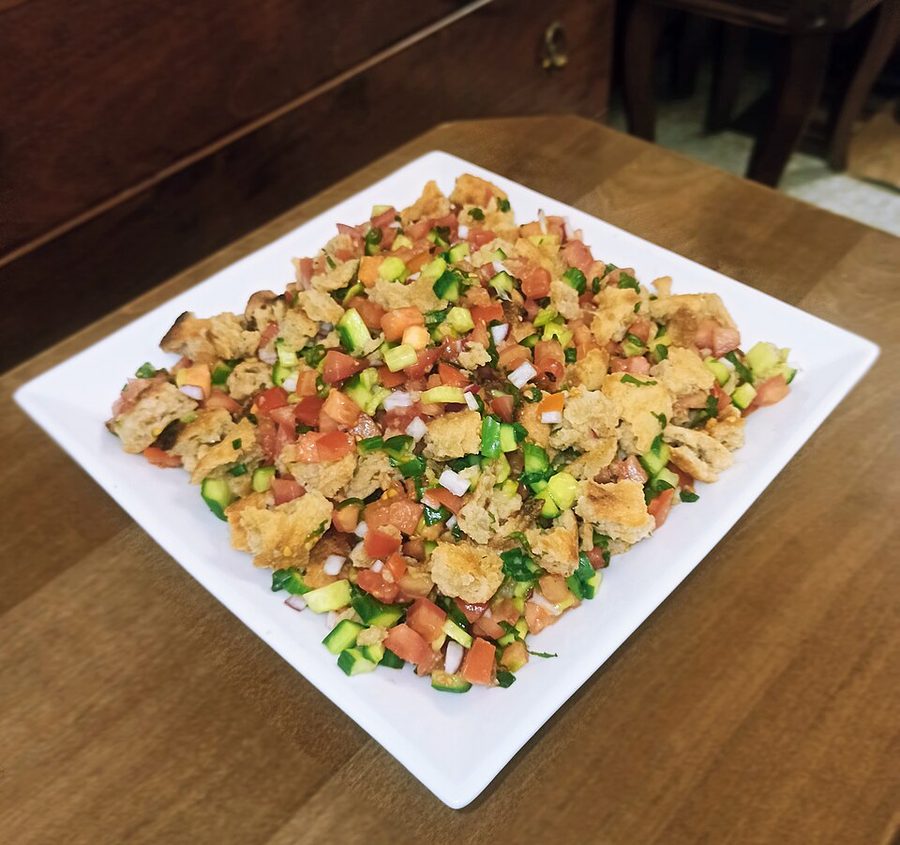
Some Palestinian cooks pound garlic, salt, hot pepper and fresh basil in a mortar, loosen it with plenty of lemon juice and tahini, sometimes yoghurt, and dip pieces of untoasted bread into it before the vegetables go in. It is closer to a fatteh than a salad, and very good with grilled meat.
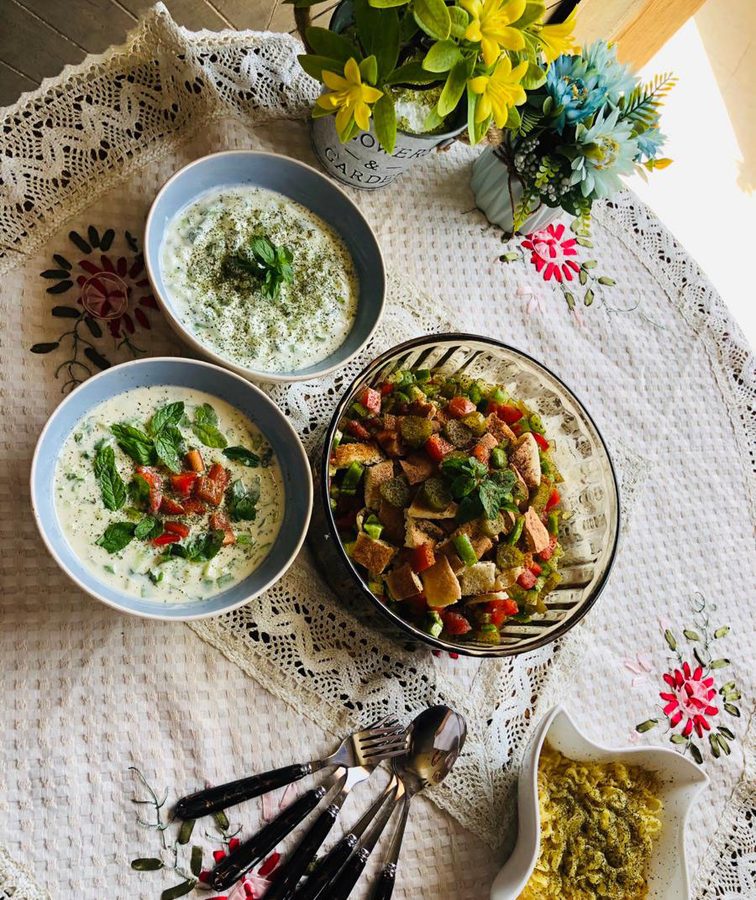
Jordan and Syria
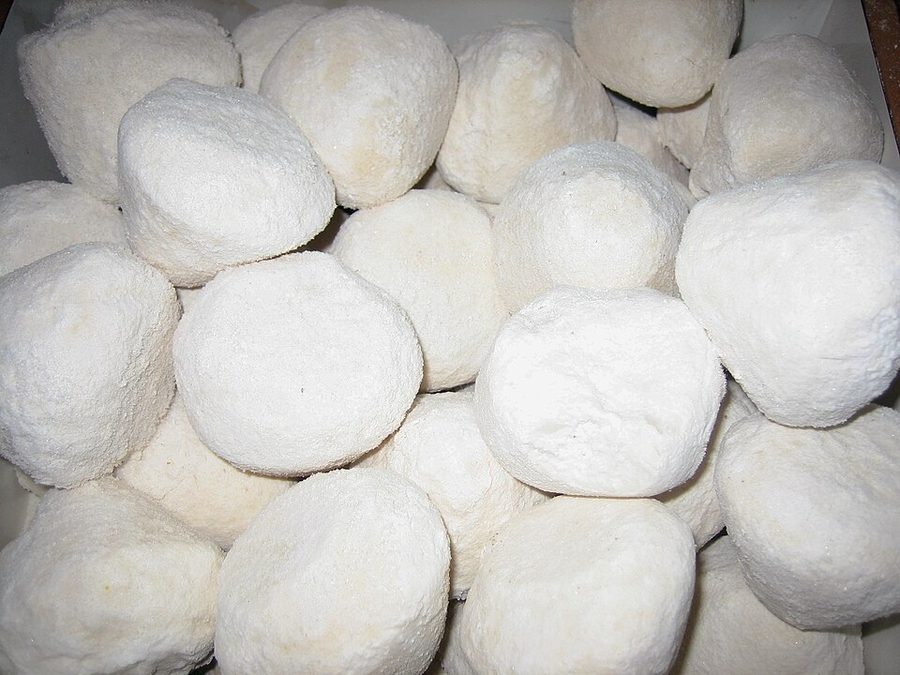
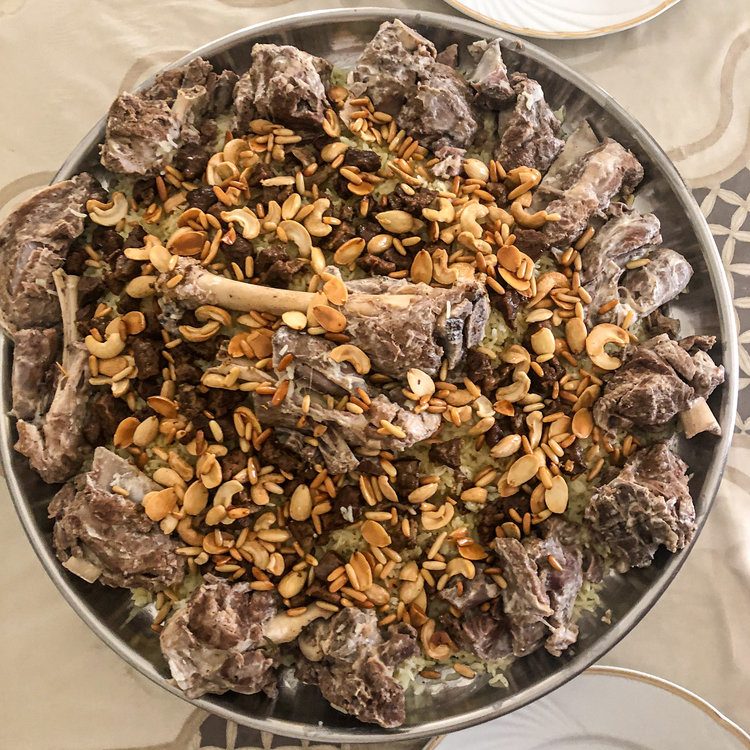
Some Jordanian cooks make a similar soaked version with jameed, the hard balls of dried, salted yoghurt that are the backbone of mansaf, dissolved into the dressing in place of tahini. It is salty, sour and rich, and nothing like the Beirut salad.
Syrian fattoush looks much like the Lebanese one, and who made it first is a question Syrians and Lebanese argue about online with some heat. Neither side can prove it. Arabic references file the salad under Lebanon, Syria and Palestine together, which is probably the fairest answer.
Winter fattoush
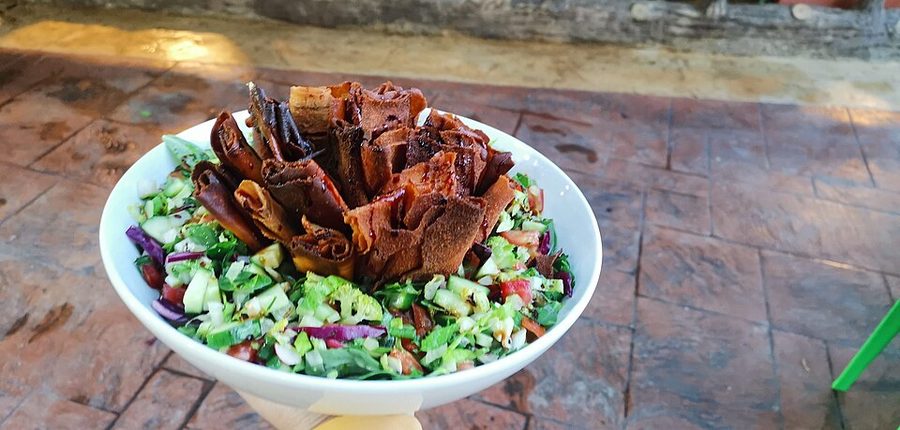
Fattoush is a summer salad, but Levantine home cooks make it all year with what winter offers. Red cabbage, shredded fine, stands in for lettuce and purslane, with sweet peppers and olives. Another version I came across in Arabic adds cubes of fried eggplant and halloumi, with red pepper paste in the dressing, which turns the salad into a meal.
The restaurant version abroad
Outside the Arab world, fattoush has drifted. Pomegranate seeds are scattered on top, iceberg used for crunch, cinnamon whisked into the dressing, grilled chicken laid over the top. One American recipe, written for Passover, swaps the pitta for spiced matzo. None of this is wrong, but it is a long way from a bowl for using up stale bread.
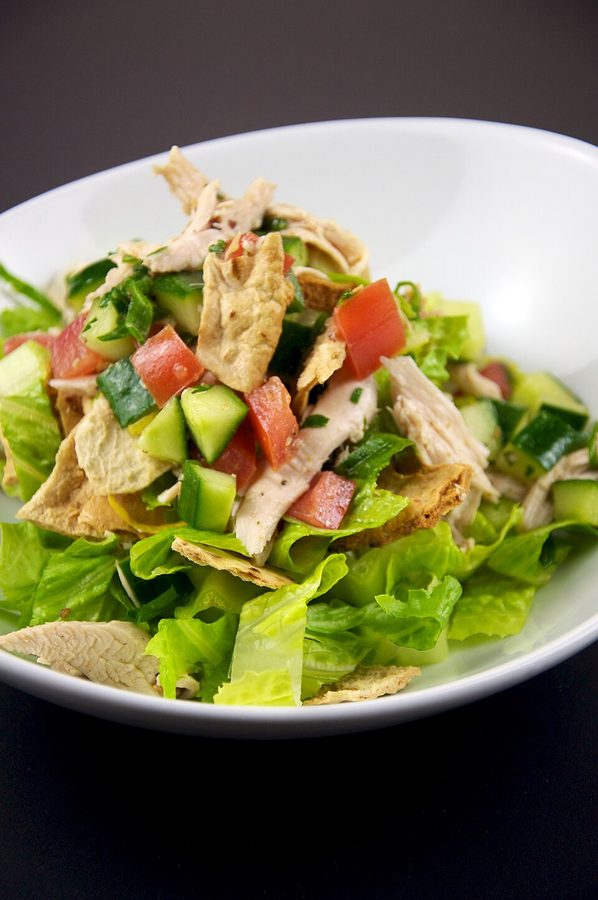
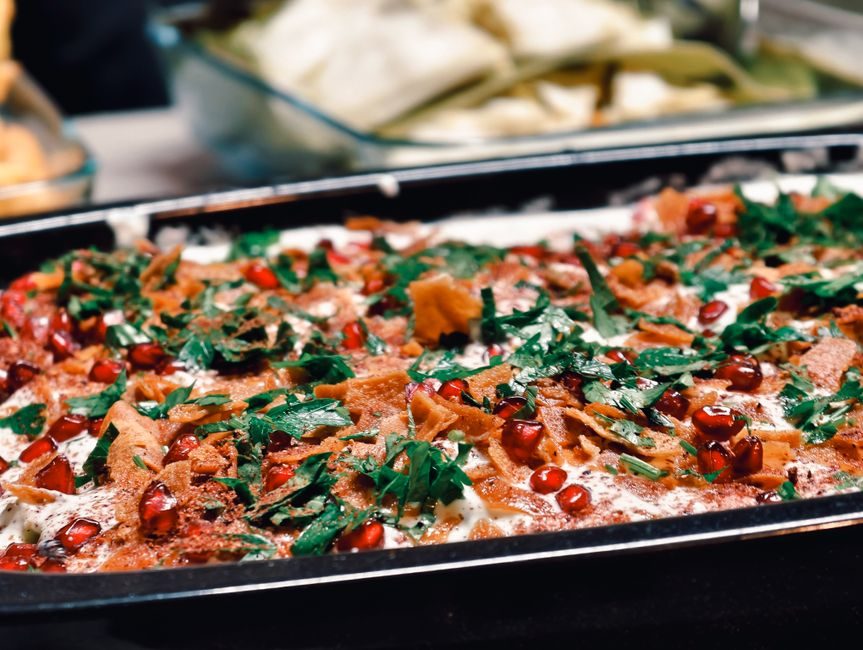
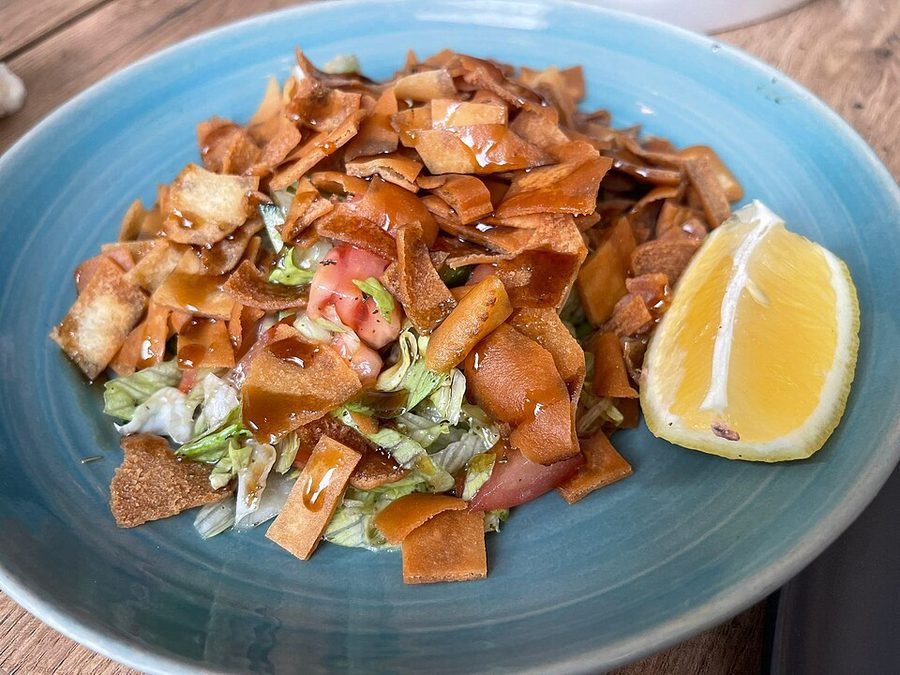
The tell of a good restaurant fattoush is the same anywhere: the bread is crisp when it arrives, and the salad tastes of sumac, not sugar. If the bread is soft on arrival, the kitchen dressed it before the order came in.
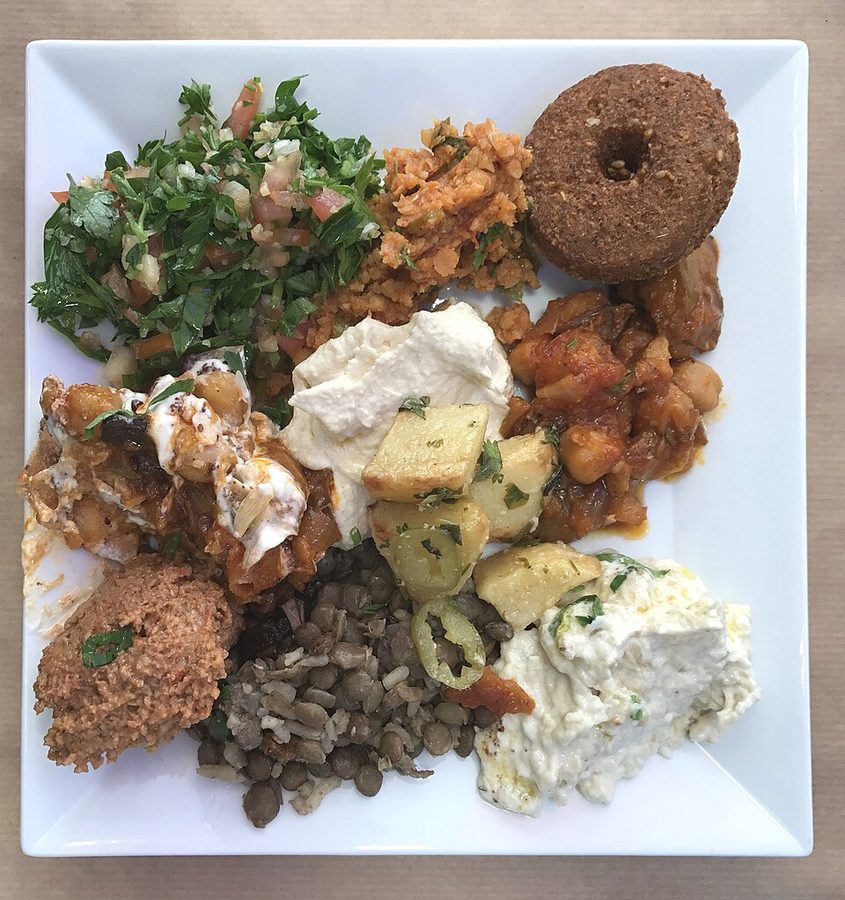
How Lebanon eats it
Fattoush is a mezze salad and a grill salad. It is rarely eaten alone, and in Lebanon it usually shares the table with several other dishes.
With the grill and the mezze
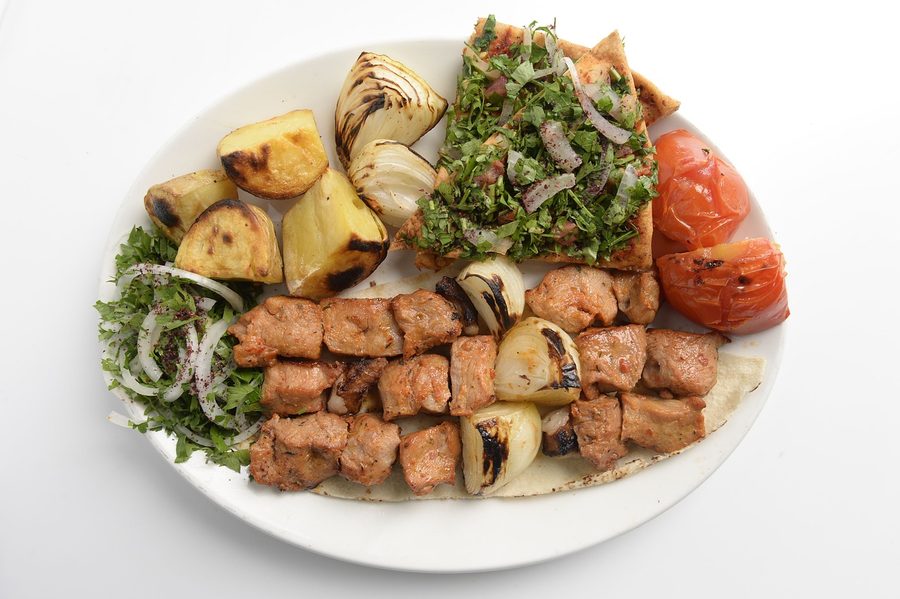
Its natural partners are grilled meat: shish taouk, the garlicky chicken skewers, and kafta, minced lamb or beef on a skewer. The sharp, crunchy salad cuts the fat and the garlic sauce. It is just as good with fried or grilled fish, where it does the job a squeeze of lemon would, with crunch.
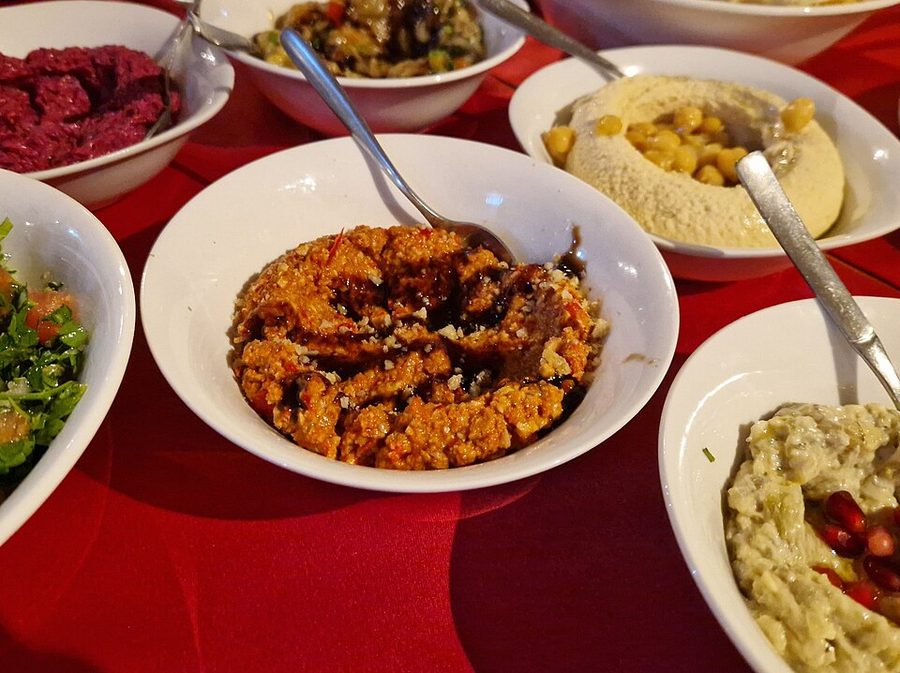
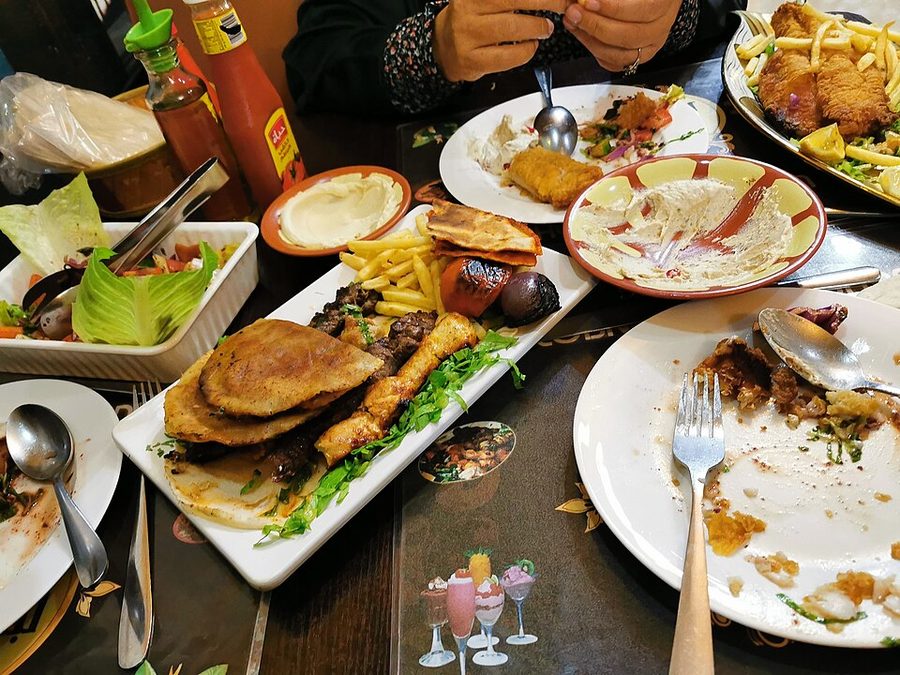
On a mezze table it sits with the cold dishes: hummus, moutabal, labneh, tabbouleh, pickles. These arrive together and stay on the table through the hot dishes and the grill. Fattoush should come last of the cold dishes, or at least be dressed last, because it is the only one that gets worse as it waits.
The Ramadan salad, and the fattoush index
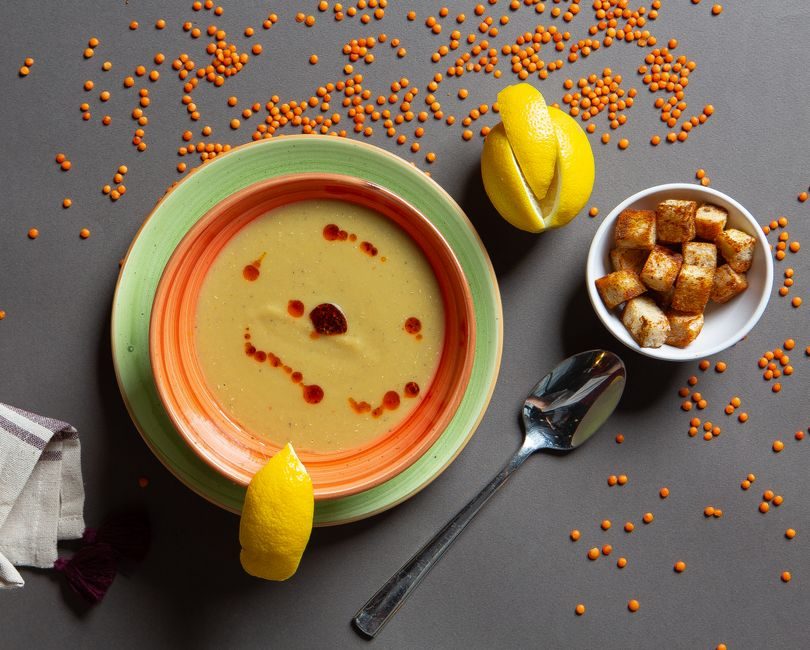
During Ramadan, fattoush is a fixture of the iftar table in Lebanon, the meal that breaks the fast at sunset, usually beside a bowl of lentil soup. It is light and cold, and after a day without water it is what people want. That is why it has become a price index.
Lebanon’s Ministry of Economy and Trade has published a weekly “Fattoush Index” every Ramadan since 2012, pricing the salad’s 14 ingredients as a rough measure of what basic food costs. In 2025, the ministry’s Fattoush Index showed a bowl costing an average of LL53,773 to make in February and LL62,623 in the first week of the fast, a jump of 16.5 percent. Information International’s annual pre-Ramadan count runs back to 2020.
| Ramadan | Bowl for five (1.5 kg) | Change |
|---|---|---|
| 2020 | LL4,250 | |
| 2021 | LL12,287 | +189% |
| 2022 | LL50,500 | +311% |
| 2023 | LL174,127 | +245% |
| 2024 | LL287,970 | +65% |
| 2025 | LL285,540 | −1% |
| 2026 | LL397,977 | +39% |
The 2026 rise was driven by tomatoes, peppers, sumac and both kinds of onion. Garlic and olive oil held steady, and cucumbers and salt got cheaper. The figures track the Lebanese pound’s collapse after 2019 more than anything about salad, but they also show how ordinary the dish is: it is the cheapest thing on the table that everyone expects to be there.
Where to eat it in Lebanon
Every Lebanese restaurant makes fattoush, and the best is made at home on a summer evening. If you are eating out, go somewhere with a serious cold mezze and judge the bowl on its bread. Restaurant prices in Lebanon have been quoted in US dollars since 2023, so expect a dollar menu.
Kasr Fakhreddine, Broummana and Saifi
Kasr Fakhreddine has been cooking in Broummana, in the Metn hills above Beirut, since 1972. On 12 December 2025 the family’s second generation opened a second house in Saifi, in downtown Beirut, across three floors with about 200 seats inside and 50 on the terrace.
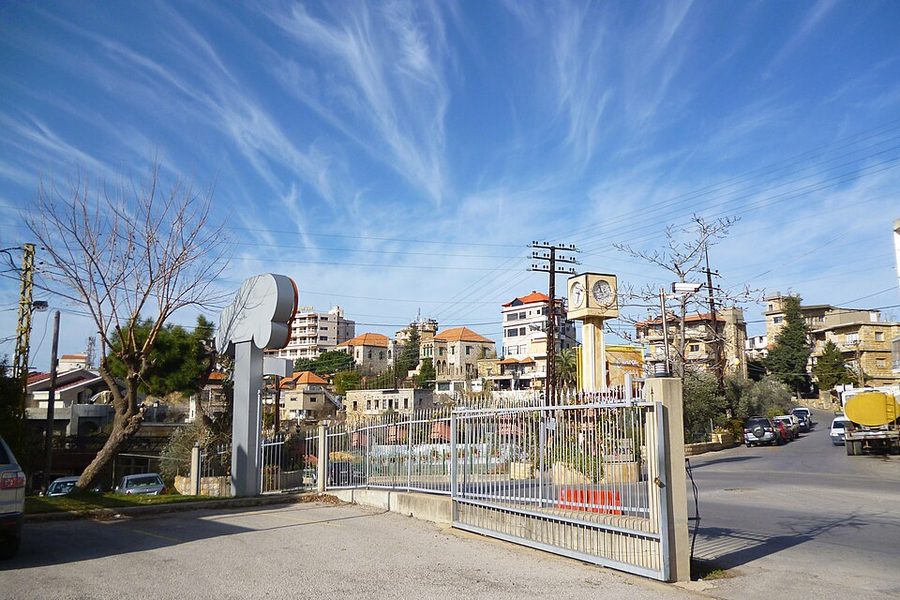
The menu is the same in both: raw meats, hummus, hot and cold mezze, tabbouleh and the rest of the classic Lebanese table, cooked without reinterpretation. The average bill was around US$50 a head when the Beirut branch opened. Go with a group, order the cold mezze for the middle, and eat the fattoush first.
Socrate, in the Beirut Souks
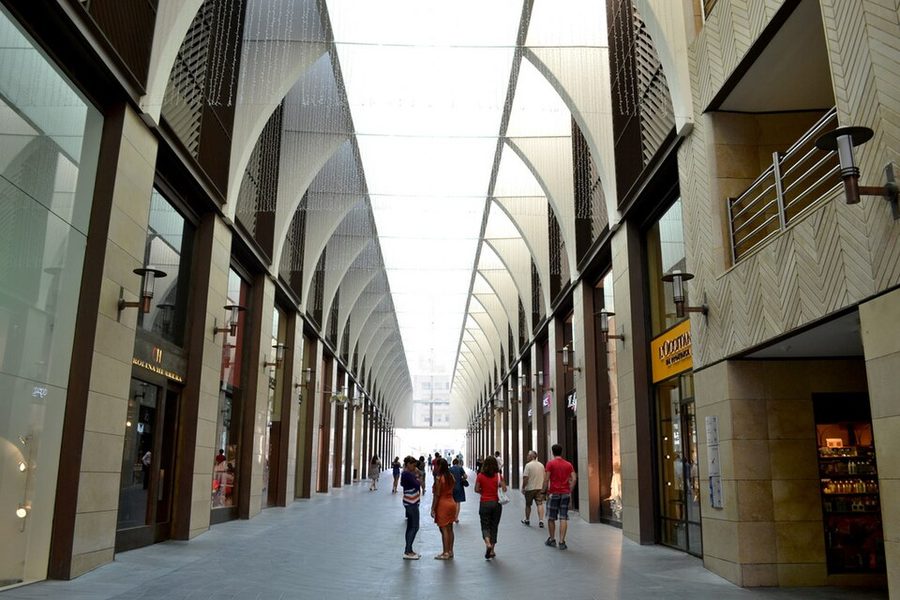
Socrate has been a Beirut name for more than sixty years. In September 2026 it opened a new restaurant in the Beirut Souks, open 9am to 11pm, with Lebanese dishes cooked daily, salads, hot and cold starters, grills and a mezze bar of sixteen items. There is a takeaway counter with salads and cold starters, which is useful if you want a bowl for a picnic.
Souk El Tayeb, for the purslane
If you have a kitchen, buy the ingredients instead. Souk El Tayeb, the farmers’ market of small growers and home producers from across Lebanon, moved in early 2026 from Mar Mikhael to a larger outdoor site at Jisr al-Wati, Tahwita, on the eastern edge of Beirut, with new stands and a new schedule. Check its current days before you go.
In summer this is the place to look for purslane, baladi (local) tomatoes and cucumbers, and sumac and olive oil sold by the people who grew and made them.
When to go
Purslane is a hot-weather plant, so the classic fattoush is a summer dish, made when tomatoes and cucumbers are also at their best. During Ramadan the salad is everywhere at sunset, and restaurants fill for iftar. Check your government’s travel advice before any trip: Israeli strikes on southern Lebanon and parts of the Bekaa have continued through 2026.
The February price list from Information International had no purslane on it, because in February there is none to buy. Make your first fattoush in July, when the vegetable sellers have it in bunches beside the radishes, and fry the bread while someone else sets the table.


.jpg)


