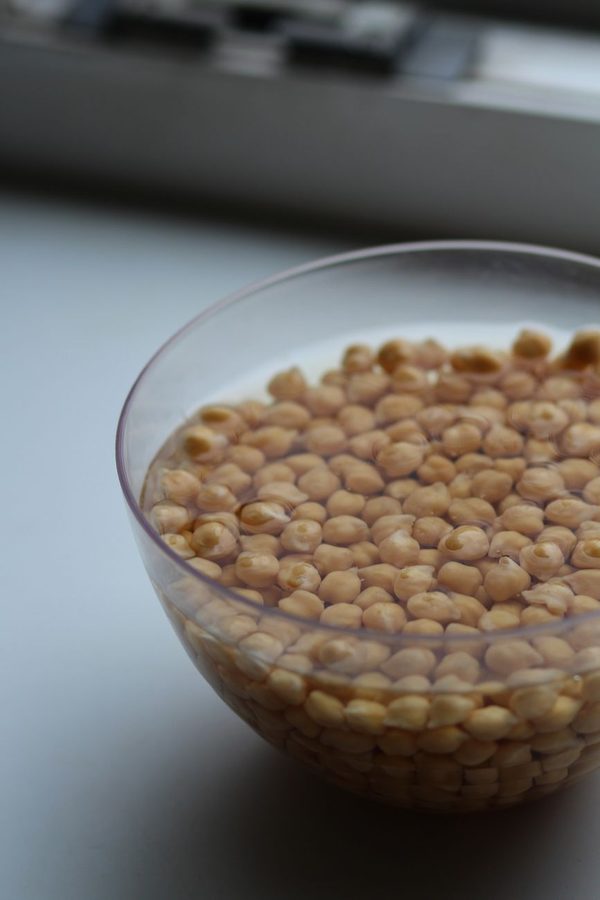
Falafel (فلافل) is a fried food whose most important step happens the night before, in a bowl of cold water. Dried chickpeas go in as hard as gravel and come out twice the weight, still raw, still full of starch and ready to grind. Boil them first, or open a can, and a mix that looks perfect on the board falls apart the moment it meets the oil.
Every cook who makes falafel for a living agrees on that one rule. Past it, they argue about everything: chickpeas or fava beans, a fistful of parsley or none, onion or no onion, a ball or a squat dome, sesame on top or not. The man who opened Beirut’s most famous falafel shop in 1933 left the parsley out of the mix altogether, and his family still fries his recipe in two shops side by side, run by branches that fell out in 2006.
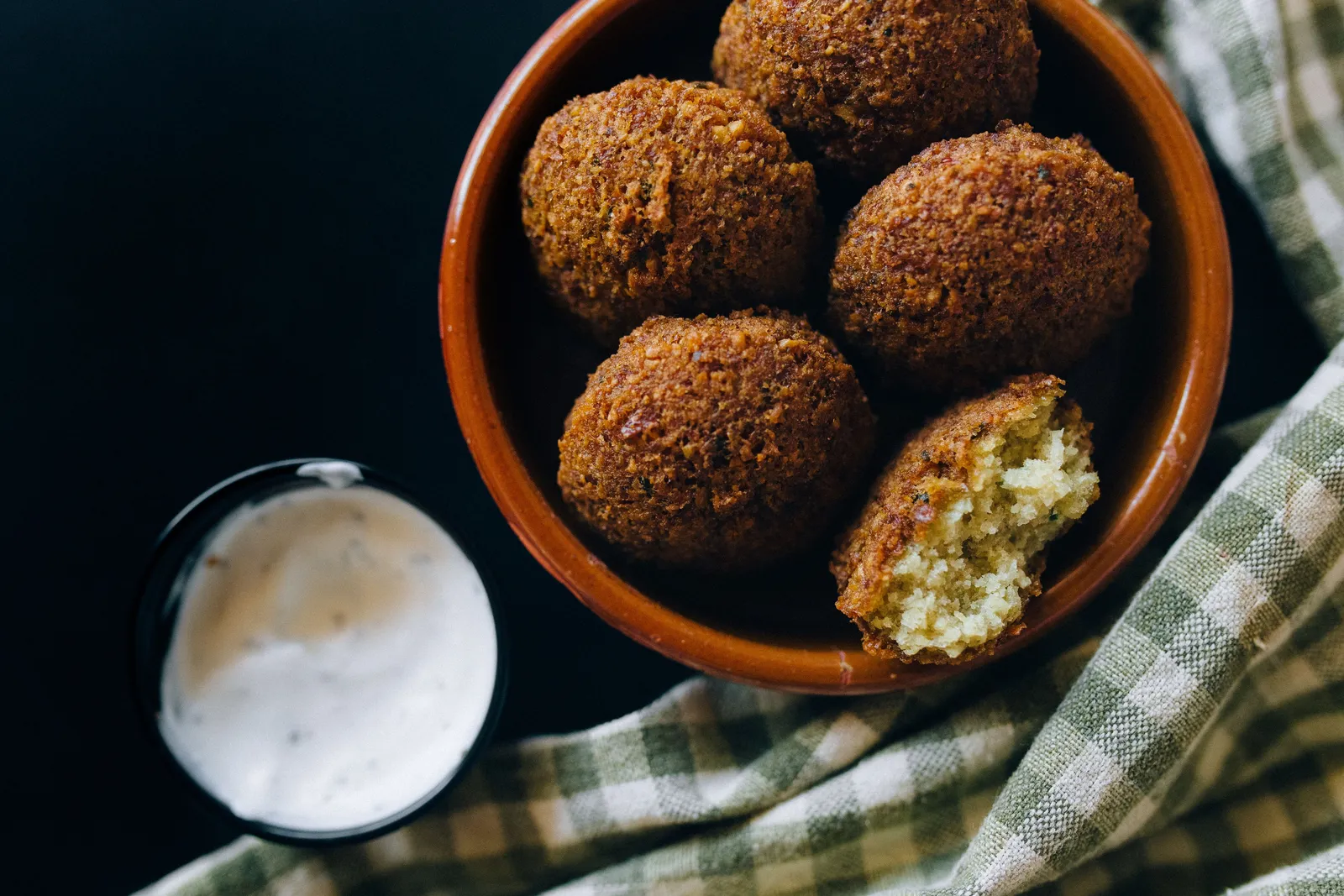
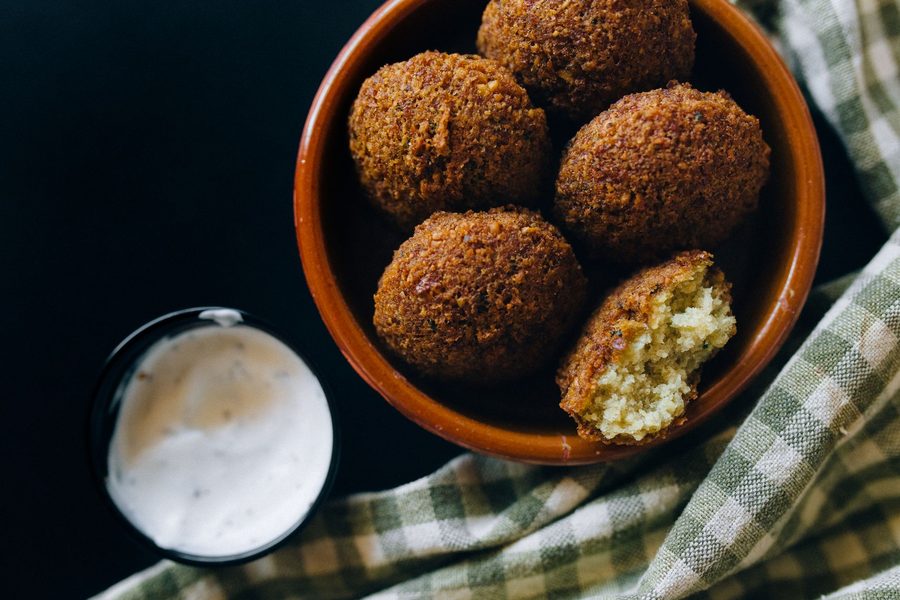
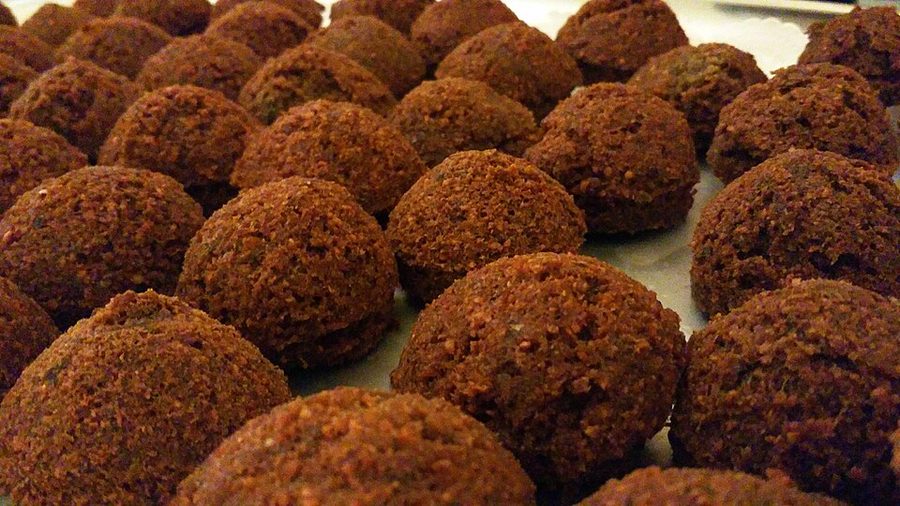
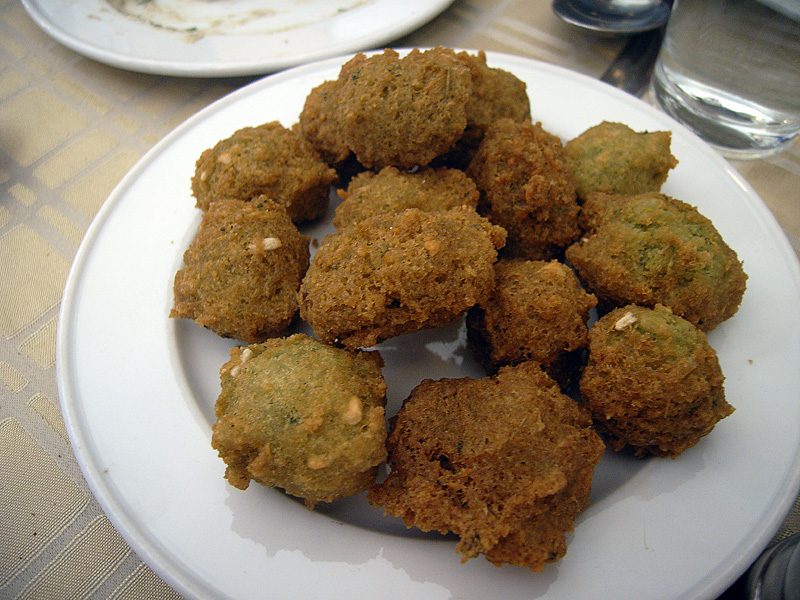
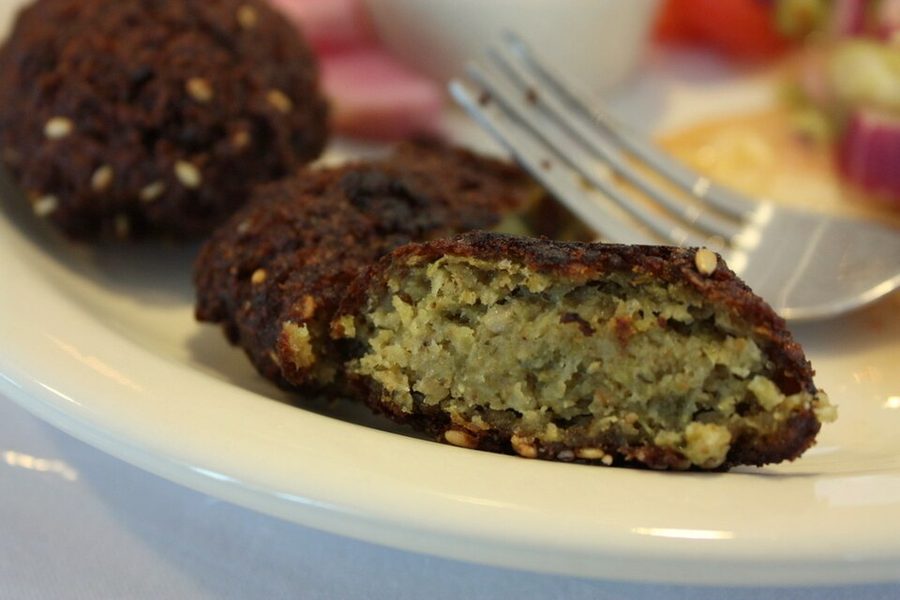
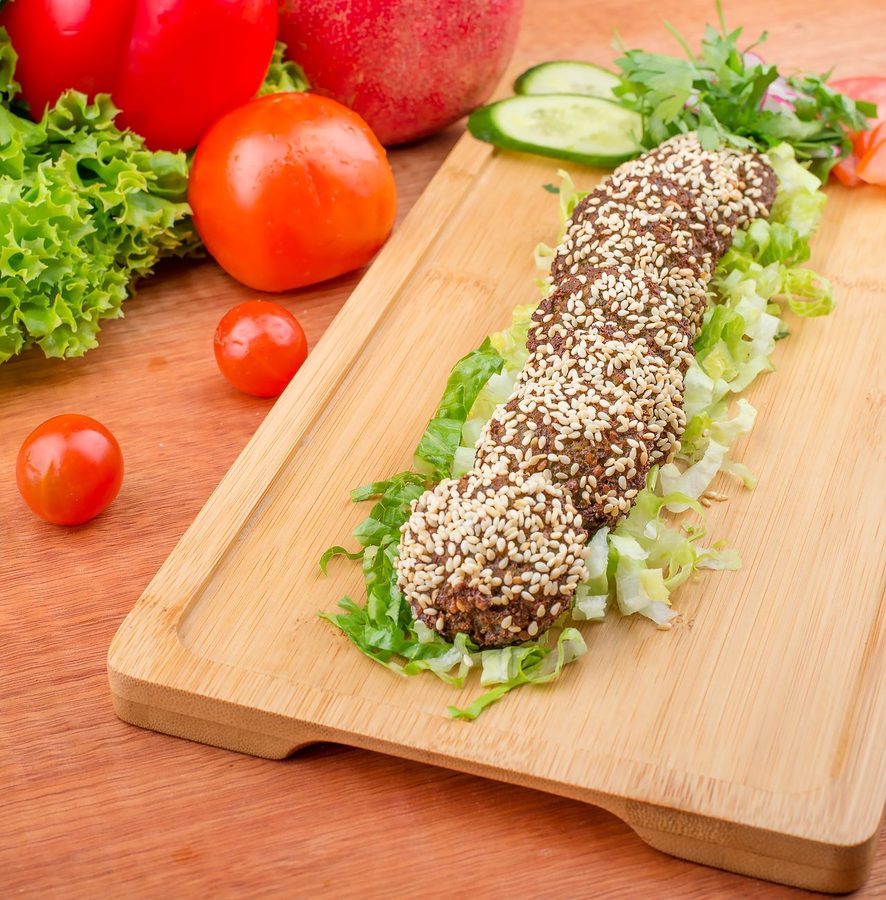
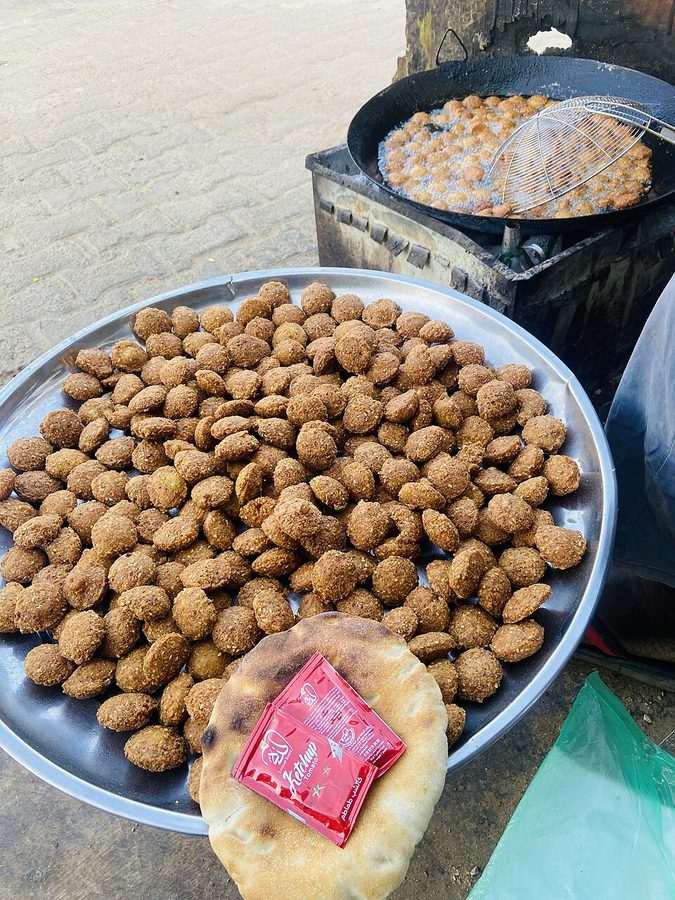
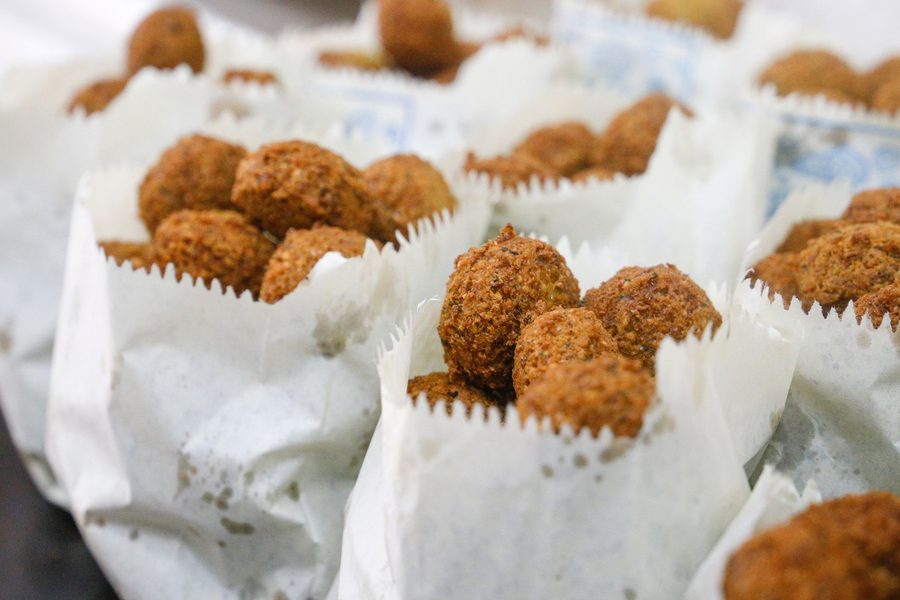
Made right, a falafel cracks when you bite it and lets out a puff of steam. The crust is the colour of strong tea, the inside soft and green-flecked, and the whole thing tastes of cumin, onion and toasted bean rather than of the oil it came out of. Made wrong, it is a heavy brown golf ball, and no amount of sauce will save it.
Contents 8 parts
From Egyptian fava to the Beirut chickpea
Nobody knows exactly where falafel began, and the history is thinner than the confidence people bring to it. Most food historians point to Egypt. The earliest written references there date only from the 19th century, and deep-frying in oil was probably too costly for an everyday food much before that, so the stories of pharaohs eating falafel are just stories.
The name itself is a puzzle. One reading takes it from the Arabic filfil, pepper, or an older Aramaic word for something small and round; another, repeated in Egypt but missing from the Coptic dictionaries, finds a Coptic phrase meaning “with many beans”. Either way, the word spread out of Egypt with the dish, and today it covers both the fritters and the sandwich they come in.
Ta’ameya, the fava original
In Cairo and most of Egypt the dish is ta’ameya, a word built on the Arabic for food: roughly “a little bite”. It is made from dried fava beans alone, soaked and ground with leek or onion, parsley, fresh coriander, dill and cumin, so the inside comes out bright green. In Alexandria people call the same thing falafel, and like it with more chilli.
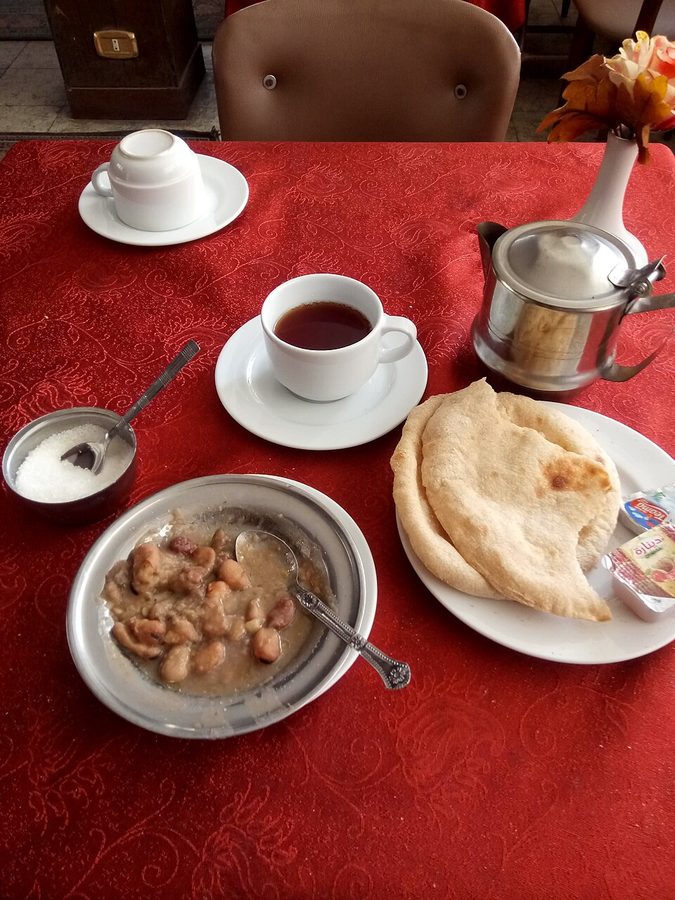
It is breakfast food in Egypt, eaten with a bowl of ful, bread, pickles and tea. Coptic Christians, who keep long meatless fasts, still eat it in large quantities through Lent, and so do Christian families across the Levant. The same fritter travels south into Sudan as ta’ameya and turns up in Yemen as bajiya.
Chickpeas, and a shop on Damascus Street
As falafel moved north and east, chickpeas took over from fava. In Syria and Palestine most falafel today is chickpea only. Lebanon sits in between: many Lebanese cooks grind chickpeas together with split fava beans, and the Lebanese home versions I read in Arabic run from equal parts to mostly fava.
By 1933 Beirut had a falafel shop. According to his grandson Karim, Mustafa Sahyoun had been selling falafel from a cart on Bechara el Khoury, just outside the old centre, and that year he moved into a ground-floor shop in a new building on Damascus Street. His recipe left out parsley and, according to his family, onion too, which he thought gave customers bad breath.
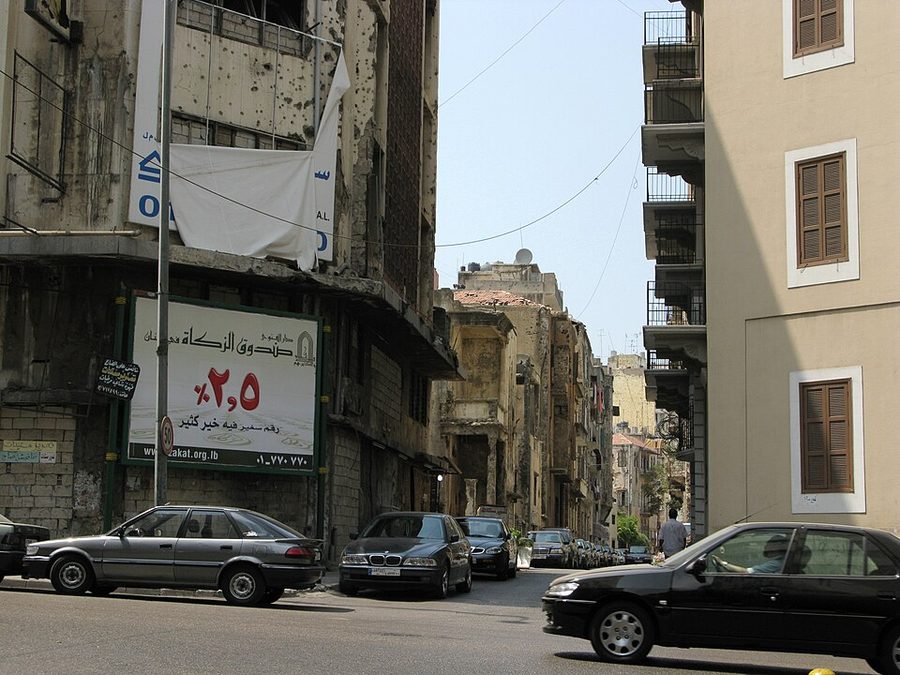
The shop sat on what became the Green Line, the front between east and west Beirut during the civil war. It closed in 1978, around the time the founder died, and his sons kept frying from other premises on both sides of the city before returning to the original shop in 1992. The story of what happened next, as L’Orient Today told it in 2021, is a falafel feud: in 2006 the brothers Fouad and Zoheir split, and Fouad opened an almost identical shop next door.
Soaked, never cooked
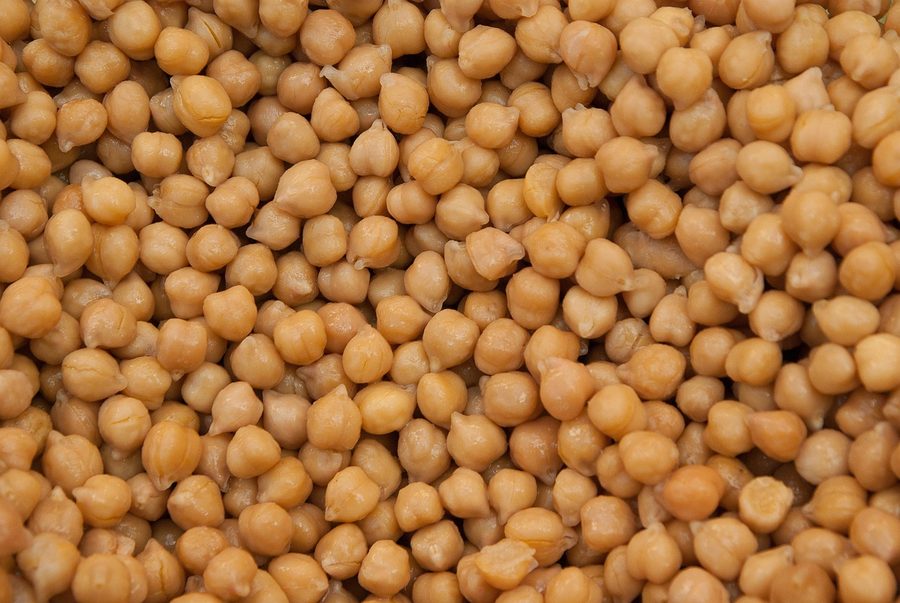
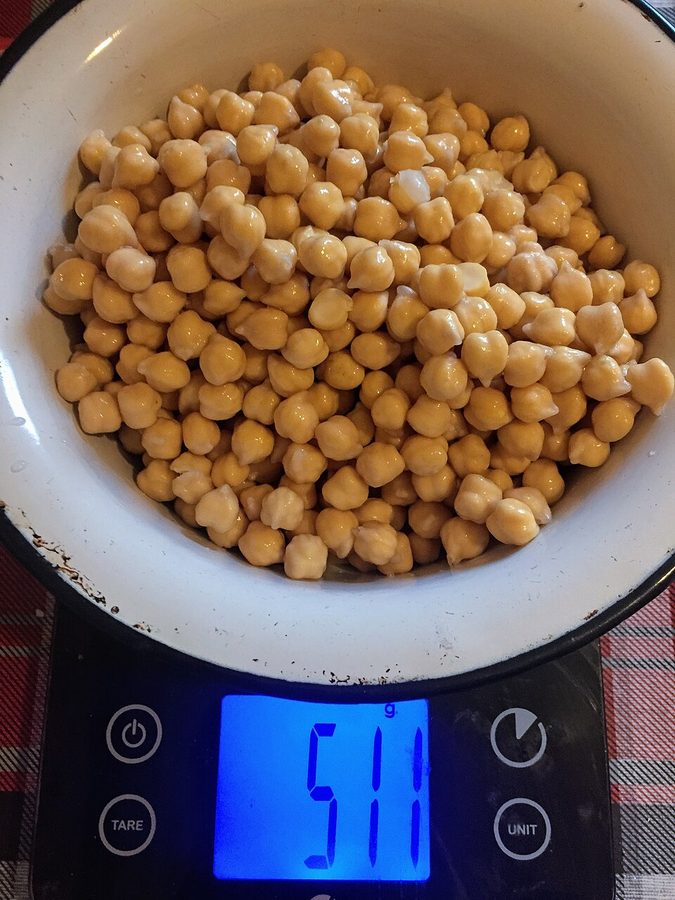
Every falafel failure I can think of comes back to the chickpea, so start there. Buy dried chickpeas from a shop that sells a lot of them, because beans that have sat for years take longer to soften and grind gritty. Look them over for stones, rinse them, and cover them generously with cold water.
What the soak does
Twelve to 24 hours in water softens a chickpea enough to grind but leaves its starch raw. That raw starch is what holds a falafel together: it is dry and gritty in the bowl, then swells and sets in the hot oil, binding the crumbs into a crust. A cooked chickpea has already used that trick up, and it brings extra water with it.
That is why canned chickpeas give mush, and why recipes built on them add flour or egg to compensate. The result is closer to a fried chickpea dumpling. If you have forgotten to soak, make hummus tonight instead: there the chickpeas are boiled until they collapse, the opposite of what falafel needs, and the falafel can wait for tomorrow.
Chickpeas, fava, or both
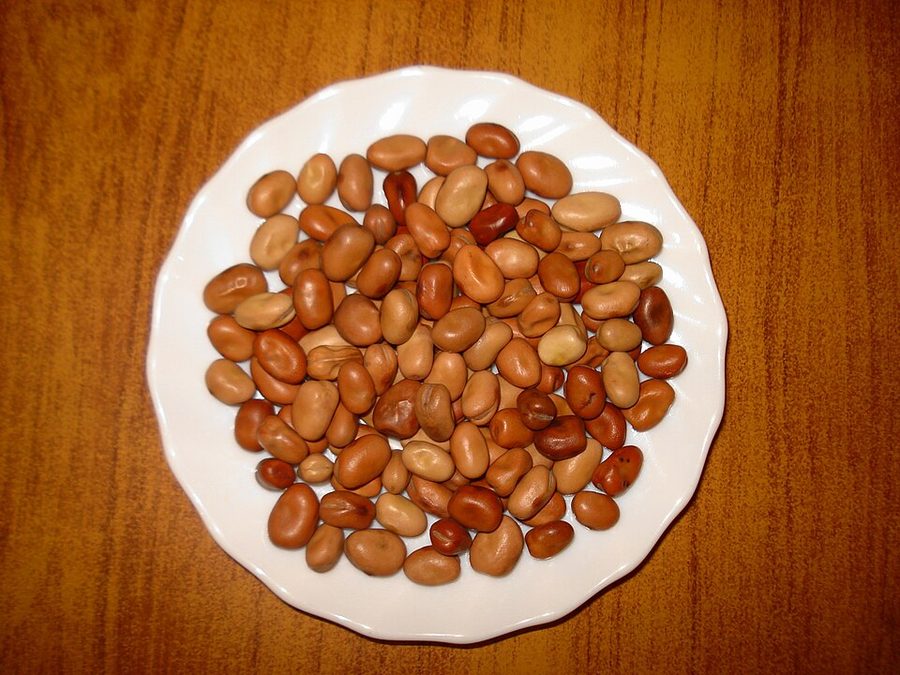
For the Lebanese blend you need split, skinned dried fava beans, sold in Arabic shops as ful mjarrash. They are small, pale cream and flat, nothing like the brown whole beans used for ful medames, which would need skinning one by one. Fava makes a lighter, more crumbly inside with a slightly earthy taste; chickpeas alone give a firmer, nuttier falafel.
I’d go half and half, which is where most of the Lebanese versions I compared settle. If you cannot find split fava, use all chickpeas and nothing else changes. Fava-heavy Lebanese mixes exist too, and they are worth trying once you know how your mix behaves in the oil.
Herbs, onion and garlic
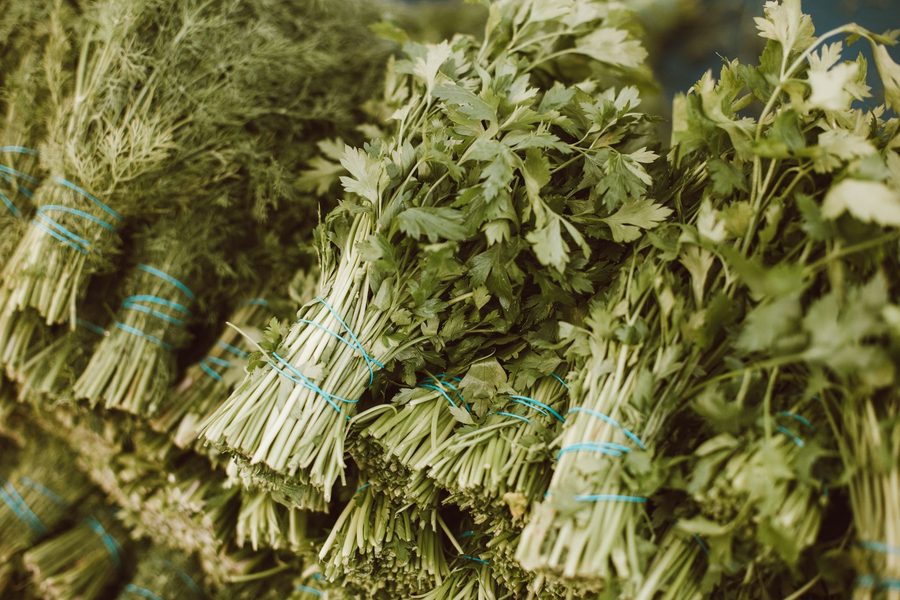
Parsley and fresh coriander give the green inside, and the amount is a matter of house style: a packed cupful of each is a fair middle. Wash them early and dry them properly, in a salad spinner and then on a towel. Wet herbs are the second most common reason a falafel falls apart.
Onion adds moisture and sweetness, and garlic adds the bite you notice after the cumin. Six cloves sounds a lot for 400 g of dried beans, but they are spread across 30 falafel. Leave out the onion, as the Sahyoun family has always done, and the falafel comes out drier and more crisp, tasting mostly of bean and spice.
Spices, bicarbonate and sesame
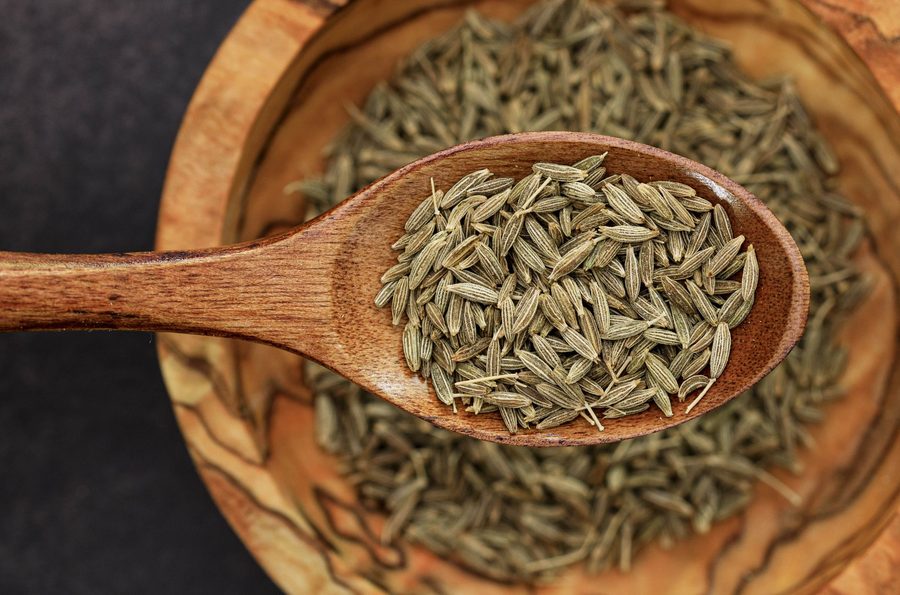
Cumin and ground coriander are the base everywhere. Lebanese cooks add a little allspice or seven-spice and black pepper; Syrians often finish the fried falafel with a pinch of sumac and sesame. A green chilli in the grind adds warmth without real heat.
Bicarbonate of soda is what makes a falafel light rather than dense. As it heats in the oil it releases gas that opens up the inside, and the extra alkalinity helps the crust brown fast and deep. Every Lebanese and Syrian recipe I read stirs it in at the last minute, just before frying, never into the mix that sits overnight.
Grinding and the aleb
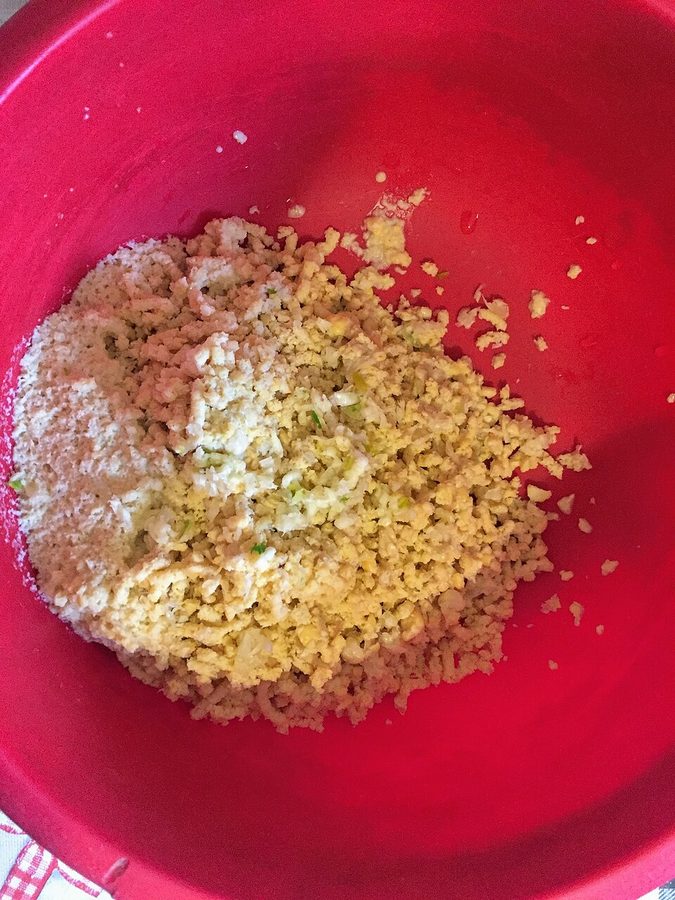
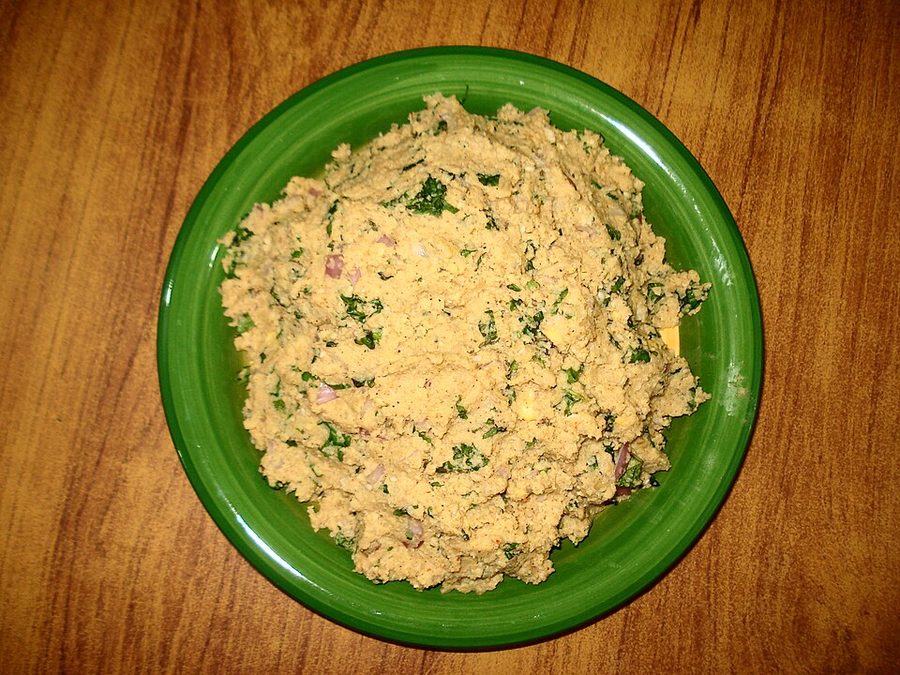
The grind decides the texture more than any ingredient does. You want something like fine, damp couscous: separate grains that clump firmly when you squeeze a handful. Stop well before it turns into a smooth paste, because a paste fries into a dense ball with no crumb.
Mincer or processor
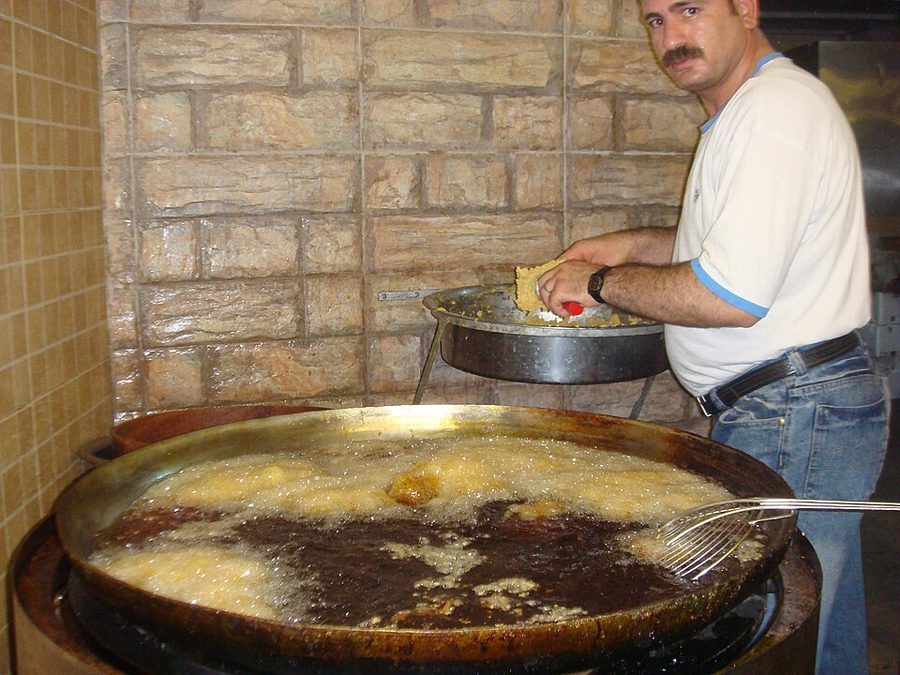
Shops grind falafel through a heavy mincer, often twice, with the onion, garlic and herbs going through with the beans. The mincer cuts rather than smashes, which keeps the grains distinct. Syrian home cooks with a meat grinder do the same, and if you own one, use it.
A food processor works well in two batches, pulsed in short bursts with the sides scraped down between them. Fill it more than half full and the blade spins the bottom to paste while the top stays whole. Put the onion and garlic in first, then the beans, then the herbs.
The aleb
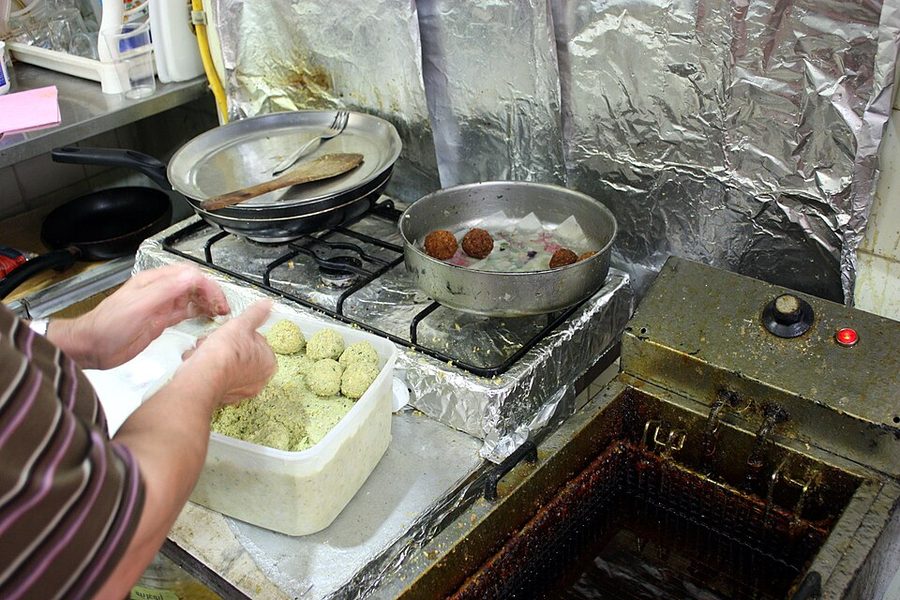
The aleb is the falafel scoop, from the Arabic for a mould, and it is the tool that gives Lebanese falafel its shape. It is a small metal cup on a handle with a lever, or a sliding plate, that pushes out whatever you pack into it. In a shop, one cook works the scoop over a deep pot of oil and the falafel drop in one after another, faster than you can count them.
To use one, dip it in water, press in the mix with the back of a spoon or a knife, level the top and press on the sesame. Hold it just above the oil and release. Pack it firmly enough to hold, but not hard: the bicarbonate needs room to lift the inside.
Without a scoop, two tablespoons or wet hands do the job. Make balls or flattened domes about 4 cm (1½ in) across, so they cook through in the time the crust takes to brown.
Recipe card
Lebanese falafel with chickpeas and fava
Lebanese home versions in Arabic agree on the soak, the late bicarbonate and a half-and-half or fava-heavy blend. Versions in English agree on most of the rest and disagree mainly on frying temperature, from 175°C to 190°C (350 to 375°F). I fry at 175 to 180°C because a falafel 4 cm across needs three to four minutes to cook through, and hotter oil browns the crust before the middle is done.
Serves 6 (about 30 falafel), or makes 7 to 8 sandwiches. About 50 minutes, plus 12 to 24 hours soaking and 30 minutes chilling.
Ingredients
- 200 g (1 cup) dried chickpeas
- 200 g (1 cup) dried split, skinned fava beans (ful mjarrash), or another 200 g chickpeas
- 1 medium onion (about 150 g / 5 oz), roughly chopped
- 6 garlic cloves, peeled
- 30 g (1 packed cup) flat-leaf parsley, leaves and tender stems
- 30 g (1 packed cup) fresh coriander, leaves and tender stems
- 1 green chilli, seeded (optional)
- 2 tsp ground cumin
- 2 tsp ground coriander
- ½ tsp ground allspice or Lebanese seven-spice
- ½ tsp black pepper
- 1½ tsp salt
- 1 tsp bicarbonate of soda (baking soda)
- 1 tbsp sesame seeds (optional)
- 1 to 2 tbsp chickpea flour, only if needed
- About 1.5 litres (6 cups) sunflower or other neutral oil, for frying
Method
- The day before, put the chickpeas and fava beans in a large bowl and cover with at least three times their volume of cold water. Soak for 12 to 24 hours; they will double in size.
- Drain and rinse the beans, spread them on a clean tea towel and pat them dry. Make sure the washed herbs are dry too.
- In two batches, pulse the beans, onion, garlic, parsley, coriander and chilli in a food processor, scraping down the sides, until the mix looks like fine, damp couscous and holds together when squeezed. Do not grind it to a paste.
- Tip it into a bowl, add the cumin, ground coriander, allspice, pepper and salt, and stir well. Cover and refrigerate for 30 to 60 minutes.
- Heat oil 7 to 8 cm (3 in) deep in a heavy, deep pan to 175 to 180°C (350 to 355°F).
- Just before frying, stir the bicarbonate of soda evenly through the mix.
- Shape the mix into balls or domes about 4 cm (1½ in) across with an aleb, two spoons or wet hands, and press a few sesame seeds onto each one.
- Fry one falafel as a test. If it breaks up, stir 1 to 2 tbsp chickpea flour into the mix and test again.
- Fry in batches of 5 or 6, without crowding, for 3 to 4 minutes, turning once, until deep brown and crisp. Lift out onto a rack or paper towels, and let the oil come back to temperature before the next batch.
Recipe card 2
Tarator, the tahini sauce
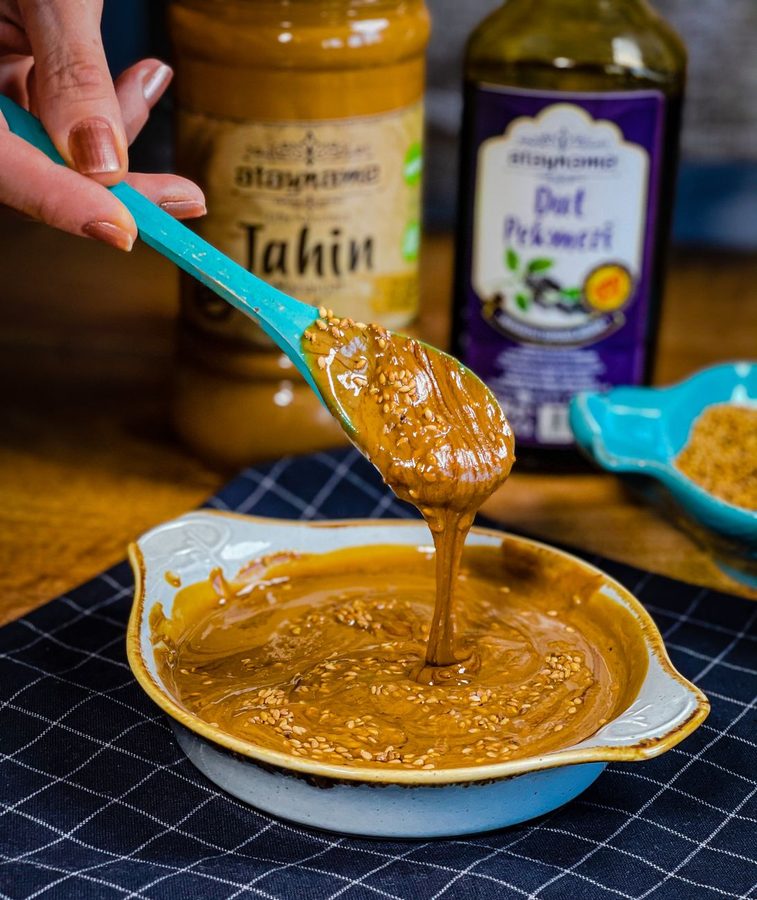
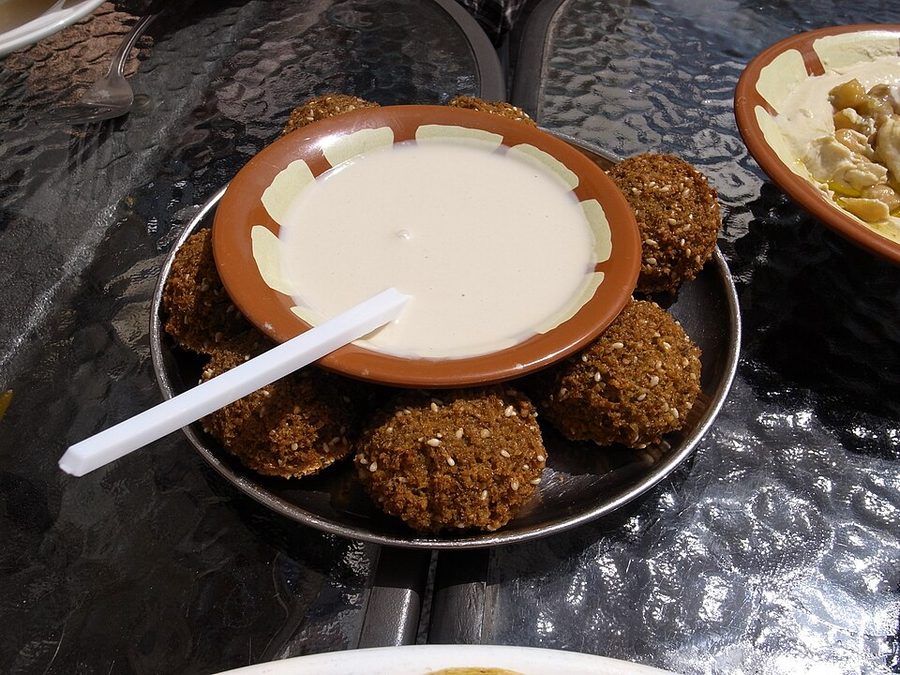
Falafel in Lebanon comes with tarator: tahini thinned with lemon juice and water, with a little garlic. A chicken shawarma gets toum, the white garlic sauce, instead, and the two are not swapped. Tarator is also what goes on beef shawarma and on fried fish.
Makes about 250 ml (1 cup), enough for the falafel above. 5 minutes.
Ingredients
- 120 ml (½ cup) tahini, stirred well in the jar
- 60 ml (¼ cup) lemon juice
- 1 garlic clove
- ½ tsp salt
- 60 to 90 ml (4 to 6 tbsp) cold water
Method
- Crush the garlic to a paste with the salt.
- Whisk the tahini, lemon juice and garlic together. It will seize and turn thick and pale; keep going.
- Add the water a spoonful at a time, whisking, until the sauce is smooth and pours like double cream. Taste for salt and lemon.
When falafel goes wrong
Fry one falafel before you shape the rest. It costs four minutes and tells you everything about the mix, the oil and the size.
It falls apart in the oil
The usual causes are cooked or canned chickpeas, wet herbs, beans that were not dried after soaking, a grind that is too coarse, or oil that is not hot enough. Grind the mix a little finer, chill it for another half hour, and stir in a tablespoon or two of chickpea flour. If you started with canned chickpeas, flour will get you something edible, but not falafel.
It is dense and heavy
A falafel like a cricket ball has usually been ground to a paste, packed too hard, or made without bicarbonate. Bicarbonate stirred in the night before has also done some of its work too early. Crowding the pan drops the oil temperature, and a falafel that sits in cool oil soaks it up and turns heavy and greasy.
Dark outside, raw inside
The oil is too hot or the falafel too big. Turn the heat down a little, make them smaller, and check with a thermometer: 175 to 180°C (350 to 355°F) is the range. A falafel that comes out pale and soft after four minutes needs the opposite.
Ovens, air fryers and the freezer
Baked falafel are drier and less crisp: brush the shaped falafel with oil and bake at 200°C (400°F) for about 25 minutes, turning once. In an air fryer, flatten them into patties, brush both sides with oil and cook at 200°C (400°F) for 10 to 15 minutes, turning halfway.
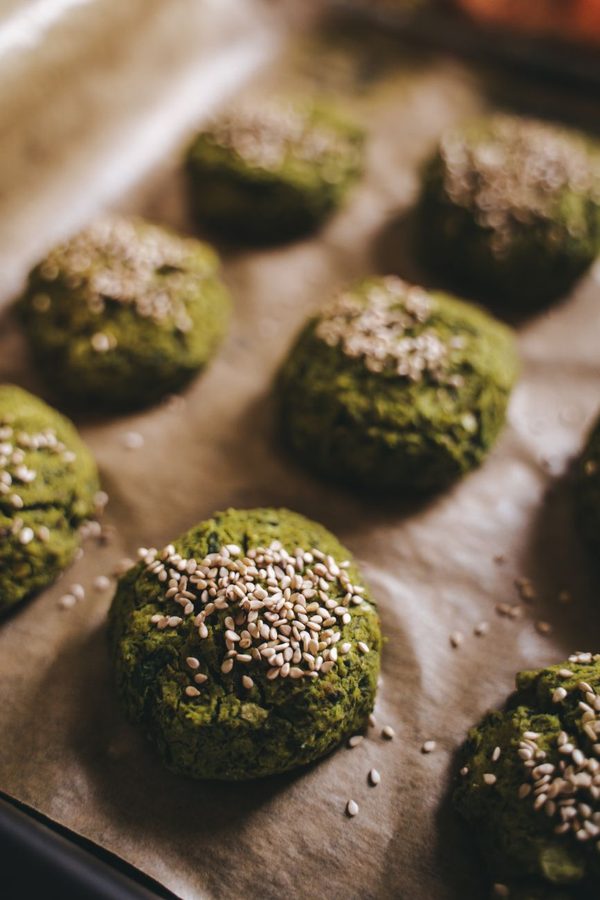
The raw mix freezes well for up to three months, without the bicarbonate. Thaw it in the fridge, then stir in the bicarbonate and fry. Fried falafel are best within minutes, but leftovers come back reasonably in a 200°C (400°F) oven in about 8 minutes.
The Beirut sandwich
In Lebanon falafel is mostly eaten in bread, standing up, wrapped in paper. Ask for a sandwich at a falafel shop and you get a roll about as thick as a thumb, not a stuffed pitta pocket, with the falafel crushed flat inside it. Ask for “extra” and you get a bigger one with more falafel.
Bread
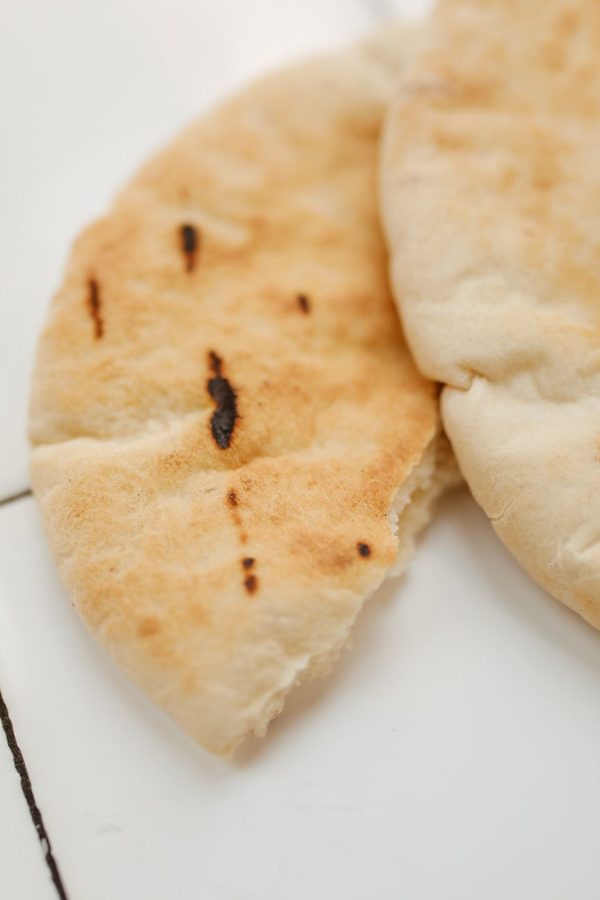
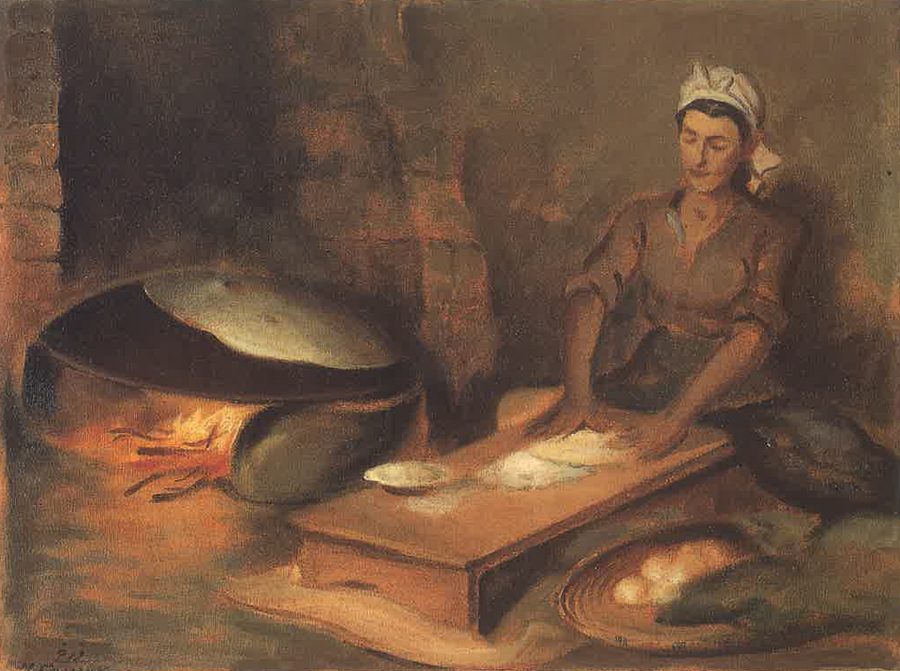
The bread is thin Lebanese pitta, khebez, split open into its two layers so it wraps rather than holds. Some shops use the larger, paper-thin bread from the saj dome, called markouk in Lebanon and shrak in Syria. Warm it for a few seconds so it bends without cracking.
What goes in, and in what order
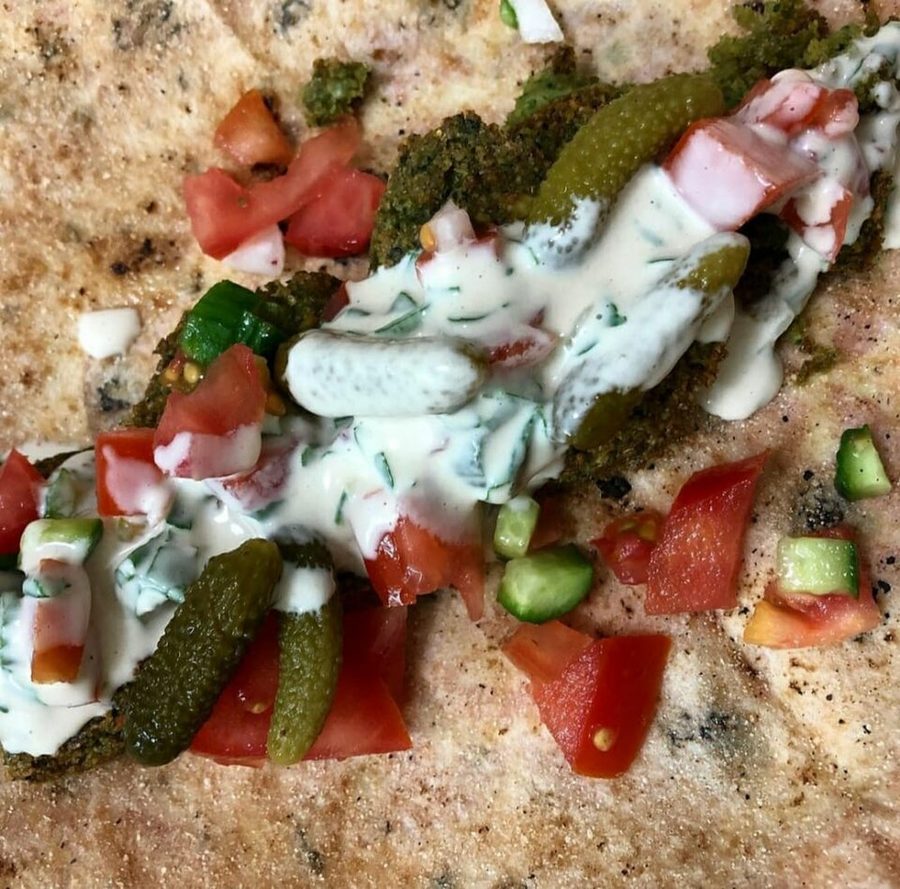
Tarator first, spread over the whole inside of the bread. Then three or four falafel, pressed flat with the back of a spoon so every bite has some. Then sliced tomato, a handful of parsley, a few mint leaves, sliced radish and strips of pink pickled turnip, kabees lift.
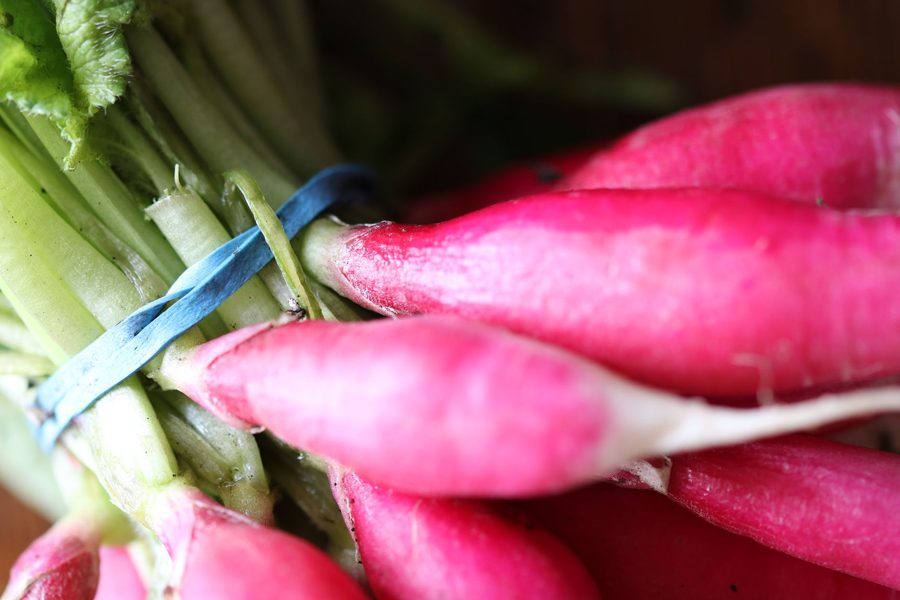
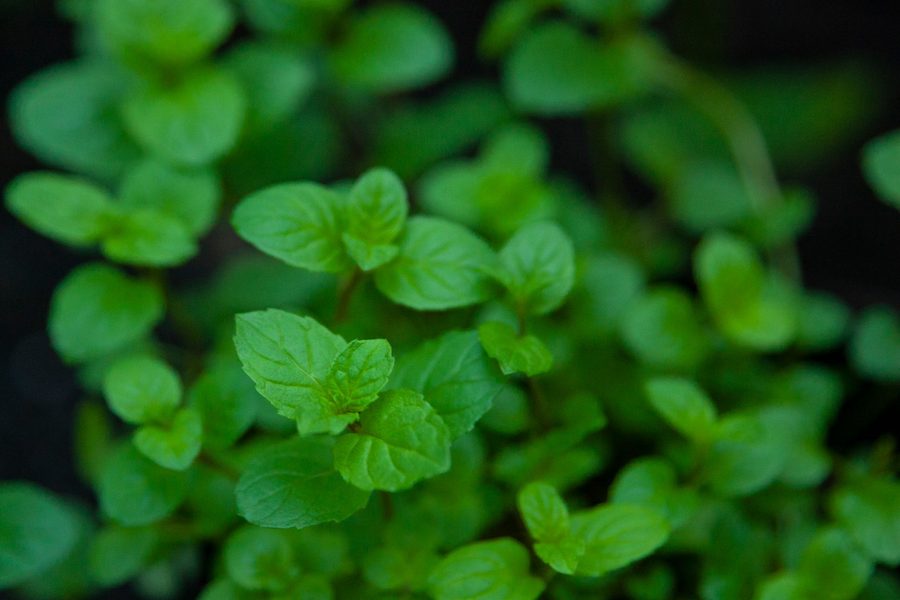
The Sahyoun sandwich keeps to falafel, tomato, parsley, radish, mint and tarator: the parsley stays out of the mix but goes into the bread. Other shops add pickled cucumber, and many will spread on a hot pepper paste if you ask. Lettuce, cabbage and chips are for elsewhere.
Roll it tight, folding in the bottom end first, and wrap the lower half in paper. Eat it within five minutes, before the tarator reaches the falafel’s crust.
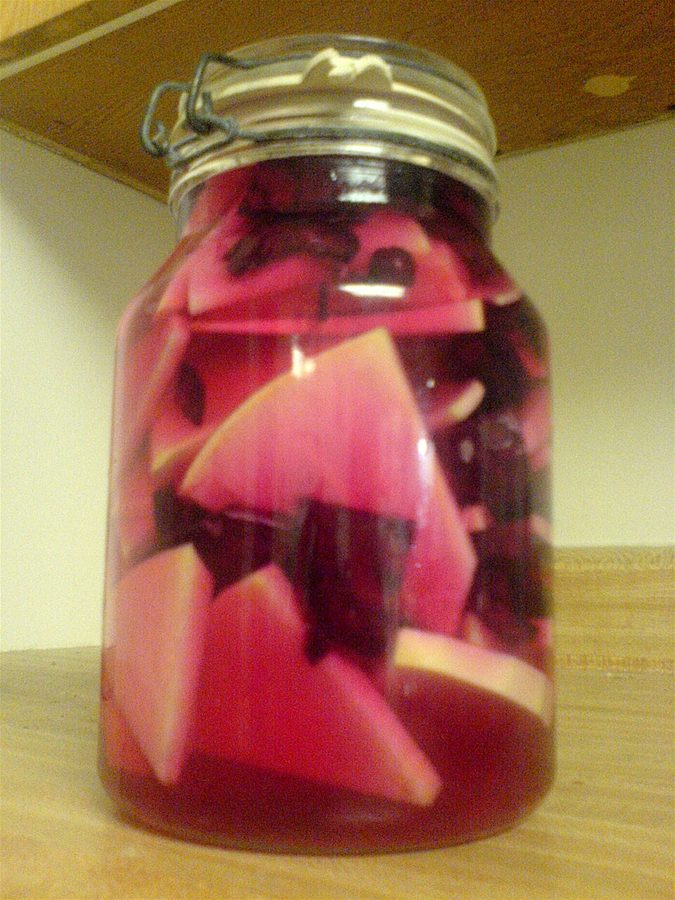
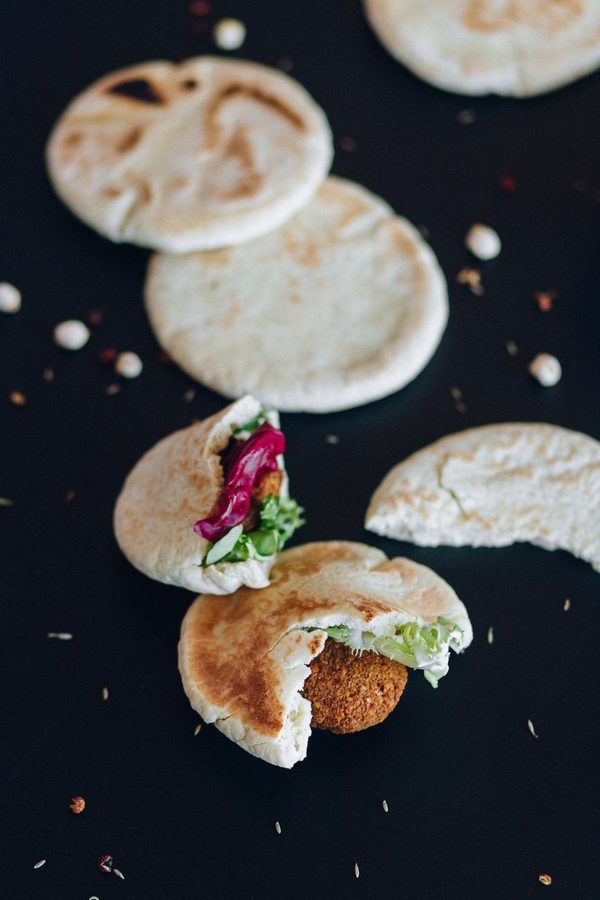
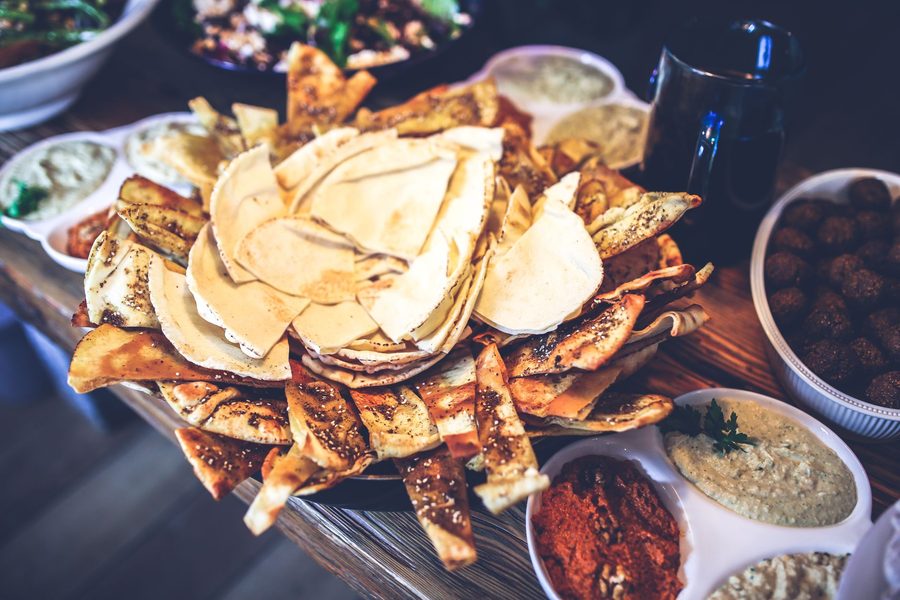
On the table rather than in bread, falafel belongs with the rest of the mezze: a bowl of tabbouleh to cut through the fried crust, moutabal, a plate of fattoush, radishes, pickles and a bowl of tarator in the middle.
Where to eat falafel in Lebanon
Lebanon has a falafel shop in almost every neighbourhood, and the queue tells you more than the sign. Prices are in US dollars, as everywhere in Lebanon since 2023, and a falafel sandwich costs a few of them. These shops were all serving in November 2026.
Sahyoun, Bechara el Khoury, Beirut
The two Sahyoun shops still stand side by side on Bechara el Khoury, on the old Damascus Road. Zoheir’s, with the blue sign, is the original 1933 storefront. Fouad’s red “M. Sahyoun” next door shut during the 2021 economic collapse, when a sandwich that had cost LL3,500 cost LL15,000 and still lost money, but by autumn 2026 customers were eating under both signs again.
Loyalties run deep and the falafel are close, made to the same recipe with no parsley in the mix. Order the “extra” sandwich. Zoheir’s son Karim has his own chain, Falafel Karim Sahyoun, with branches across Lebanon including Hamra.
Abou Nabil, Aisha Bakkar, Beirut
Falafel Abou Nabil & Sons sits on the street beside Dar al-Fatwa, in Aisha Bakkar, and the family dates the shop to 1958. The sandwich is the classic Beirut roll: thin bread, plenty of tarator, mint, tomato, radish and pink turnip. The queue moves fast, and there is often a hot falafel handed over to eat while you wait.
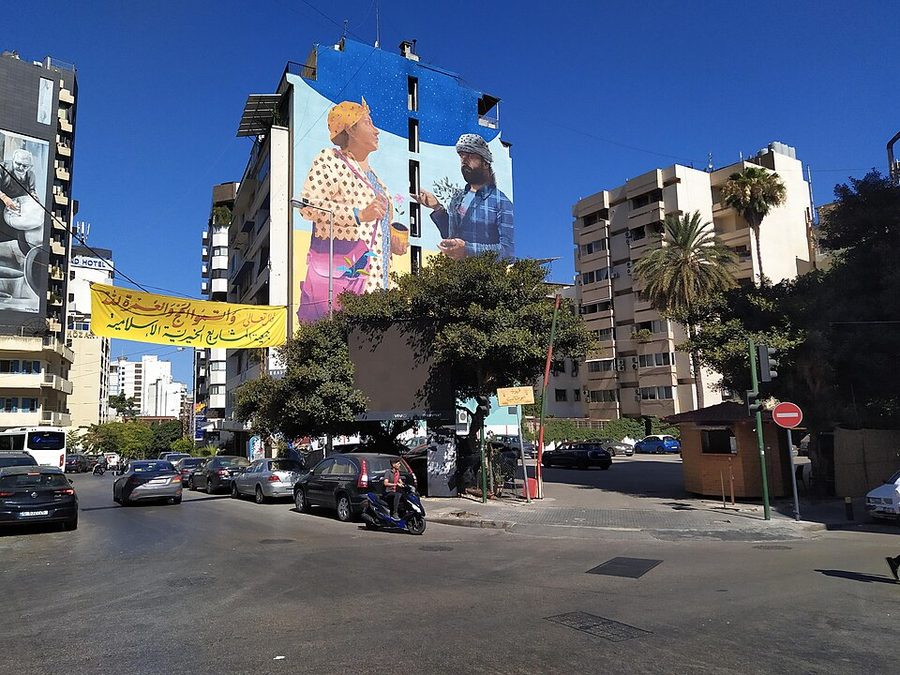
Tabbara, Ras Beirut
Falafel Tabbara is a tiny family shop in Ras Beirut, a few streets below Hamra, and it keeps short daytime hours. The sandwich comes heavy with a sharp tarator, mint, parsley and pickles, and regulars ask for the hot chilli sauce too.
Arax, Bourj Hammoud
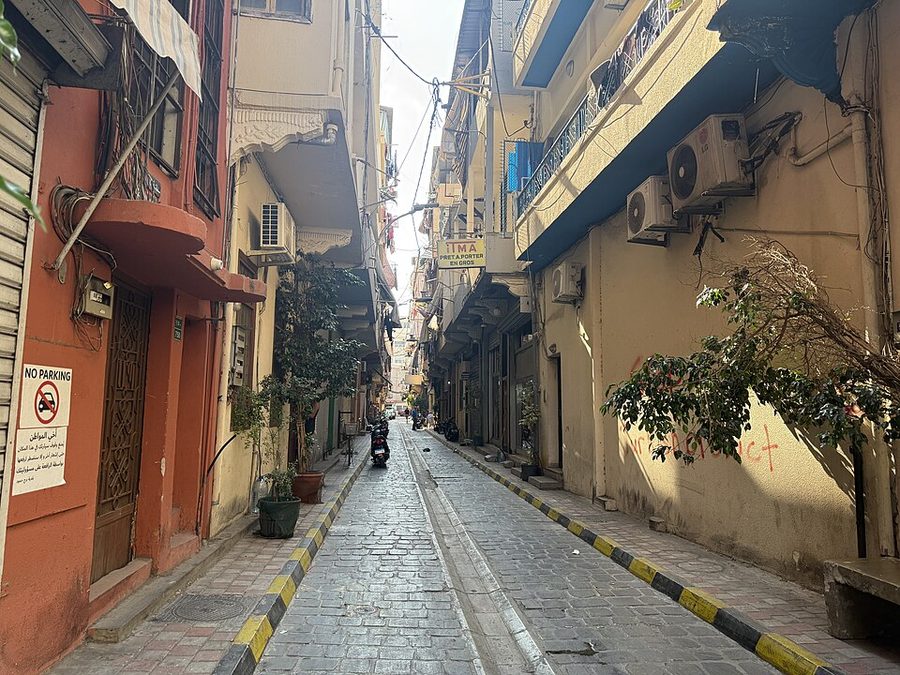
Falafel Arax is a quick street counter in Bourj Hammoud, Beirut’s Armenian quarter, just across the river from the east of the city. Portions are generous, and the fried cauliflower sandwich is the other thing to order. Walk the district’s food shops while you are there.
Abou Rami and Akkawi, Saida
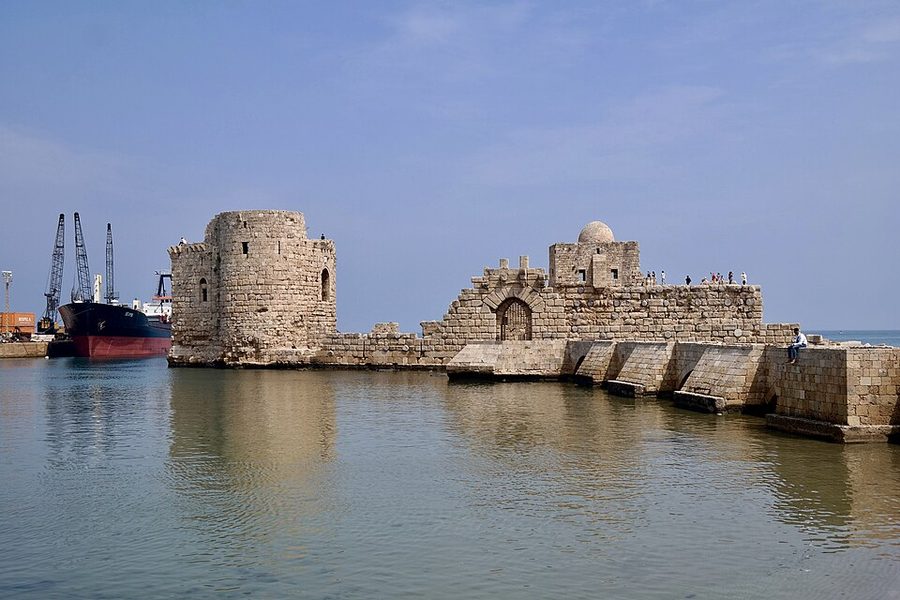
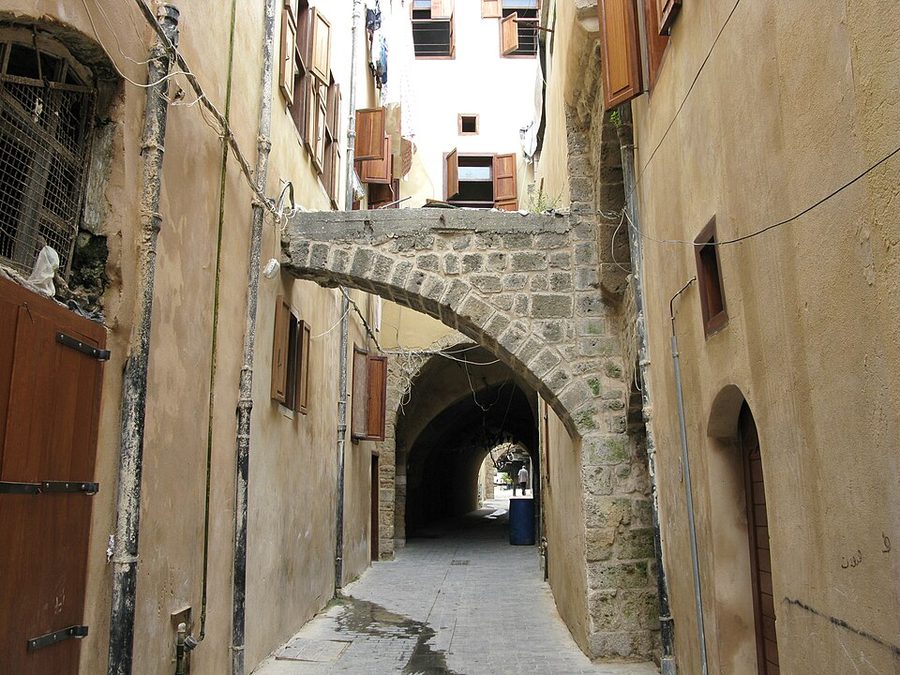
In Saida, about 45 km south of Beirut, Falafel Abou Rami has been frying since 1988 on the seafront opposite the Crusader Sea Castle, with tables outside. The sandwiches are huge; one is lunch. Falafel Akkawi, on Sitt Nafisa Street, is the plainer choice, a busy local counter that keeps longer hours.
At home, all of it comes back to the bowl on the counter the night before. Put 200 g of chickpeas and 200 g of split fava in cold water this evening, and by lunchtime tomorrow the falafel can be on the table, or rolled in bread with tarator, radish and mint.