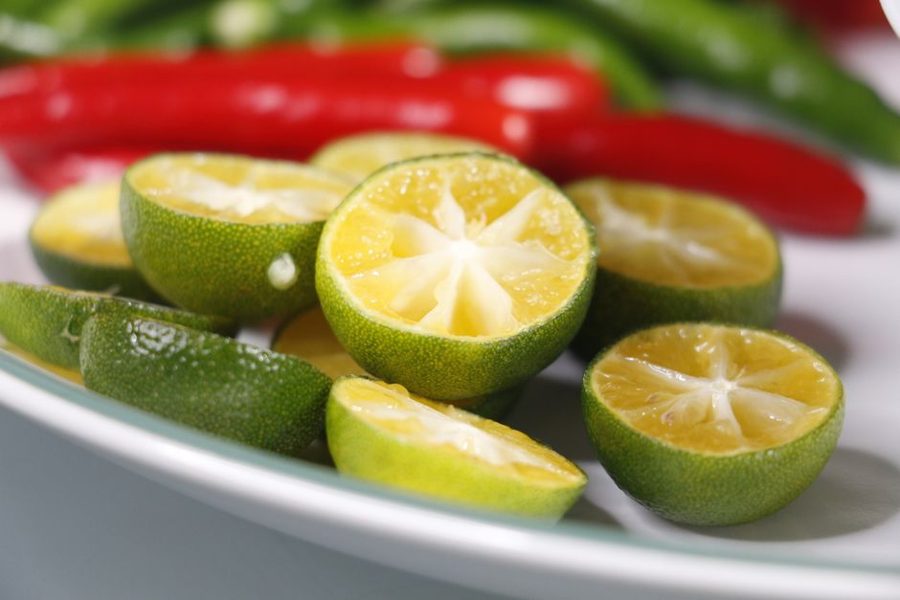
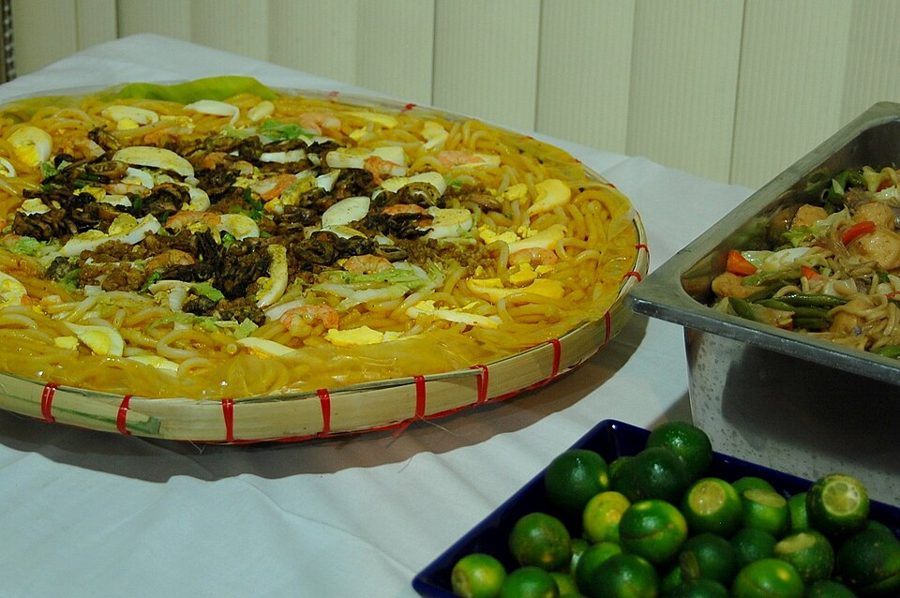
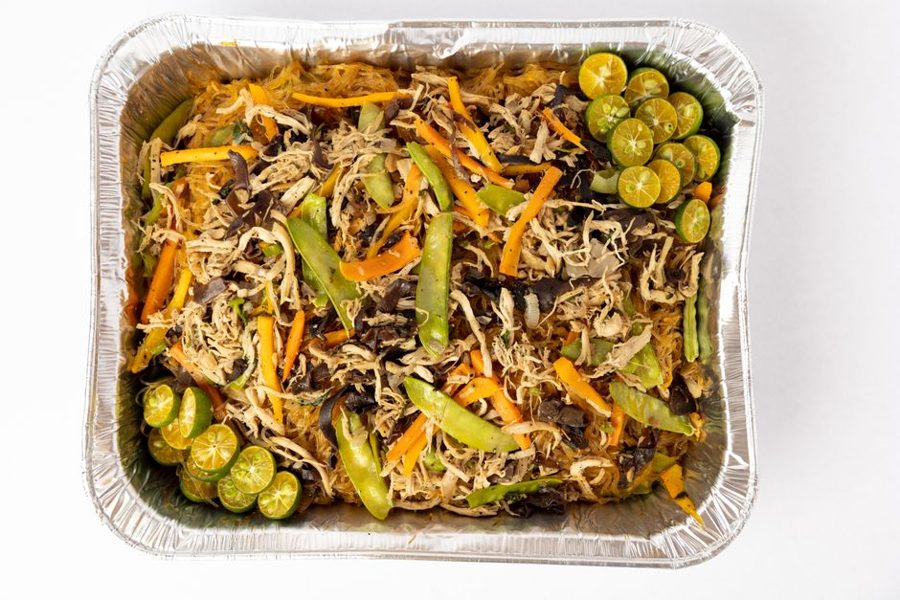
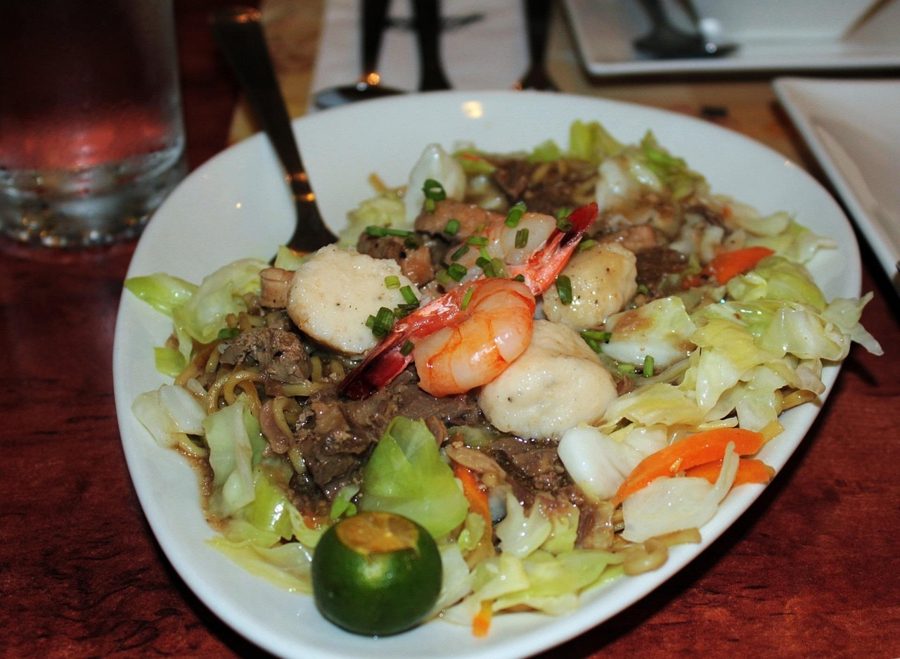
Order pancit anywhere in the Philippines and it arrives with two or three calamansi halves on the rim of the plate, cut side up. Nobody asks whether you want them. They are as much a part of the table as the spoon and fork, and they go on the noodles, the porridge, the grilled pork and the fried fish with the same reflex.
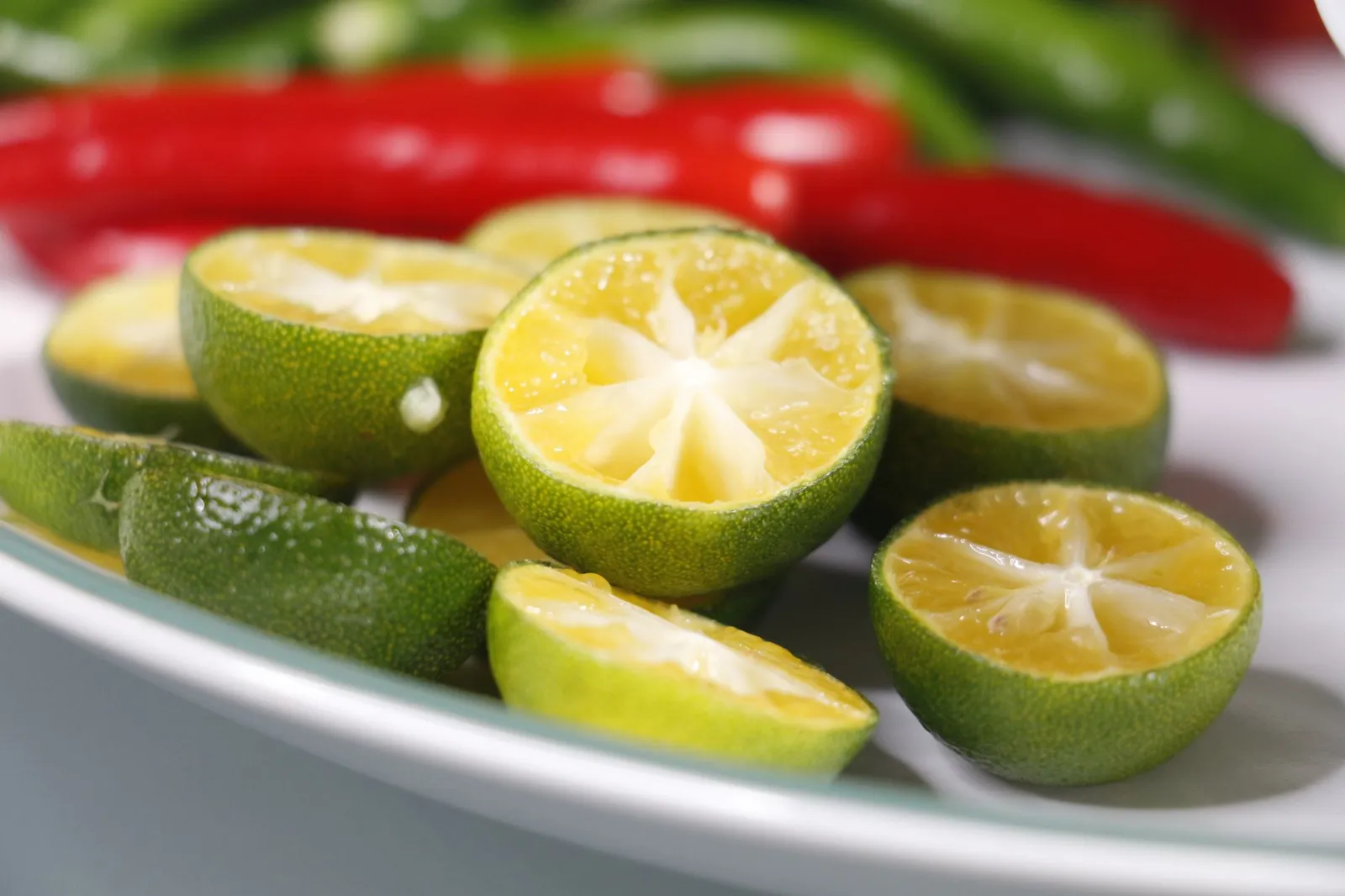
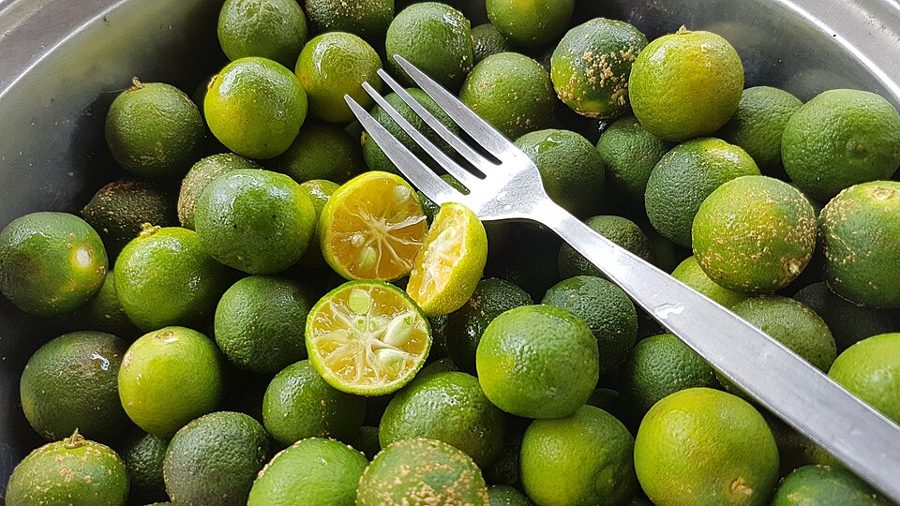
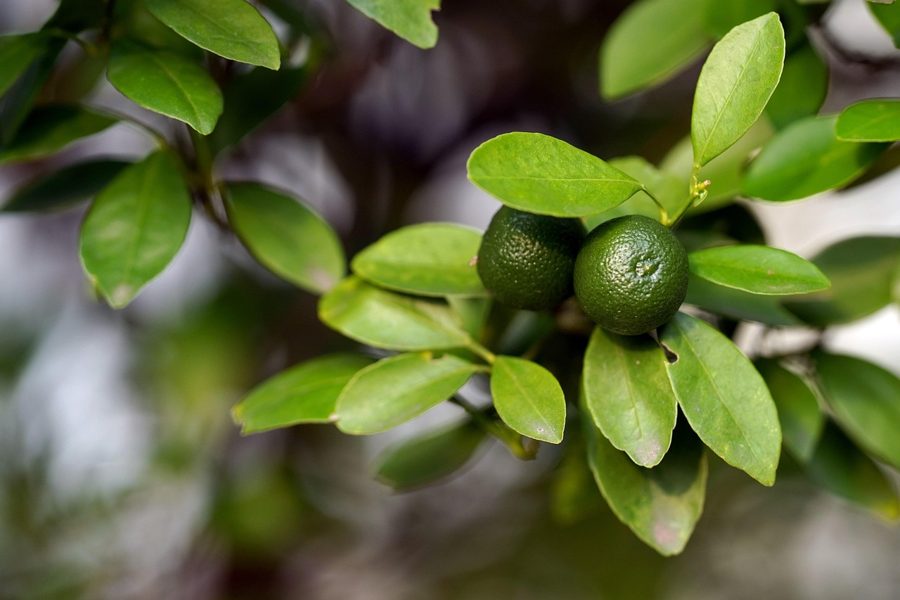
The fruit is the size of a marble, green outside and orange inside, and sourer than a lime. What sets it apart is the smell: squeeze one and there is a floral, almost mandarin note over the acid, which is why a bottle of lime juice never quite replaces it. Ask a Filipino cook abroad what they miss from the market and calamansi comes up early.
In Metro Manila’s public markets in late November 2026, a kilo cost about ₱120. Far from the islands the fresh fruit is hard to come by, and the freezer, the bottle and the potted tree have to stand in.
Contents 7 parts
The fruit with a dozen names
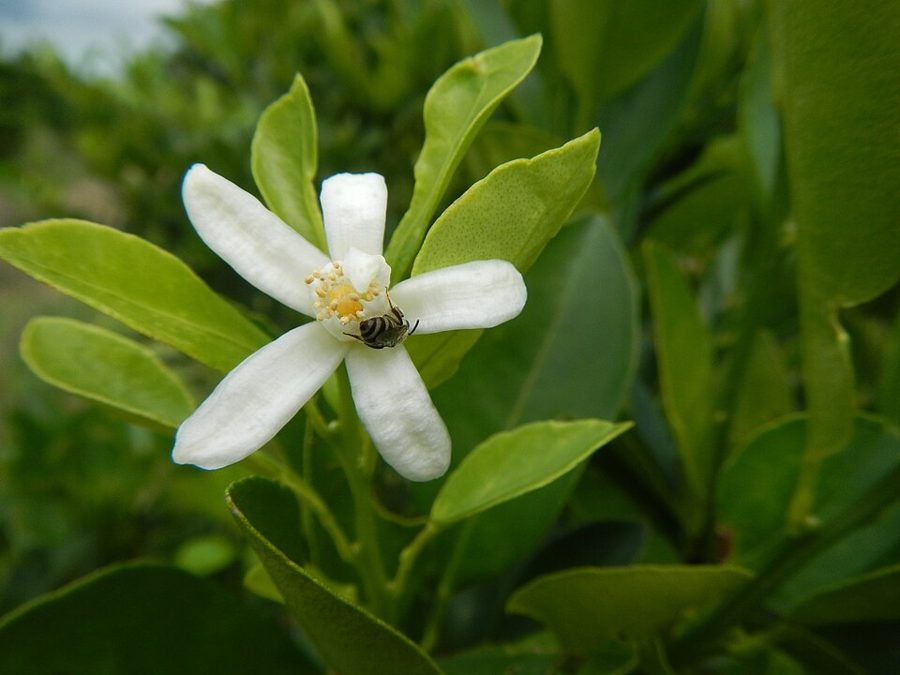
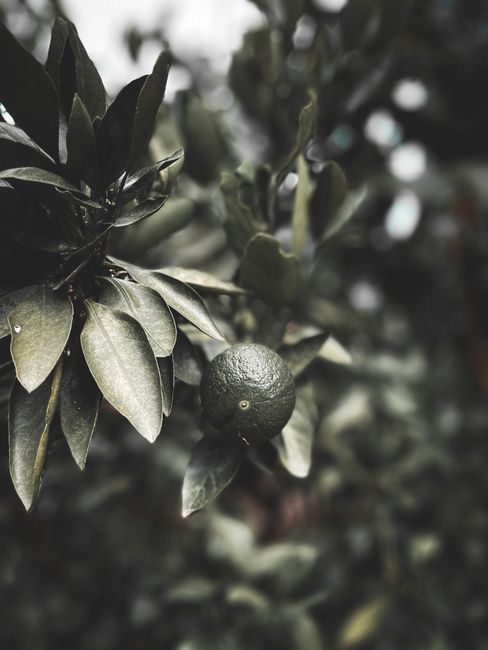
Botanists call it Citrus × microcarpa, a hybrid of the kumquat and another citrus, most likely a mandarin. The fruit is usually 25–35 mm (1–1⅜ in) across, with a peel so thin it tears if you pull the fruit off the branch. The peel is sweet and the pulp is very sour, which is why nobody eats one out of hand.
In Tagalog it is kalamansi, also kalamunding. The English “calamondin” is that second word anglicised during the American period, and it is still the name on the label of every potted tree sold in Florida, Britain or Germany.
In Cebu and much of the Visayas the fruit is limonsito or lemonsito, a Spanish-flavoured diminutive meaning little lemon. A Cebuano description of kinapusan, chopped fried pork, has it dipped in fish sauce and vinegar “pinug-an sa lemonsito ug sili”, squeezed with calamansi and chilli. Malaysians and Singaporeans call it limau kasturi, musk lime, and old American gardening books add golden lime, Panama orange and scarlet lime.
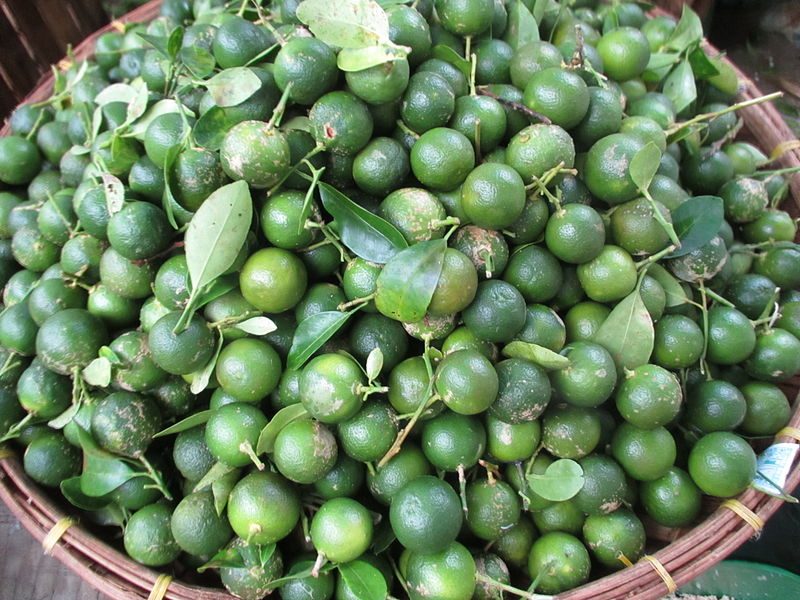
Its scientific name took a century and a half to settle. The Augustinian friar Francisco Manuel Blanco described it as Citrus mitis in his Flora de Filipinas of 1837, but the Russian botanist Alexander Bunge had already called it Citrus microcarpa in 1832, and in 1984 the Dutch botanist Onno Wijnands pointed out that Bunge’s name came first. For a while it sat in a hybrid genus, × Citrofortunella, until the kumquats were folded back into Citrus. The trees in your local garden centre may carry any of these names.

Where it first grew is less settled. The standard modern references put its native range in the Philippines, Borneo, Sumatra and Sulawesi, reaching north to southern China and Taiwan. Julia Morton’s horticultural survey of the calamondin, written in the 1980s, believed it native to China and carried early to the Philippines. Either way, the Philippines is where it became the everyday souring fruit, and no other country grows it on the same scale.
Green or orange, and what it costs
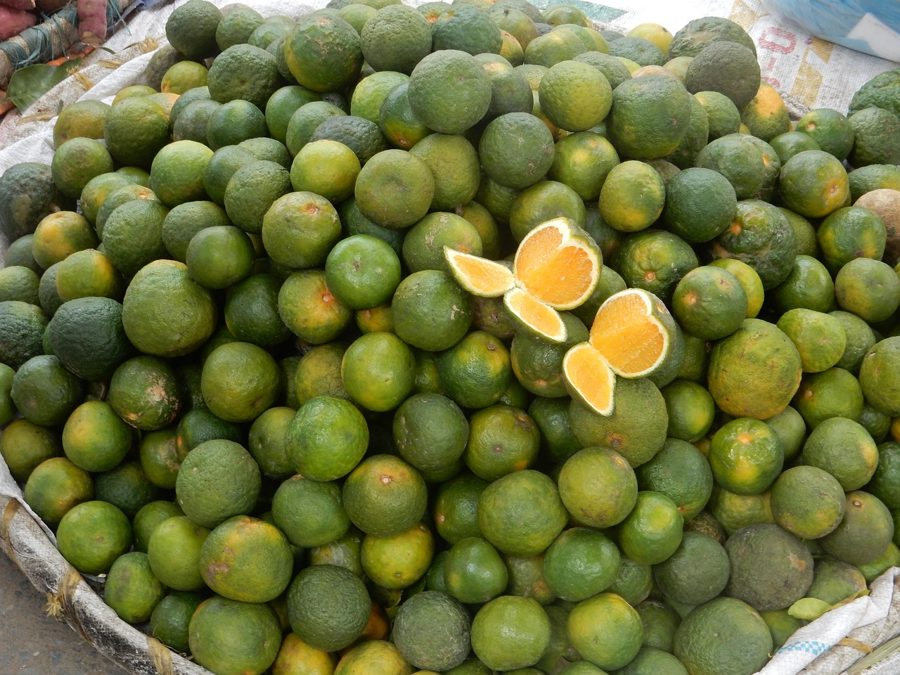
Filipino markets sell calamansi green or just turning, and that is how it is used: partly ripe, at its sharpest. Left on the tree it turns fully orange and softens, and the juice gets sweeter and rounder. Florida growers who make calamondin cake and marmalade wait for that stage; in most Filipino kitchens the fruit is used long before it gets there.
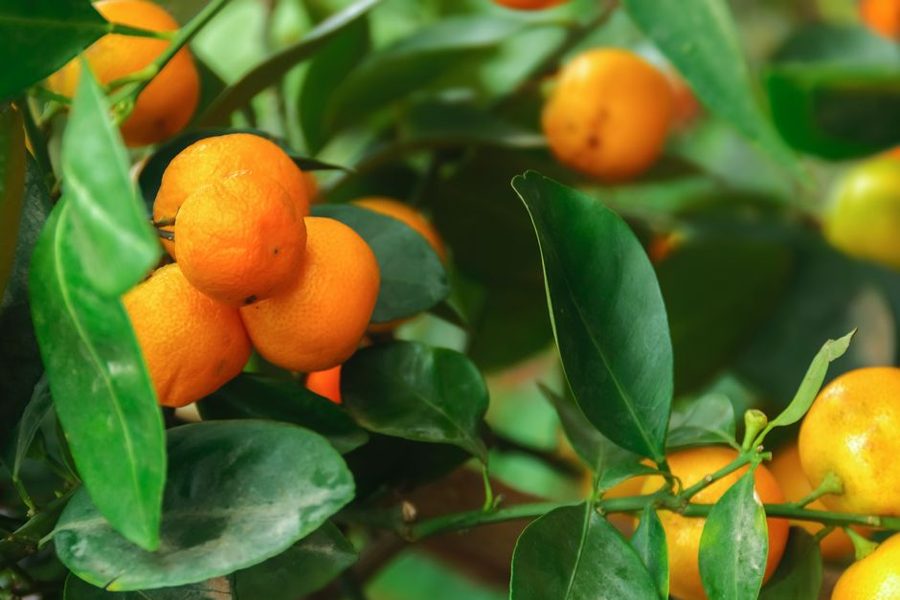
The tree crops nearly all year. Morton gives the Philippine peak as mid-August to October, and in practice gluts arrive at different times in different provinces, so prices swing hard. Out of season, in the first week of January 2026, news reports had calamansi at ₱220 a kilo. By 26 November 2026 the Department of Agriculture’s market price survey found ₱50 to ₱160, with most stalls at ₱120.
Where it goes on the Filipino table
Calamansi does three jobs: a condiment squeezed by the person eating, a souring agent added by the cook, and a drink. The first is the one that matters most, and it starts with a saucer.
Sawsawan: toyomansi and its relatives
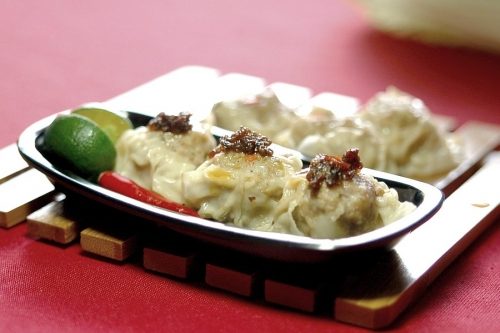
A Filipino meal comes with sawsawan, dipping sauces you mix yourself at the table. Soy sauce with calamansi is toyomansi, from toyo, soy. Fish sauce with calamansi is patismansi, from patis. Add a crushed siling labuyo, the small hot chilli, and you have the dip that goes with fried fish, siomai, grilled pork and lumpia.
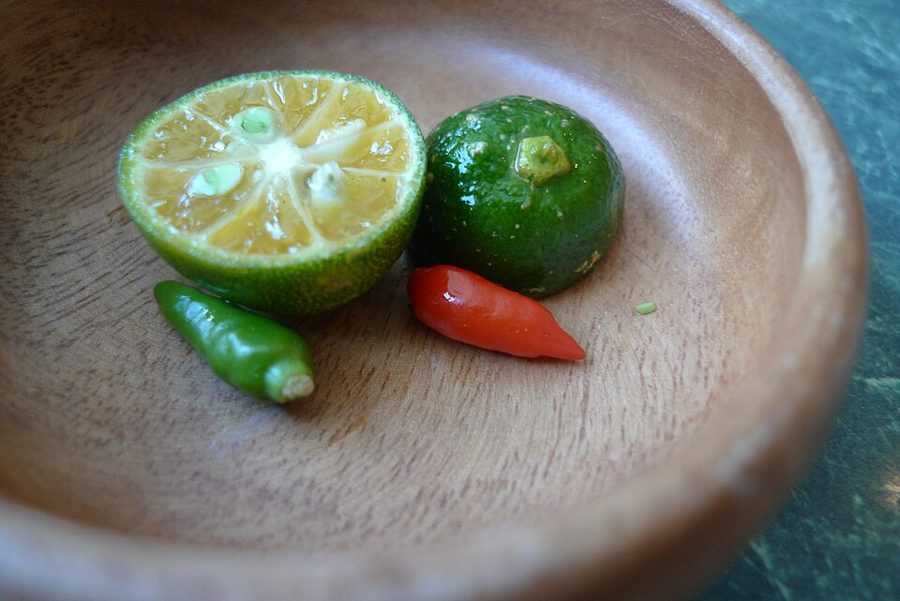
There is no fixed ratio and that is the point. The cook sets the salt in the pot; the diner adjusts the sour and the heat in the saucer, plate by plate. I squeeze a couple of halves into a small saucer of soy, taste, and keep going until the soy stops tasting of soy alone. A good toyomansi should make your mouth water before it reaches the food.
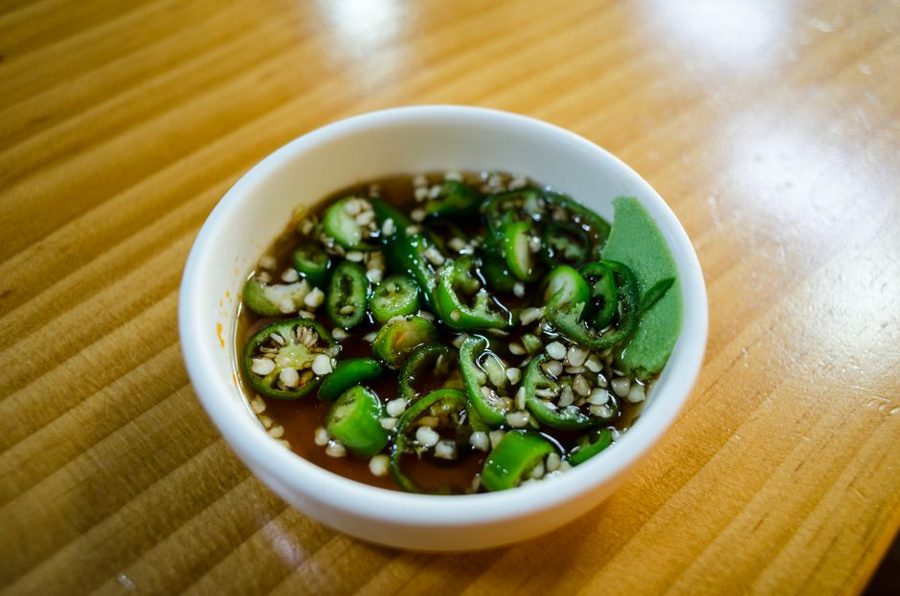
At Cebu’s barbecue stalls the dip is on the table before you sit down: soy with calamansi and chilli for the pork skewers and the puso, rice cooked in woven coconut leaf. The whole roast pig that Cebu is famous for, the lechon, needs no sauce, and it is still often served with the same mix or with spiced vinegar. Siomai, the steamed pork dumpling, is barely eaten without it.
Squeezed over noodles and porridge
Almost every kind of pancit comes with calamansi, from the thin rice noodles of bihon to the wheat egg noodles of canton and the orange crab-fat sauce of pancit Malabon. The noodles are seasoned with soy or fish sauce and stock, and they are rich and salty by design. The squeeze lifts them and makes the second plate possible.
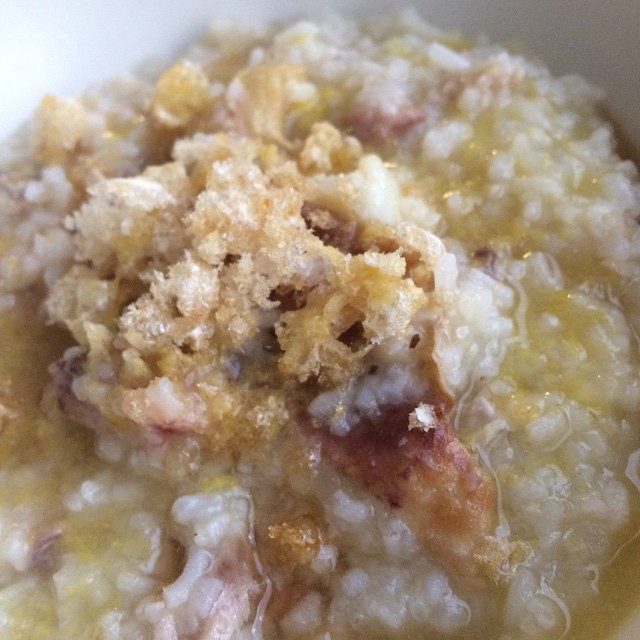
Lugaw, rice porridge, and its chicken and ginger version arroz caldo get the same treatment, along with a splash of fish sauce and a spoon of fried garlic. In soups the calamansi usually goes in at the very end. A sinigang soured with tamarind is often finished with a few calamansi squeezed into the pot in the last minute, and in some kitchens calamansi is the whole souring agent.
Kinilaw
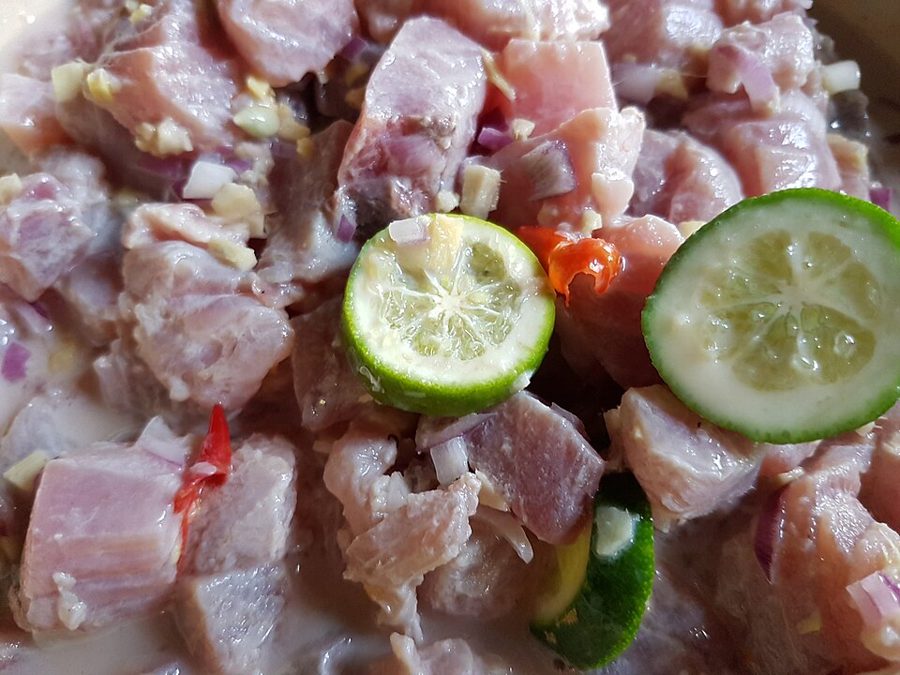
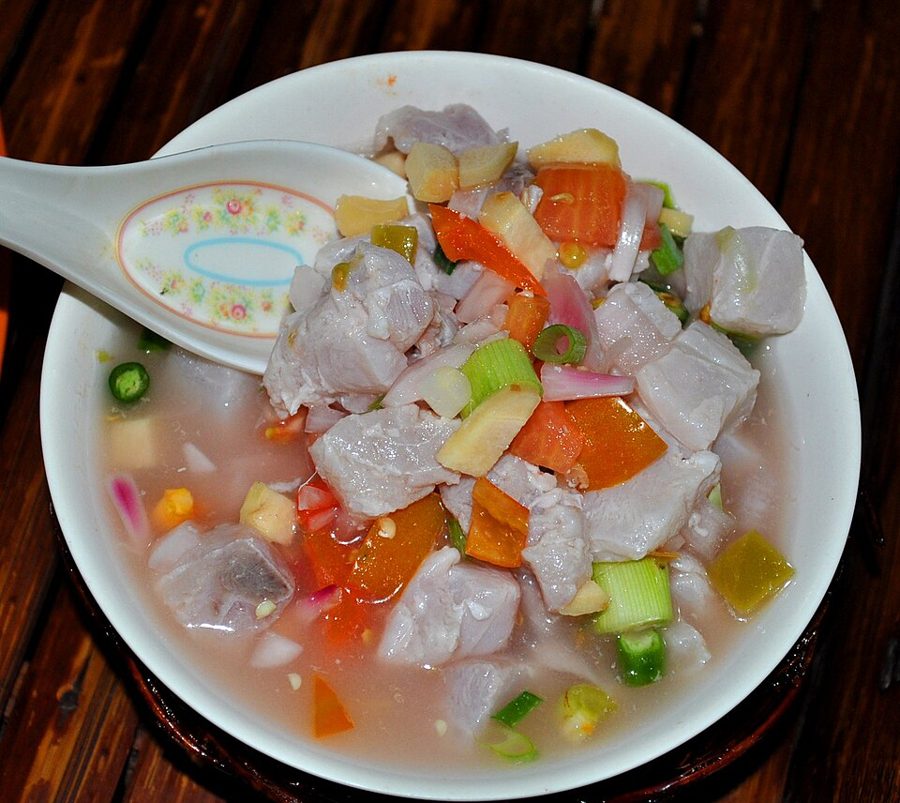
Kinilaw, raw fish cured in acid, is the dish where calamansi turns from condiment into cook. In Cebu, where it is called kilaw, the base is usually coconut vinegar with onion, ginger and chilli, and calamansi is squeezed in at the end to brighten it. Some cooks cure the fish in calamansi alone. The acid firms and whitens the outside of the fish in minutes, so eat it soon after: kinilaw that sits for an hour turns chalky.
Marinades for the grill
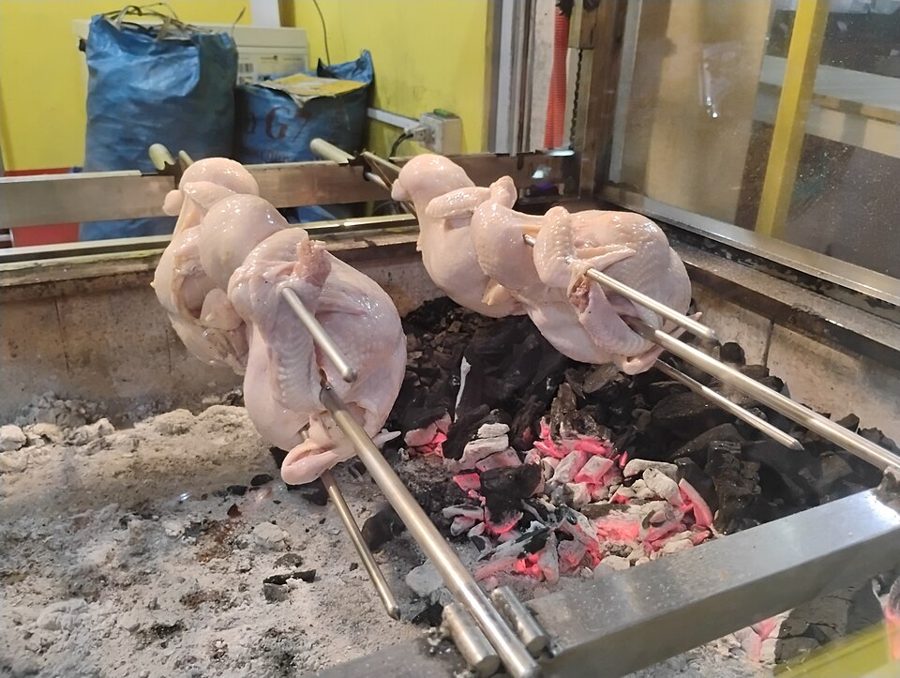
Filipino barbecue, inihaw, starts in a bowl of soy sauce and calamansi. Pork skewers add garlic, sugar and banana ketchup; the street versions, from pork to the grilled chicken feet called adidas, often add lemon-lime soda. Bacolod’s chicken inasal swaps the soy for vinegar, lemongrass and ginger, and keeps the calamansi.
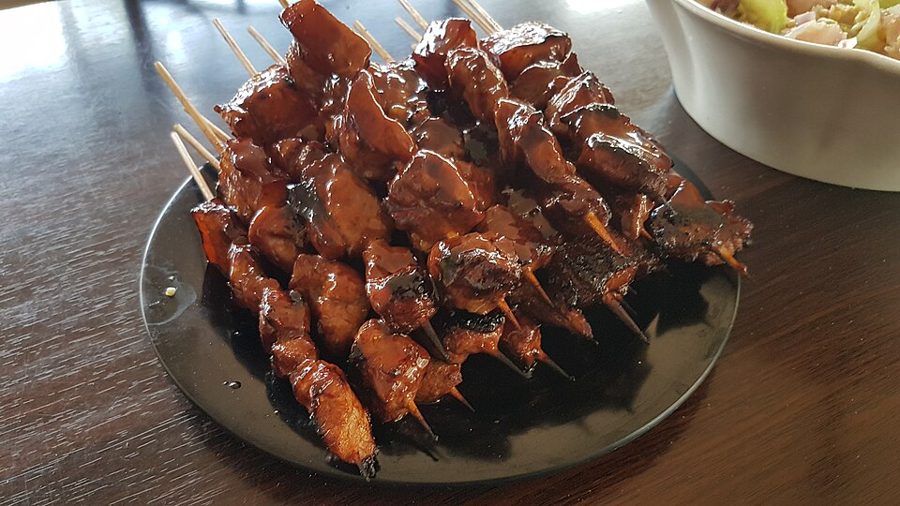
The acid is gentle at grill-marinade strength, so pork can sit in it overnight. Fish cannot: give it minutes, not hours, or the outside starts to cure like kinilaw before it reaches the coals. And there is one more use most outsiders never meet. Cooks making kesong puti, the soft white carabao-milk cheese, add calamansi with cane vinegar to help the milk curdle, and the cheese keeps a faint citrus edge.
Calamansi juice (calamansi-ade)
Kalamansi juice, sweetened and iced, is the Philippine answer to lemonade, made by the pitcher at home and sold by the glass. It is also what a Filipino household reaches for, warm with honey, at the first sign of a sore throat. For a sweet syrup to keep in the fridge and top up with fizzy water, use the calamansi cordial instead; this is the everyday glass.
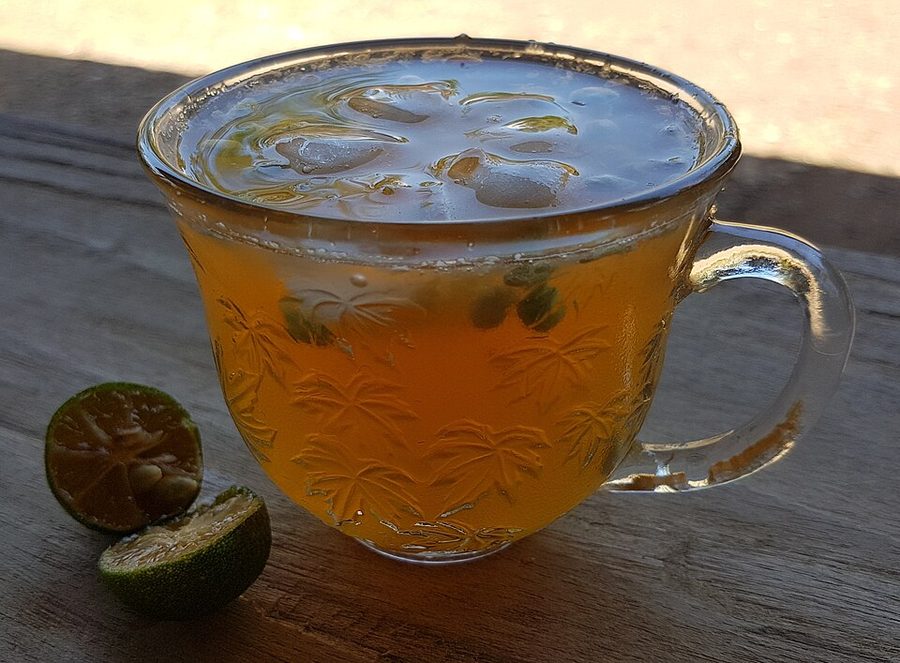
The recipes I checked disagree on strength. A Filipino-American pitcher recipe uses 1 cup of juice to 4 of water and ¾ cup of sugar; a Filipino cooking channel’s video uses 100 ml of juice to 600 ml of water; Tagalog home cooks writing for each other squeeze the fruit into a glass of water and add a tablespoon or two of sugar. I go with the stronger one-to-four, because ice melts into it, and dissolve the sugar in hot water first, since sugar stirred into cold juice sinks.
Makes about 1.3 litres (5½ cups), enough for 5 glasses. 15 minutes, plus cooling.
Recipe card
Calamansi juice: 5 glasses · 15 minutesIngredients
- 250 ml (1 cup) freshly squeezed calamansi juice, strained
- 150 g (¾ cup) white or light brown sugar, or honey to taste
- 1 litre (4 cups) water, 250 ml (1 cup) of it hot
- Ice, and a few calamansi halves to serve
Method
- Stir the sugar into the 250 ml (1 cup) of hot water until it dissolves completely, then leave to cool. If you are using honey, stir it into warm water rather than boiling.
- Wash the calamansi, halve them across the middle and squeeze through a fine sieve into a jug, pressing the pulp but not crushing the seeds.
- Pour the cooled syrup and the remaining 750 ml (3 cups) of cold water into the juice and stir.
- Taste. Add a little more syrup or water to suit; the mix should taste slightly too strong at room temperature, because the ice will soften it.
- Chill for an hour, then pour over ice with a calamansi half in each glass. Drink within a day: the fresh smell fades in the fridge.
Bistek Tagalog
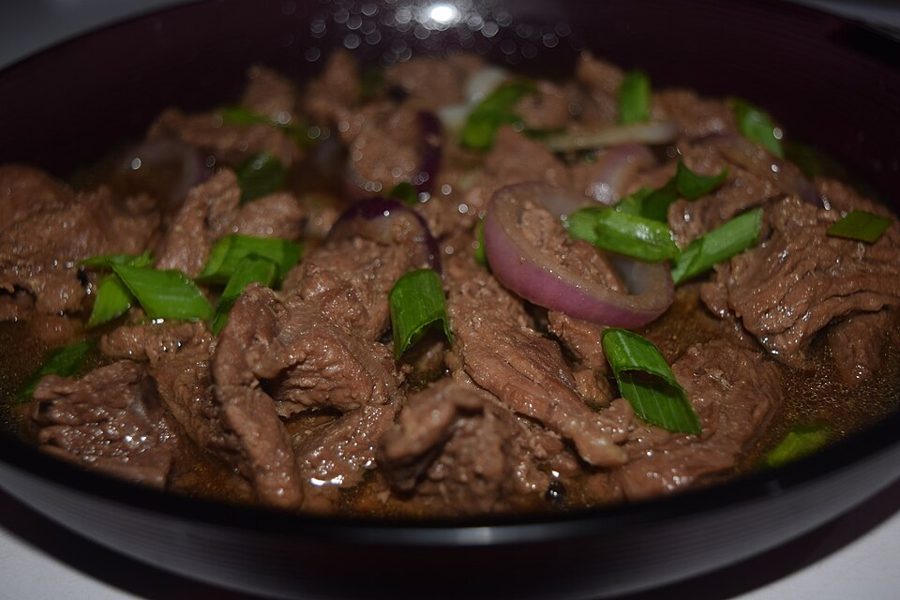
Bistek, from the Spanish bistec, is beef cooked in soy sauce and calamansi under a heap of onion rings, and the Tagalog in the name says where the version most Filipinos know comes from. The calamansi is what makes it Filipino. It cuts the soy, softens the beef in the marinade, and gives the sauce the sour edge that makes you spoon it over a second cup of rice.
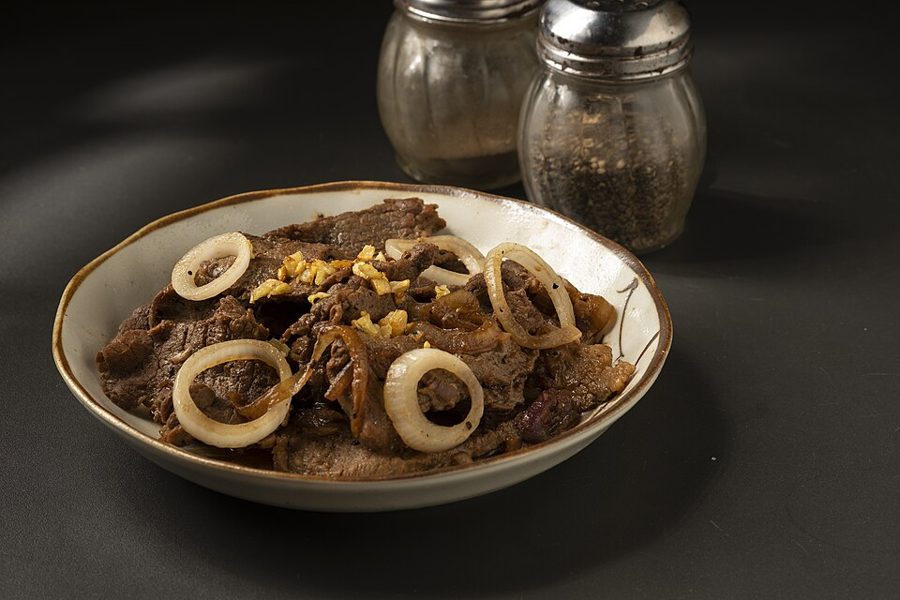
Three English-language recipes by Filipino cooks, and a Tagalog newspaper’s fish version of the same dish, agree on soy, citrus, onion and pepper and on little else. One marinates for 30 minutes and warns that longer turns the beef mushy; another wants an hour or overnight. One sears the beef for a minute a side and simmers it briefly; another braises top round for 40 to 50 minutes. Their soy to citrus ratios run from one-to-one to two-to-one.
My choice: sirloin sliced thin across the grain, 30 minutes to an hour in the marinade, a fast sear and a short simmer, so the beef stays tender. Calamansi is far sourer than the lemon most American recipes use, so I keep it a little below the soy. If you use a tougher cut such as top round, braise it covered for 40 to 50 minutes instead, as one of the recipes does, adding water as the sauce reduces.
Serves 4. About 40 minutes, plus 30 minutes to 1 hour marinating.
Recipe card 2
Ingredients
- 500 g (1 lb) beef sirloin, sliced across the grain about 5 mm (¼ in) thick
- 60 ml (¼ cup) soy sauce
- 45 ml (3 tbsp) calamansi juice, plus a few halves to serve
- ½ tsp freshly ground black pepper
- 4 garlic cloves, minced
- 2 large onions: one sliced into thick rings, one sliced thin
- 3 tbsp neutral oil
- 120 ml (½ cup) water
- Salt, if needed, and steamed rice to serve
Method
- Mix the soy sauce, calamansi juice and pepper in a bowl. Add the beef, turn it through and leave for 30 minutes to 1 hour, no longer.
- Heat 2 tbsp of the oil in a wide frying pan over medium-high heat. Fry the onion rings for 1 to 2 minutes, until just soft and still holding their shape, then lift them out and set aside.
- Lift the beef from the marinade, letting it drip, and keep the marinade. Turn the heat to high and sear the beef in batches, about 1 minute per side, so the pan stays hot. Set the beef aside.
- Add the remaining oil, then the garlic and the thin-sliced onion. Cook, stirring, for 2 to 3 minutes, until the onion softens and the garlic starts to colour.
- Pour in the reserved marinade and the water and bring to the boil. Return the beef and any juices, cover and simmer over low heat for about 10 minutes, until the beef is tender and the sauce has reduced a little.
- Taste the sauce. Add salt only if it needs it, and a fresh squeeze of calamansi to bring back the citrus smell that cooking flattens.
- Lay the onion rings over the beef, cover for 1 minute so they warm through in the steam, and serve straight from the pan with rice and extra calamansi halves.
Buying calamansi outside the Philippines
Fresh calamansi is the hardest form to find abroad, and citrus disease is the main reason. In the United States, citrus greening, the bacterial disease spread by the Asian citrus psyllid, is now found throughout Florida, Georgia and Mississippi and in parts of California, Texas, Arizona and other states. APHIS asks people not to mail or carry home-grown citrus fruit or plants out of quarantined areas, and moving citrus nursery stock between states is tightly controlled.
Bringing fruit in from abroad is no easier. Whether a fresh fruit may enter the US depends on the country it comes from, it must be declared, and anything meant for planting needs a foreign phytosanitary certificate in advance, as the CBP rules on agricultural products set out. If you are flying back from Manila or Cebu with a suitcase of food, the guide to packing food to bring home covers the rules country by country; fresh calamansi rarely makes it, and the sealed bottled kind travels fine.
What to buy instead
Frozen juice is the best stand-in. Filipino and larger Asian grocers keep plain frozen calamansi juice in the freezer cabinet, along with the other frozen Philippine produce. Buy the one that lists calamansi juice and nothing else. Thaw it in the fridge, and refreeze what you will not use in an ice-cube tray, one cube to a sawsawan.
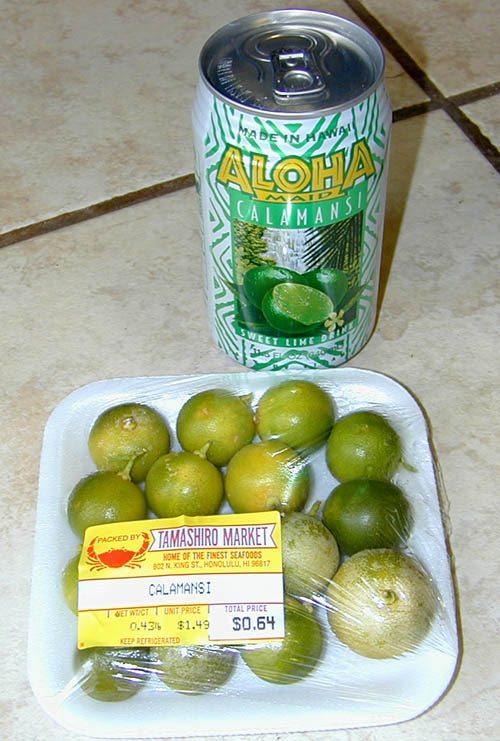
Bottled concentrate and puree needs reading. Much of it is sweetened, made to be diluted into a drink, and it ruins a soy dip. Philippine Brand, the Cebu dried-mango company, sells a sweetened calamansi puree, listed in Philippine shops as “Lemonsito”, that is made for juice and wrong for bistek. Unsweetened “pure extract” in bottles and pouches is sold widely in the Philippines and is worth bringing home.
Canned juice drinks are soft drinks. The Philippine Brand can sold in Filipino groceries abroad, for one, is 8% juice; drink it cold and leave it out of the cooking.
A potted tree is the only reliable source of fresh fruit in a cold country, and the next section covers it.
Substitutes, and where they fail
Lime is the obvious swap and it works in two places: kinilaw, where the fish carries the dish, and a squeeze over pancit, where salt and fat cover the difference. It fails in calamansi juice, which turns into limeade, and in anything where the citrus smell is the point. Lemon is softer and further away; recipe writers who use it count one lemon for three or four calamansi.
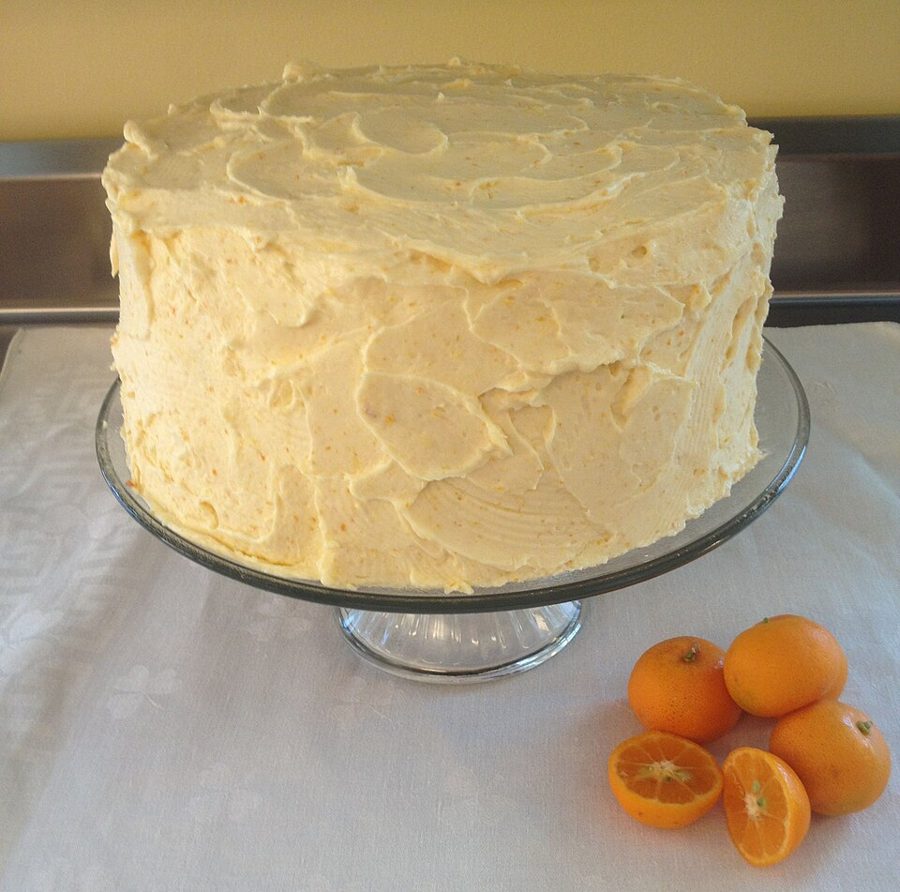
The better blend is mostly lime with a little orange or mandarin juice, which puts back some of the floral, sweet top note; some Filipino-American cooks use orange with lemon for the same reason. Start with a splash of the orange and add more until the soy dip smells right. It is still not calamansi, but in toyomansi most people will not notice.
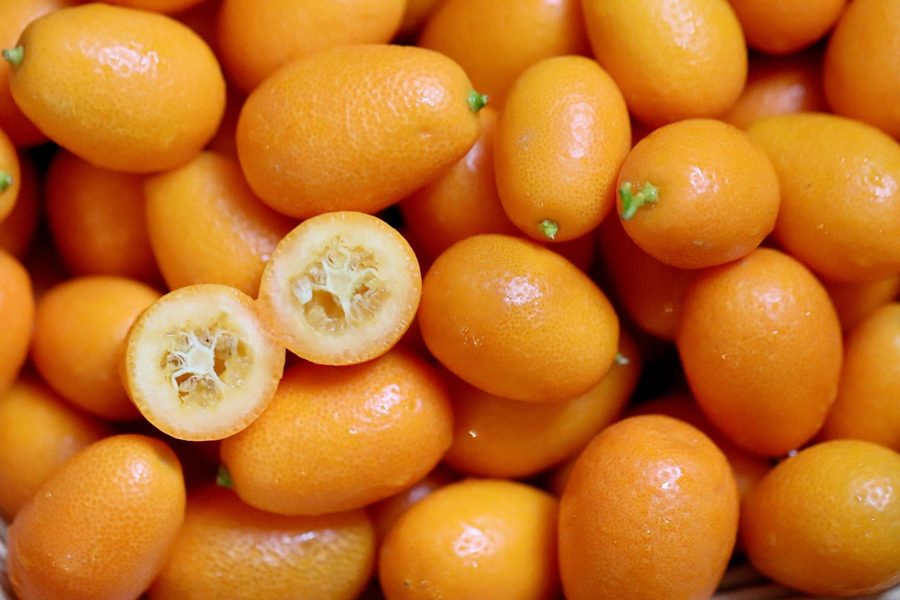
Two more are worth knowing. Shikuwasa (Citrus depressa) from Okinawa and Taiwan is close in size and sourness and is sometimes even called calamansi in English; bottled shikuwasa juice from Japanese grocers is worth trying in drinks. Yuzu and sudachi are lovely and wrong: their perfume is louder, and a yuzu toyomansi tastes Japanese.
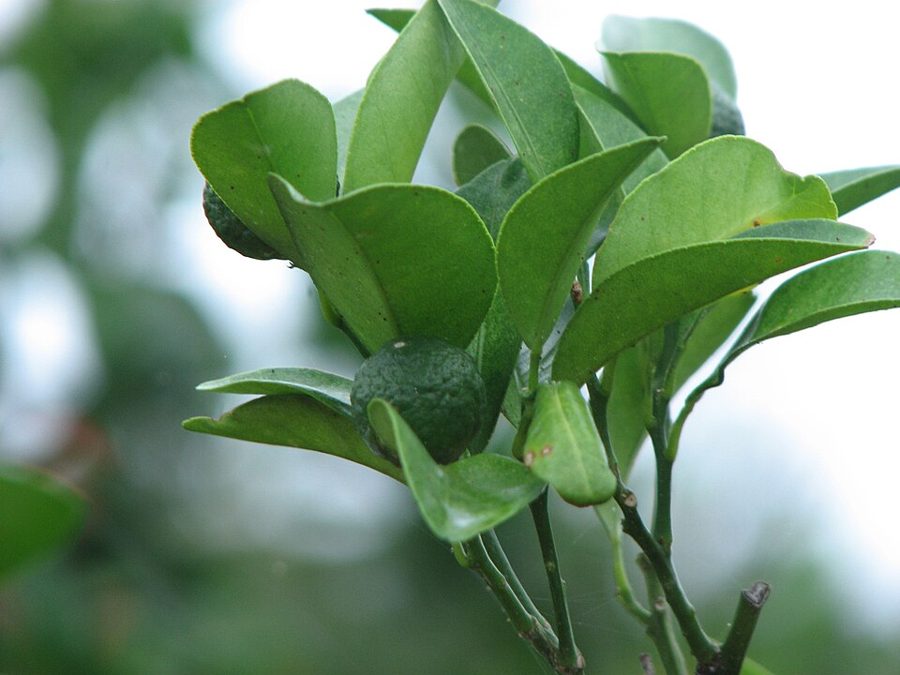
Lemonsito in Cebu: market and street
In Cebu the fruit is lemonsito, and the place to see it in quantity is Carbon Market, the city’s oldest market. Carbon has been under redevelopment for years, and through 2026 its vendors have traded from the interim market while the new building goes up. Like most produce in Philippine markets, lemonsito is sold by the kilo or in small heaps, and the morning, before the heat, is the time to buy.

Choose firm fruit with tight, glossy skin and a little give. Wrinkled skin means old fruit with less juice, and soft patches spread through a bag quickly. In Cebu’s heat, buy what you will use in two or three days, and keep it in the fridge drawer rather than the fruit bowl.
On the street, lemonsito turns up wherever there is soy sauce. The sutukil seafood restaurants, where one fish is grilled, souped and served raw, use it in the dip, in the kilaw and in the sour soup called tula, where it stands in when kamias is out of season. Wherever there is a saucer of soy, a lemonsito is not far away.
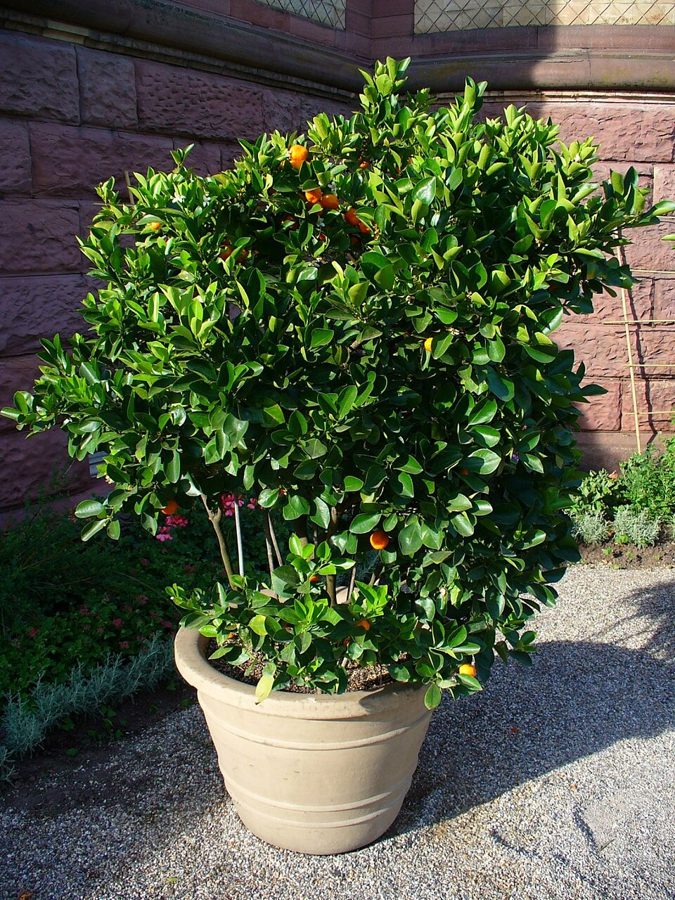
Growing calamansi in a pot in a cold country
A calamansi tree is one of the easiest citrus to fruit in a pot, which is why it has been sold as a houseplant for decades. Florida nurseries were shipping potted calamondins all over the United States from the 1960s, and in Britain the Royal Horticultural Society gave it its Award of Garden Merit in 2017. The flowers are self-fertile, so one tree is enough, and a healthy plant flowers and fruits at the same time for most of the year.
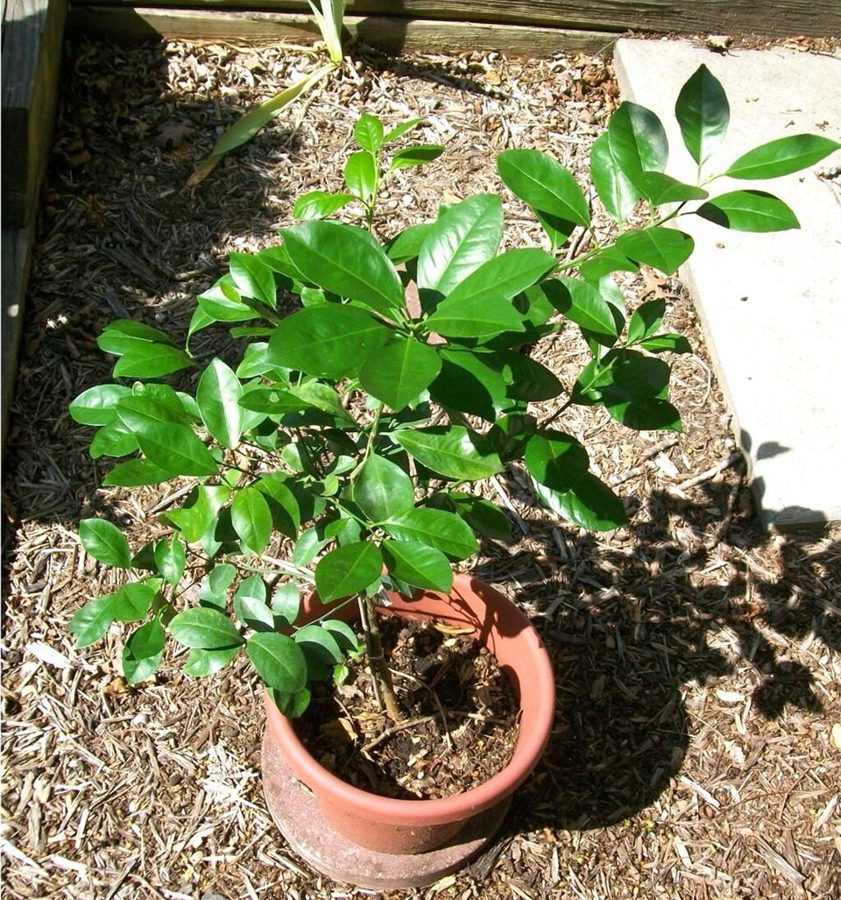
Buy a grafted or cutting-grown plant that is already flowering or carrying fruit. The RHS warns that ungrafted citrus can take up to ten years to fruit, and seedlings may not come true. Calamansi grown from cuttings, by contrast, can fruit while still rooting, and in a large container a tree grows about 30 cm (1 ft) a year and crops well by its second year.
Winter is the hard part
Sources disagree on how much cold it takes, and both are right. Morton rates the calamondin as cold-hardy as the satsuma orange, able to grow outdoors along the US Gulf Coast. That is a mature tree in the ground. The RHS advice for a pot in a British winter is to bring it in as soon as night temperatures start to dip and keep it at no less than 13°C (55°F), warmer than lemons need.
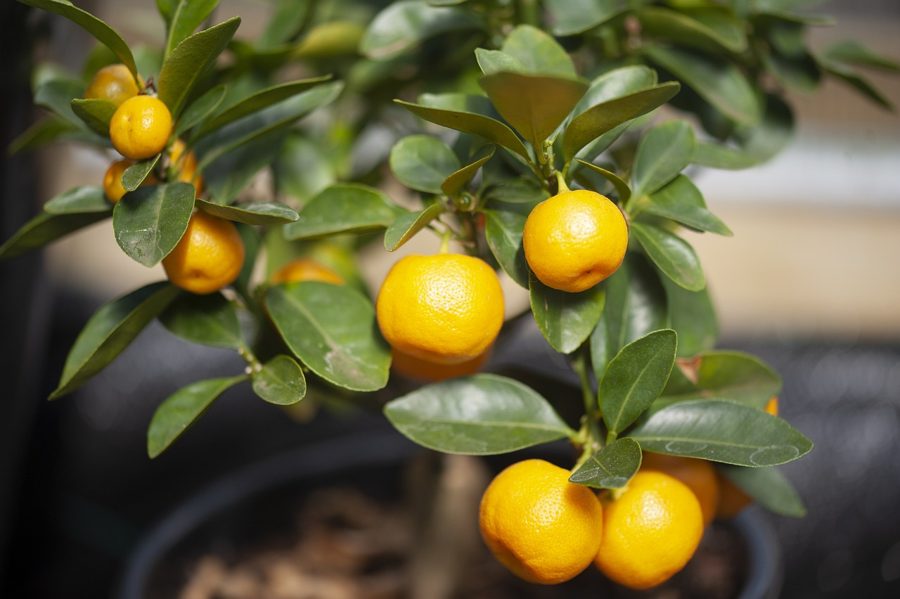
Indoors, the enemy is a warm, dry living room. Put the tree in the brightest cool spot you have, a conservatory, a glazed porch or an unheated spare room with a big window, away from radiators. Let the surface of the compost dry before watering in winter, then water thoroughly and never leave the pot standing in water.
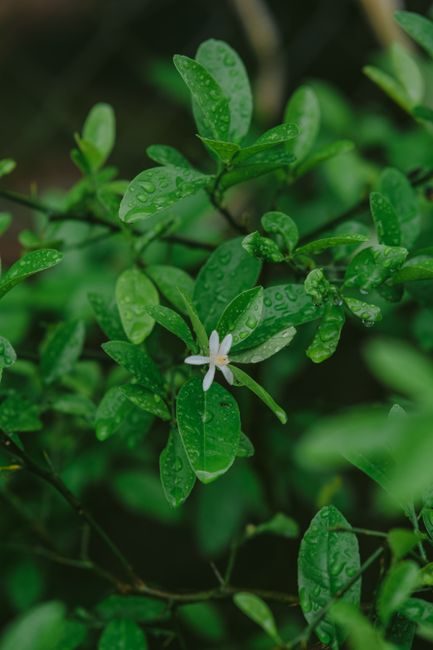
Feeding, watering and picking
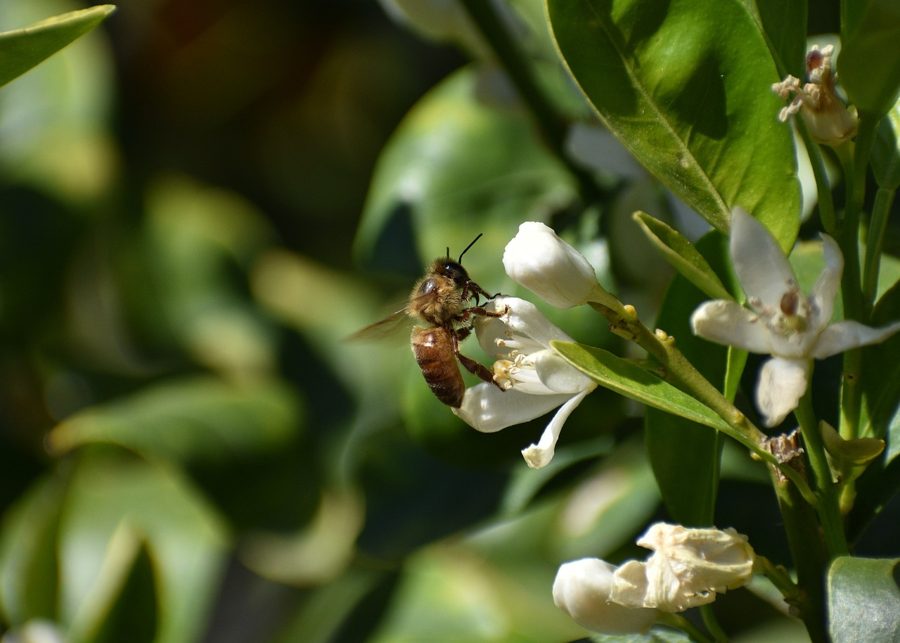
Follow the RHS citrus routine: rainwater where you can get it, a high-nitrogen summer citrus feed from late March to October, and a balanced winter citrus feed from November to mid-March. In summer, put the pot outside in the sunniest sheltered spot once nights are warm, and water often. Bees will find the flowers; indoors, the flowers set fruit without help.
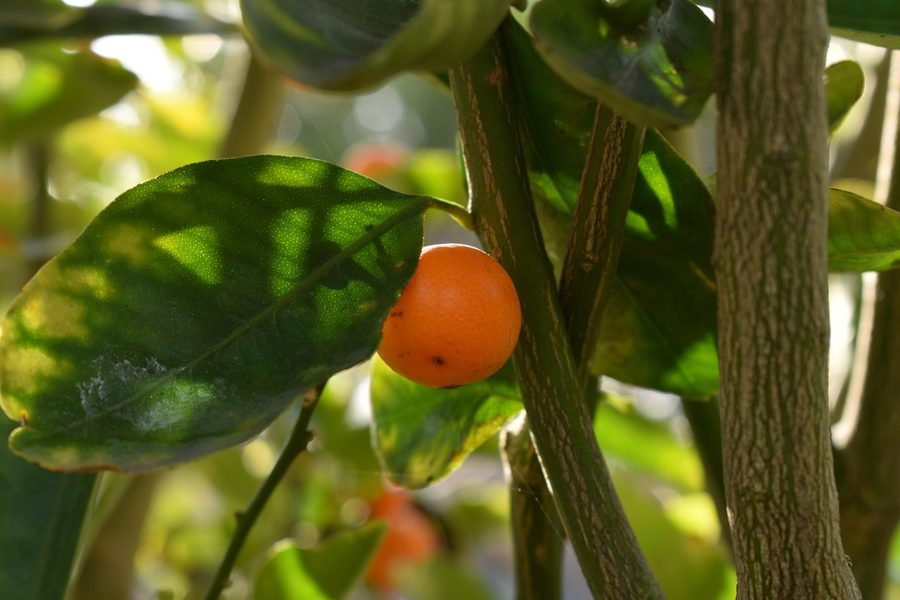
Pick with scissors, cutting the stem, because the peel tears if you pull. Use the fruit green for sawsawan and kinilaw, and let some ripen to orange for juice and marmalade. In the US, buy a certified tree from a nursery inside your own state where you can, since moving citrus plants across quarantine lines is restricted.
A tree on a sunny windowsill will not give you a market sack, but it will keep a saucer of toyomansi going through the winter. Keep the frozen juice for porridge and the sweet puree for the pitcher, and save the fresh fruit for the plate of pancit, halved and cut side up.