A lot of what sells as ube outside the Philippines has never been near a yam. It is a few drops of flavouring and a lot of colour, and the giveaway is a violet so even it could have come out of a paint tin. The real thing is a lumpy brown tuber with hairy roots, and the purple inside it runs anywhere from lilac to near-black depending on the plant and the field.
The real thing is also hard to get, even at home. In January 2026 the queue at the Good Shepherd convent in Baguio took half an hour to an hour to reach the counter, and then the intercom announced that the ube jam had sold out for the day. A jar costs ₱350 there, two per person, no reservations. One woman, home for the first time in 33 years, offered ₱5,000 to anyone in the line who would sell her theirs.
In August the Department of Agriculture stopped fresh ube leaving the country altogether. So if you cook outside the Philippines, ube now comes frozen, powdered or in a jar, and the whole game is telling the yam from the dye.
Contents 7 parts
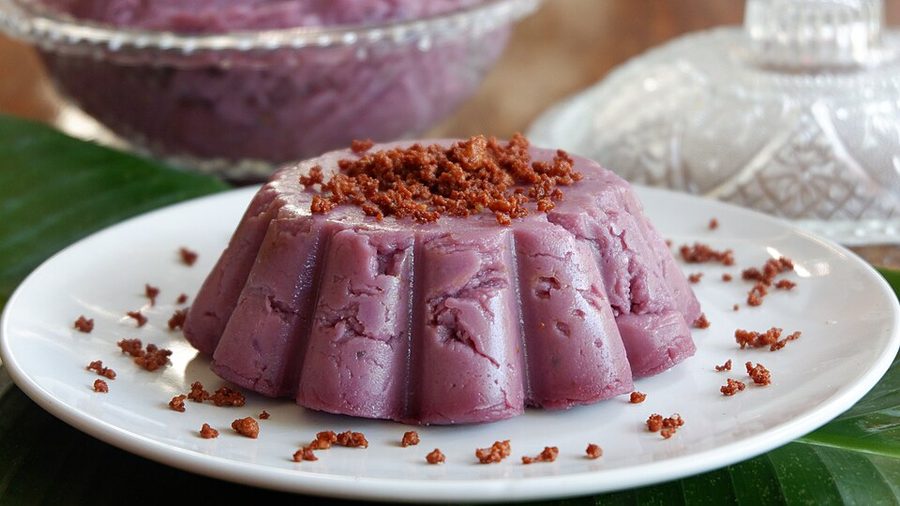
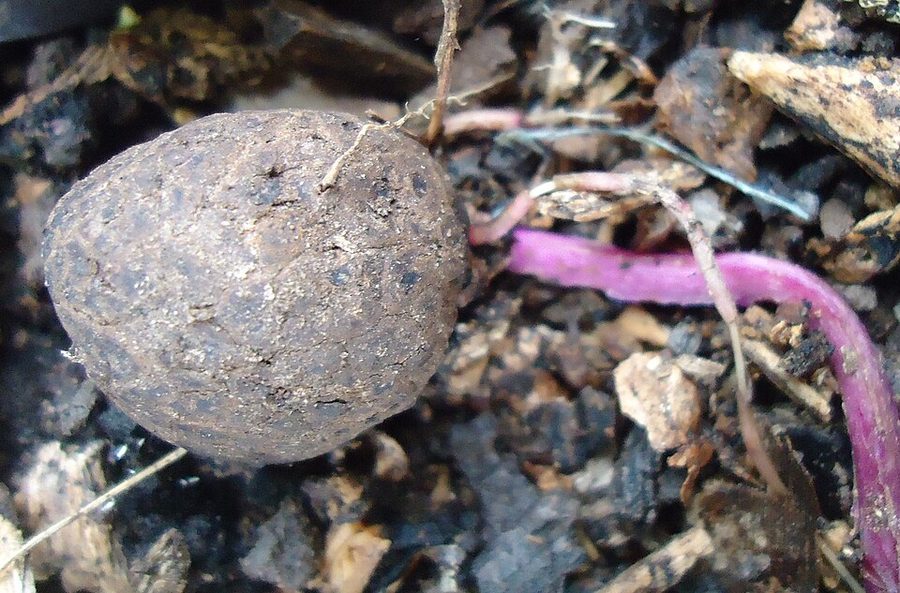
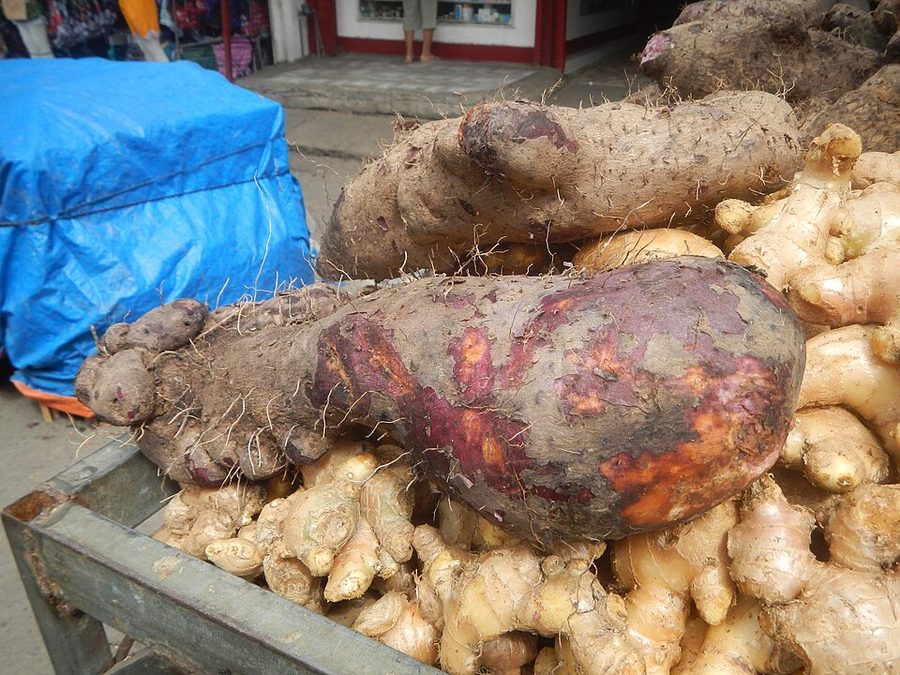
What ube is, and what it is not
Ube is Dioscorea alata, the greater yam, a climbing vine grown for its starchy tuber. The name is Tagalog; Cebuano speakers say ubi, and both go back to a Proto-Austronesian word, *qubi, that also gave the Māori uwhi. The word travelled because the plant did: the tuber went with the Austronesian voyagers across the Pacific and as far as Madagascar. Ube remains found in Ille Cave in Palawan are dated to around 11,000 years ago.
In English it collects names: purple yam, water yam, winged yam, ten-months yam. “Winged” is the useful one, because it describes the stem. Run your fingers up an ube vine and you feel thin ridges standing out from it, almost like fins, which is the quickest way to tell it from a sweet potato vine in a backyard.
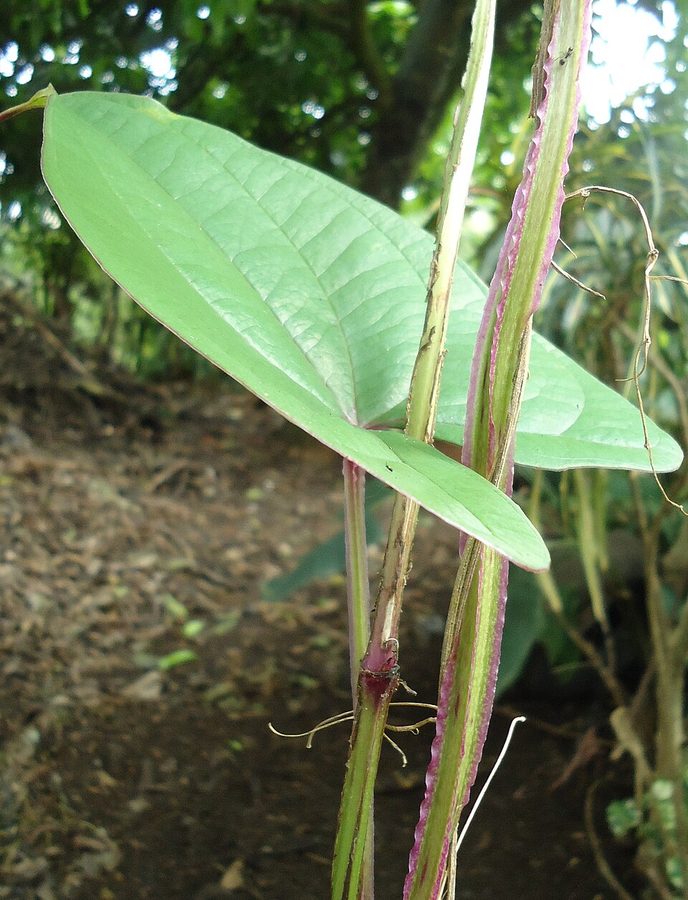
Not all ube is purple. When researchers at the University of the Philippines Los Baños went through 188 greater yam accessions from farms and gene banks, they found creamy white flesh and even orange flesh alongside the purple, and picked ten standout varieties. One of them, Villasis 2, yields more than 60 tonnes a hectare. Bohol’s kinampay was rated the best for flavour, which will surprise nobody in Bohol.
Taste plain boiled ube and you get something mild, moist and slightly sweet, earthy, a little nutty. That’s all. The vanilla-and-white-chocolate flavour people describe in lattes is mostly the condensed milk and butter of halaya, or a bottle of flavouring. If your first ube was a drink, the tuber will disappoint you, and it should be cooked before you eat it anyway.
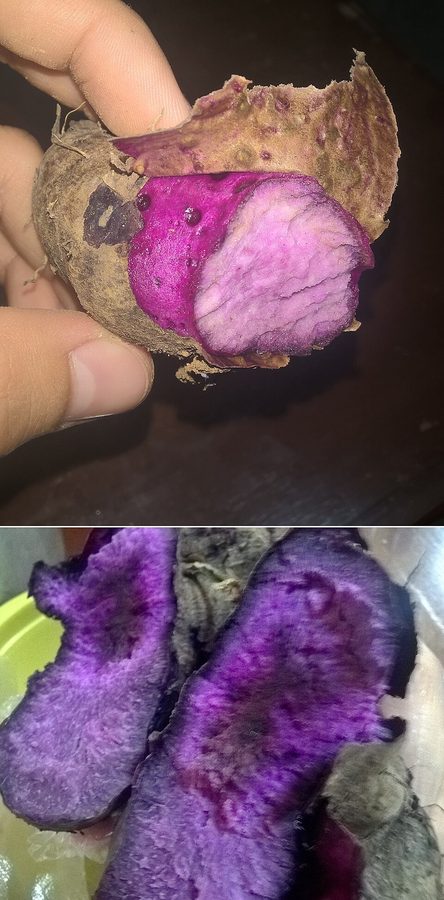
Ube, gabi and purple sweet potato
Three different plants get muddled under the word “purple”. Here is how they differ in the market and the pan:
| Ube | Gabi (taro) | Purple sweet potato | |
|---|---|---|---|
| Plant | Dioscorea alata, a yam | Colocasia esculenta, an aroid | Ipomoea batatas, a morning glory |
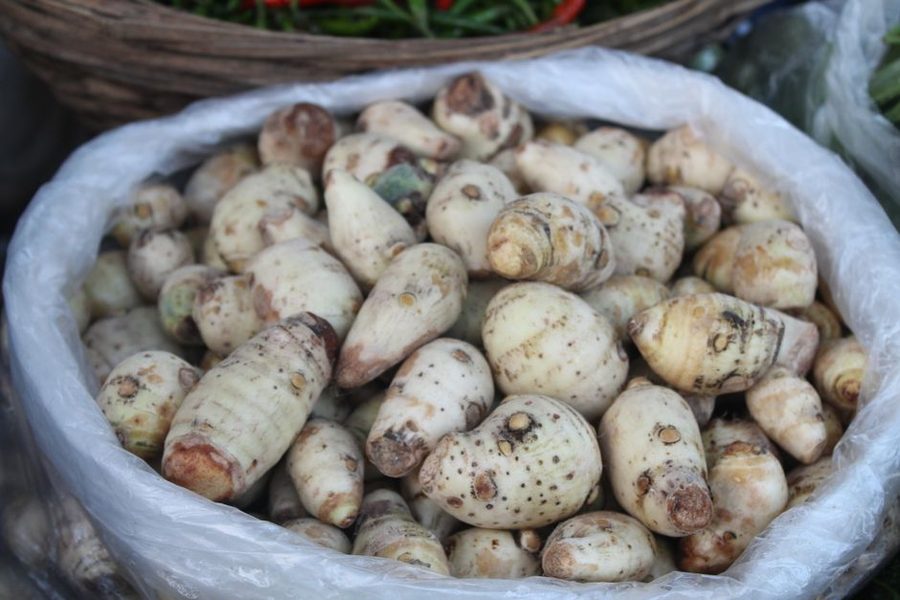
| Skin | Rough, bark-brown, rootlets, often misshapen and big | Ringed, brown and hairy, smaller corms | Thin and smooth, purple or cream, tapered |
| Flesh | White to deep purple, often marbled; wet and slick when cut | White or cream with purple flecks | Purple through, drier and denser |
| Cooked | Soft, moist, mild; holds sugar well | Starchy, slippery, nutty | Sweeter, drier, chestnut-like |
| Used for | Halaya, ice cream, cakes, pastries | Sinigang, laing (the leaves), savoury stews | Snacks, Japanese beni imo sweets |
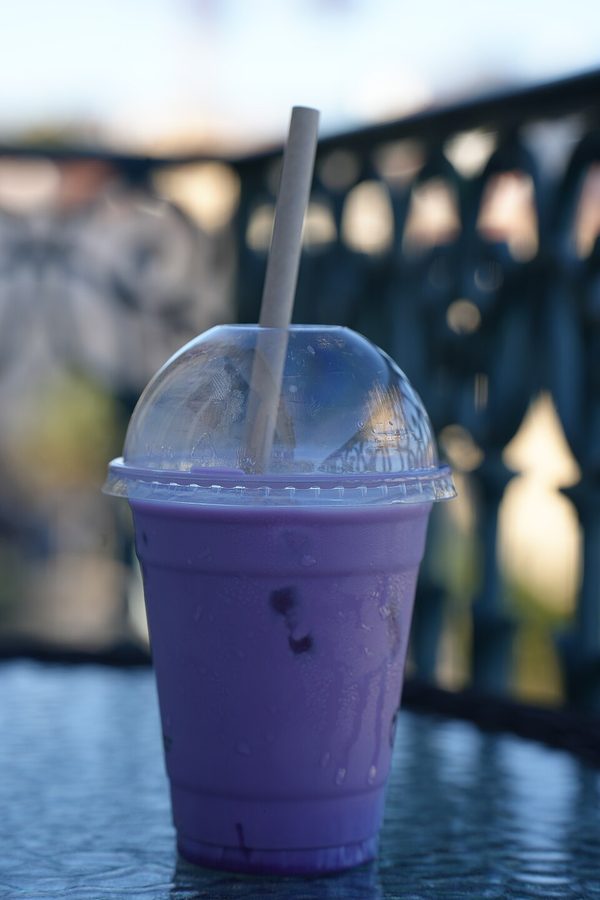
Gabi is the one people mix up with ube in English, because bubble tea shops sell lilac “taro” drinks that often owe their colour to dye. Real taro is pale inside and goes into savoury pots, and raw gabi can make your hands itch while you peel it, so wear gloves. Okinawa’s purple sweet potato, beni imo, is a sweet potato cultivar called Ayamurasaki; ube is grown in Okinawa too, which helps no one.
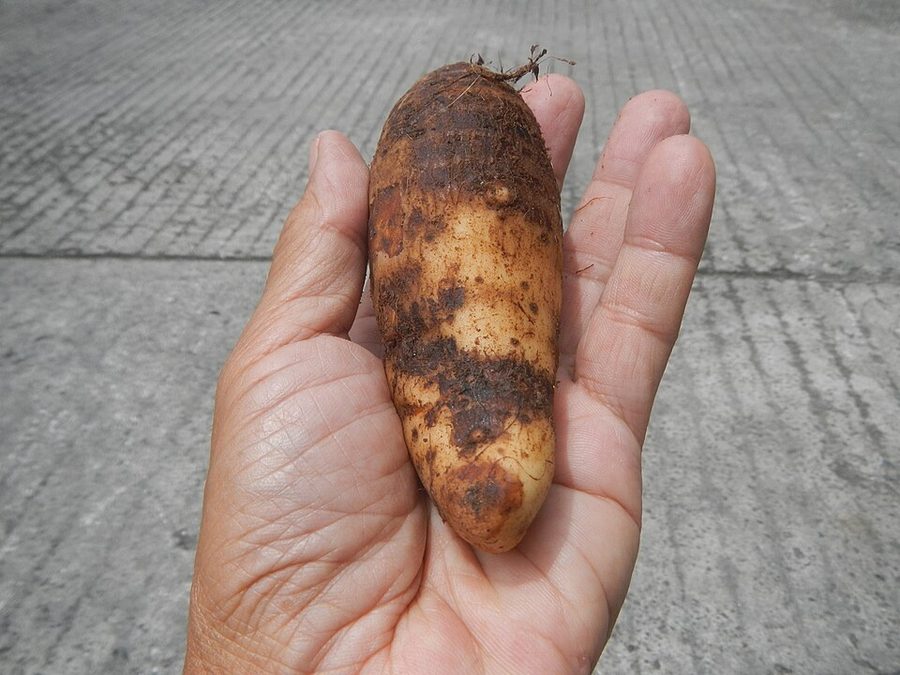
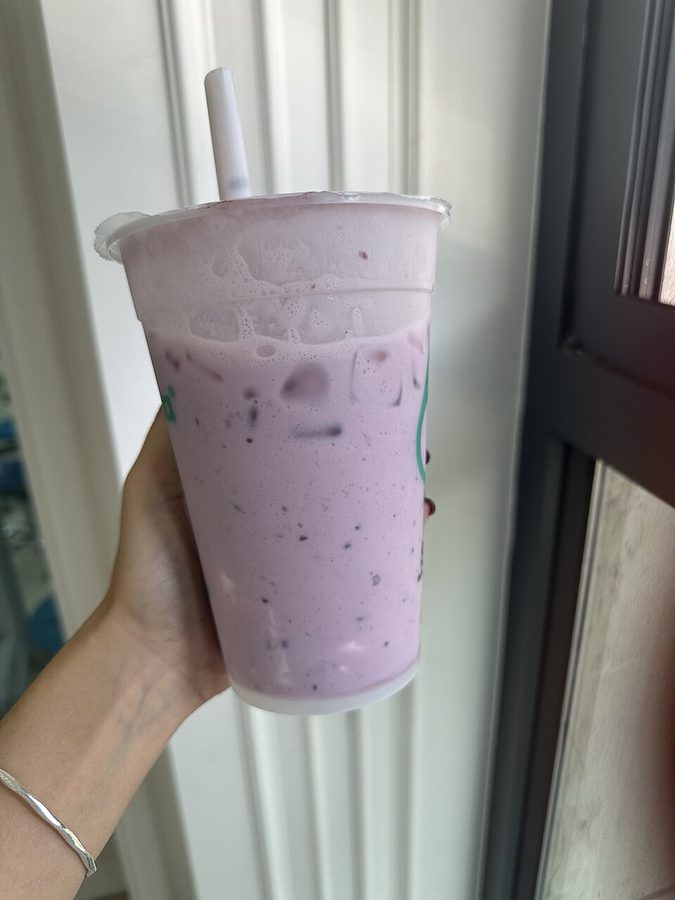
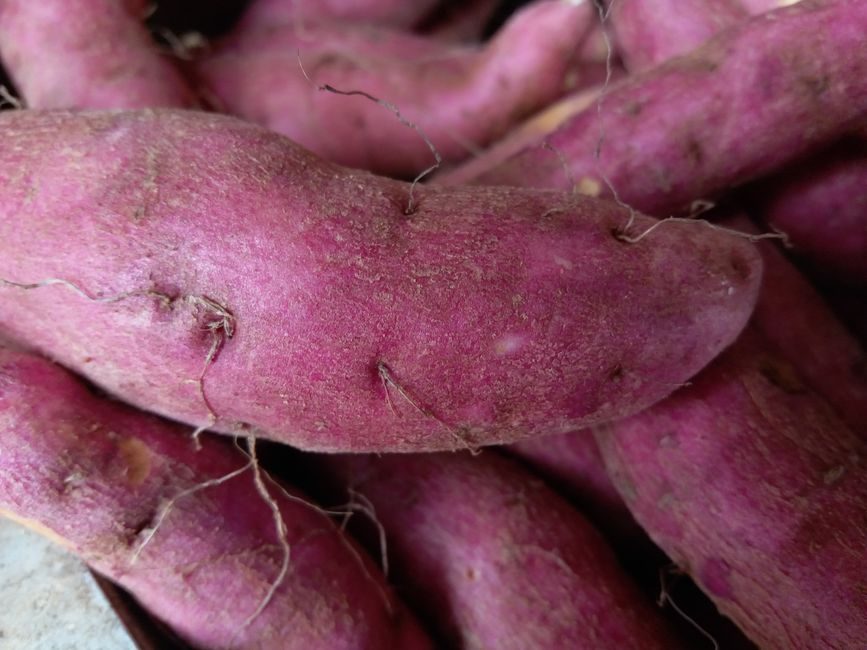
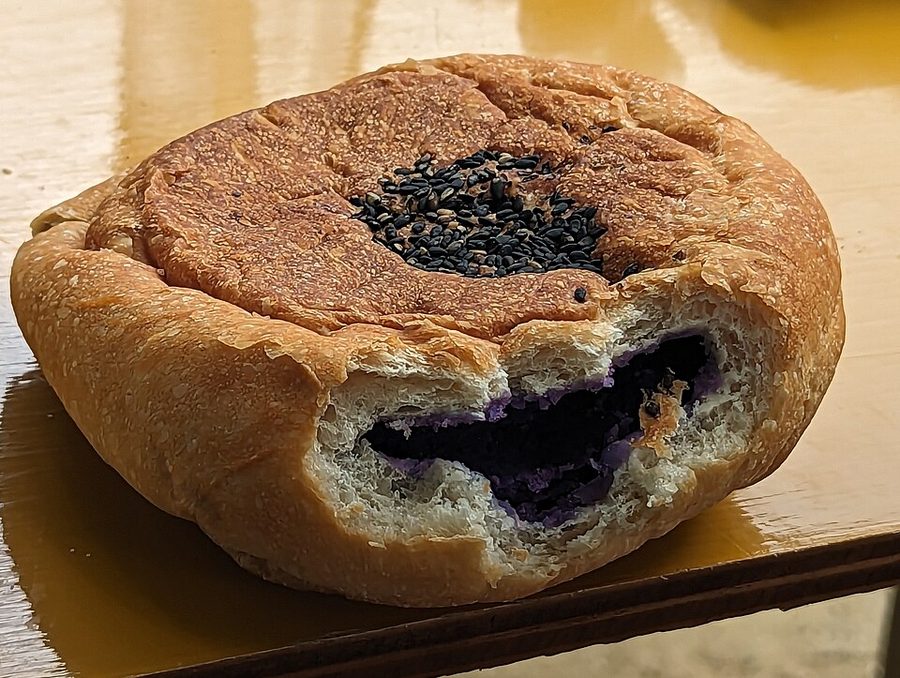
The good news for cooks abroad is that ube and purple sweet potato can stand in for each other in most recipes. Ube holds more water and more anthocyanin, the pigment that makes it purple, so I’d add a splash more milk to a sweet potato version and expect it to look duller. Taro does not swap; its texture and taste belong in soup.
The colour question
Natural ube colour is uneven. A batch of halaya from one market can be grey-violet, and the next one lilac, because the tubers came from different plants. Commercial ube products often fix that with dye and a flavouring, and the flavouring is strong: McCormick’s Philippine ube flavour recommends half a teaspoon per 100 ml, and a 20 ml bottle sells for ₱93.
None of this is a scandal. A drop of extract in a cake made with real ube is no crime, and plenty of bakers do it. What matters is that you know what you’re paying for, and the clues are easy: a uniform, glowing violet usually means added colour; real ube looks a bit muddy next to it, and darkens rather than brightens as it cooks.
Where ube grows and sells in the Philippines
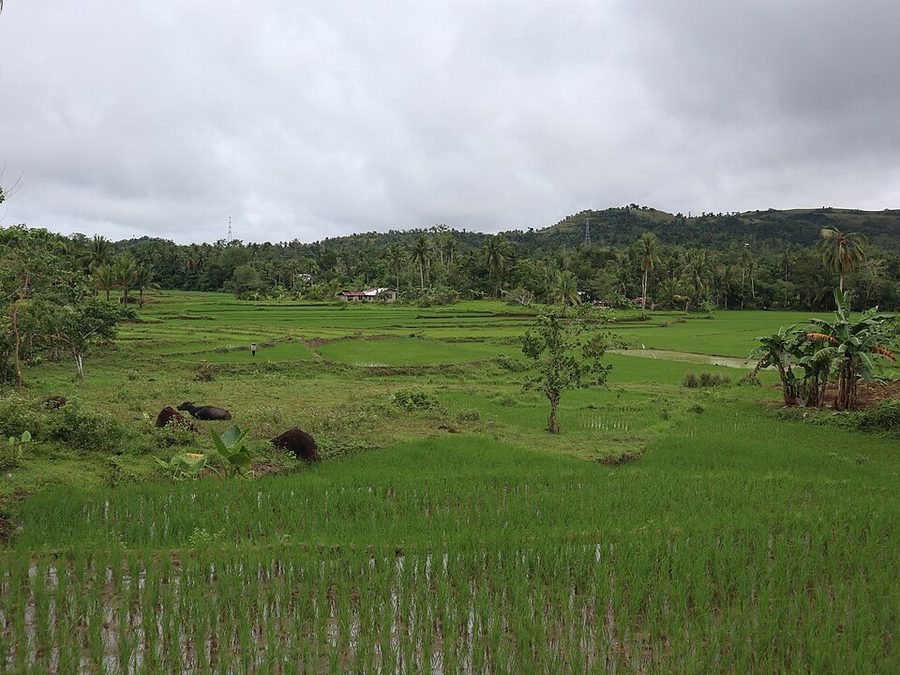
Ube is grown and sold all over the islands, from Mindanao backyards to the market stalls of Bulacan, but two places have made it their own: Bohol, which grows it, and Baguio, which turned it into the country’s most famous jar of jam.
Bohol and the Ubi Festival
Boholanos say ubi, and the variety they talk about is kinampay: round, firm, fragrant, with flesh marbled in violet and a sweet taste. Bohol farmers also grow tam-isan, kabus-ok and baligonhon, and each has its own category in the festival’s Pinaka Ubi contest. The provincial government has filed for geographical indication status for Bohol Ubi Kinampay, which would make it the province’s second protected name after the artisanal sea salt of Alburquerque.
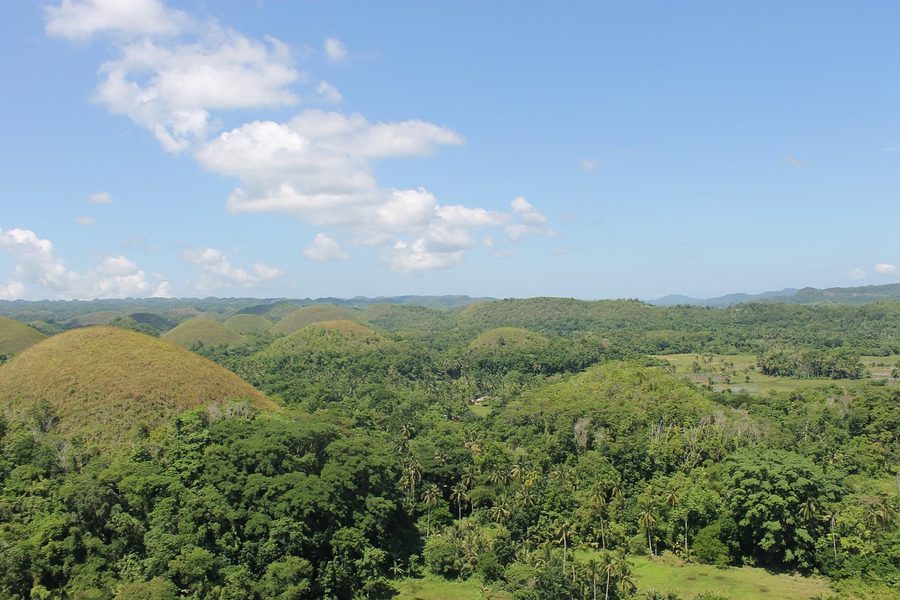
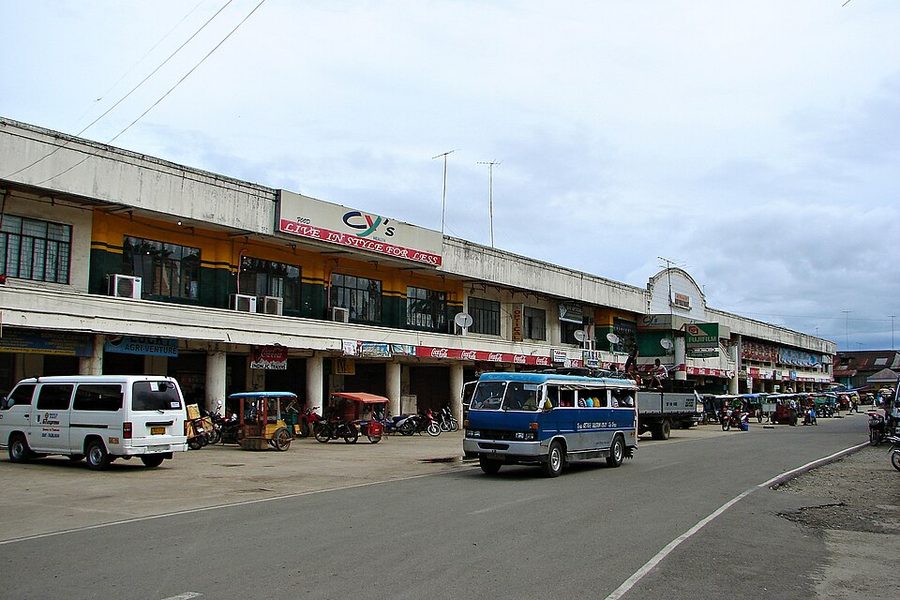
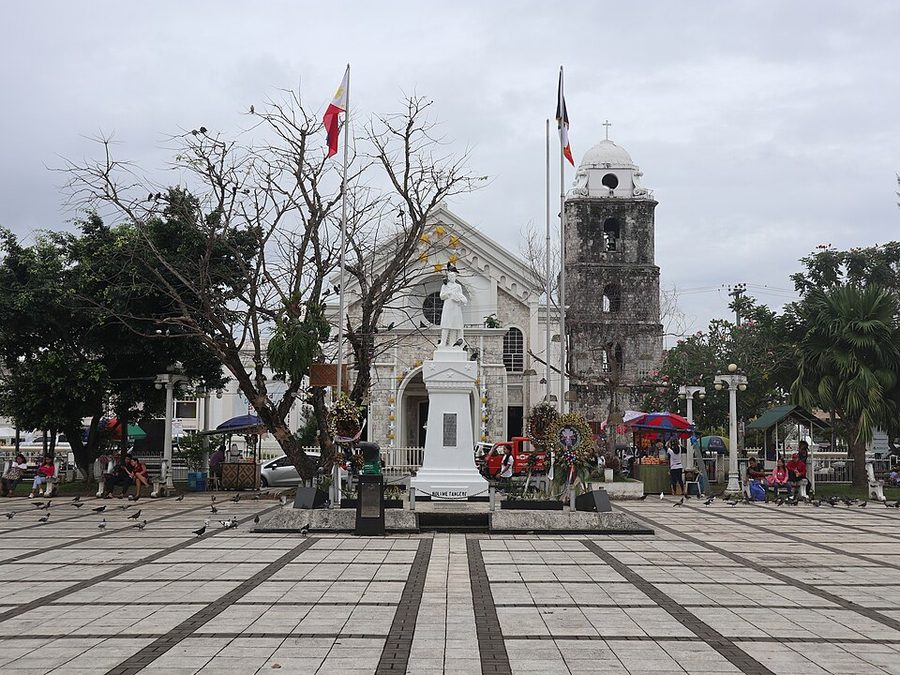
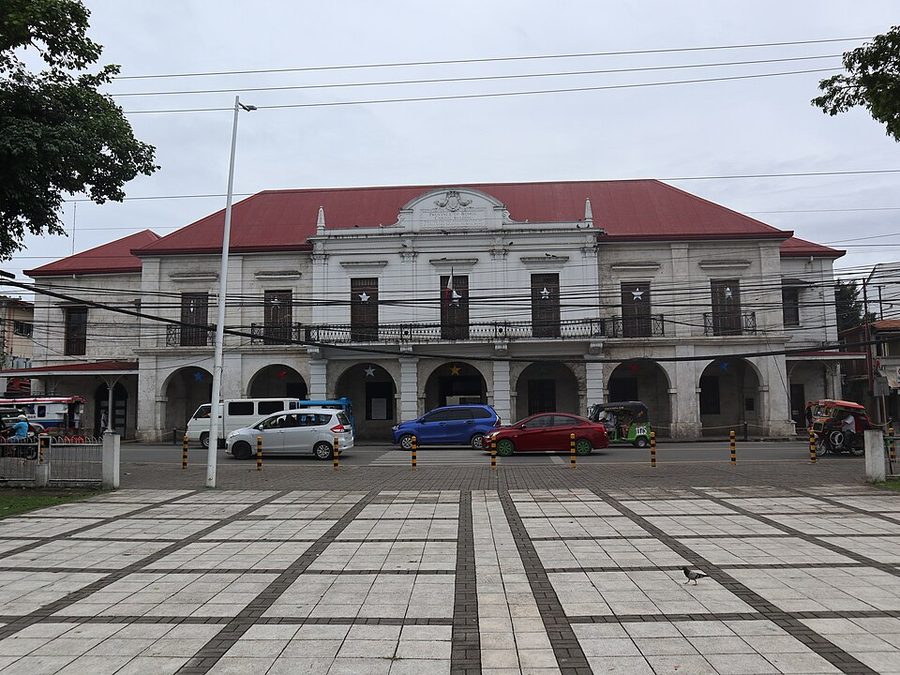
The Ubi Festival began in 2000 in the town of Dauis and is now run by the Office of the Provincial Agriculturist at Plaza Rizal in Tagbilaran, in front of the Old Capitol and St Joseph Cathedral. Older editions ran in January or February; the 2025 one was set for 3 to 5 December, and those dates were only fixed at a planning meeting in October. Check the agriculturist’s news page before you plan a trip around it.

Go for the tubers, not the parade. Farmers from 19 towns brought their harvest in 2025, and of ₱1,136,313 in sales over two days, more than ₱1 million was raw ubi.
The third day was cancelled when Tropical Depression Wilma put Bohol under signal No. 1, which tells you how much the event depends on weather. Ubay sold the most, Carmen came second, and private stalls included a halaya maker, EJ’s Ube Halaya.
Baguio and the Good Shepherd jar
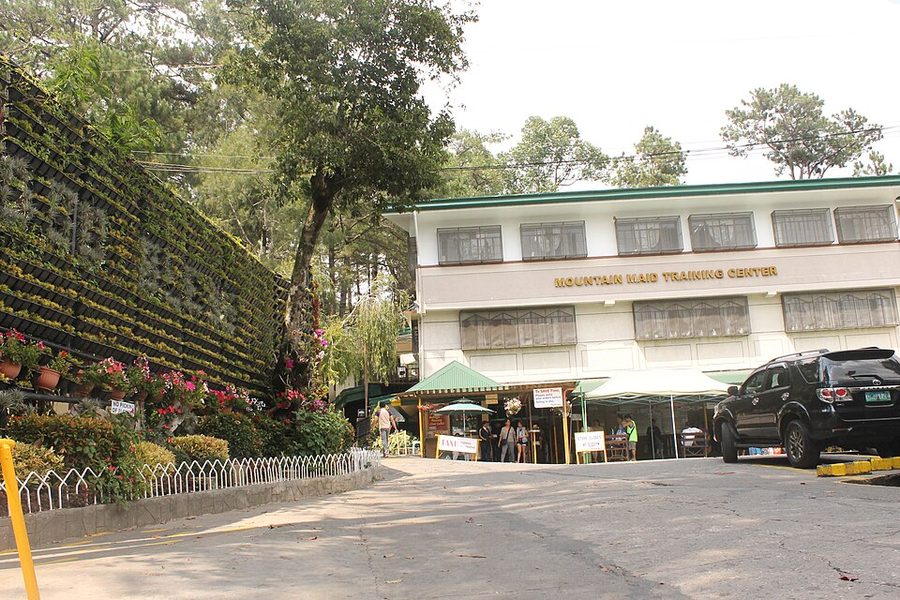
Baguio sells the jar everyone wants. The Religious of the Good Shepherd started making ube jam at their convent on Gibraltar Road in 1976, to fund the Mountain Maid Training Center and the students and women it supports. Sister Fidelis Atienza is credited with the recipe: fresh ube, condensed milk and butter, cooked thick and creamy.
It is still a scramble. In January 2026 a jar cost ₱350, sales started at 8:30am, the limit was two jars per person and there were no reservations. Mondays are the worst day to go, because the scholars who make the jam don’t work on Sundays. Resellers line up early and sell the same jar at ₱450 to ₱600 at their stalls, which is the price of skipping the queue.
What you find in a Philippine market
In a public market, ube comes in several forms. Whole tubers sit in baskets with the root crops, sold by the kilo, and a vendor will scratch one for you. Some stalls sell it freshly boiled, ready to peel and grate.
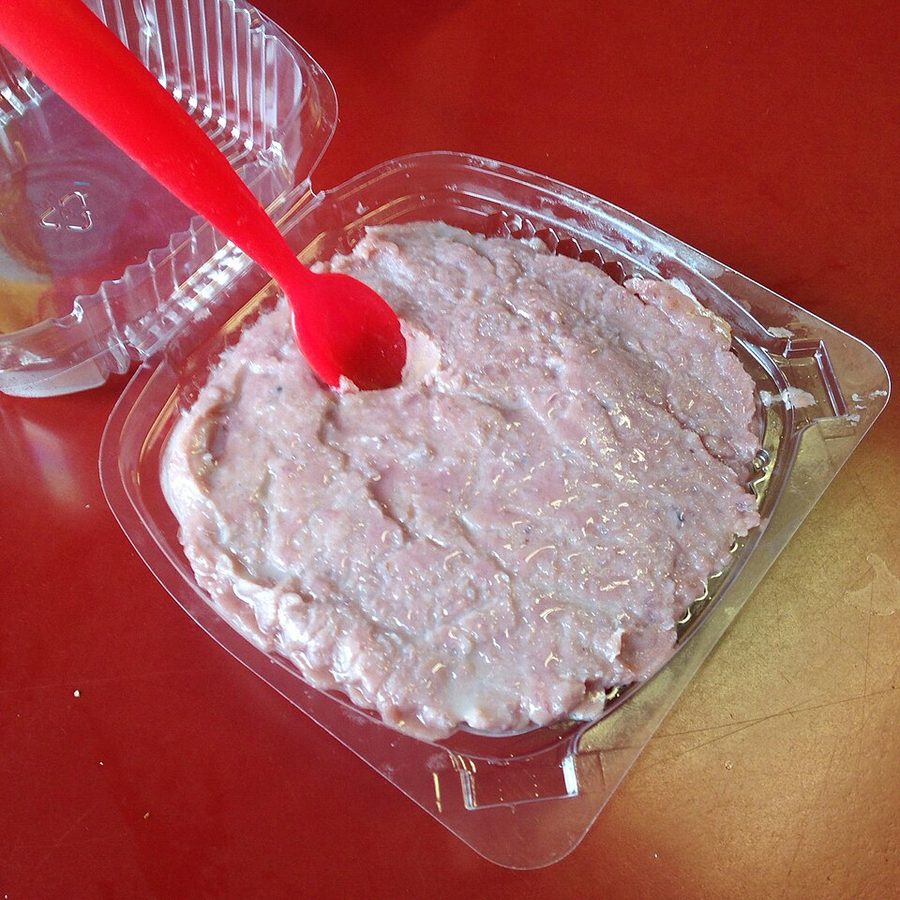
Halaya comes in tubs, in oval llanera tins or sealed flat in plastic. In supermarkets you also find frozen grated ube, powder, bottled flavouring and jarred jam.
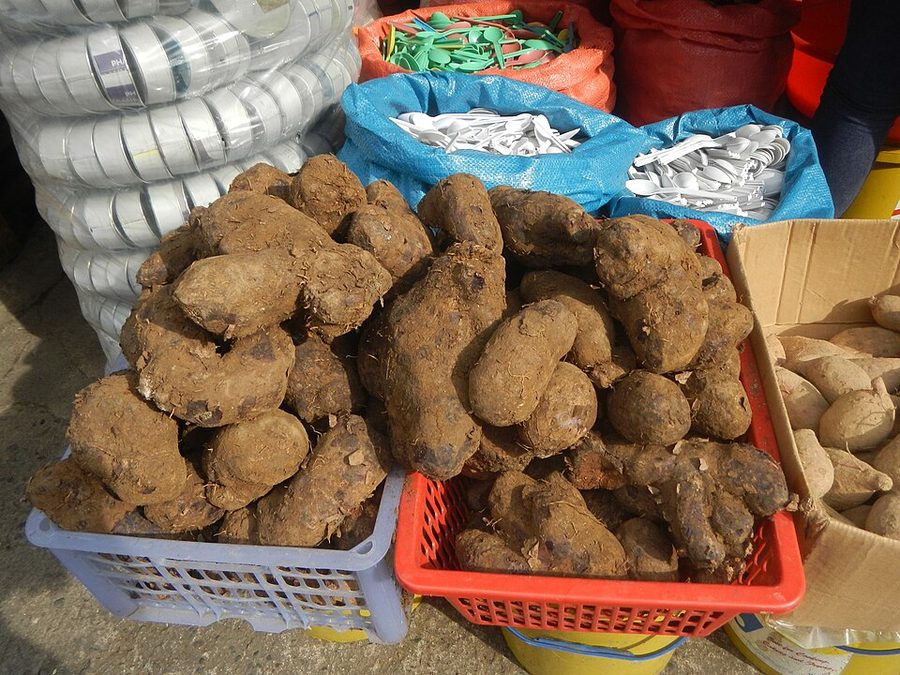
If you’re buying tubers to cook, pick firm ones with no soft or mouldy ends, and medium ones with a regular shape: they’re easier to peel. The skin is thinner than it looks, so a vegetable peeler does the job. A freshly cut tuber can brown at the cut face; that is oxidation, not rot, and the colour comes back with heat.
Buying ube abroad
Since mid-August 2026 the Bureau of Plant Industry has suspended exports of fresh ube, whether for eating, planting or research, and plant quarantine stations have stopped issuing the certificates shipments need. The reason is planting material: a raw tuber can be cut up and planted, and the Philippines wants to keep its varieties at home. The agriculture secretary has said the suspension does not cover processed ube in any form, and nobody expects it to lift soon.
That makes the freezer and the shelf your source. Here is how the forms compare.
Fresh
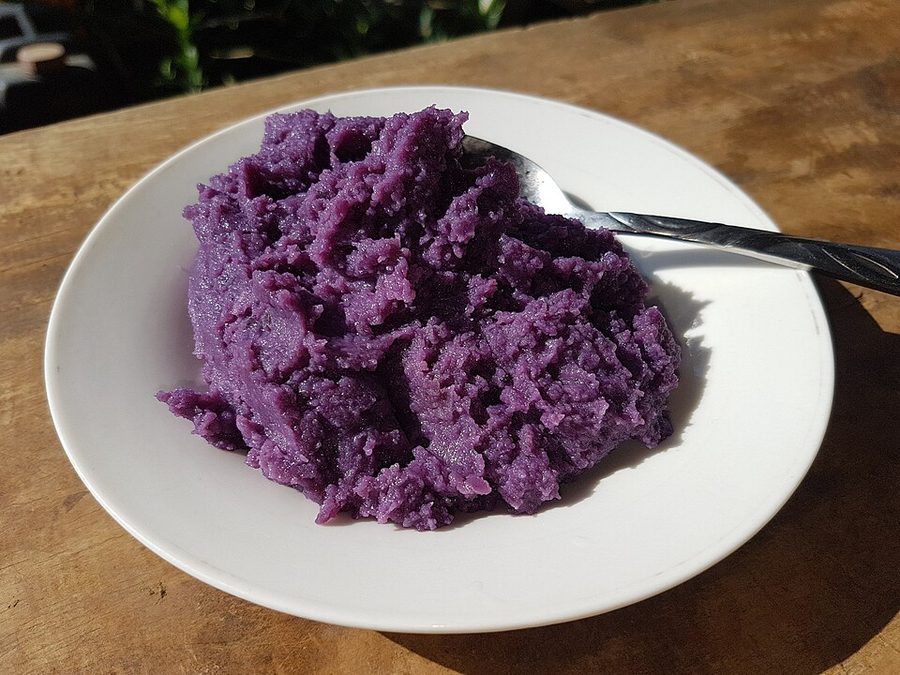
Any fresh “purple yam” you see abroad now was almost certainly grown outside the Philippines, or is a purple sweet potato with a hopeful label. It still works. Choose it the way you would in a market, keep it somewhere cool, dry and dark, and cook it within a week. Boil it in large pieces, skin on, until a knife slides through, then peel and grate it while warm.
Frozen grated
The best option abroad, and the one the recipe below uses. Frozen grated ube is sold in Filipino and Asian grocers’ freezers, usually in 454 g (16 oz) packs, already peeled and grated. Read the ingredients: you want “purple yam” or “ube” and nothing else. Some packs are pale, which is fine; some have sugar or colour added, which you should know before you add your own.
Powder
Ube powder is cooked, dried and milled tuber. It keeps for months and gives a good flavour once rehydrated, but the colour varies wildly between brands, and some powders are mixed with sugar, milk powder or dye. Check that ube or purple yam comes first in the ingredients. For halaya, dissolve about 1½ cups of powder in the recipe’s liquid in place of a pound of grated ube.
Extract and flavouring
A bottle of ube extract is flavour and colour in a liquid carrier. It’s useful in small amounts for a cake or a batch of pandesal that needs a lift, and useless on its own. A few drops go a long way; follow the label, not your instinct for “a bit more”.
Jarred halaya
Read the jar. On a good one, ube or purple yam is the first ingredient and condensed milk, sugar and butter follow. If sugar comes first, or the list includes sweet potato or cassava, it’s a cheaper jam stretched with other starch: still edible, not the same. Commercial jars keep at room temperature until opened; then they go in the fridge.
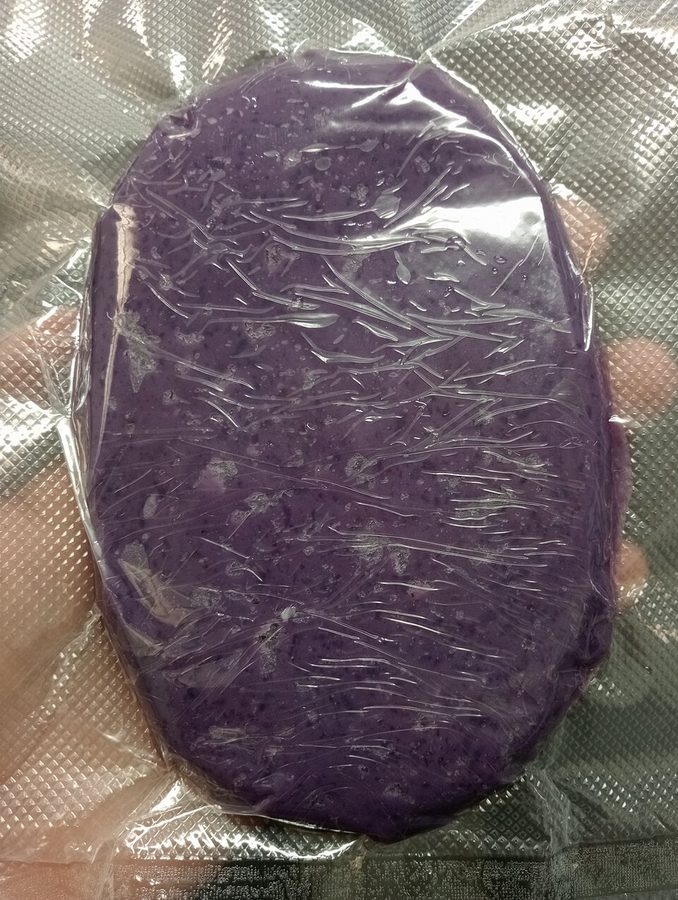
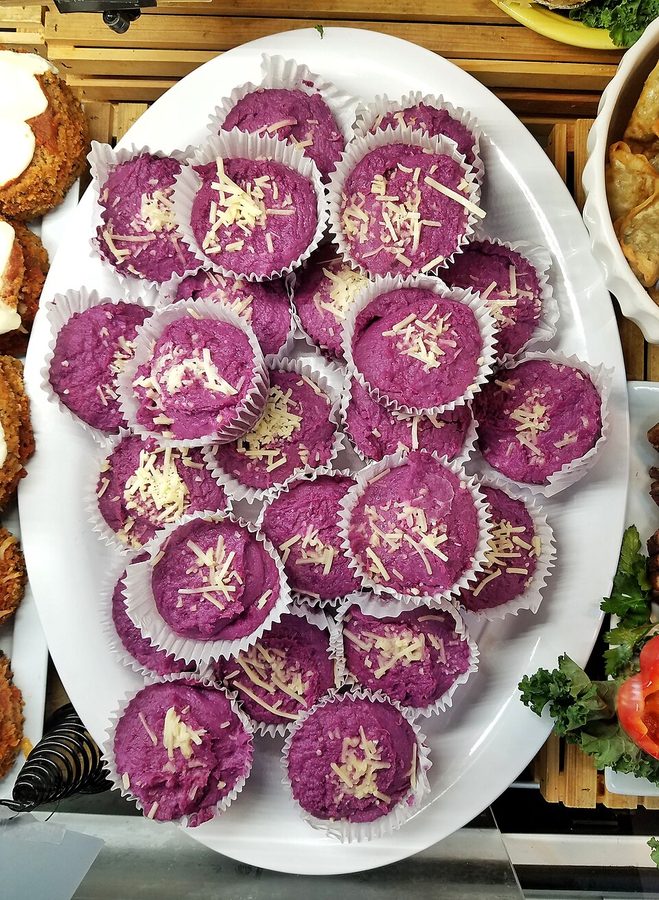
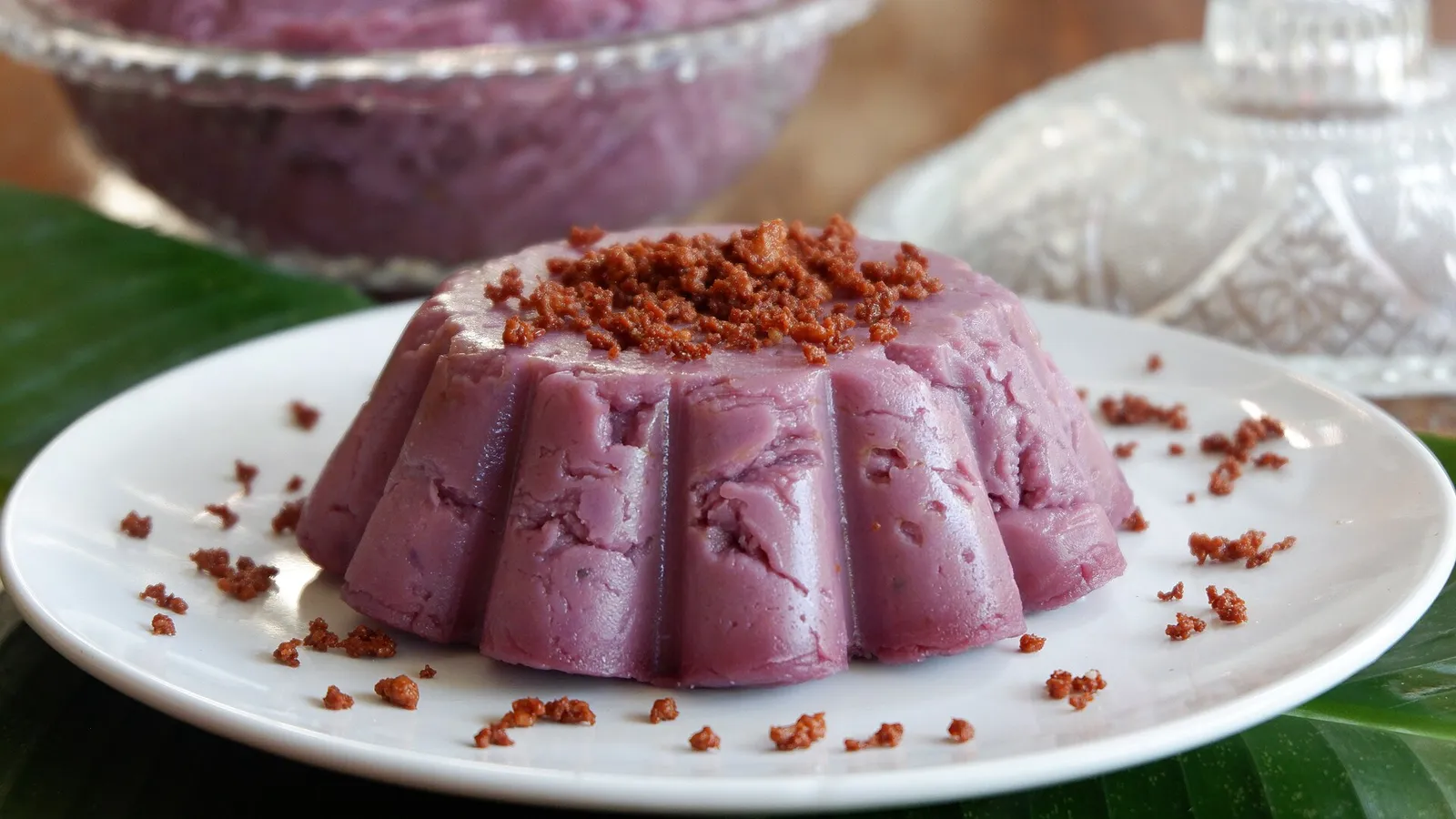
Ube halaya from frozen grated ube
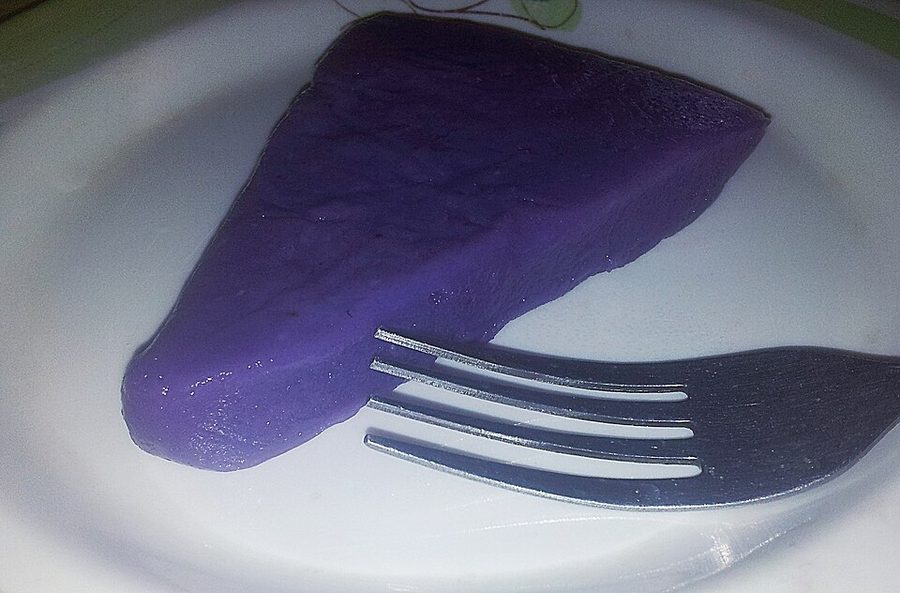
Every ube halaya recipe is a negotiation between yam, milk and sugar. Three good ones in English and the Tagalog method agree on the yam and the stirring, and disagree on sweetness. For each pound of ube, condensed milk ranges from about half a can to a whole 14 oz can, and the other liquid from one cup to just over three.
I use about two-thirds of a can and equal parts evaporated and coconut milk: sweet enough to set and keep, not so sweet that the yam disappears. The Tagalog version uses only condensed milk and butter, which is closer to the Baguio jar; try that once you’ve made this.
Makes about 750 g (3 cups), enough for two llaneras or three 250 ml jars. About 1 hour, plus overnight thawing and 2 hours chilling.
Recipe card
Ube halaya: about 750 g · about 1 hour, plus chillingIngredients
- 454 g (16 oz) frozen grated ube, thawed overnight in the fridge
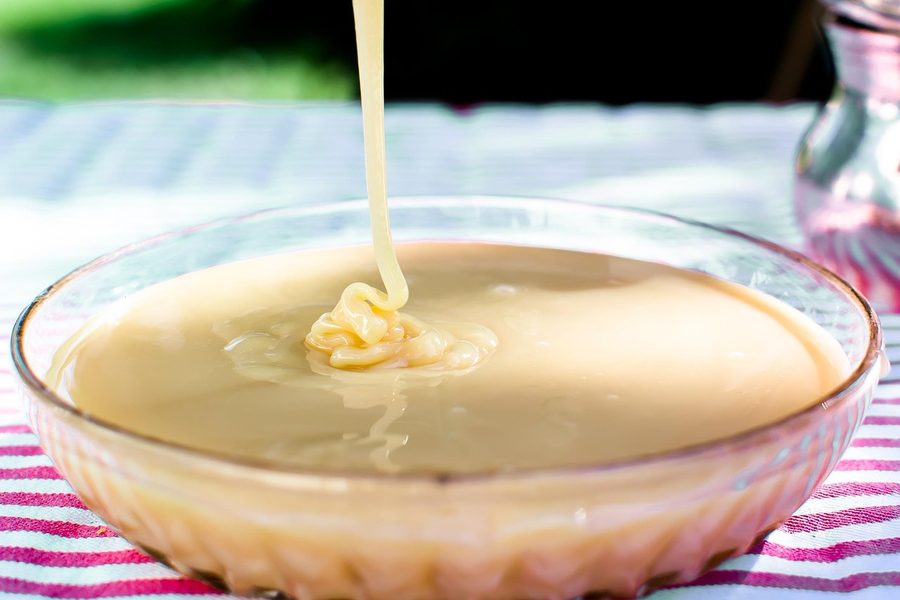
- 250 g (¾ cup) sweetened condensed milk
- 250 ml (1 cup) evaporated milk
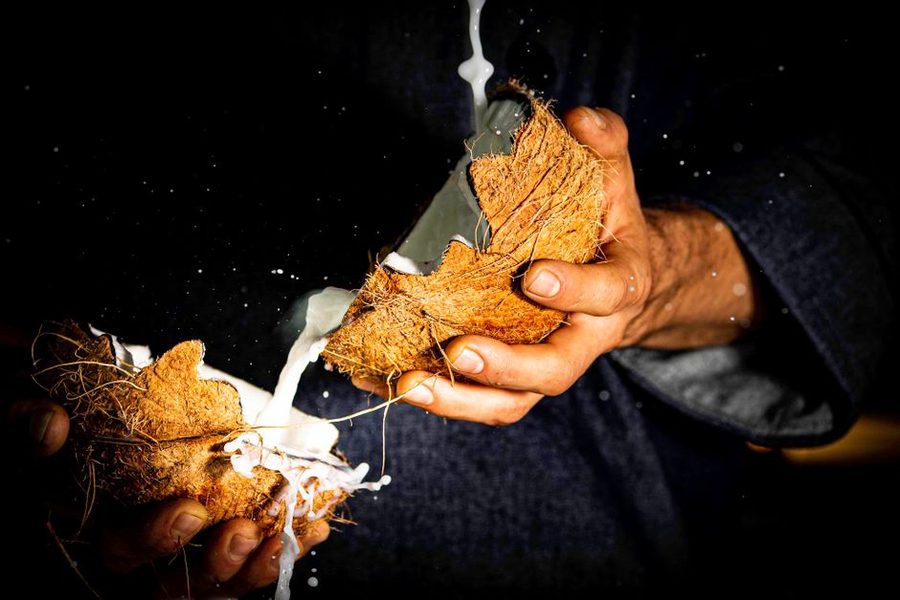
- 250 ml (1 cup) coconut milk
- 60 g (4 tbsp) butter, plus more for the moulds
- ¼ tsp salt
- ½ tsp ube extract (optional)
- Latik or grated cheese to finish (optional)
Method
- Butter two llaneras or three jars and set them aside.
- Melt the butter in a wide, heavy non-stick pan over medium-low heat.
- Add the ube, condensed milk, evaporated milk, coconut milk and salt, and stir until the mixture is smooth and loose.
- Cook over medium-low heat, stirring and scraping the bottom with a wooden spoon or stiff spatula without stopping for long, for 35 to 50 minutes. It bubbles and spits at first, then thickens slowly.
- Taste after 30 minutes. Add the extract now if you want a deeper colour, and a spoon of sugar if it needs it.
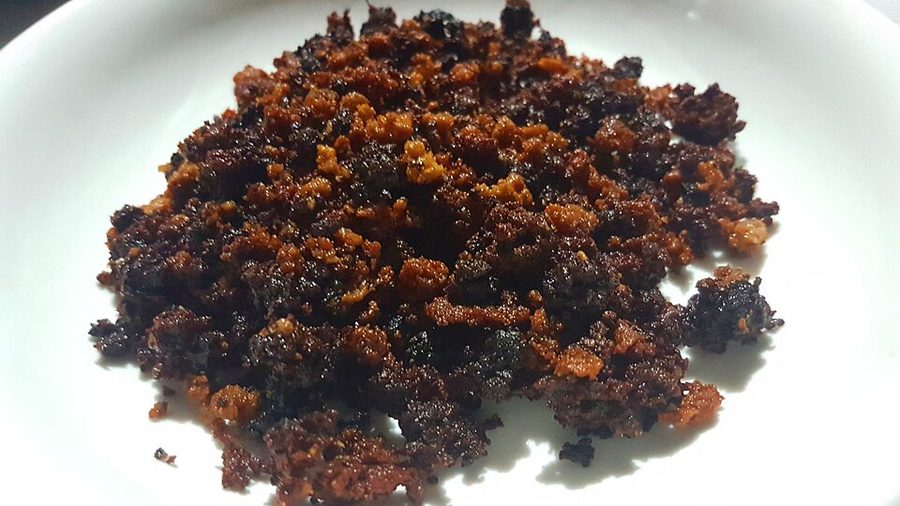
- It is done when it is thick, glossy and pulls away from the pan as one mass, and a spoonful holds its shape on a cold plate.
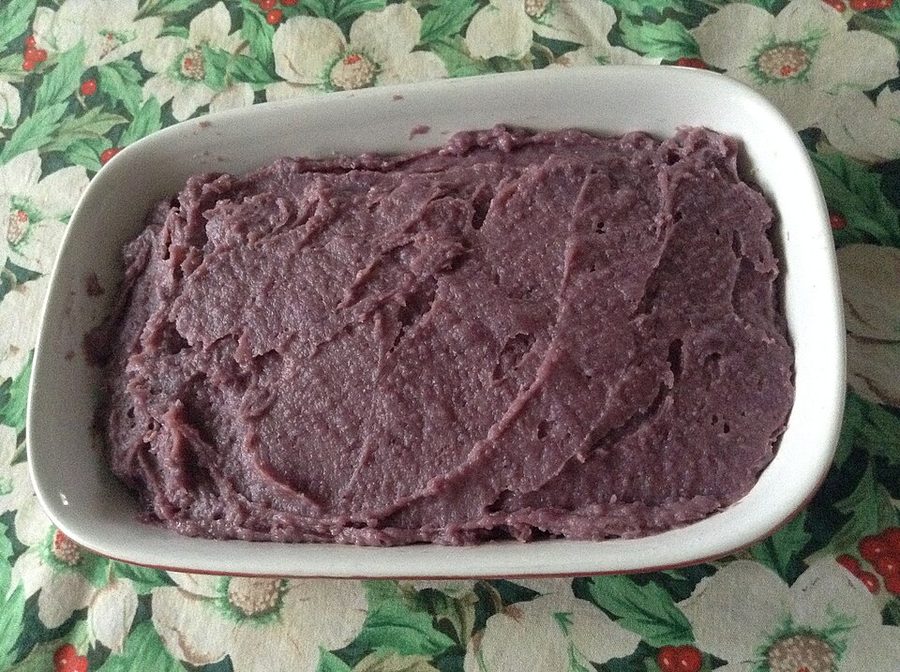
- Spoon into the moulds, smooth the tops and leave to cool to room temperature.
- Cover and chill for at least 2 hours before unmoulding. Top with latik or grated cheese if you like.
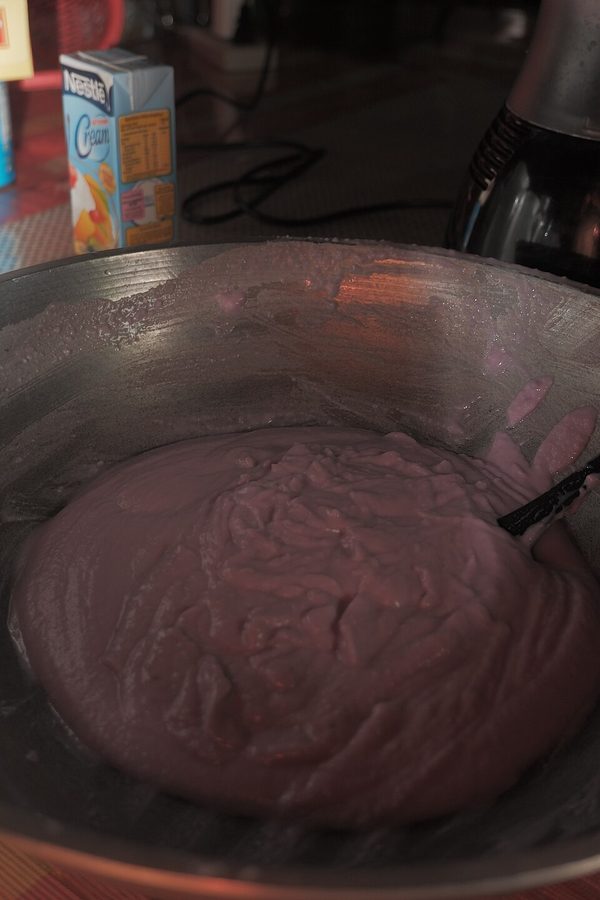
Your arm will ache. That is normal, and it is why Filipino households hand the spoon around. A non-stick pan helps more than any trick; a heavy cast-iron one works if you keep the heat low.
Recipe card 2
A second recipe: ube crinkles
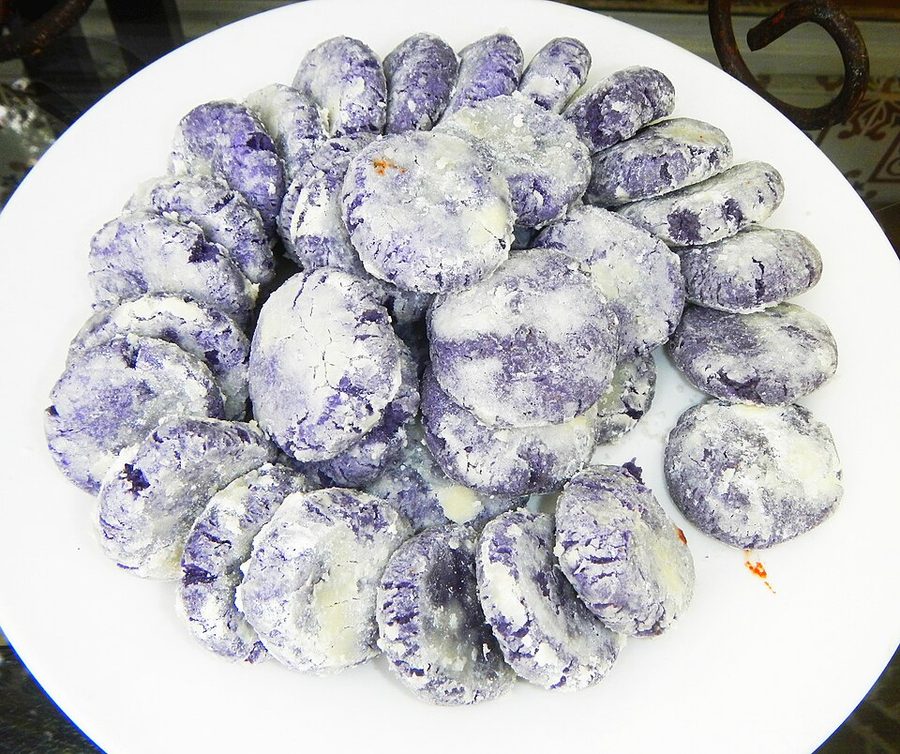
Ube crinkles are the easiest way to use up leftover halaya, and a Filipino bakery staple. Recipes run from half a cup of halaya to two cups for the same amount of flour. More halaya gives more ube taste but a softer, stickier dough. I settle on three-quarters of a cup with a little less sugar than most, because the halaya is already sweet.
Makes about 30 cookies. About 40 minutes, plus 1 hour chilling.
Ingredients
- 250 g (2 cups) plain flour
- 1 tsp baking powder
- ¼ tsp salt
- 113 g (½ cup) butter, softened
- 150 g (¾ cup) sugar
- 1 egg
- 240 g (¾ cup) ube halaya, at room temperature
- 1 tsp ube extract (optional)
- 60 g (½ cup) icing sugar, for rolling
Method
- Whisk the flour, baking powder and salt together in a bowl.
- Beat the butter and sugar until pale, about 3 minutes. Beat in the egg, then the halaya and extract.
- Fold in the flour until no dry streaks remain. The dough will be soft.
- Cover and chill for 1 hour, or overnight. If it is still too soft to roll, give it 30 minutes in the freezer.
- Heat the oven to 175°C (350°F) and line two baking sheets with parchment.
- Scoop tablespoons of dough, roll them into balls and coat them thickly in icing sugar.
- Bake 5 cm apart for 10 to 12 minutes, until the tops have cracked and the edges have set.
- Cool on the tray for 2 minutes, then move to a rack. They firm up as they cool.
Ube in halo-halo and other Filipino sweets
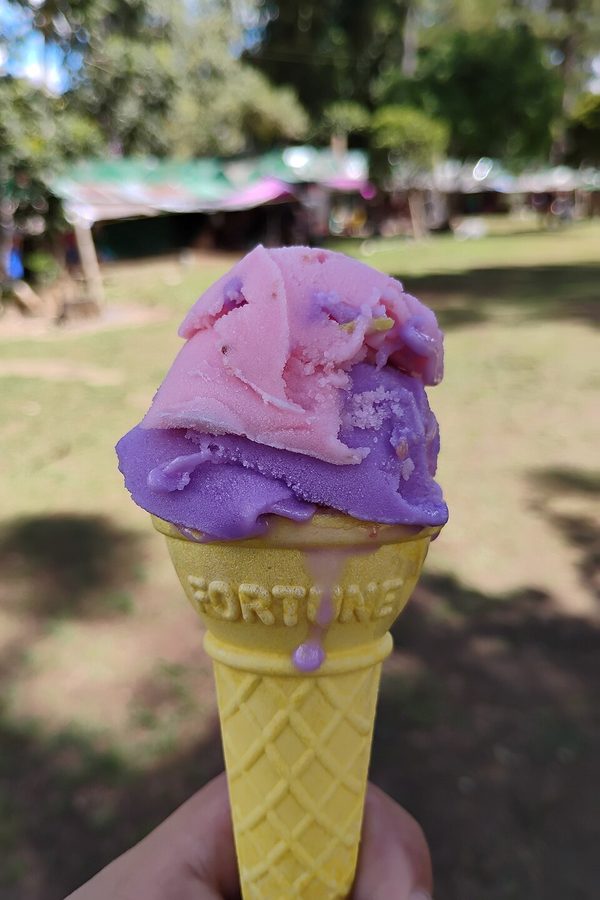
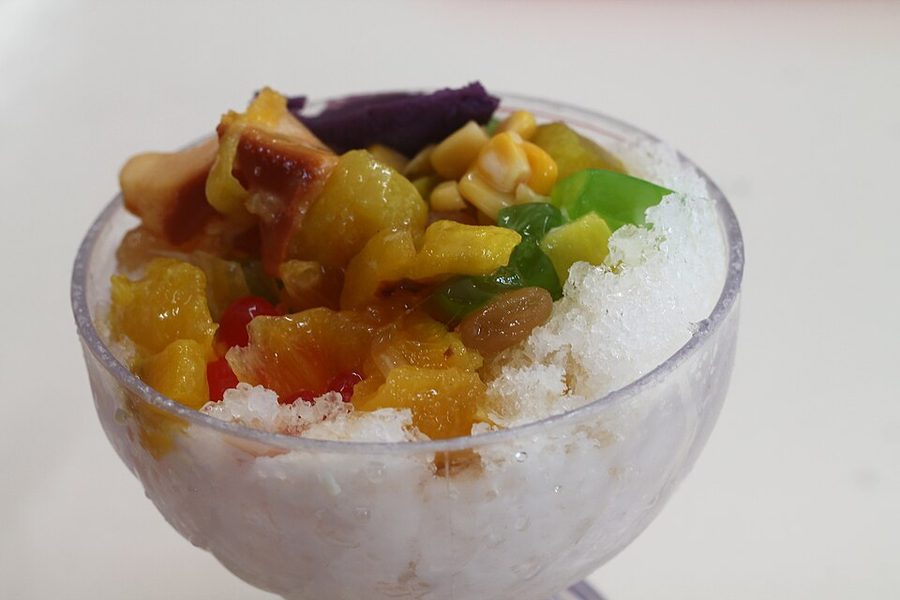
The halo-halo glass is where most visitors first meet ube: a spoon of halaya or a scoop of ube ice cream on top of shaved ice, beans, fruit and milk. If you want the purple without tipping the glass into cloying, a spoon of halaya does it with far less sugar than a scoop of ice cream.
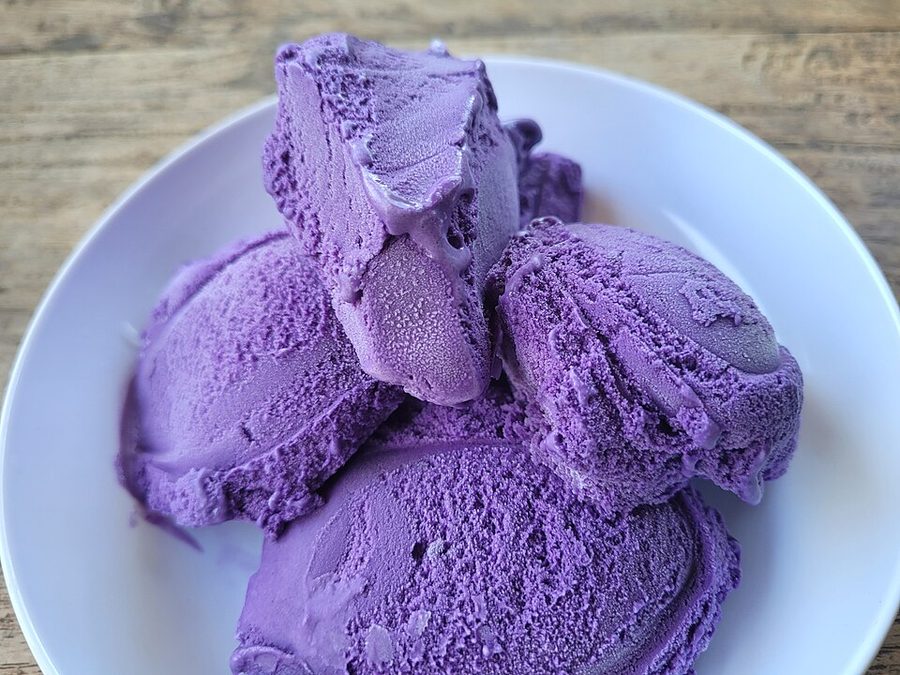
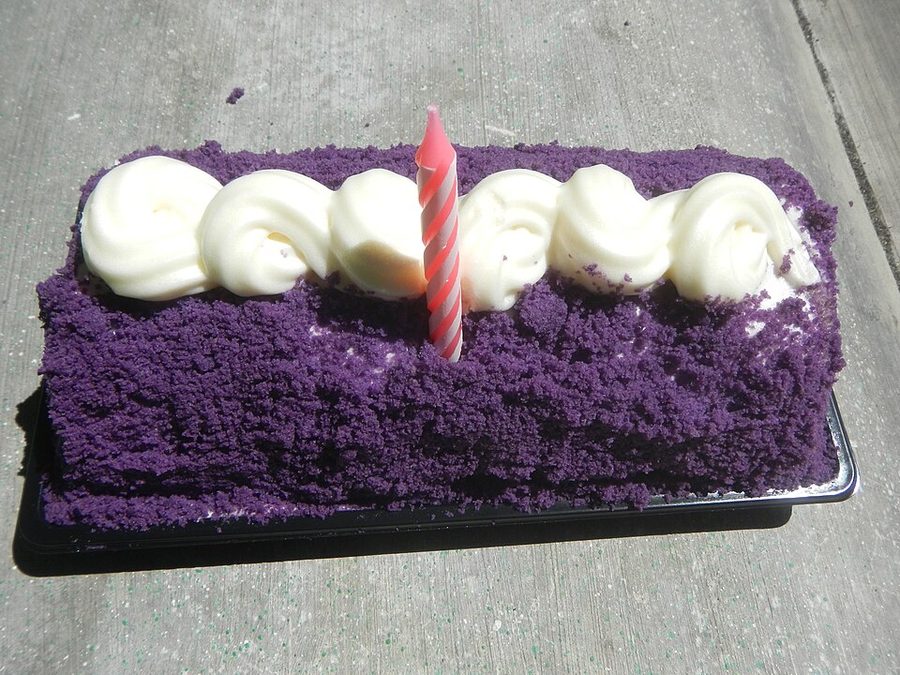
From there ube goes everywhere. It’s the classic Filipino ice cream flavour, often paired with macapuno, the jellied sport coconut, a pairing that also turns up in cakes and rolls. It is folded into the rice-flour batter for puto, cooked into champorado instead of chocolate, rolled into pandesal, swirled through loaf bread, piped into doughnuts and baked into pies, and it gives sapin-sapin, the layered rice cake, its purple band. Halaya fills most of it.
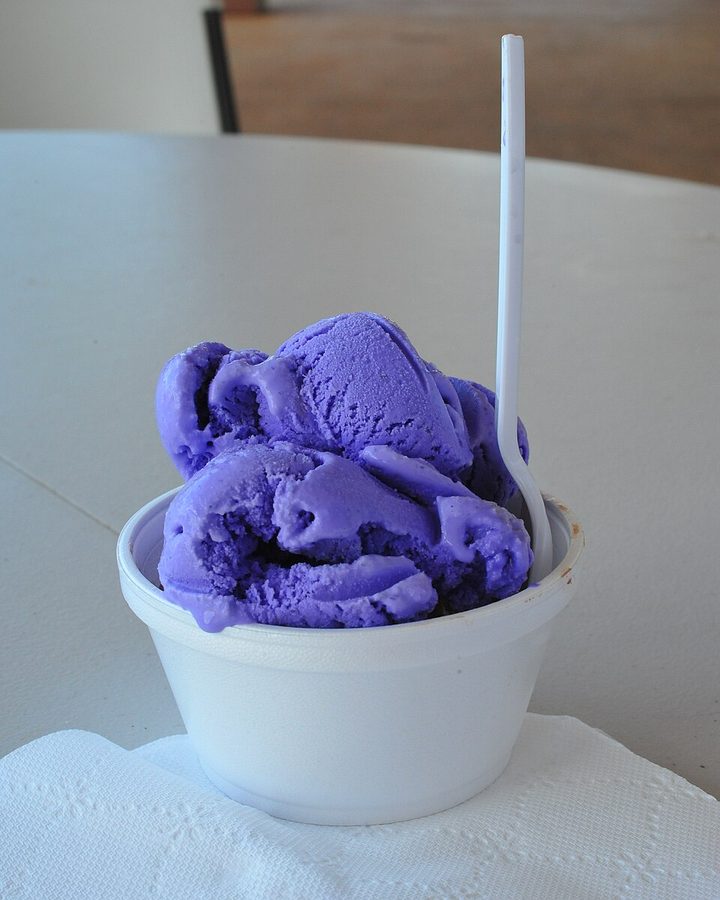
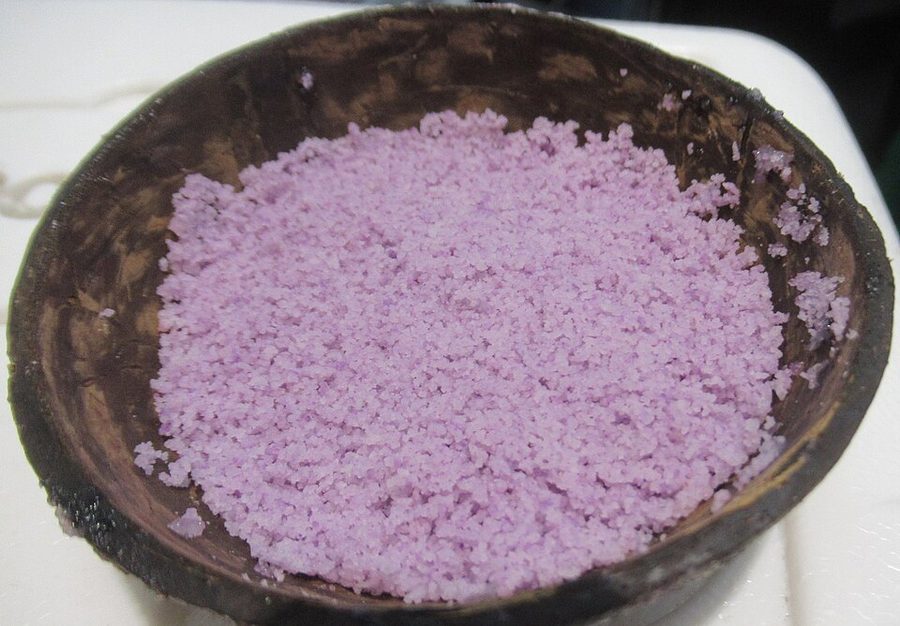
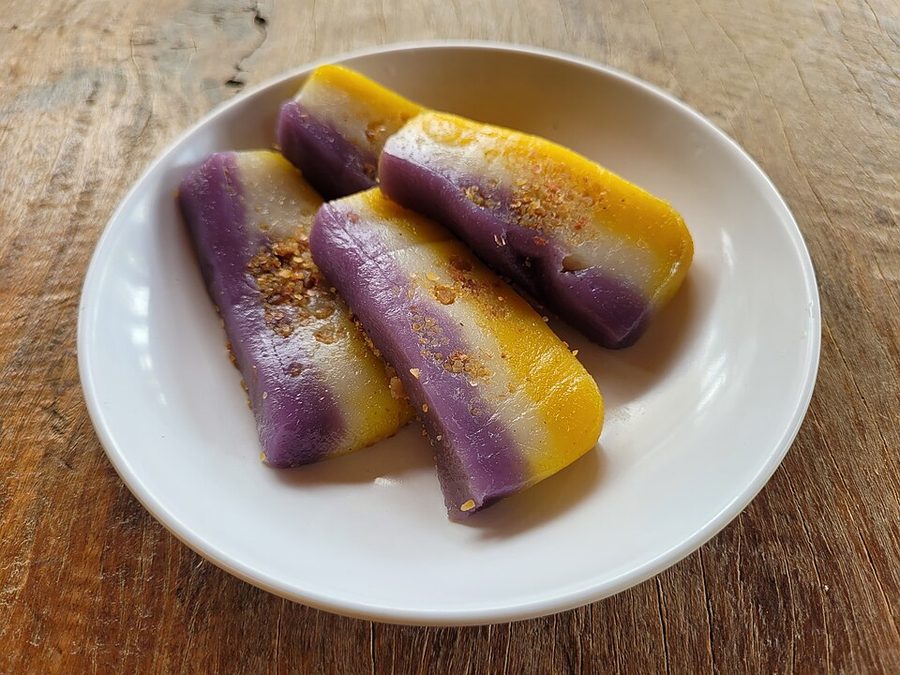
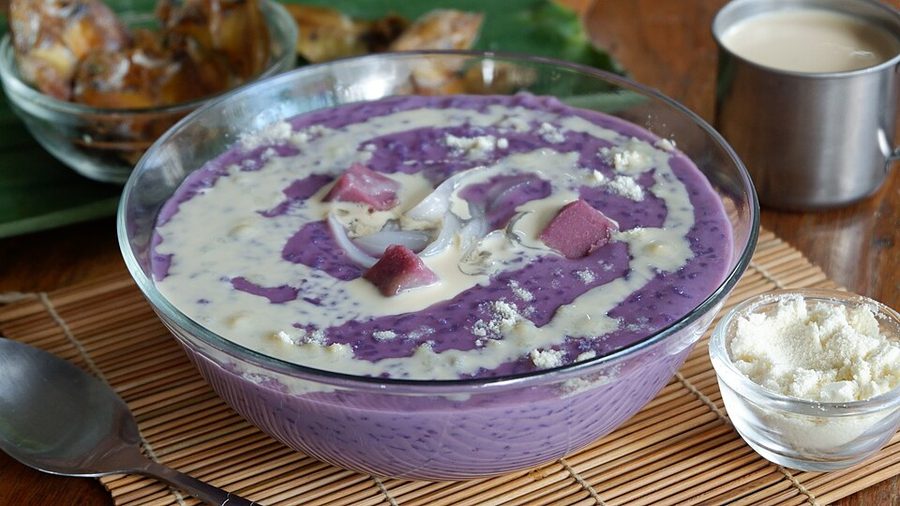
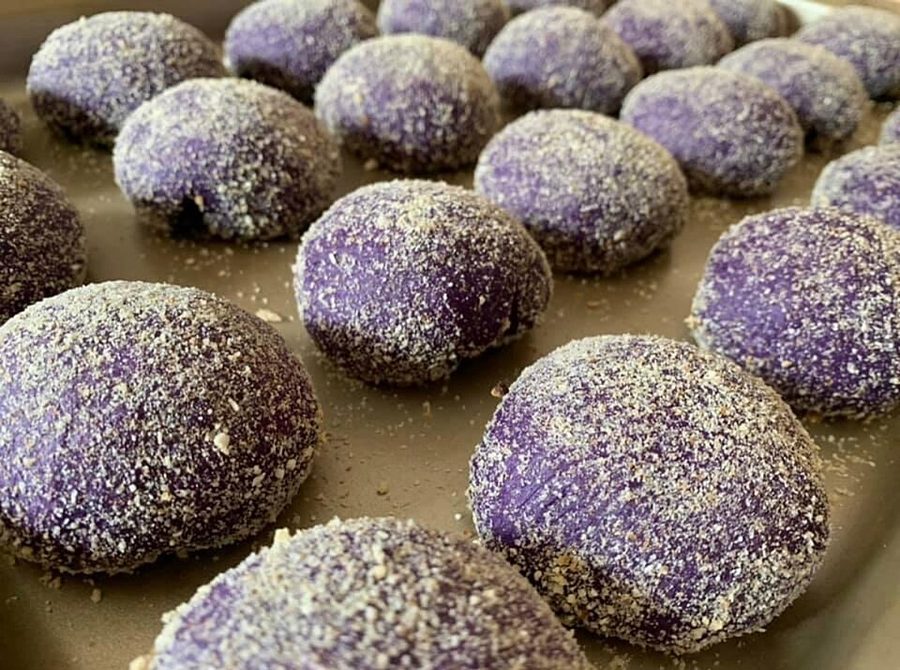
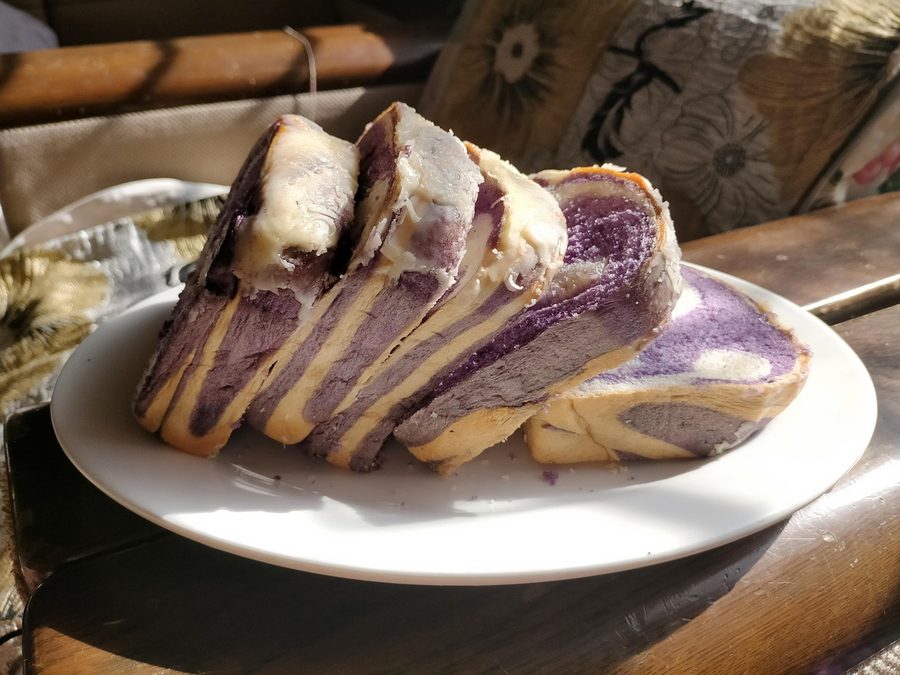
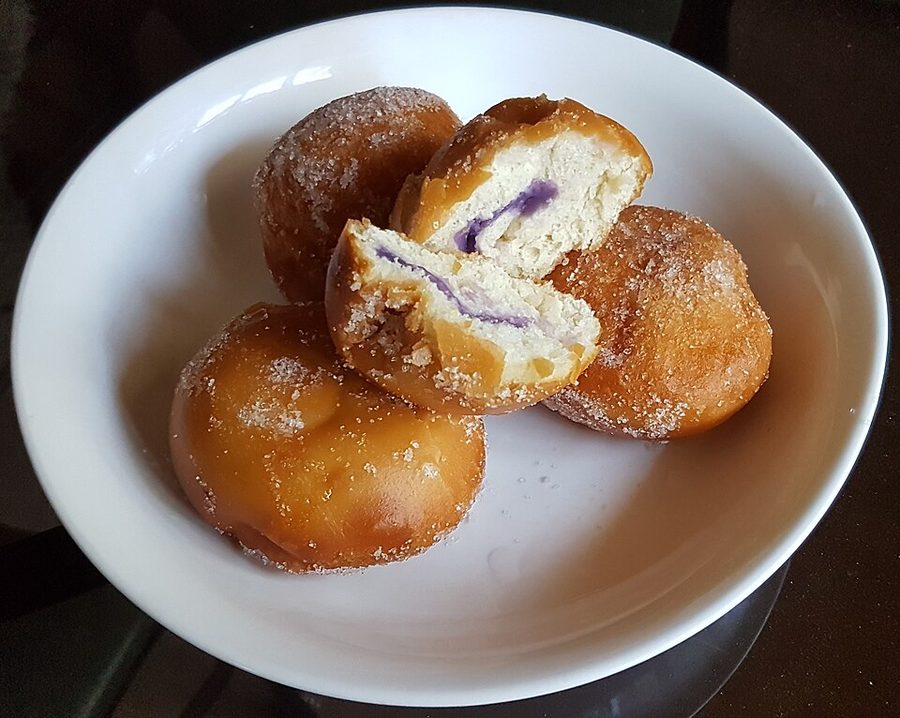
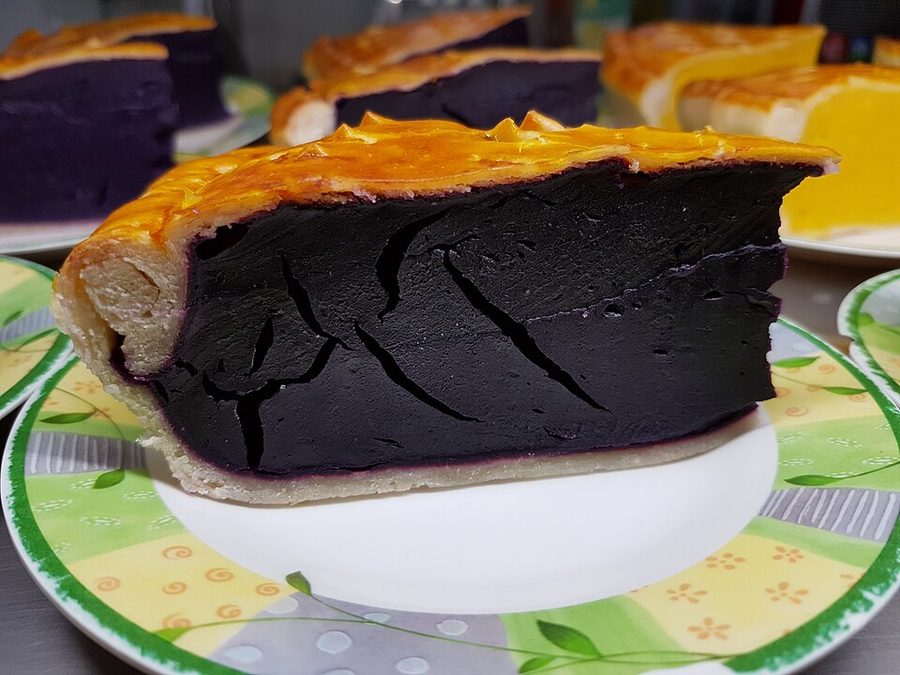
The boom outside the Philippines is real and recent. The Department of Agriculture now talks about ube in New York cheesecakes, Paris croissants and Sydney lattes, and in October the US government put USD 34.1 million into a five-year ube programme for more than 12,500 Filipino farmers. Farms have not kept up, which is why the export suspension came first. For cooks it means two things: more ube products on more shelves, and more of them built on flavouring.
Storing ube halaya and carrying it home
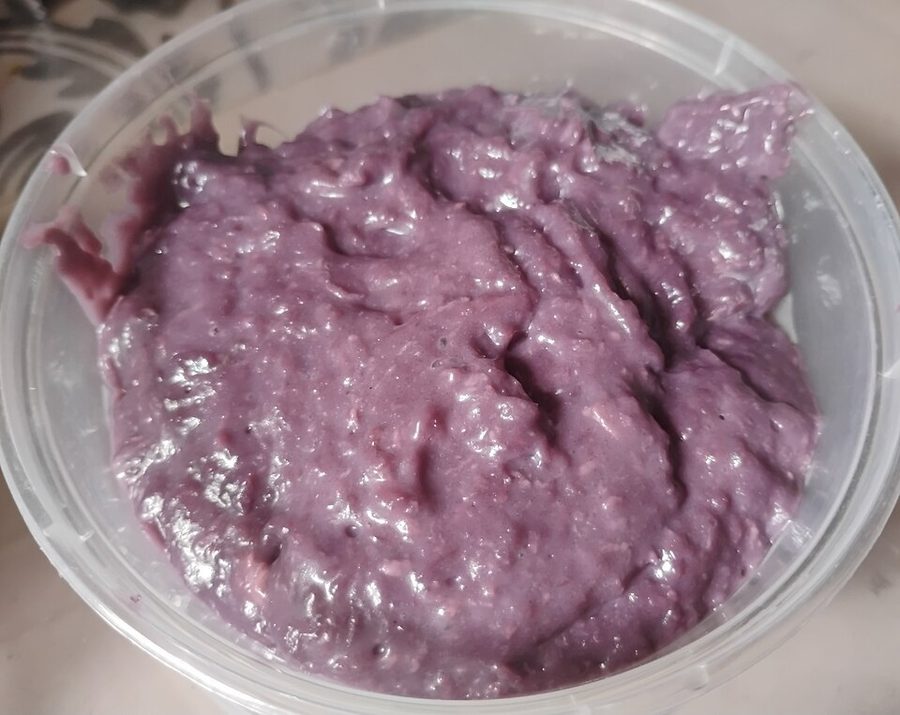
Homemade halaya keeps about five days in the fridge, covered, and around two months in the freezer in an airtight box. Thaw it overnight in the fridge and stir it before using; frozen halaya can weep a little, and a few minutes back in the pan brings it together. Unopened commercial jars keep at room temperature until the date on the lid.
For the flight, the rules on bringing food home apply: ube halaya counts as a liquid at airport security however solid it looks, so it goes in checked luggage, and Britain’s ban on milk-based products from outside the EU can catch it, so declare it wherever you land. Take sealed commercial jars or vacuum packs, not homemade tubs. Leave fresh tubers behind: the export suspension covers fresh ube whatever it is for, and fresh roots are restricted at many borders anyway.
If you’re in Baguio, go early on a Tuesday, buy your two Good Shepherd jars before 9am, and pack them in a sock in the middle of your suitcase. If you’re not, buy a pack of frozen grated ube, a can of condensed milk and a tin of coconut milk, and give yourself an hour at the stove.