A kilo of yoghurt goes into the cloth at night, and by morning close to half of it is in the bowl underneath. That half is whey, thin and yellowish, faintly sour. What stays in the cloth is labneh (لبنة), and it has changed from something you pour into something you spread.
Nothing else happens. There is no rennet, no heat, no culture to buy, only salt and gravity and a few hours in the fridge. Leave it a day or two longer and the same yoghurt becomes firm enough to roll between your palms into balls, which Lebanese households have kept under olive oil for months, long before anyone owned a refrigerator.
Most of the work is choosing the yoghurt and knowing when to stop. Stop at eight hours and you have a soft breakfast spread. Stop at two days and you have the start of a jar that will see you through the winter.
Contents 9 parts
Yoghurt, strained and salted
In Lebanon laban is yoghurt, and labneh is what you make from it by draining off the whey through cloth. Arabic sources describe the old village method in the same terms as a modern kitchen: yoghurt in a bag of fine muslin, hung until the water has run out of it. How long it hangs decides what you get, from a loose spread to a dough you can shape.
The numbers are useful. A 2025 review of Lebanon’s traditional dairy products by researchers at the American University of Beirut puts fresh labneh at about 9.4% fat, 7.7% protein and 72.5% water, with a pH of 4.2. Making a kilo the traditional way takes roughly 2.6 kg of cow’s milk, and it keeps 10 to 15 days in a fridge at 4°C.
Not Greek yoghurt, not cream cheese
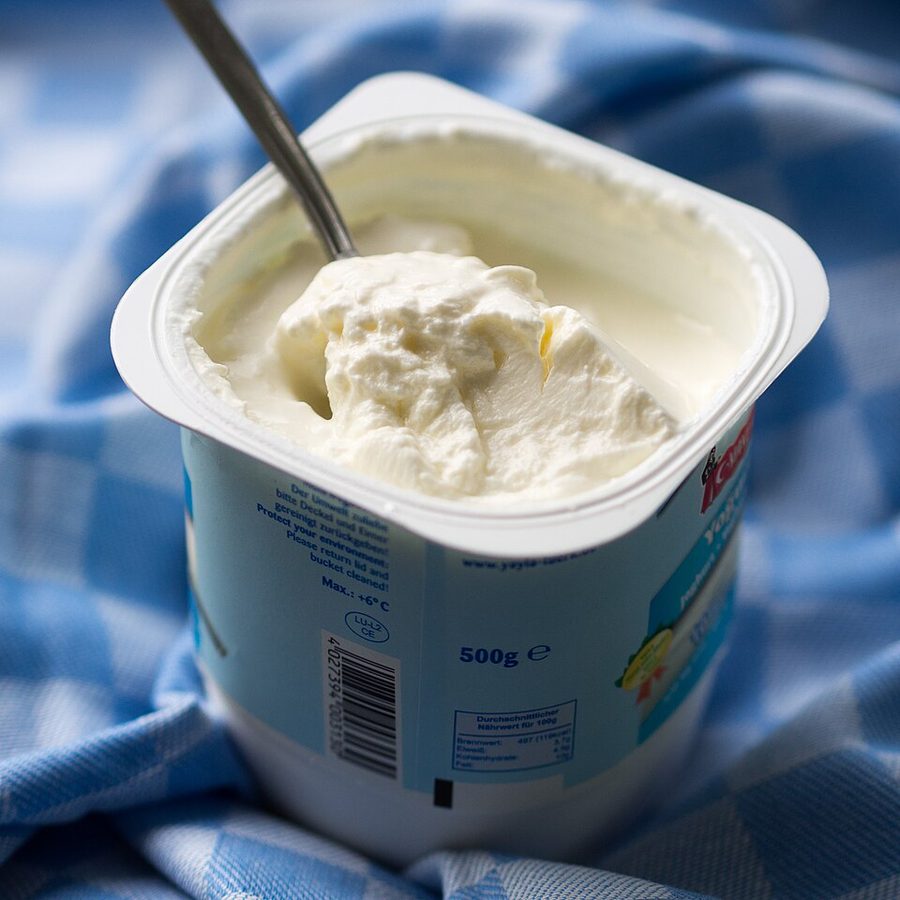
Greek-style yoghurt is made the same way and stopped earlier. It is usually unsalted, still spoonable, still yoghurt. Labneh is drained longer and salted, so it tastes sharper and saltier and spreads rather than plops. Start with Greek yoghurt and you have simply done the first few hours of the job in a factory.
Cream cheese is a different animal. Under the US federal standard for cream cheese it must contain at least 33% milkfat and no more than 55% moisture, and it is set with a clotting enzyme as well as a culture. Fresh labneh has under a third of that fat. It is lighter, more sour, and will happily take a pour of olive oil that would make cream cheese greasy.
The mouneh jar
Mouneh is the Lebanese pantry: the jams, pickles, dried herbs, kishk and oil-packed cheeses put up in summer and autumn for the months when there is less to pick. Labneh belongs in it twice. Fresh labneh is a daily food, but rolled into balls and covered with oil it becomes a store, and the AUB review notes that in the Chouf and parts of the Bekaa these were traditionally made at the end of the spring milking, when there was more milk than anyone could drink.
The mountain villages go further still. Labneh anbaris is fermented for months in sealed earthenware jars, topped up with milk and salt as the whey runs off, until it is sharp, dense and slightly crumbly. It is a specialist’s product, made by families and small dairies in the Chouf and West Bekaa. The oil-cured balls are the part of that tradition anyone can do at home.
Choosing the yoghurt
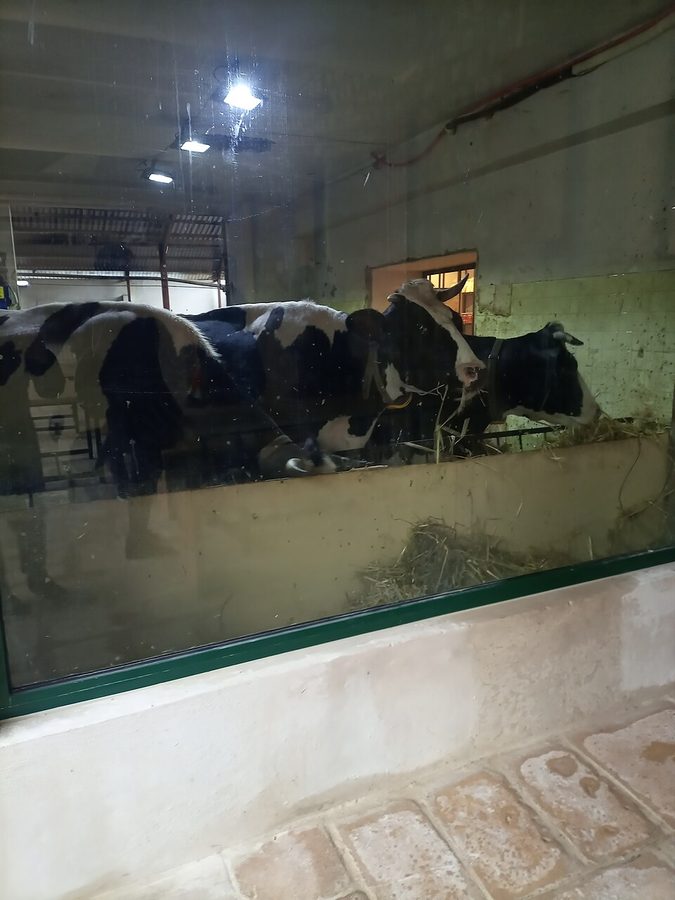
Full fat, plain, and with nothing on the label but milk and cultures. Fat matters more here than in yoghurt you eat from the tub, because straining concentrates everything. When AUB researchers tested labneh made from cow, goat and sheep milk at full, reduced and low fat, the fat level changed its colour, density and how fast it melted on the tongue, and an earlier study of seven brands on the Lebanese market found tasters liked it less with every step down in fat.
Read the label for thickeners. A survey of labneh sold in the United Arab Emirates found stabilisers, gums, starch and pectin in around two-thirds of the packaged products. In yoghurt they do the same job: they hold water in, which is the opposite of what you want. A yoghurt thickened with pectin or starch drains slowly and can turn pasty rather than creamy.
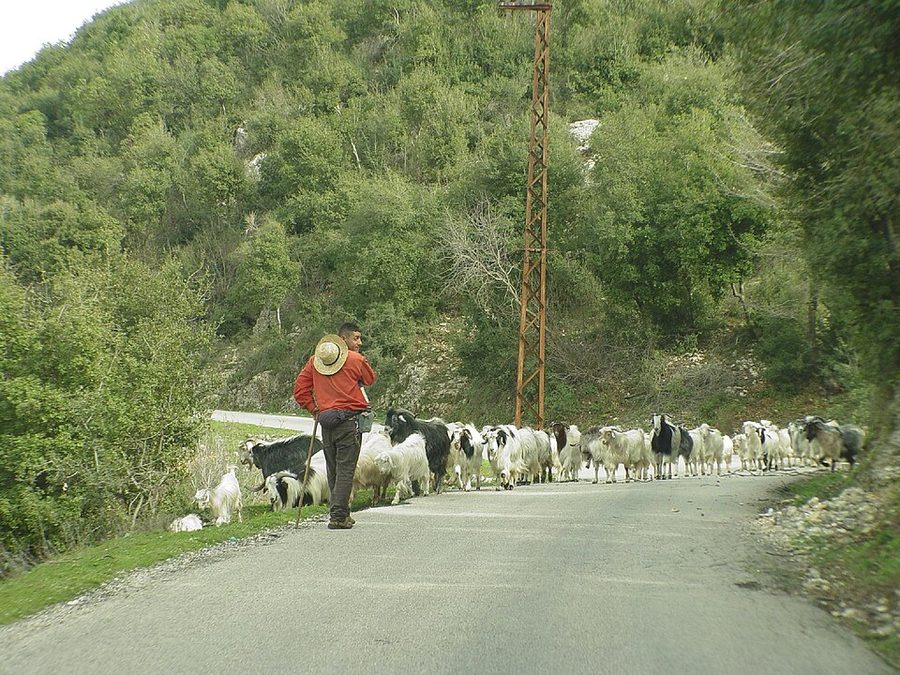
Cow’s milk gives the mildest labneh and the one most Lebanese supermarkets sell. Goat’s milk is tangier, with the farmyard note the AUB panel scored as “goaty”, and it can be taken a long way: the AUB review lists extra-dried goat labneh that needs 5.5 kg of milk per kilo. Sheep’s milk is richer and needs less of it for the same weight of labneh. Any of the three works with the recipes below; only the straining time shifts a little.
If you are starting from Greek yoghurt, you are already part of the way there. It drains faster and gives more labneh per kilo, but it is often sourer, and I find it can turn chalky if you take it all the way to balls. For balls, start from ordinary plain yoghurt and give it the time.
Salt, cloth and time
The recipes I checked, in English and Arabic, disagree most about salt. One uses a quarter teaspoon for 900 g of yoghurt, another half a teaspoon, another a full teaspoon for less than half that weight, and a Lebanese recipe for balls uses three tablespoons for 2 kg. I use 1 teaspoon of fine salt per kilo for fresh labneh and 1½ tablespoons per kilo for balls. The reason is the finished product: fresh Lebanese labneh carries up to about 1% salt and the oil-cured balls 2 to 3%, and some of what you add leaves with the whey.
Salt does more than season. It firms the curd and helps it keep, which is why the balls, meant to last for months, get so much more of it. Stir it into the yoghurt before it goes into the cloth, not after, so it is evenly spread.
The cloth
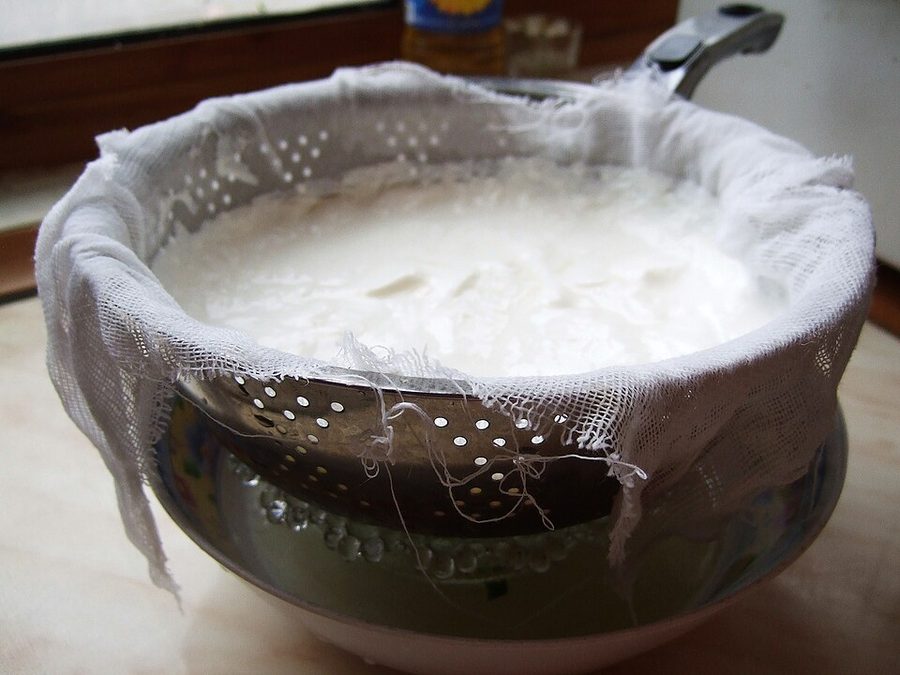
Use two layers of muslin or cheesecloth, a thin cotton tea towel, or a clean cotton pillowcase. Terry towelling is too thick, and a single layer of loose cheesecloth lets yoghurt through with the whey. Rinse the cloth in hot water and wring it out before you start, so it does not smell of detergent or soak up the first of the yoghurt.
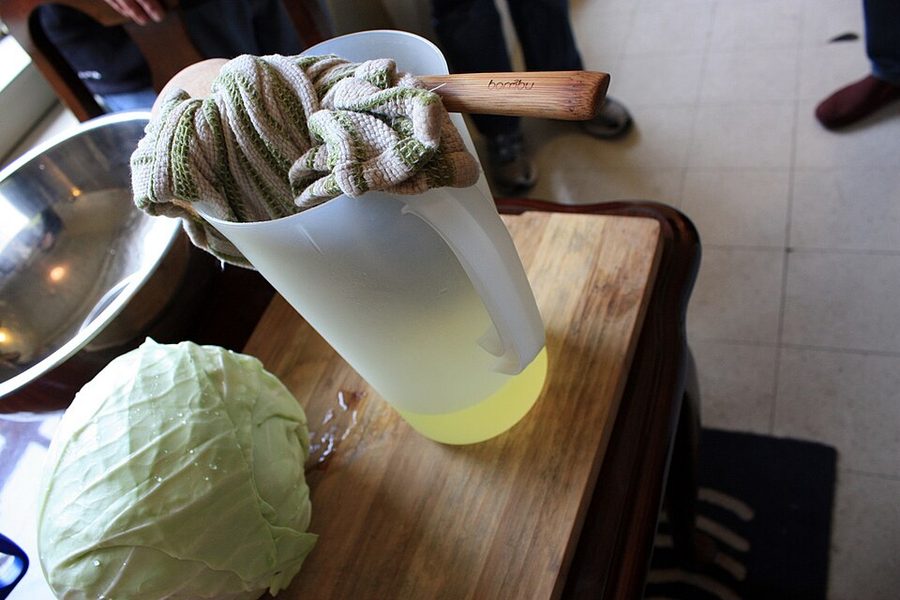
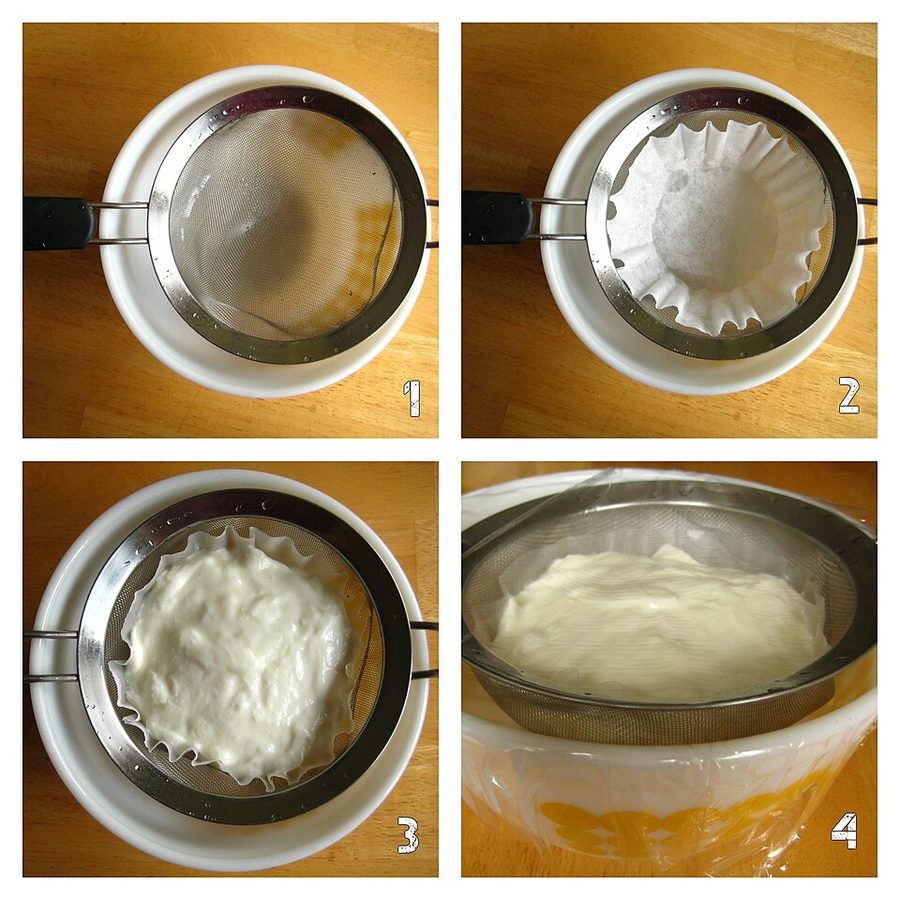
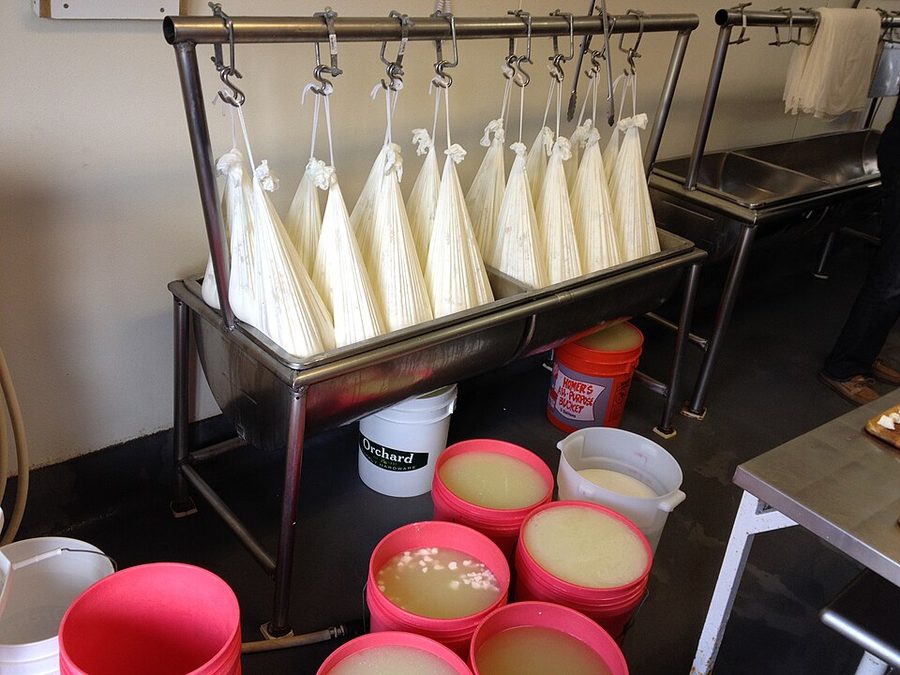
A paper coffee filter in a sieve works for small amounts and is the easiest thing to clean. For a kilo or more, tie the cloth into a bundle and hang it: from a wooden spoon laid across a deep pot, from a cupboard handle over a bowl, from the shelf of the fridge. Gravity does a better job than squeezing, which pushes the yoghurt through the weave and leaves the outside of the bundle dry and the middle wet.
Fridge or counter
Some recipes leave the bundle at room temperature for one to three days, for a tangier labneh. I strain in the fridge, every time. A shelf-life study at the American University of Beirut found that labneh lasted 8.5 to 10.5 days at 5°C, 4.7 to 5.8 days at 15°C and only 2.3 to 2.7 days at 25°C before yeasts and off-flavours ended it. A kitchen in Beirut in August, or in Cebu in any month, is warmer than 25°C.
How long, and what you get
Times vary with the yoghurt. A thin, runny set yoghurt can take twice as long as a thick one, so treat these as a guide for full-fat cow’s milk yoghurt in the fridge and check by touch.
| Straining time | What you have | Use it for |
|---|---|---|
| 2 to 3 hours | Thick yoghurt, about as firm as Greek-style | Dips, sauces, a dollop on stews |
| 6 to 8 hours | Soft labneh, smooth and spoonable | The breakfast plate with a well of oil |
| 12 hours | Firm labneh, like cream cheese | Sandwiches, man’oushe, spreading thick |
| 24 hours | Dense, holds a sharp edge when cut with a spoon | Anything above, and it keeps a little longer |
| 48 hours or more | Stiff, like soft dough; leaves your hand almost clean | Rolling into balls for the jar |
Keep the whey. It holds for about a week in the fridge and works in place of water in bread dough, or as the liquid for cooking rice or lentils. It is sour enough to need less lemon in anything you add it to.
Recipe card
Labneh
Makes about 450 to 550 g (2 cups), depending on the yoghurt and how long you strain it. 10 minutes, plus 12 to 24 hours in the fridge.
Ingredients
- 1 kg (2 lb 3 oz, about 4 cups) plain full-fat yoghurt, cow, goat or sheep
- 1 tsp fine salt (about 6 g)
To serve
- Extra virgin olive oil
- Dried mint or za’atar
- Cucumber, tomato, olives and fresh mint
- Flatbread
Method
- Rinse a double layer of muslin or cheesecloth, or a thin cotton tea towel, in hot water and wring it out. Line a sieve with it and set the sieve over a deep bowl, with at least 5 cm (2 in) of space underneath.
- Stir the salt into the yoghurt until it disappears. Tip the yoghurt into the cloth.
- Gather the corners, twist them together and tie them with string. Leave the bundle in the sieve, or hang it from a wooden spoon laid across a deep pot so it hangs clear of the bottom.
- Refrigerate. Check after 6 hours and pour off the whey if it is close to the cloth. Stop at 12 hours for a soft, spreading labneh, or leave it to 24 for a firmer one.
- Untie the bundle and spoon the labneh off the cloth into a clean container. Stir it smooth, cover and keep it in the fridge. Eat it within a week.
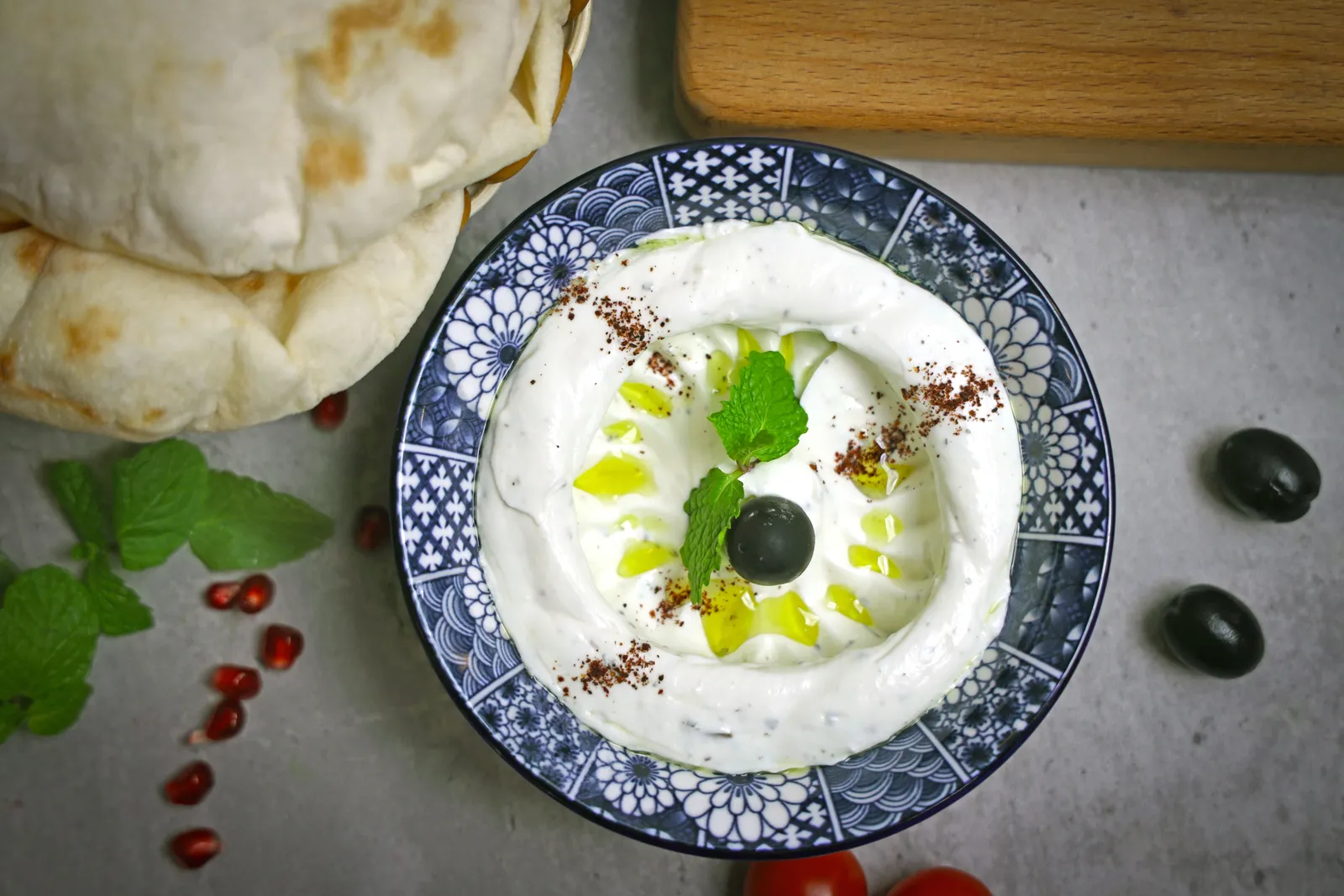
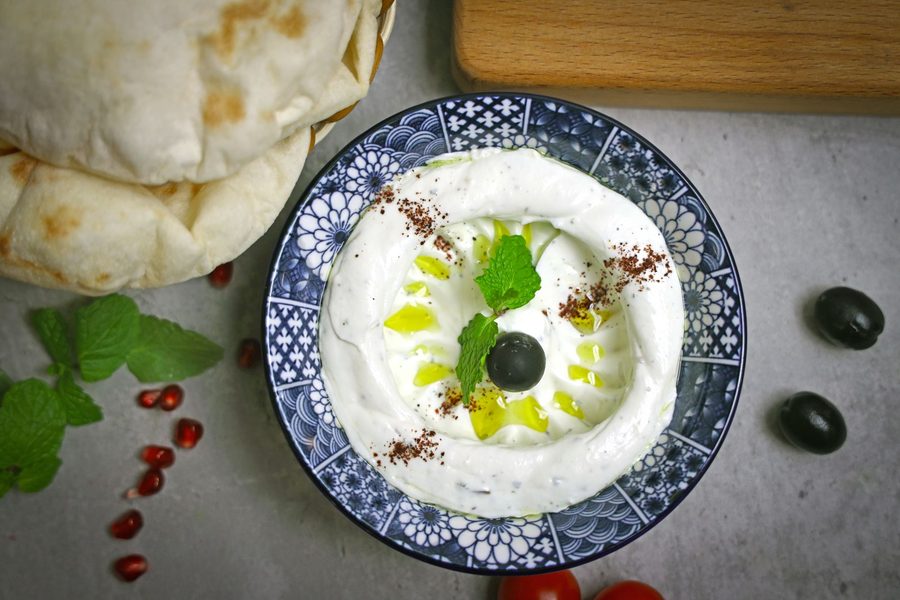
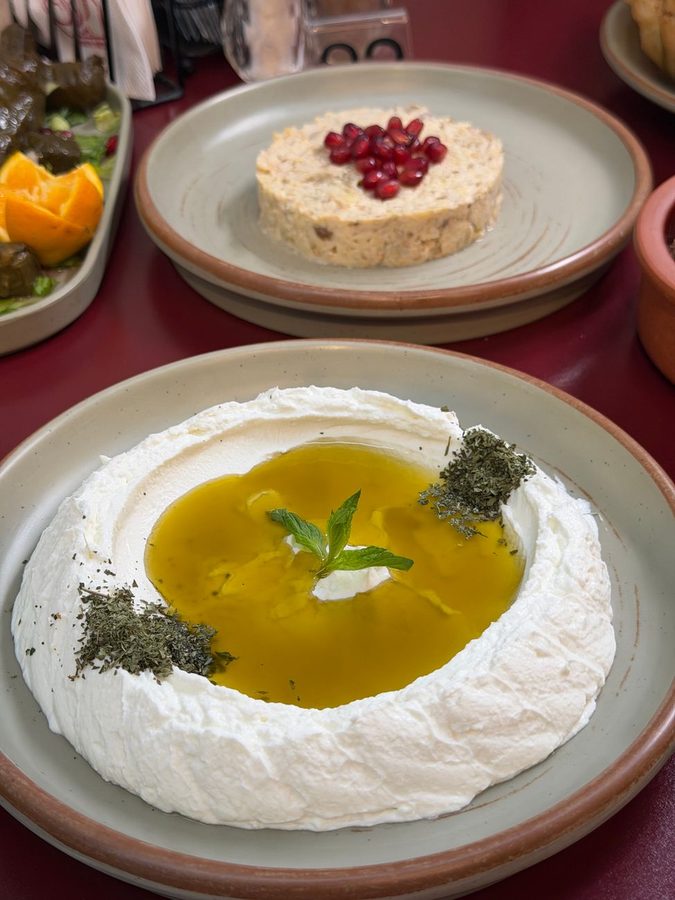
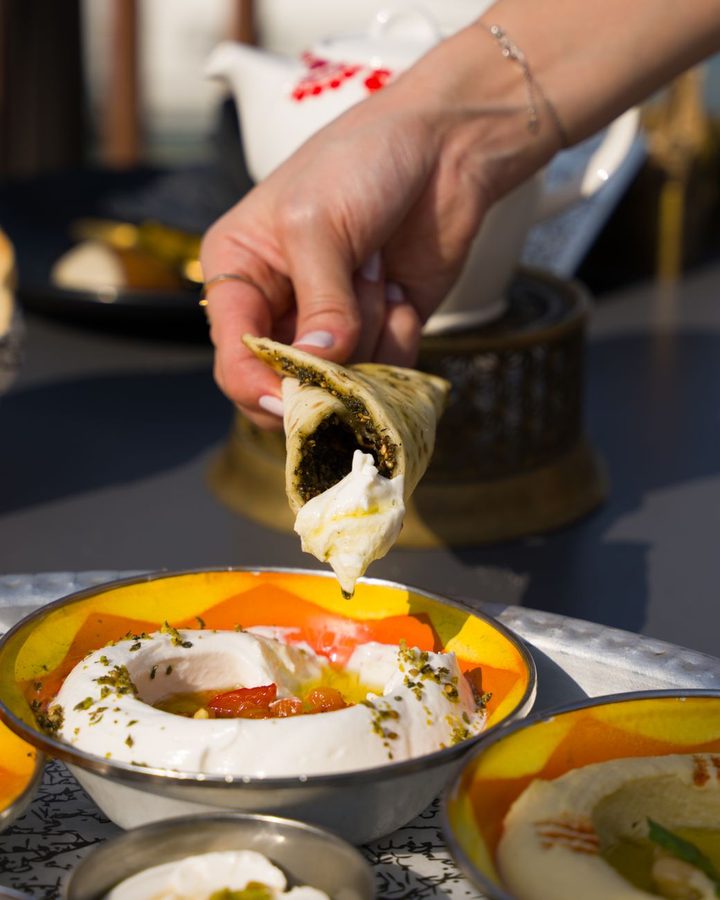
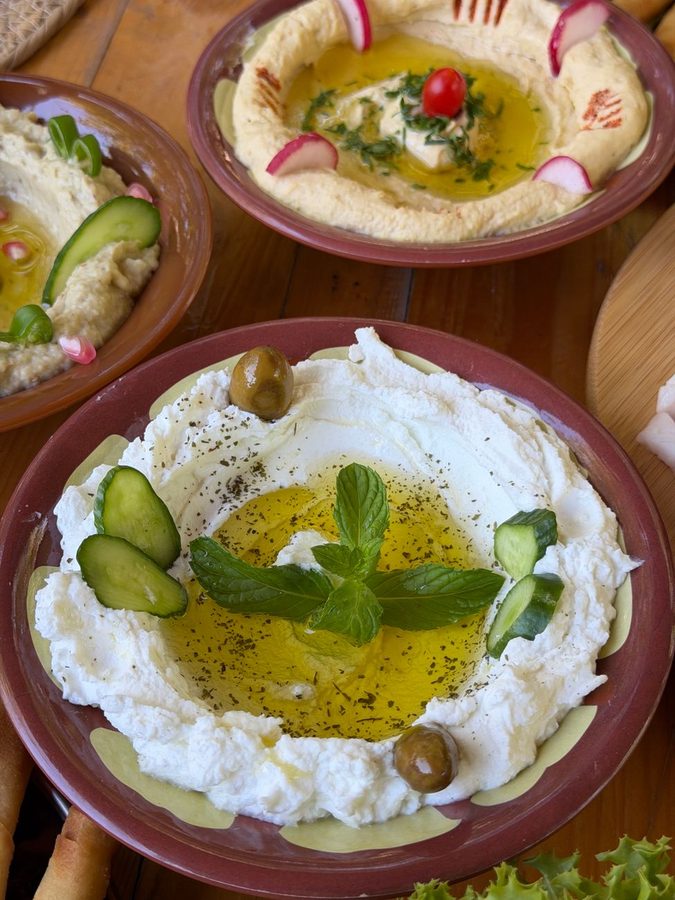
- To serve, spread a few spoonfuls on a plate, swirling with the back of the spoon to leave a dip in the middle. Fill the dip with olive oil and scatter dried mint or za’atar on top.
Labneh balls in oil
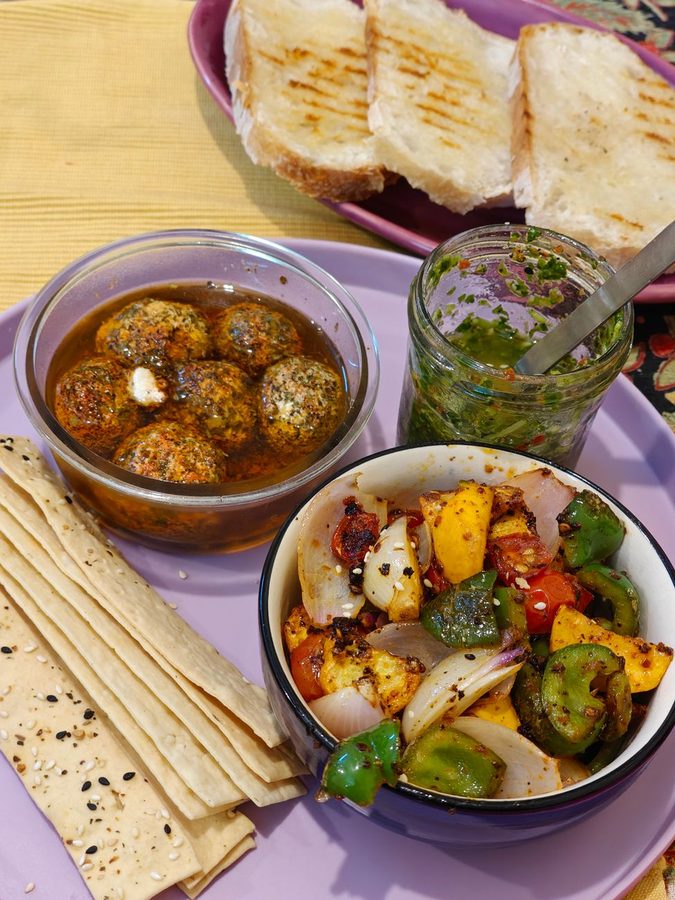
Lebanese cooks call the balls labneh mkaazaleh (لبنة مكعزلة), roughly “balled labneh”. Across the border the same thing is mda’baleh in Syria and mdahbaleh or mka’baleh in Palestine and Jordan, and the AUB review uses makbouseh, the word for something packed down to keep, as pickles are. The jar is the same everywhere: small balls of very firm, well-salted labneh, sometimes rolled in herbs or spice, covered in olive oil.
The balls are a different food from the labneh they started as. Straining for two days and drying on a cloth takes them to about 60% water, and the AUB figures put them at 17% fat and 17% protein, against 9% and 8% for fresh. They are denser, saltier and sourer, and they keep getting sourer in the jar. Eaten after a few weeks, a ball spread on bread with its own oil tastes closer to a young goat’s cheese than to anything you would call yoghurt.
What to roll them in
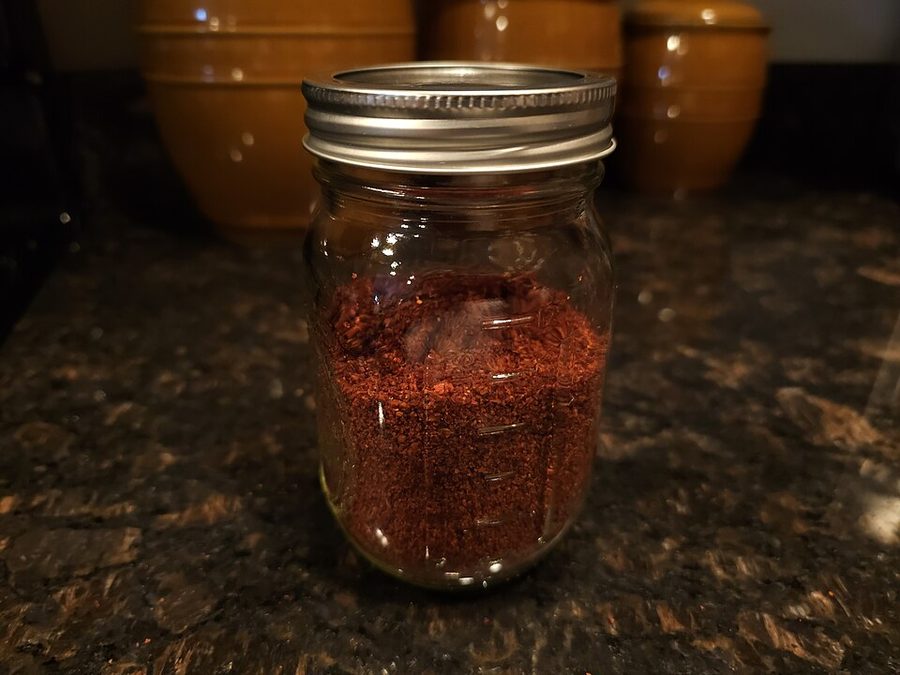
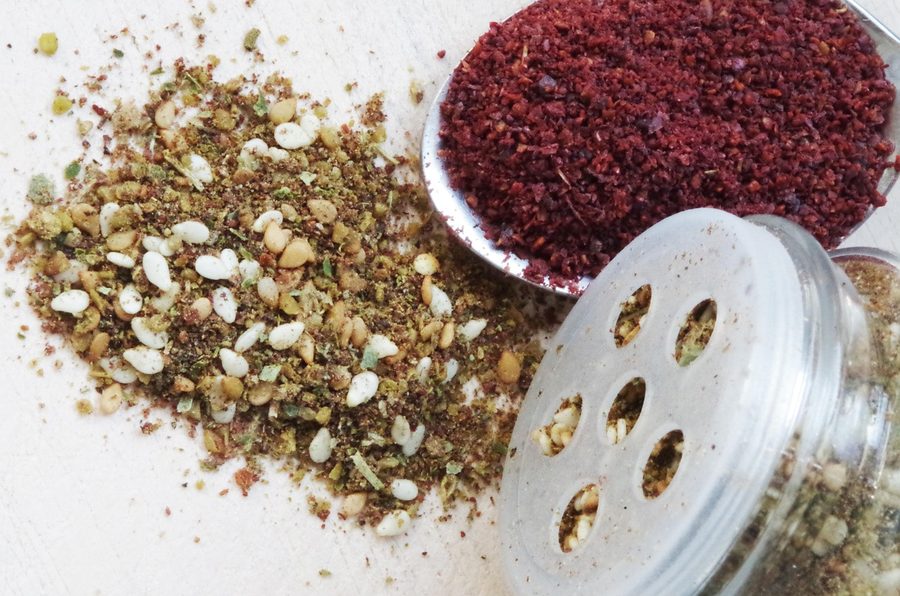
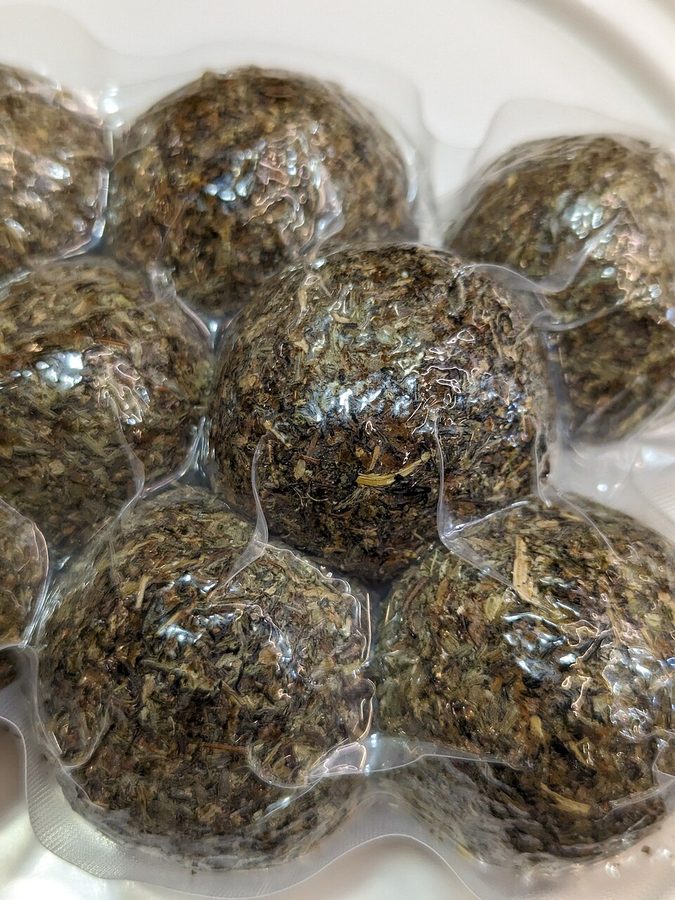
Plain balls are the base, and in many homes most of the jar. Za’atar is the classic coating, the same herb, sumac and sesame blend that goes on the morning bread (the za’atar guide covers the herb, the blend and the man’oushe in full). Chilli flakes give a red version, dried mint a pale green one. Nigella seeds and toasted sesame turn up too.
Use dried coatings only. Fresh garlic, fresh herbs and fresh chilli carry moisture and soil bacteria into the oil, and they are where the real risk in an oil jar comes from. If you want garlic, rub a cut clove over the bread when you serve, not into the jar. A pinch of sumac on its own makes a sharp red coat that suits the sourness of an older ball.
Recipe card 2
Labneh mkaazaleh (labneh balls in olive oil)
Makes about 25 balls (around 550 g), enough for a 1-litre jar. About 45 minutes of work, spread over 3 to 4 days: 2 days straining, 1 day drying, then rolling and jarring.
Ingredients
- 2 kg (4 lb 6 oz, about 8 cups) plain full-fat yoghurt, cow, goat or sheep
- 1½ tbsp fine salt (about 25 g)
- 400 to 500 ml (1¾ to 2 cups) olive oil, to cover
For coating (optional)
- 2 tbsp za’atar
- 1 tbsp mild chilli flakes, such as Aleppo pepper
- 1 tbsp dried mint
Method
- Stir the salt into the yoghurt. Line a large sieve with a double layer of damp muslin or a thin tea towel, set it over a deep bowl, tip in the yoghurt and tie the corners into a bundle.
- Strain in the fridge for 48 hours, pouring off the whey twice a day. It is ready when a teaspoonful rolled between your palms holds a round shape and barely sticks.
- Line a tray with a clean cotton cloth or a double layer of kitchen paper. Rub your hands with a few drops of olive oil, take a level tablespoon of labneh (about 20 g) and roll it into a ball. Set it on the tray. Repeat, re-oiling your hands as needed, leaving space between the balls.
- Put the tray in the fridge, uncovered, for 24 hours. Turn the balls once halfway through. They are ready when the outside feels dry and the cloth underneath is marked with damp rings.
- Wash a 1-litre glass jar and its lid, then boil them for 10 minutes and leave them to dry completely, upside down on a clean rack. Any water left in the jar spoils the batch.
- Spread each coating on its own saucer. Roll some balls in za’atar, some in chilli, some in mint, and leave some plain.
- Lower the balls into the jar one by one without packing them tight. Pour in olive oil until the top ball is covered by at least 2 cm (¾ in). Tap the jar on the counter to release trapped air, top up the oil and close the lid.
- Keep the jar in the fridge. The oil will turn cloudy and thick in the cold; take the jar out 20 to 30 minutes before you want to eat, and it clears. Always use a clean, dry spoon, and top up the oil so no ball is ever above it.
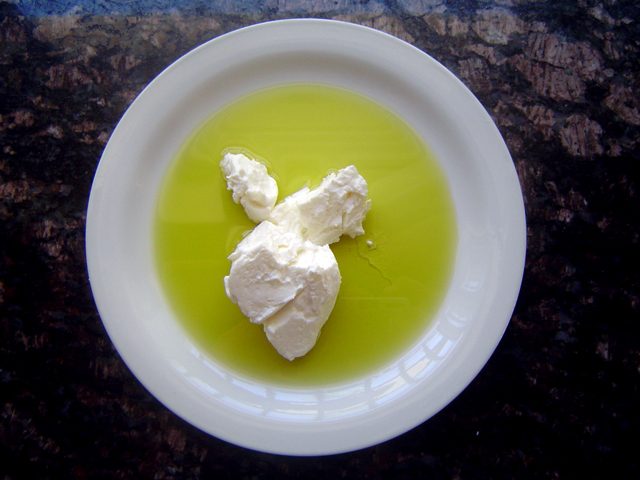
Keeping cheese under oil safely
The worry with anything in oil is botulism, and it helps to know where the line is. Clostridium botulinum cannot grow in food with a pH of 4.6 or below, which is the cut-off that the US federal rules on acid and acidified foods are built around. Labneh balls sit well below it, at pH 4.0 to 4.3 according to the AUB review, with 2 to 3% salt and a water activity around 0.85, about the level at which most bacteria stop growing.
That is why Lebanese households have kept the jars in a cool cupboard for months. The dairy is the safe part. The risk comes from what goes in with it: fresh garlic, fresh herbs and fresh chilli are low in acid, and under oil they can provide exactly the conditions botulism wants. Keep the coatings dry and the jar free of anything fresh.
The everyday problems are yeasts and moulds. They were the spoilers in the AUB shelf-life work, and a study of dairies across four Lebanese governorates, published in 2026, found yeasts in 11 to 12% of the commercial labneh samples and moulds in up to 11%. At home they come in on wet spoons, damp jars and fingers. Food scientists in Syria and the US also found listeria could survive up to 15 days in labneh kept at 6°C, which is the reason to start from yoghurt made with pasteurised milk.
So: pasteurised yoghurt, a jar boiled and dried, balls dried on the outside, oil always covering them, a clean spoon every time, and the fridge rather than a warm cupboard. Throw the jar out if you see fuzz, pink or grey spots, if the oil fizzes or the balls smell of yeast or alcohol, or if they turn slimy. I eat mine within two months, though the tradition goes much longer.
Eating it the Lebanese way
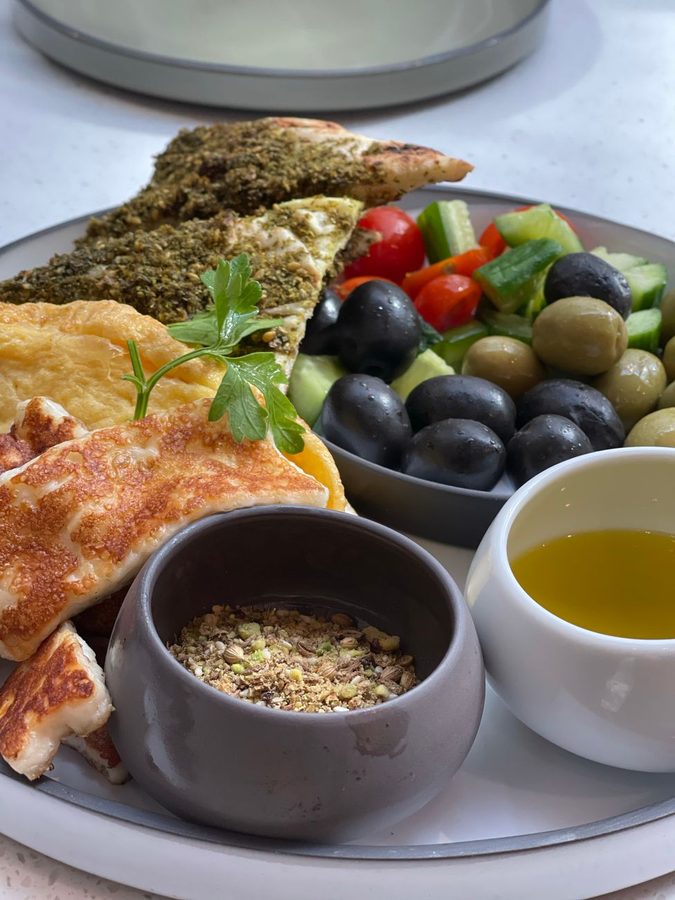
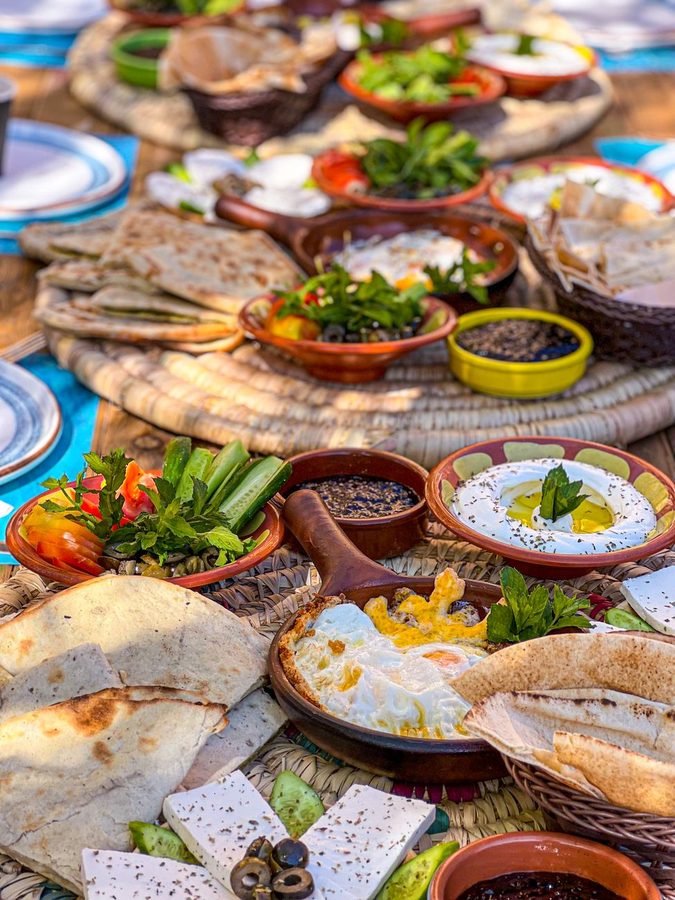
Labneh is a breakfast food first. On a weekend table in Lebanon it arrives as a plate swirled with a well of olive oil and a scatter of dried mint, next to olives, a pile of cucumbers and tomatoes, a bunch of fresh mint, and flatbread to scoop with. Hot dishes join it: eggs fried in awarma, lamb preserved in its own fat, or a bowl of foul.
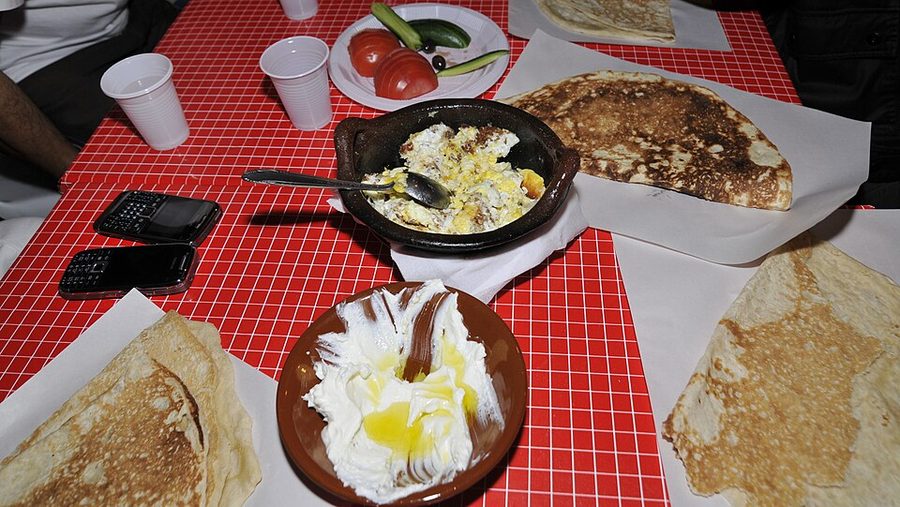
Each mouthful is built on the bread. Tear a piece, scoop labneh and some of the oil, then add a slice of cucumber, a mint leaf, an olive pushed off its stone. The cold, crunchy vegetables do the work that a squeeze of lemon would do elsewhere.
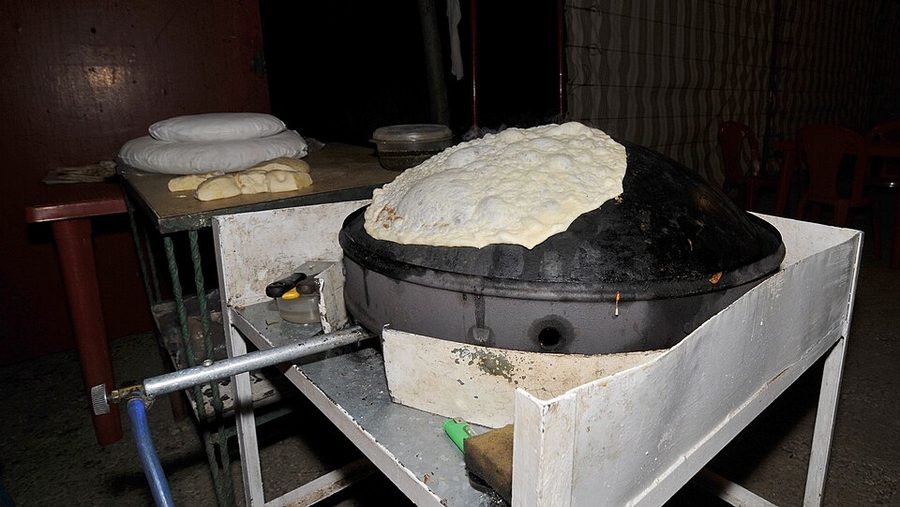
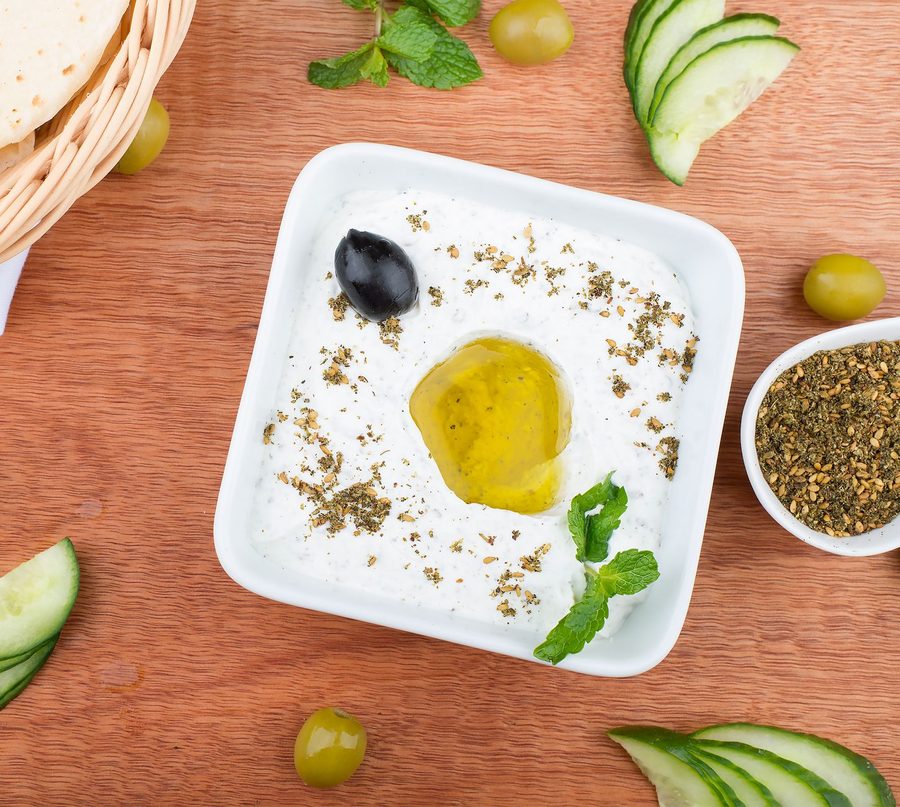
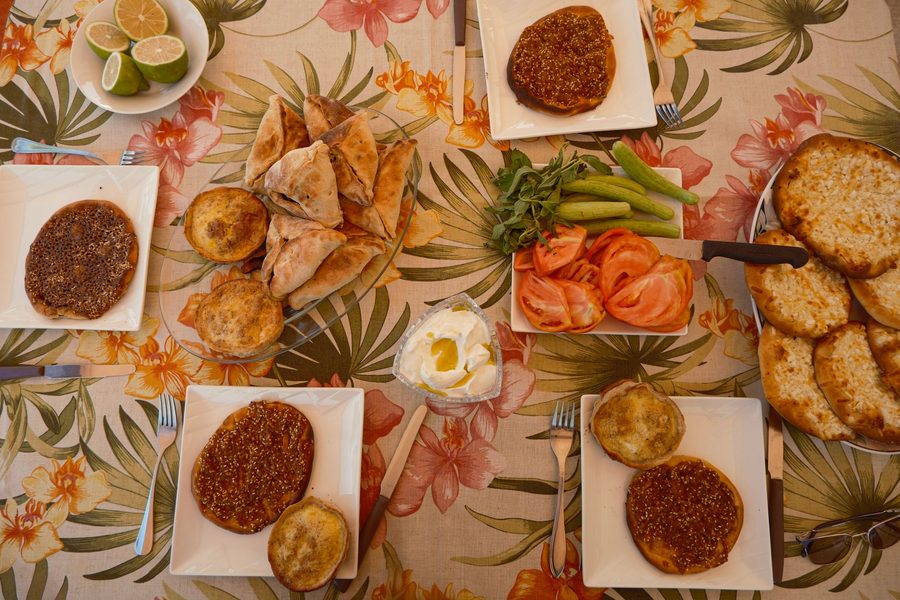
The habit runs across the Levant. In Palestine, Jordan and Syria the same plate turns up with slightly different spelling and the same olive oil, and the balls in oil are made there too, under their own local names.
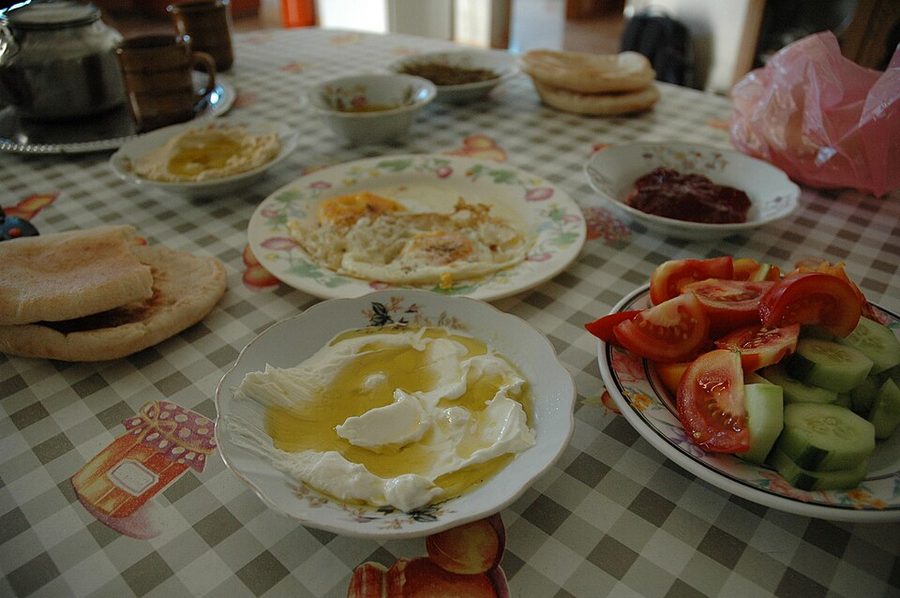
On a man’oushe
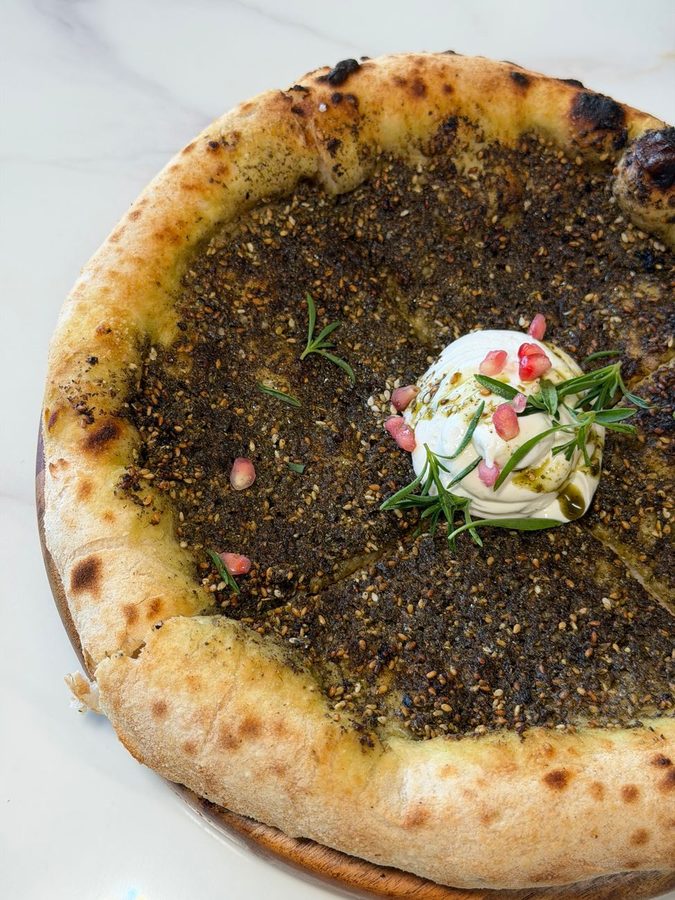
At the corner furn, the neighbourhood bakery with its domed oven, labneh goes on after the bread comes out, over the za’atar or on its own. The UNESCO listing for al-man’ouche names labneh among the second garnishes added once the bread is out of the oven, alongside tomatoes, cucumbers, olives and mint.
At home, the second way is the one to copy. Bake or warm a za’atar flatbread, spread cold labneh over half of it, add cucumber and mint, and fold. The contrast of hot oily herb and cold sour cheese is the whole point.
In a sandwich
The Lebanese labneh sandwich is arouset labneh, “a labneh bride”: thin flatbread spread with labneh, filled with cucumber, tomato, mint and pitted olives, sometimes with za’atar, and rolled tight. It travels well, and I think it is better after half an hour, when the bread has softened against the filling.
Firm labneh is the one for sandwiches, so take it to 12 or 24 hours if you want to roll it. A spread of labneh also makes a good base for leftover grilled chicken or kafta in a wrap, cooler and sharper than mayonnaise.
With the mezze
Labneh also sits with the cold mezze, next to hummus, moutabal and tabbouleh, before the grills arrive. It goes well with a crisp salad like fattoush and better still beside fried kibbeh, where a cold, sour spoonful cuts through the fat.
Buying labneh in Lebanon and abroad
In Lebanon you will rarely need to make it, except for the pleasure. Every supermarket and corner shop has tubs in the fridge, and the AUB review counts regional styles named for where the milk comes from: labneh Taanayel and labneh Chtaura from the Bekaa, and another from around Baalbek. Taanayel and Dairy Khoury are two names you will see on Beirut shelves, and both also sell a baladieh, village-style, version.
Prices are in US dollars, as most Lebanese retail prices have been since 2023. In November 2026 a Beirut online grocer listed Taanayel labneh at US$3.92 for 500 g and its baladieh at US$4.72, with Dairy Khoury baladieh at US$3.71 for 400 g. Fat levels vary, so read the label: the UAE survey sorted packaged labneh into lite at 3.5 to 4.5% fat, full at 7 to 8% and high at 17 to 18%.

Factory labneh is usually heat-treated after it is made, which stops it souring further in the tub but also means no live cultures. The UAE study found every product from the big multinational brands heat-treated, against only 7% of those from small producers. If you want labneh that keeps developing, or labneh for balls, a small producer or your own cloth is the way.
For village labneh, small producers and oil-cured balls, look in the mountain towns and at producers’ markets. Souk el Tayeb, Lebanon’s first farmers’ market, runs weekly in Beirut and brings small producers from across the country with their preserves.
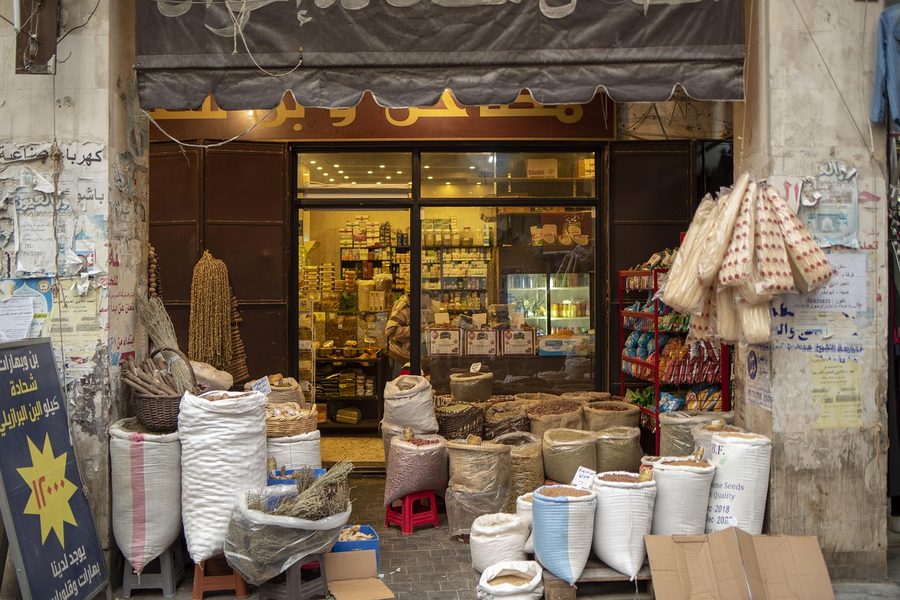
Abroad, look in Middle Eastern, Turkish and Armenian groceries, and expect the spelling to wander: labne, labni, lebni, labaneh. In California, Karoun Dairies sells its labne made from kefir rather than yoghurt, so read the label if you want the classic. In the Philippines, and anywhere the tubs are hard to find, a kilo of plain full-fat yoghurt from the supermarket and a clean cloth will give you better labneh by tomorrow morning than most imports.
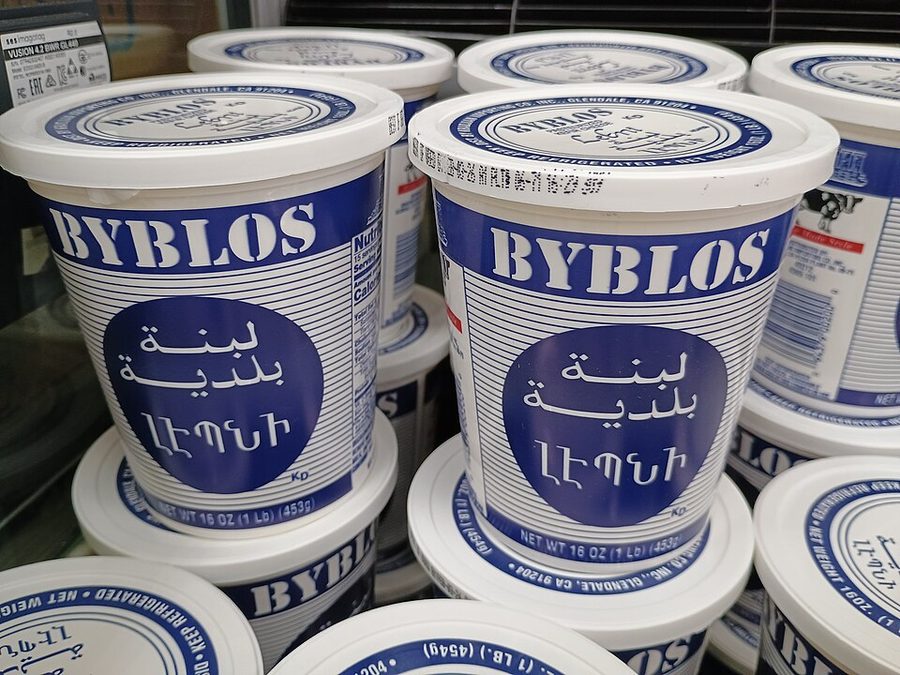
Taking it home is another matter. Labneh is fresh dairy and needs a fridge, and many countries restrict dairy in luggage, so check the rules where you land before you buy; the packing guide covers what usually gets through. A jar of balls in oil travels no better than a tub.
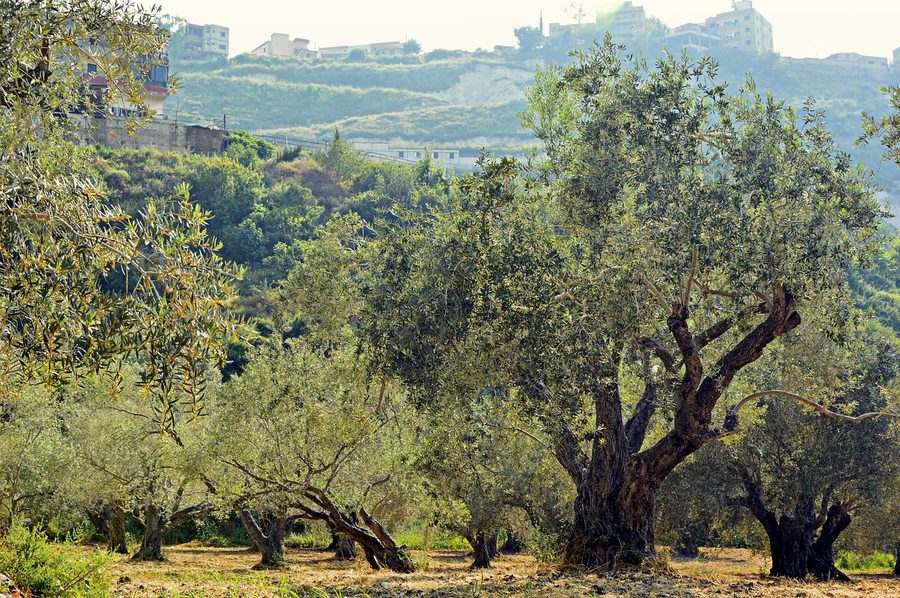
Back to the bowl under the cloth. Next time you strain a kilo, keep going past breakfast: take half out at 12 hours for the table, tie the rest up again and leave it two more days. By the weekend you will have a jar.