Most New Orleans food tours walk the same dozen blocks of the French Quarter and hand you the same four things: a cup of gumbo, a wedge of po-boy, a praline and, somewhere near the river, a beignet under a drift of powdered sugar. That is not a complaint. Those four are the right four for a first afternoon, and a good guide will tell you why the gumbo is dark, why the bread shatters and why the praline is fudge, not brittle.
The trouble starts on day two. The city eats far beyond the Quarter, in the Garden District and along Magazine Street, in the Marigny and the Bywater, in Treme and Mid-City, and the best food tours now go there too, with smaller groups, longer stops and food that adds up to a full meal. Some are built around cocktails, some around doughnuts, one is entirely vegan and one is on a bicycle.
So the useful question is not which tour is best. It is which part of the city you want to eat, at what time of day, and whether you want a guide, a chef or nobody at all. Answer that, and the choice mostly makes itself.
Contents 10 parts
- 01What New Orleans eats, and what to order
- 02Where the tours walk
- 03Walking tour, sweets walk, cocktail walk or class?
- 04The French Quarter: the classics, cocktails and a vegan walk
- 05A class in the Quarter
- 06The Garden District and Magazine Street
- 07The Marigny and the Bywater
- 08When to go: heat, Mardi Gras and Jazz Fest
- 09Eating the same ground on your own
- 10Booking, tipping and what to bring
What New Orleans eats, and what to order
New Orleans cooking gets filed under “Cajun and Creole”, which is two different things. Creole is the city’s cooking: French and Spanish colonial kitchens, West African and Caribbean cooks, then Sicilian, German and Irish immigrants, with butter, tomatoes and cream on the table. Cajun is the country cooking of Acadiana, the French-speaking prairie and bayou parishes west of the city, built on smoked pork, rice and whatever the swamp gave up. You will eat both on any tour.
Gumbo
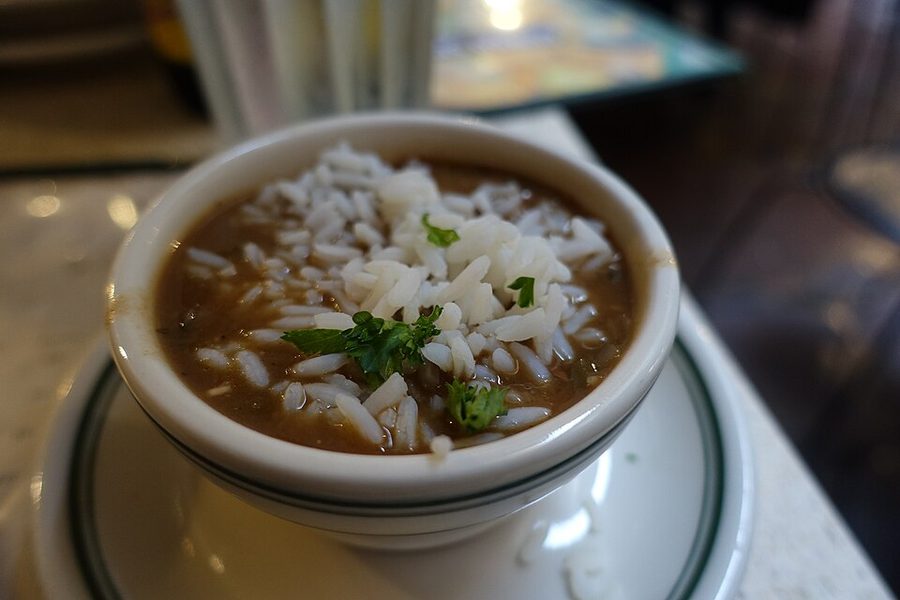
Gumbo starts with a roux, flour cooked in fat until it is the colour of peanut butter or darker, and builds a thick soup on it with the “holy trinity” of onion, celery and green pepper. Seafood gumbo carries shrimp, crab and sometimes oysters; chicken and andouille gumbo is the smoky one. It is thickened either with okra or with filé, ground sassafras leaves, and the word itself is traced either to a West African word for okra or to a Choctaw word for filé. I’d order seafood in the Quarter and chicken and andouille anywhere else.
The standing argument is tomato: Creole kitchens sometimes add it, Cajun cooks mostly refuse. Some families also spoon potato salad into the bowl instead of rice.
Po-boys and the muffuletta
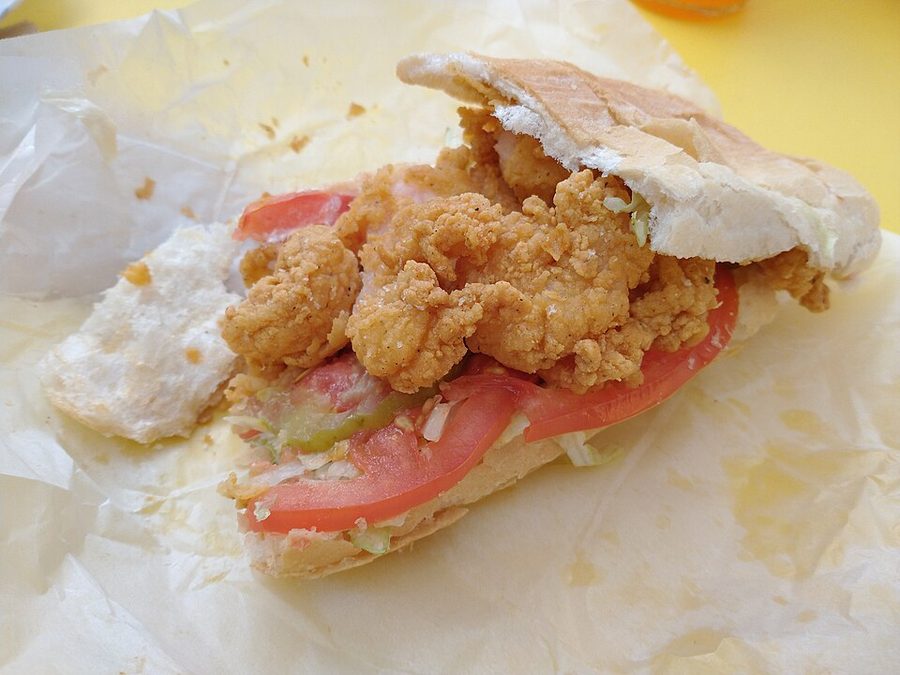
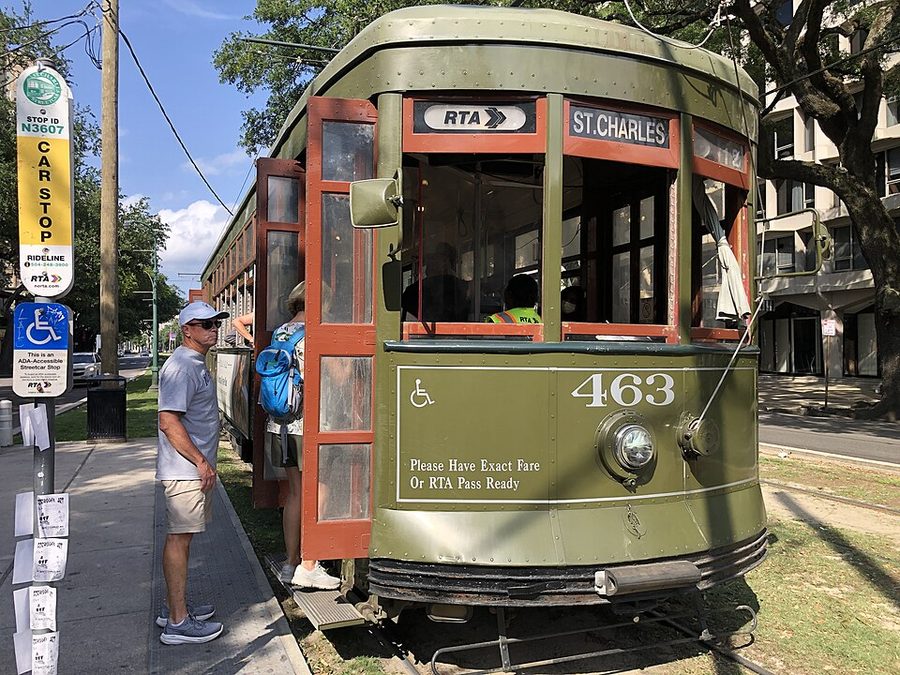
The po-boy is a sandwich on New Orleans French bread, a long loaf with a crust so thin it shatters and a crumb so light it barely registers. The name comes from the 1929 streetcar strike, when Benny and Clovis Martin, former conductors who ran a coffee stand at the French Market, promised free meals to the strikers and fed the “poor boys” with sandwiches on a special long loaf from their baker. The story is told well in the 64 Parishes entry on the po-boy, which also notes the loaf has shrunk from forty inches to about thirty.
Fried shrimp, fried oyster and roast beef with gravy are the classics. Roast beef “debris” means the shreds and juices from the bottom of the roasting pan, and a debris po-boy is as wet as the dipped Italian beef that Chicago food tours build an afternoon around. Ask for it dressed unless you have a reason not to.
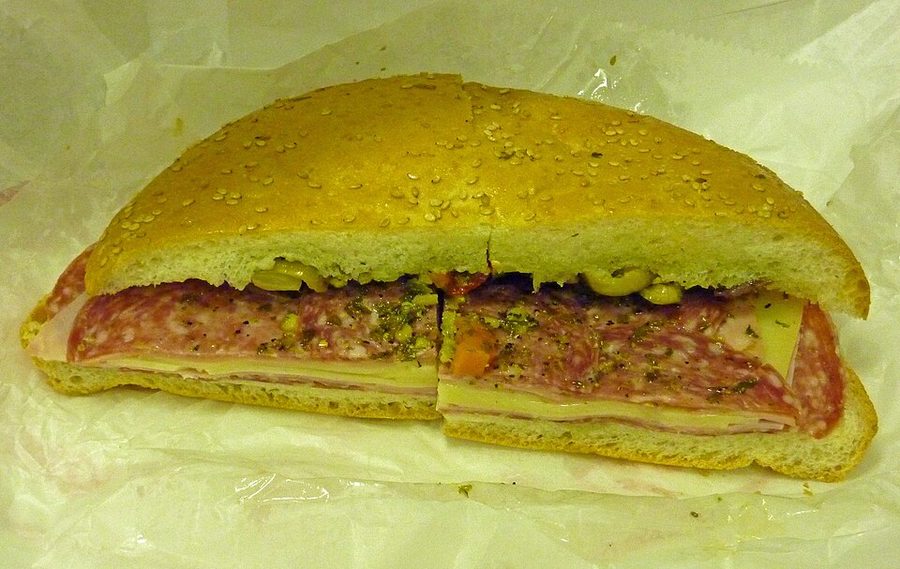
The muffuletta is the city’s Sicilian sandwich: a round, sesame-topped loaf, layers of cured meat and provolone, and a chopped olive salad with celery, carrot and garlic in oil. Central Grocery on Decatur Street says its founder, the Sicilian immigrant Salvatore Lupo, created it after opening the shop in 1906. The Napoleon House serves its muffuletta warm, which purists argue about and everyone eats anyway.
Red beans on Monday, jambalaya any day
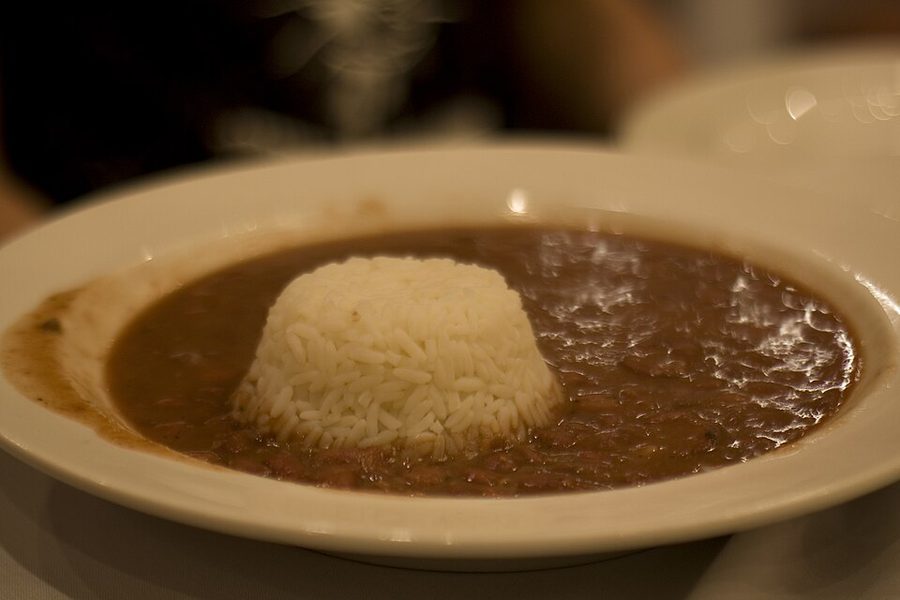
Red beans and rice is the Monday dish. Monday was wash day, Sunday’s ham bone was still around, and a pot of beans could simmer for hours without watching while the laundry got done; Louisiana’s tourism office tells the wash-day story alongside a few rival theories. The beans should be creamy enough to coat a spoon, with smoked sausage on the side. Plenty of restaurants still run them as a Monday special.
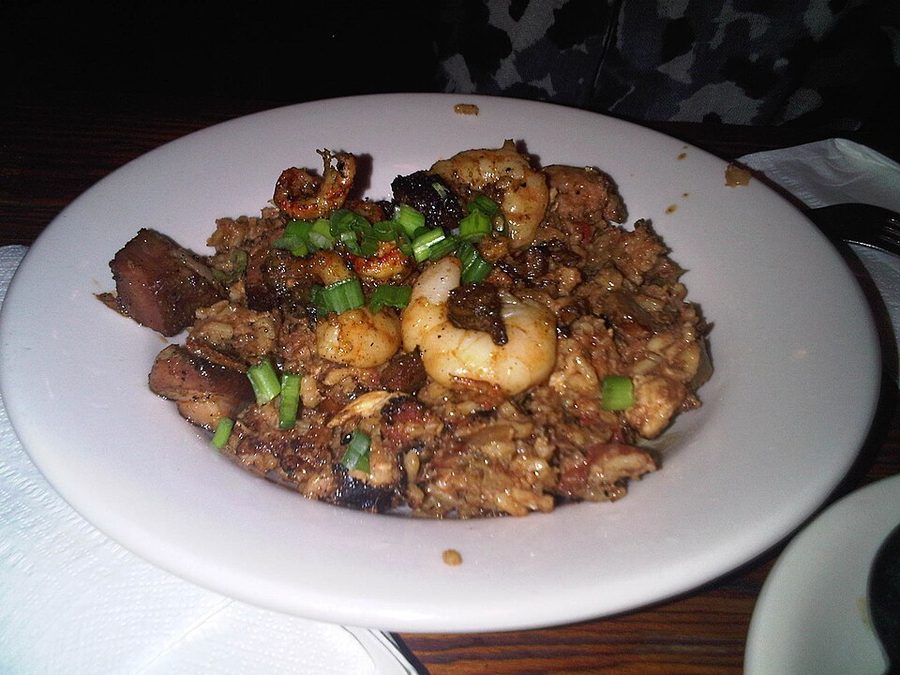
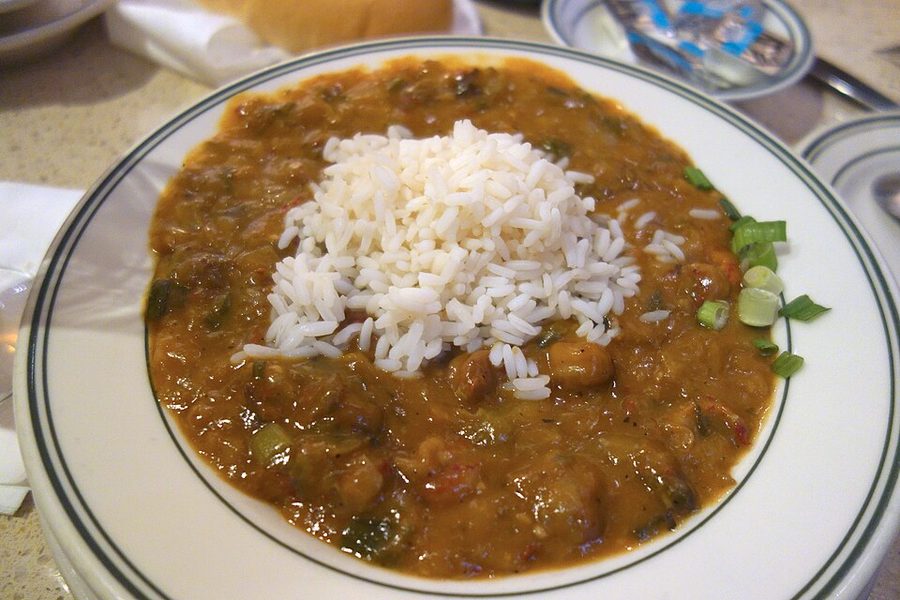
Jambalaya is rice cooked in the pot with the meat, not served under it. Creole or “red” jambalaya takes tomatoes; Cajun or “brown” jambalaya gets its colour from browned meat and onions. Chicken and andouille is the standard, shrimp the city version. Étouffée, shrimp or crawfish “smothered” in a blond roux sauce over rice, is the third rice dish you will meet, and in spring it is usually crawfish.
Beignets, pralines and café au lait
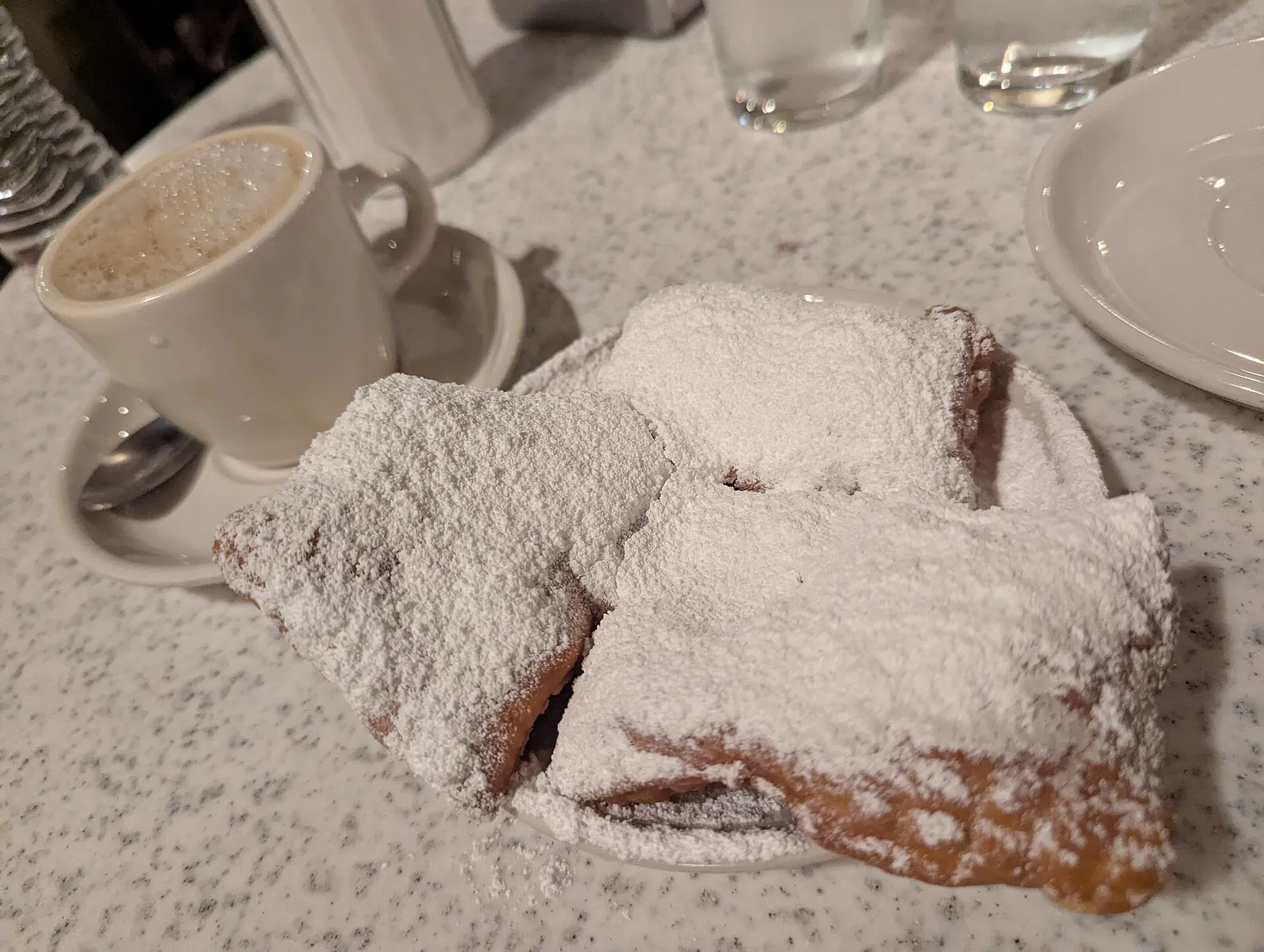
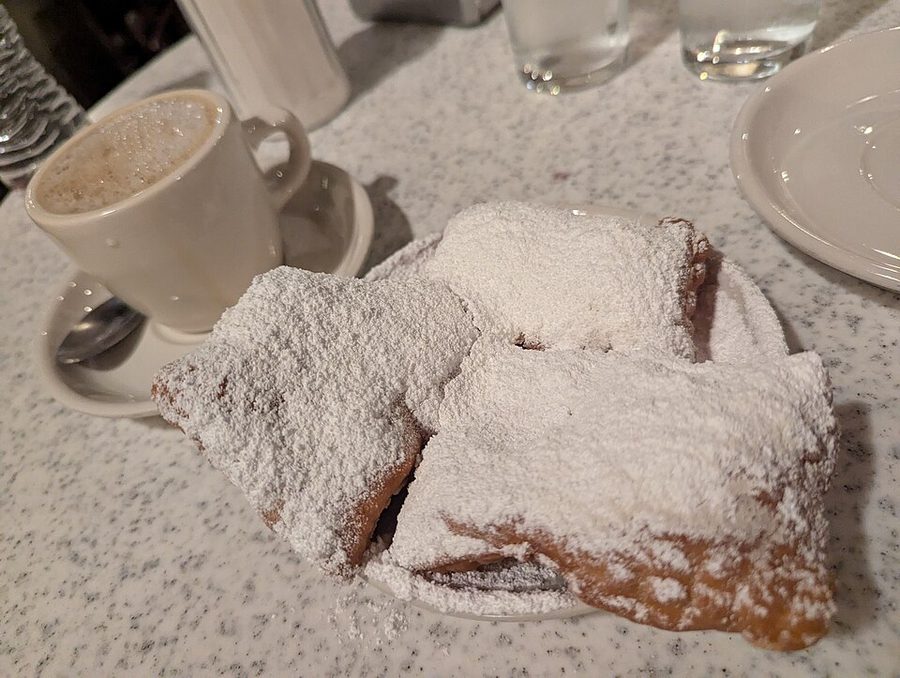
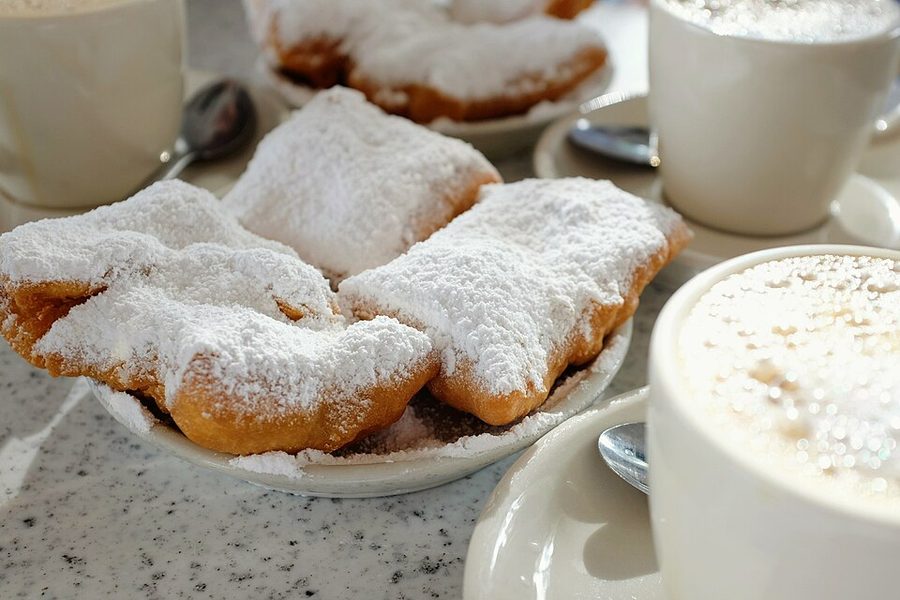
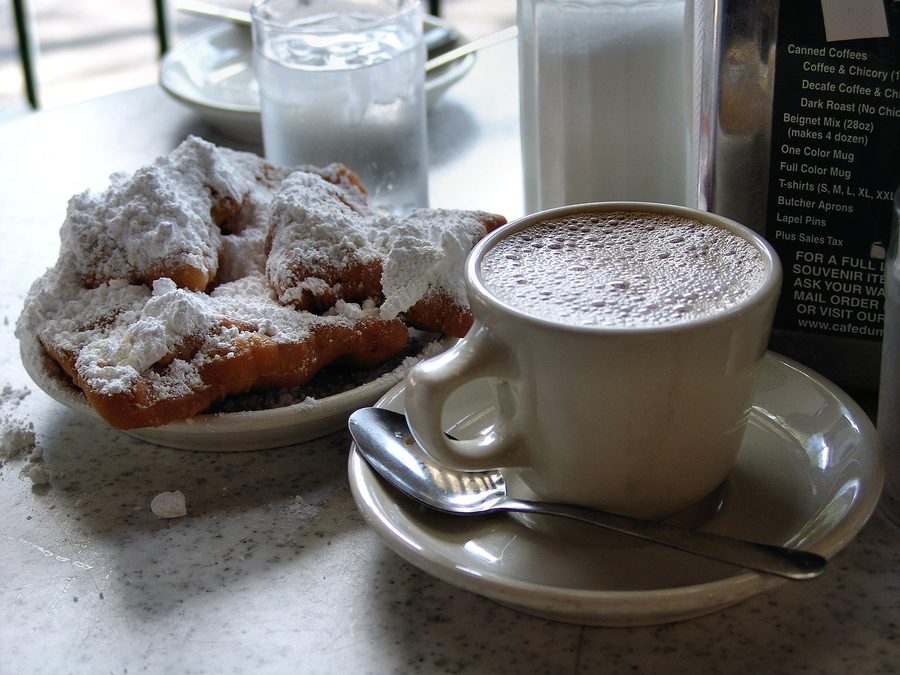
A beignet here is a square of yeasted dough fried until it puffs, then buried in powdered sugar. Café au lait is the drink with it: dark-roast coffee cut with chicory root, which adds bitterness and body, and an equal amount of hot milk. The praline is the third sweet. In New Orleans it is a flat, creamy disc of brown sugar, butter, cream and pecans that sets like fudge, and you say it “PRAH-leen”.
Crawfish, when it is in
Boiled crawfish is a season, not a menu item. Louisiana’s farmed and wild crawfish come in through winter, get plentiful in January and February if the weather stays mild, and carry the city’s spring; an LSU AgCenter crawfish agent’s outlook for the 2026 season lays out how a long freeze can set them back. They are boiled by the sack with cayenne, lemon, garlic, corn and potatoes, then tipped onto a newspaper-covered table and sold by the pound.
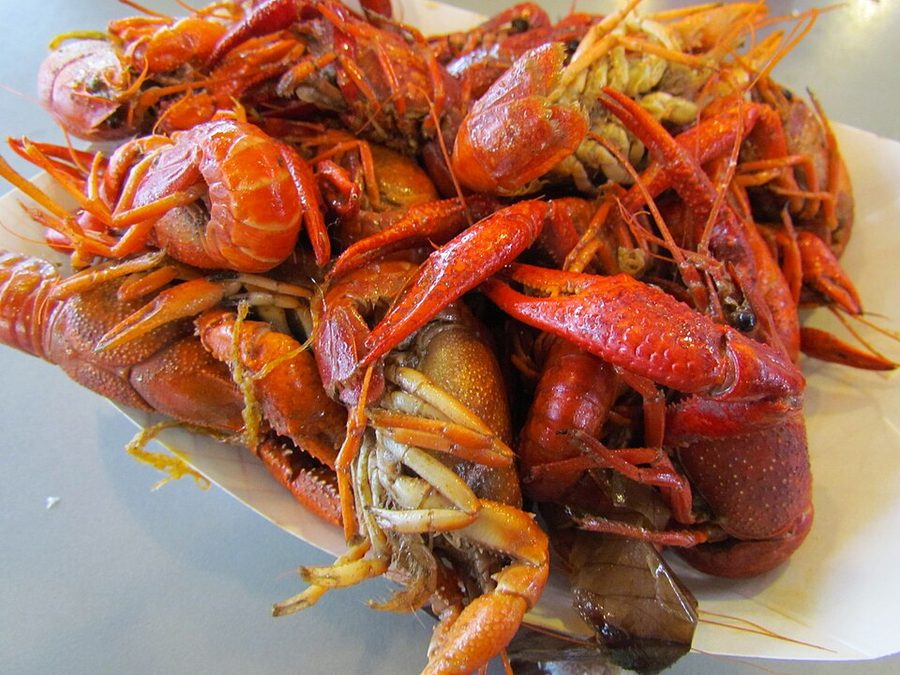
A food tour will not give you a crawfish boil; that is a backyard and bar event. In spring, tours swap crawfish into the étouffée, pies and po-boys instead.
Where the tours walk
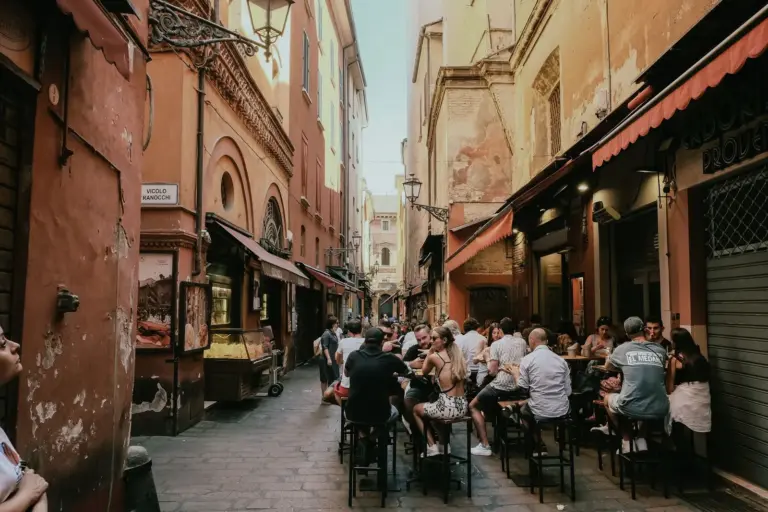
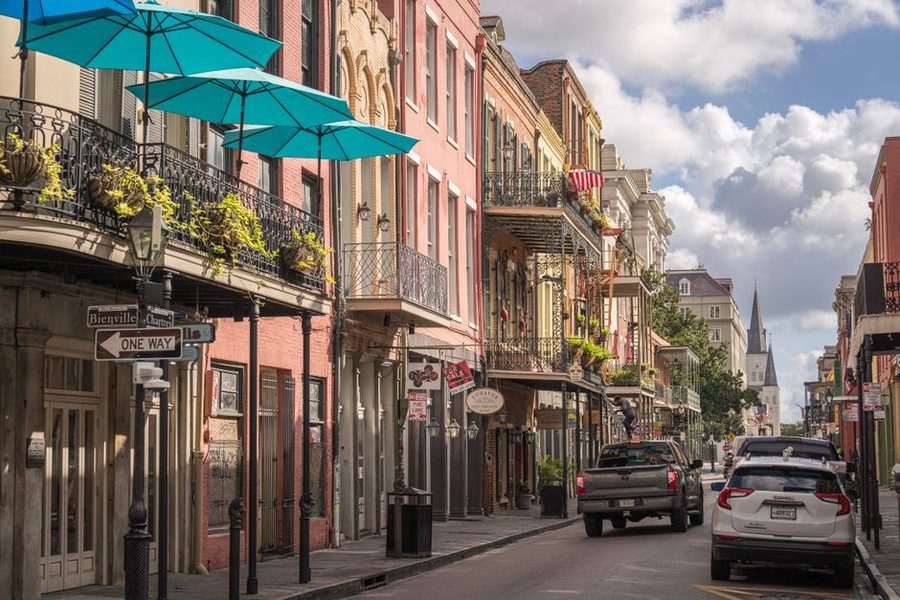
The French Quarter is where most tours begin, and for good reason: the old restaurants, the praline shops and the French Market are within a few blocks of Jackson Square. The French Market has traded on the riverfront since 1791 and is open 10am to 6pm daily. Royal, Chartres and Decatur streets carry most of the food stops; Bourbon Street gets one at most.
The Garden District and Magazine Street are the second food tour neighbourhood. The Garden District is the old American side of the city, laid out in the 1800s with big houses on big lots, and Magazine Street runs along its river edge for miles of cafés, po-boy shops and restaurants. Tours here start near Lafayette Cemetery No. 1 or on Magazine itself and are quieter, longer on walking and shorter on crowds.
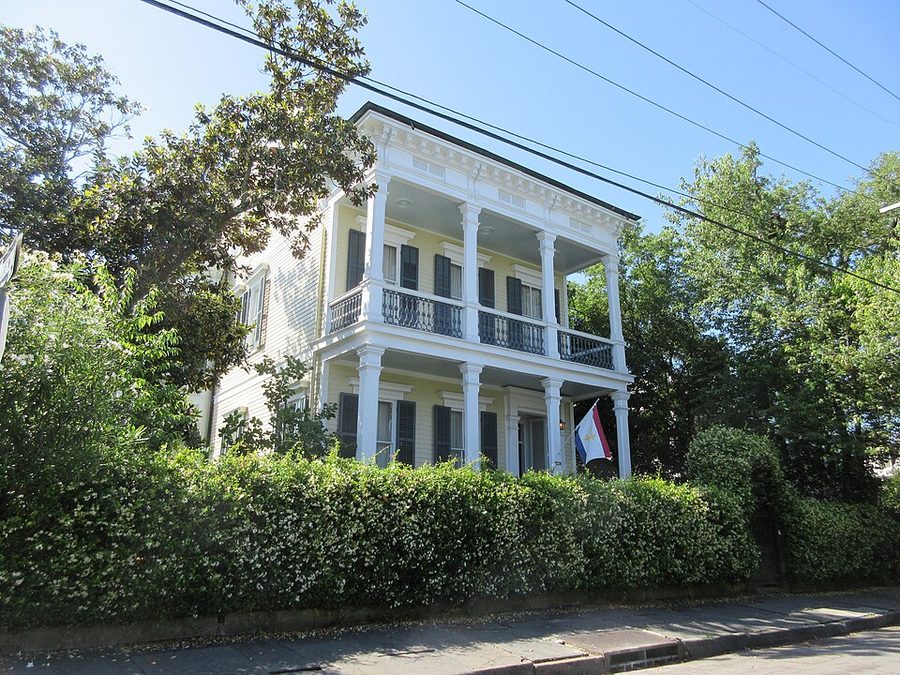
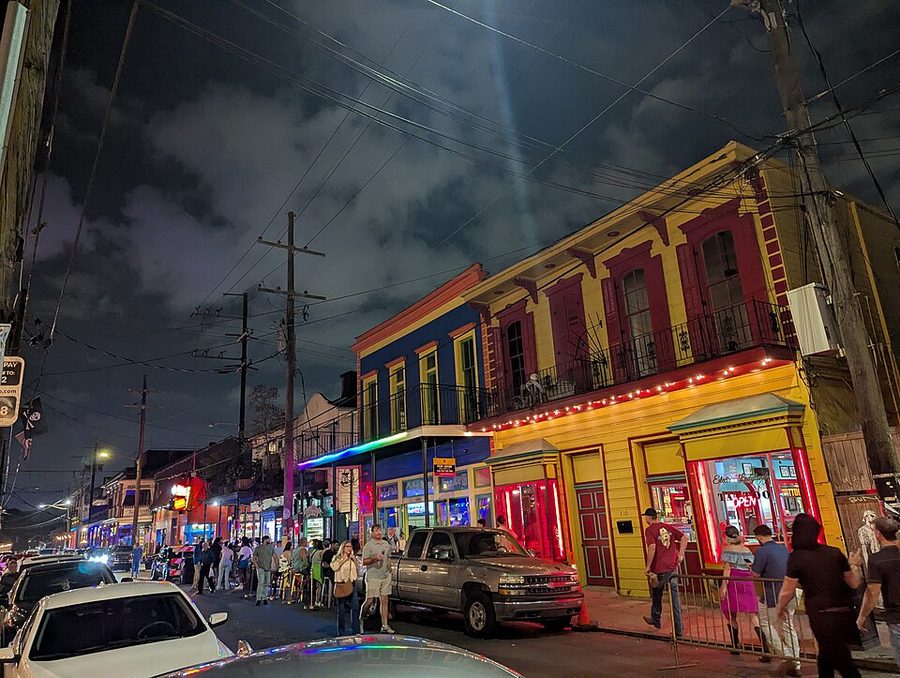
Downriver from the Quarter, the Faubourg Marigny and the Bywater are where the city eats on a Tuesday. Frenchmen Street is the music street, the Bywater has the street art, the breweries and the newer kitchens, and St. Claude Avenue runs along the top of both. Tours here are fewer, smaller and more about neighbourhood life than about famous names.
Treme and Mid-City, north of the Quarter, have the Creole restaurants and po-boy shops most visitors miss: Dooky Chase’s on Orleans Avenue and Parkway near Bayou St. John are both there. No food tour on this list goes deep into either, which is the best argument for the on-your-own section below.
Walking tour, sweets walk, cocktail walk or class?
A standard walking food tour is three hours, four to six stops and enough food for a meal, at US$85 to US$160 per person. It is the right first move on a short trip: you learn what good gumbo tastes like and which dishes you want again. The French Quarter versions are the most polished and the most crowded; the neighbourhood ones are smaller.
The variants each fix a specific problem. A cocktail-and-food walk suits a group that would have spent the evening in bars anyway, and is 21-plus. A sweets walk is two hours and suits a morning. A demonstration class is the cheapest seat in town for a full Creole lunch and a lesson in roux, and it is air-conditioned, which in July is worth a lot.
Group size matters more than the menu. Several tours here cap at nine or ten people, so the restaurant can plate full portions instead of tasting spoons. If someone in your party is vegan, gluten-free or allergic to shellfish, read each tour’s limits: the vegan tour cannot do gluten-free, and two neighbourhood tours cannot do vegan at all.
The French Quarter: the classics, cocktails and a vegan walk
New Orleans Food Walking Tour of the French Quarter with Small-Group Option
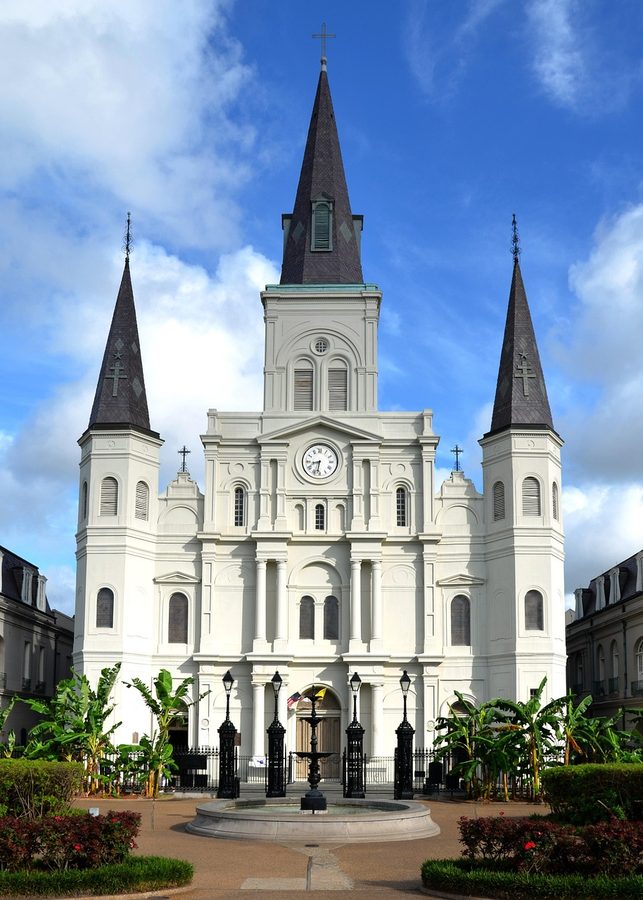
This is the classic first-day tour, run by Destination Kitchen. It meets at Roux Royale on the corner of Royal and Toulouse streets and walks three hours through the Quarter, stopping at restaurants and specialty food shops for tastings the operator says add up to a meal. The sample menu runs to seafood gumbo, alligator sausage, oysters, boudin beignets (fried balls of Cajun pork-and-rice sausage), Creole brisket, po-boys, jambalaya and pralines, and the walk passes Café du Monde along the way.
It suits a first-time visitor who wants the canon in one go, and families: there is no alcohol included, though you can buy a Pimm’s Cup at the stops. Ask the guide about restaurants you are curious about; the route is flexible. Groups go up to 18, and a paid small-group upgrade cuts that down.
From US$85 per person (November 2026). New Orleans Food Walking Tour of the French Quarter with Small-Group Option
from US$85Dates and prices
New Orleans Cocktail and Food History Tour
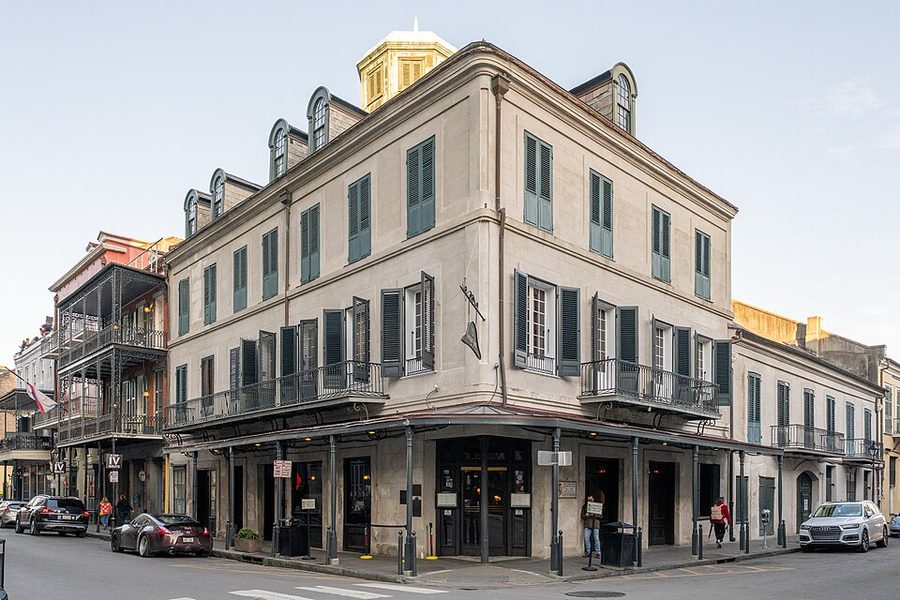
Doctor Gumbo Tours runs this one as a four-hour afternoon walk with up to six dishes and four full-size drinks, and the history is the frame: colonial Louisiana at the first stop, Cajun influence at the second, the immigrant city at the third. It starts at 2pm inside Red Fish Grill on Bourbon Street with seafood gumbo made with alligator sausage and a Hurricane, then goes to a hot sauce shop for unlimited tastings and a bottle to take home.
The middle of the tour is a seated stop at the Napoleon House for a muffuletta, chicken and andouille jambalaya and a Pimm’s Cup, followed by pralines and bacon pecan brittle at Leah’s Pralines. It ends at Cane & Table on Decatur Street with fried plantains and a classic daiquiri. It is 21-plus, tops out at 16 people, has a vegetarian option on request and no gluten-free, dairy-free or vegan one.
From US$160 per person (November 2026). New Orleans Cocktail and Food History Tour
from US$160Dates and prices
Vegan French Quarter Food Tour of NOLA cuisine
New Orleans cooking leans hard on pork, butter and shellfish, so a vegan visitor usually eats sides. This three-hour tour by New Orleans Secrets fixes that with a full vegan meal, not tasting spoons: the sample menu includes a vegan po-boy, vegan pralines and plant-based versions of Southern dishes from locally owned kitchens. It meets outside Ayu Bakehouse at 801 Frenchmen Street, stops on Frenchmen at a place the guide keeps as a surprise, and ends at or near the French Market.
Groups are capped at nine. One vegan beer or a soda is included, and restaurant gratuities are paid; the guide’s tip is not. It cannot handle gluten-free diets or nut allergies, so check before you book if either applies.
From US$149 per person (November 2026). Vegan French Quarter Food Tour of NOLA cuisine
from US$149Dates and prices
A class in the Quarter
New Orleans Demonstration Cooking Class with Meal
The New Orleans School of Cooking has taught Louisiana cooking since 1980 in an early-1800s molasses warehouse at 524 St. Louis Street. The demonstration is a seated class: a chef cooks at the front, explains roux, the trinity and the Cajun-Creole split, and you eat everything made. The sample menu is corn and crab bisque, gumbo, jambalaya and shrimp or chicken Creole, with pralines, and beer, iced tea and coffee are included.
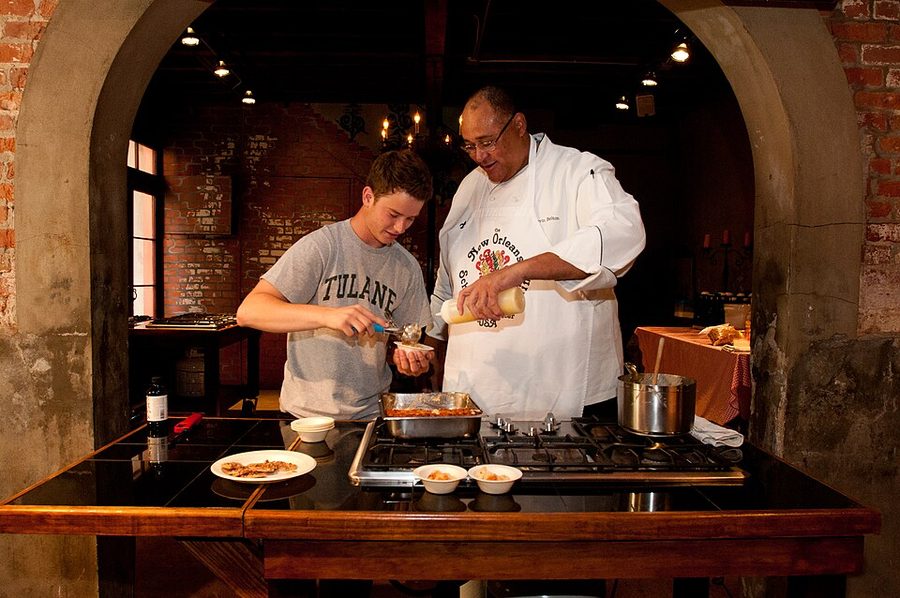
It is wheelchair accessible, open to all ages, and you take the recipes home. Dishes cooked in front of you cannot be changed, but for a small charge at check-in a vegan, gluten-free and nut-free gumbo z’herbes and Creole z’herbes are served instead. The school also runs a three-hour hands-on class for ten people, 18 and over, at US$149.
From US$45 per person (November 2026). New Orleans Demonstration Cooking Class with Meal
from US$45Dates and prices
The Garden District and Magazine Street
New Orleans Garden District Food and History Tour
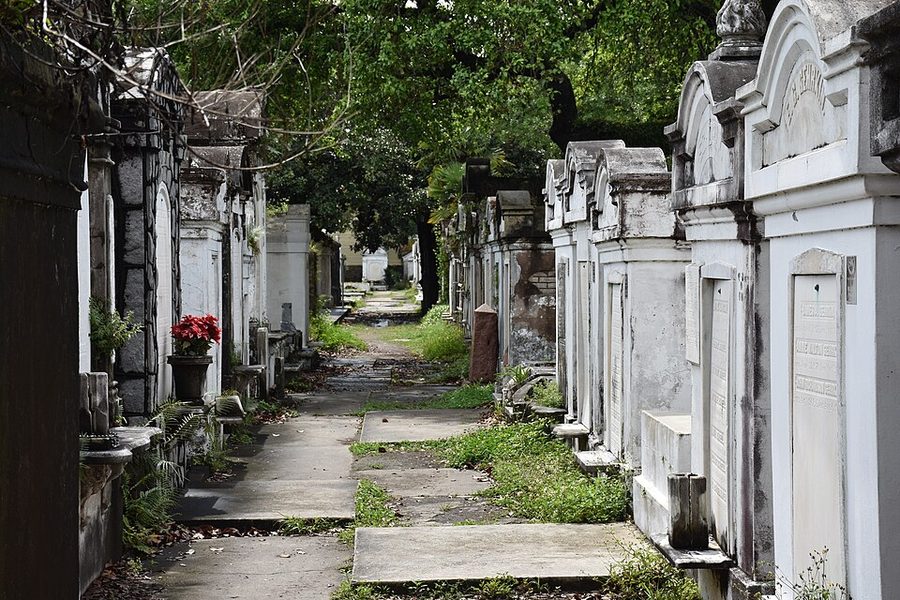
Bon Moment NOLA starts this one at 10am on the corner of Washington Avenue and Coliseum Street, outside Commander’s Palace (not inside it), with half an hour at Lafayette Cemetery No. 1 on the city’s burial customs. Then it walks about eight blocks through the Garden District to Magazine Street, eating as it goes, and finishes at The Vintage on Magazine. Three hours, groups up to 14.
The sample menu reads like a tour of the city’s cooks: gumbo, étouffée or muffuletta empanadas to start, red beans, jambalaya or eggplant Napoleon as a main, and a modern take on beignets and café au lait at the end. It is one of the few tours that says it can handle most allergies and diets, gluten-free and vegetarian included, with 48 hours’ notice.
From US$98 per person, with youth rates (November 2026). New Orleans Garden District Food and History Tour
from US$98Dates and prices
Magazine St Foodie Tour: 9 guests or less
New Orleans Secrets runs this as a full meal in five restaurant stops along Magazine Street, over about three hours, with portions rather than samples. It meets at Mahony’s Po-boys at 3454 Magazine Street and ends near Sucré on Magazine. The sample menu is gumbo, house-made potato chips or pickles, red beans and rice, and a po-boy or muffuletta, and the restaurants are kept from you until the day.
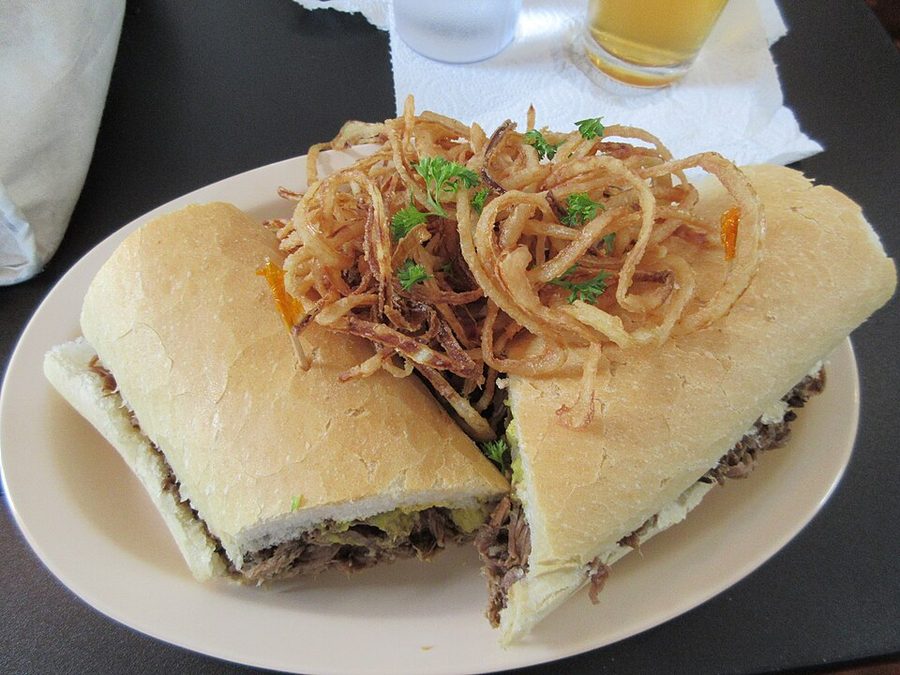
The cap of nine guests is the selling point, and all restaurant gratuities are included. The limits are real: no gluten-free, vegan, kosher or low-salt diets, and nothing for anyone with a severe shellfish allergy. Vegetarians and pescatarians can join with notice.
From US$149 per person (November 2026). Magazine St Foodie Tour: 9 guests or less
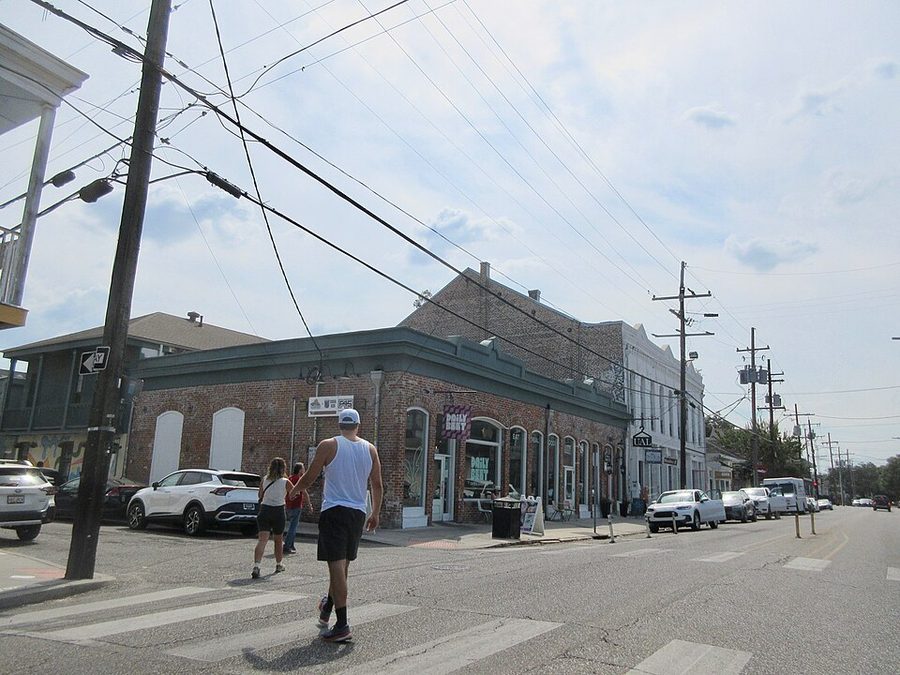
from US$149Dates and prices
New Orleans Sweet Treats Food Tour: Beignets, Donuts, & Much More
Underground Donut Tour’s two-hour sweets walk is the one to book for a morning. It meets at PJ’s Coffee at 2140 Magazine Street for beignets, crosses to District Donuts Sliders Brew, walks up Magazine into the Irish Channel past shotgun houses to Ruby Slipper Uptown, and finishes at The Vintage, near the Garden District, with one last sweet. About 20 minutes at each stop.
It suits families and anyone who wants the beignet without the Café du Monde queue, and it is stroller accessible. Groups go up to 20. Go hungry and skip breakfast; four sweet stops in two hours is a lot of sugar.
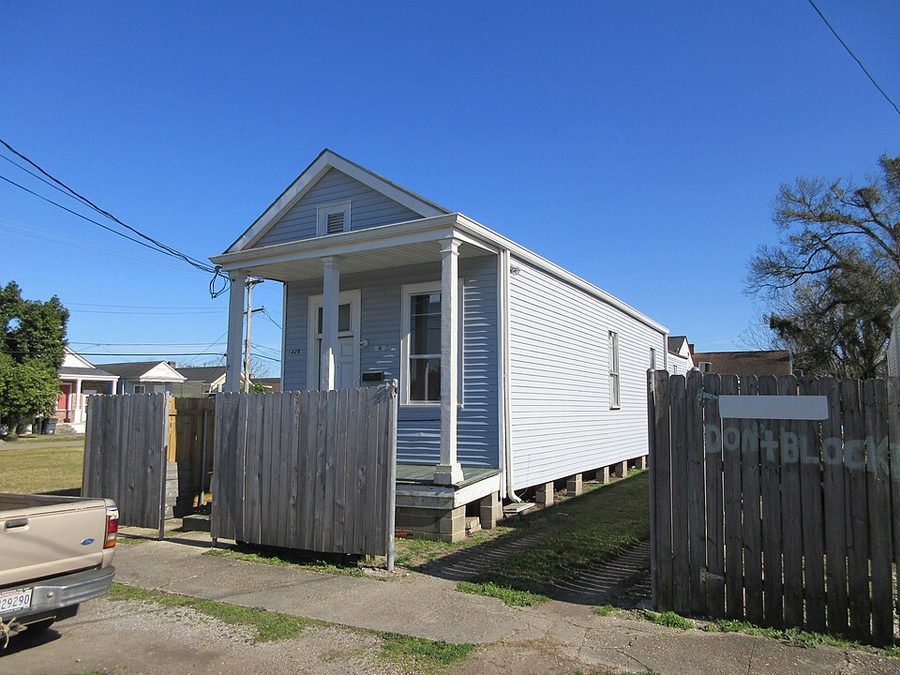
From US$70 per person (November 2026). New Orleans Sweet Treats Food Tour: Beignets, Donuts, & Much More
from US$70Dates and prices
The Marigny and the Bywater
New Orleans Marigny Bywater Food & History Tour
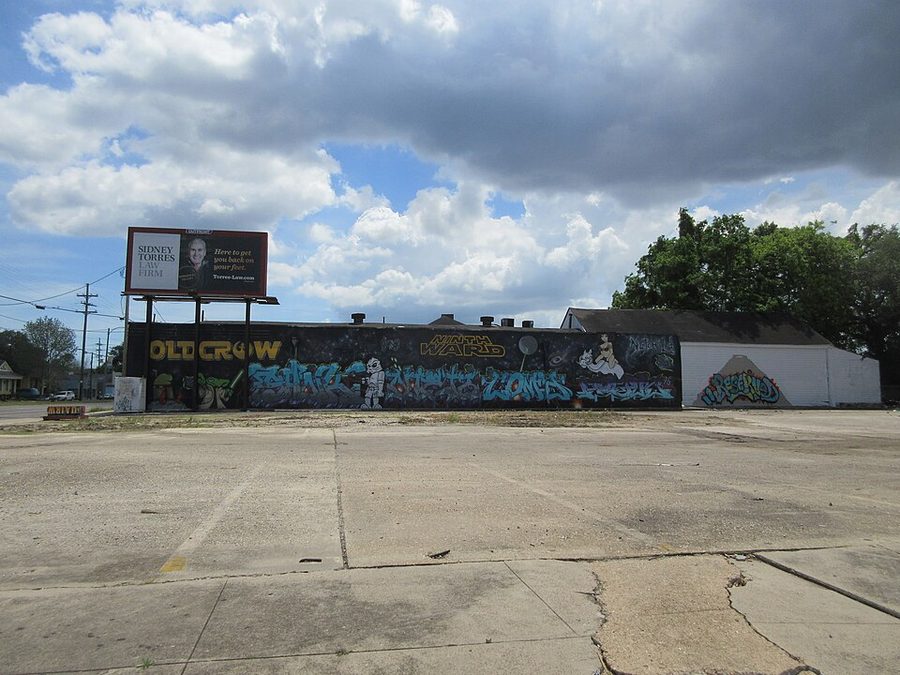
Bon Moment’s second tour is the one for the Bywater, and it is built around a full lunch at three stops with drinks included. It starts at 1pm at the Plessy v. Ferguson marker on Homer Plessy Way at Royal Street, where Homer Plessy’s 1892 arrest on a train began the case, and the guide uses it to explain who the city’s Creoles of colour were. Then comes about a mile of walking.
The food is the neighbourhood’s own: a po-boy from a shop with a view of the Mississippi and a local beer, a house-made Bavarian pretzel with beer cheese at a beer garden, and a plate of two house-smoked meats or a flight from a microbrewery, ending at The Joint on Mazant Street. Groups top out at 14. It is not a tour for vegetarians, vegans or anyone avoiding gluten, and it has more stairs and uneven pavement than the Quarter tours.
From US$98 per person, with youth rates (November 2026). New Orleans Marigny Bywater Food & History Tour
from US$98Dates and prices
New Orleans Culinary Bike Tour
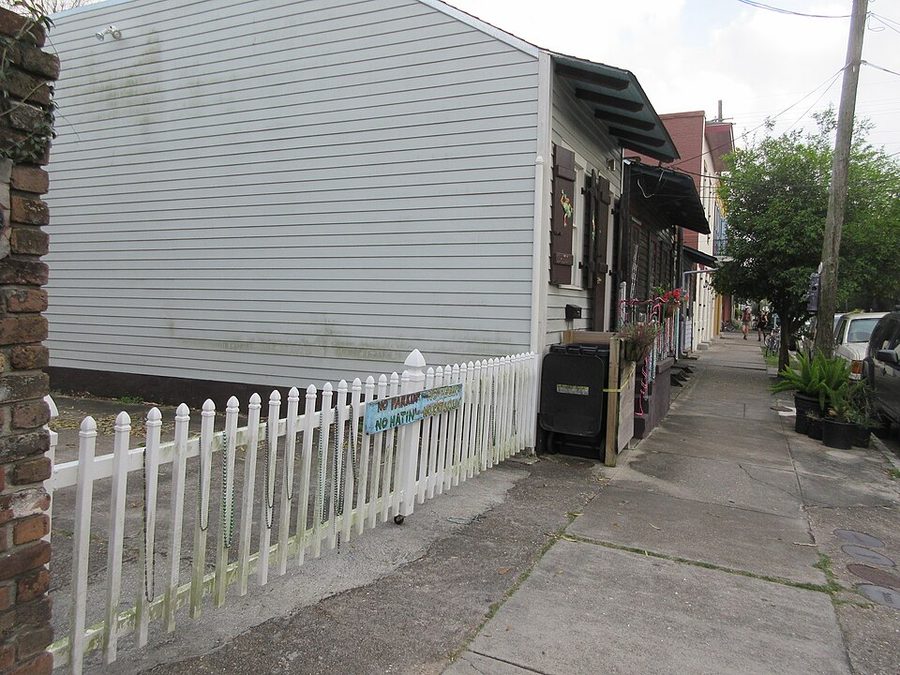
A Street Tour Named Desire runs this three-hour ride from its shop at 634 Elysian Fields Avenue, on the edge of the Marigny. You start under the oaks of a nearby park, ride through the old downriver neighbourhoods and stop at three places the guides eat at themselves; the operator calls the food brunch or lunch depending on the hour. A bike covers three or four times the ground of a walking tour, which is the point.
Arrive ten minutes early for bike fitting. The maximum is ten riders, and the company asks for allergies and diets before booking rather than on the day. New Orleans is flat, but you will share the road; this is for people who already ride.
From US$114 per person (November 2026). New Orleans Culinary Bike Tour
from US$114Dates and prices
When to go: heat, Mardi Gras and Jazz Fest
October, November and February to May are the walking months. Summer runs hot and wet from June to September, with afternoon storms most days, and hurricane season officially lasts from June 1 to November 30. In summer, book a morning tour, wear a hat, carry water and pick a tour with indoor stops; a three-hour afternoon walk in August is an endurance event with gumbo.
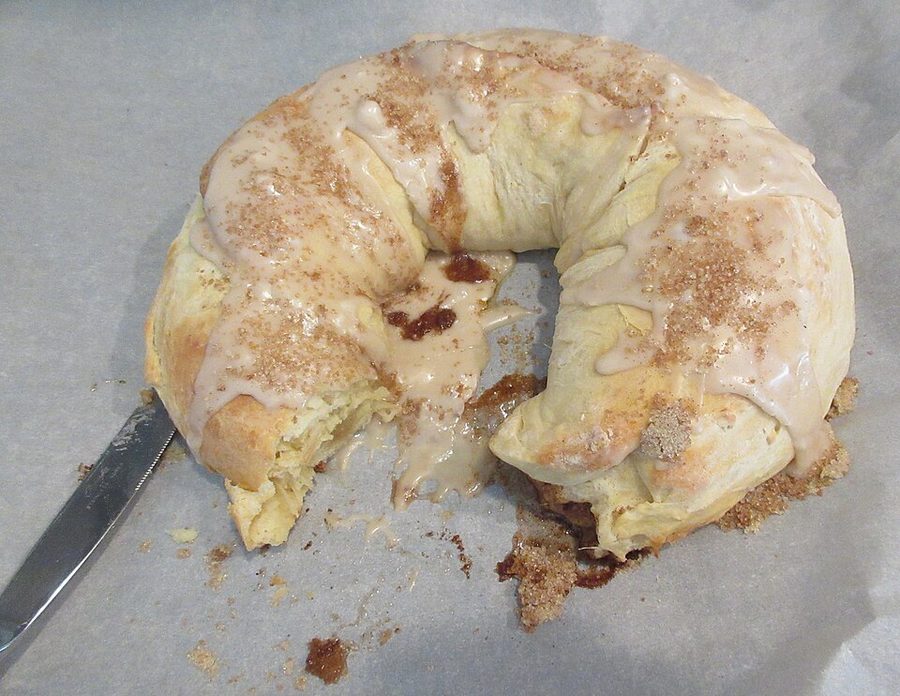
Mardi Gras is the other thing to plan around. Fat Tuesday falls on February 9 in 2027, and for the two weekends before it parades close streets, fill restaurants and reroute tours, especially along St. Charles Avenue in the Garden District. King cake, a ring of brioche-like dough with cinnamon, purple, green and gold sugar and a small plastic baby hidden inside, is sold from Twelfth Night on January 6 until Mardi Gras, and a January tour may well include a slice.
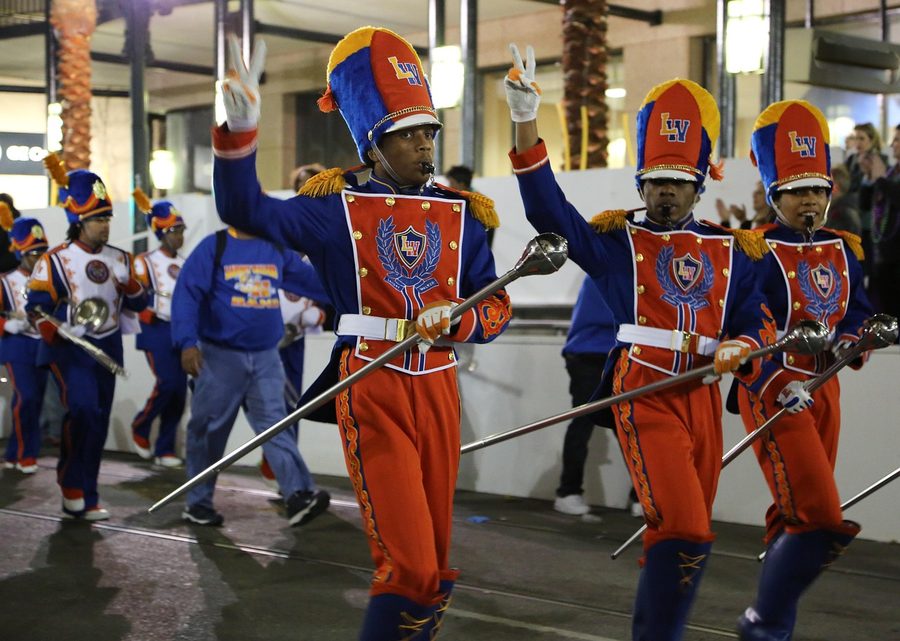
The New Orleans Jazz & Heritage Festival runs from April 22 to May 2, 2027, at the Fair Grounds Race Course, and its food stalls are a reason to go in themselves: crawfish dishes, po-boys, Cajun and Creole stands. Hotels and restaurants fill for both festivals, so book tours early or pick the weeks between.
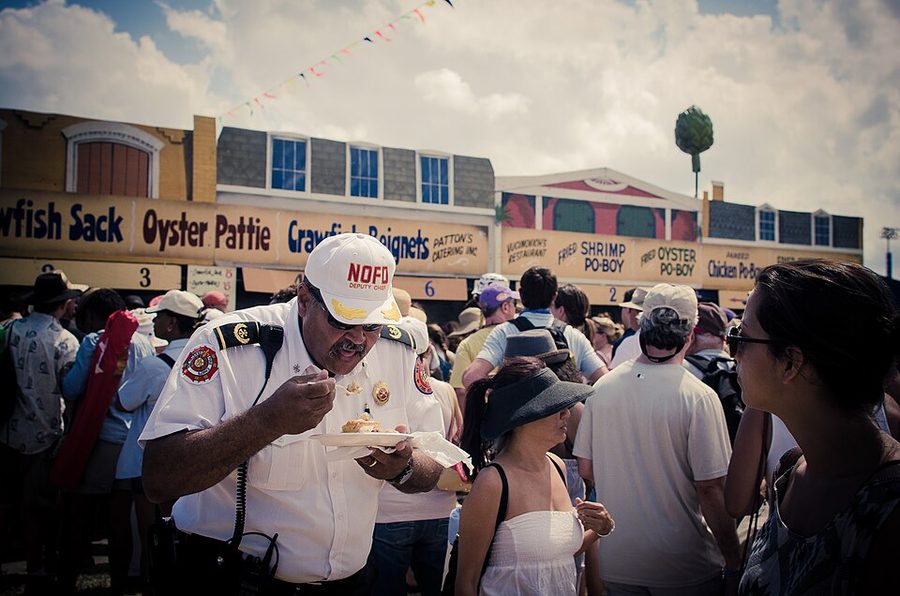
Time of day matters as much as month. Sweets tours run in the morning, most walking tours land on lunch, and the cocktail tour starts at 2pm; I would leave the evening free after that one.
Eating the same ground on your own
Every tour above can be done without a guide if you know where to stand. Here are the places that anchor each dish, all shown open within the last year, with the street to find them on.
Beignets: Café du Monde at the French Market, 800 Decatur Street, has been the beignet stand since 1862, and the French Market’s listing gives its hours as 7:15am to 11pm Sunday to Thursday and to midnight on Friday and Saturday. Go before 8am or after 9pm, when the line is shortest.
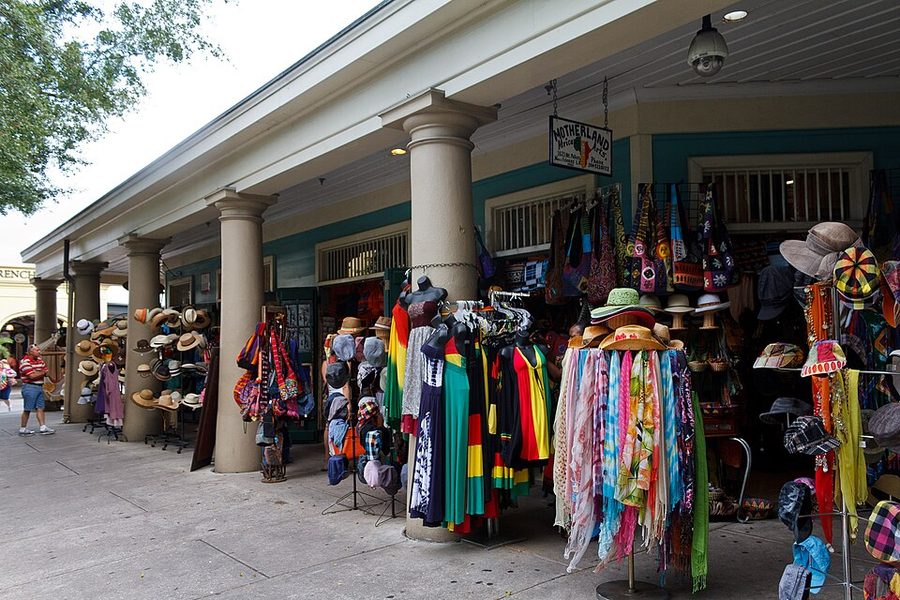
Muffuletta: Central Grocery, 923 Decatur Street, reopened in December 2024 after Hurricane Ida damage and now lists itself open daily from 9am to 5pm. Buy a half, take it to the riverfront benches and eat it there. The Napoleon House at 500 Chartres Street serves the warm version with a Pimm’s Cup.
Gumbo: the Gumbo Shop at 630 St. Peter Street, off Jackson Square, has served gumbo since 1948 in a townhouse built in 1796. Order the seafood gumbo and the chicken andouille gumbo as two cups and compare them; it is the cheapest gumbo lesson in town.
Po-boys: Parkway Bakery and Tavern at the corner of Hagan Avenue and Toulouse Street, by Bayou St. John in Mid-City, has been there since 1911 and opens at 10am. Order the roast beef with gravy and a fried shrimp and split them.
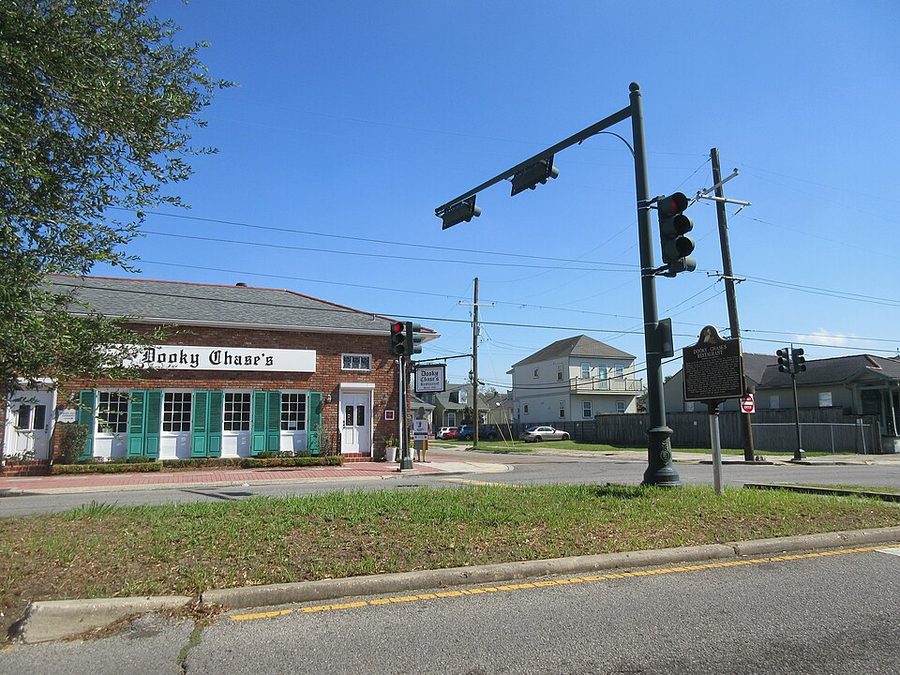
Creole lunch and Monday red beans: Dooky Chase’s Restaurant at 2301 Orleans Avenue in Treme opened in 1941 and serves lunch from 11am to 3pm Tuesday to Friday, and dinner on Friday and Saturday only. For red beans on an actual Monday, St. Roch Market, the 1875 market hall at 2381 St. Claude Avenue, has a Creole counter that runs Red Bean Mondays with cornbread, among stalls selling laksa, dosas and sushi.
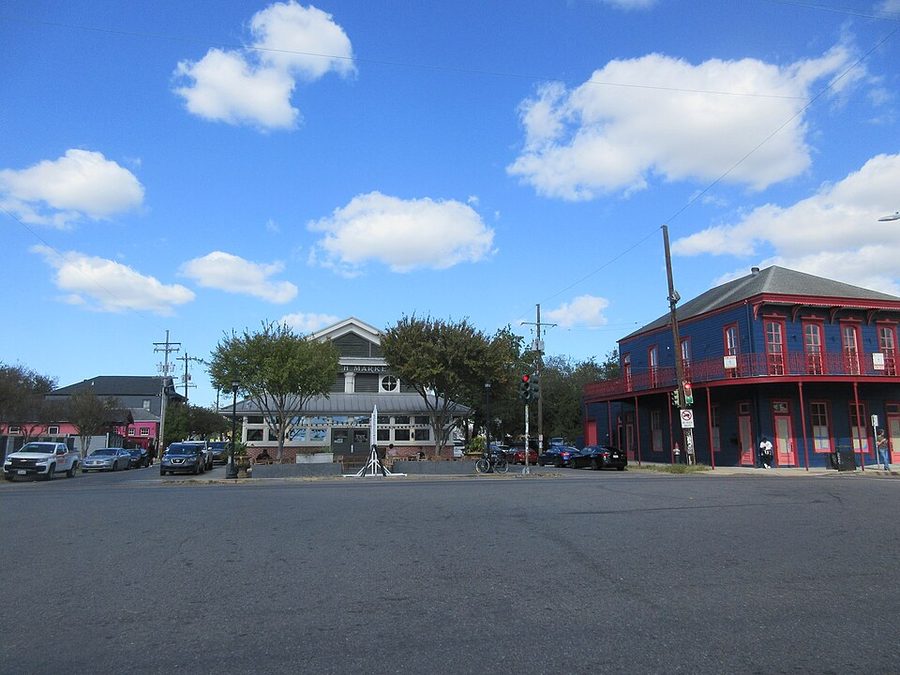
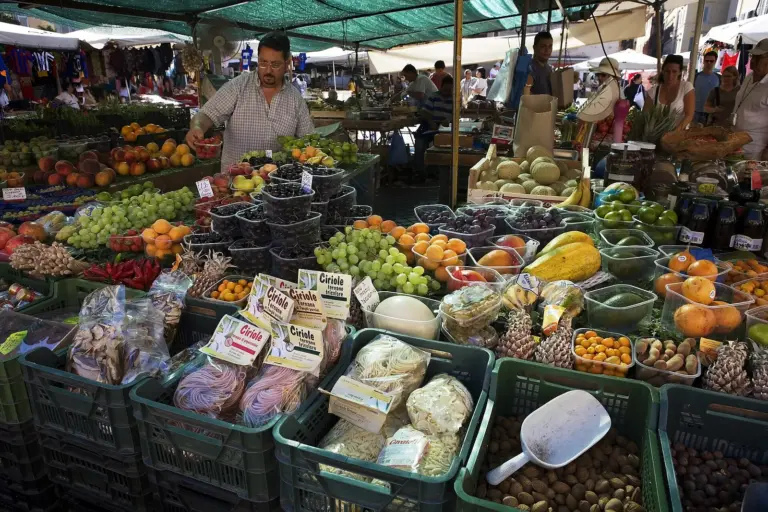
Markets: the Crescent City Farmers Market now runs three weekly markets: Tuesdays Uptown at The Batture, Thursdays in Mid-City at Lafitte Greenway Plaza, and Sundays in City Park. Vendors come from within 200 miles, Louisiana seafood included; they take cash, or wooden market tokens bought with a card at the welcome tent. A Thursday market followed by lunch at Parkway is a good Mid-City afternoon.
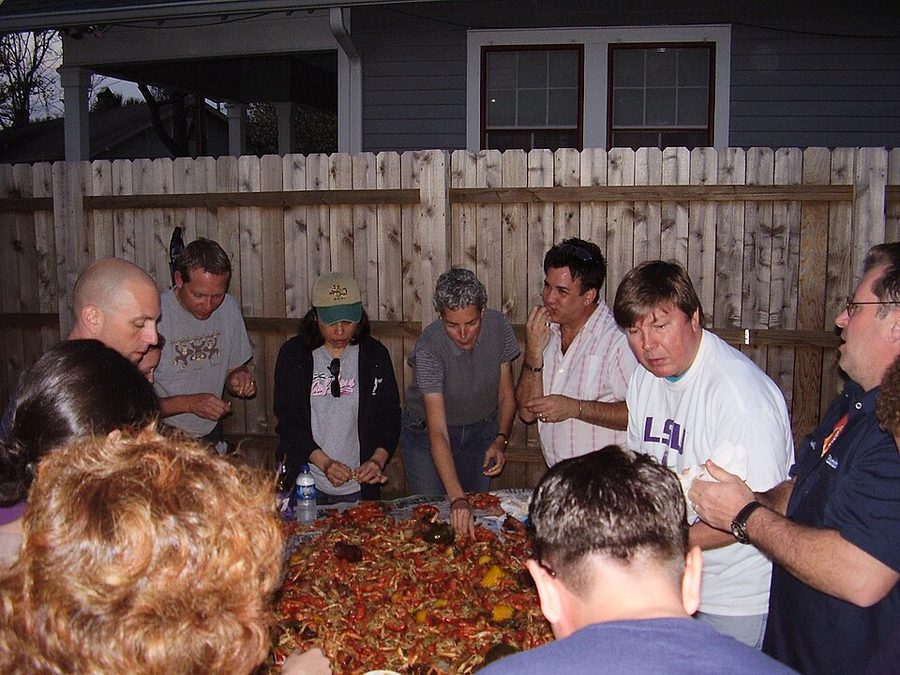
Crawfish: in season, look for chalkboards outside seafood shops and bars reading “boiled crawfish” with a price per pound, mostly from late winter into early summer. Two or three pounds a person is a meal with the corn and potatoes. Out of season, eat it in étouffée and leave the boil for spring.
Booking, tipping and what to bring
Every tour above can be cancelled for a full refund up to 24 hours before it starts. Prices include the food at each stop and, on several tours, restaurant tips and drinks, but none includes a tip for the guide; operators suggest 15 to 20 percent of the ticket. Bring cash for that and for anything extra you want to buy along the way.
Wear shoes for broken pavement; the Quarter’s sidewalks are old and the Bywater’s are worse. Tell the operator about allergies when you book, not at the first stop.
And book the food tour for your first full day, not your last. The point of three hours with a guide is the list you leave with: the gumbo you want again, the po-boy shop worth the streetcar ride, the praline you will carry home in your hand luggage, still soft, wrapped in wax paper.