Most bad meals in Rome are eaten within sight of a monument. The menu is laminated, the carbonara arrives pale with cream, and the man at the door has already chosen you. A good food tour is the quickest cure I know: three or four hours with someone who eats in these streets, and every meal after it gets easier to order.
The city’s food tours divide by ground more than by company. Testaccio, the old slaughterhouse quarter below the Aventine, is a morning neighbourhood built around its covered market. Trastevere wakes up after dark, the Ghetto and Campo de’ Fiori keep the Jewish-Roman frying tradition, and Prati and the Mercato Trionfale are where the streets behind the Vatican do their shopping.
Nine tours and classes cover that ground well, at €56 to €109 a head as listed in November 2026. Book one early in the trip, not on the last night. What it teaches you is worth more on day two than on the flight home.
Contents 7 parts
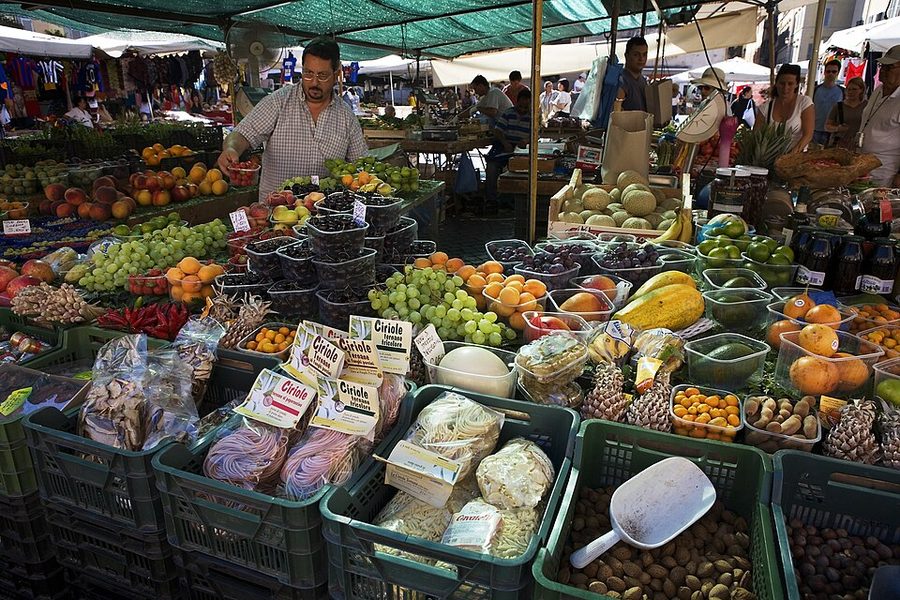
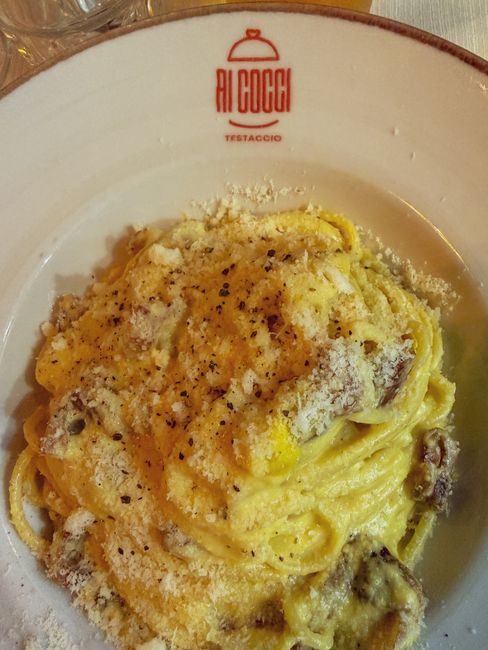
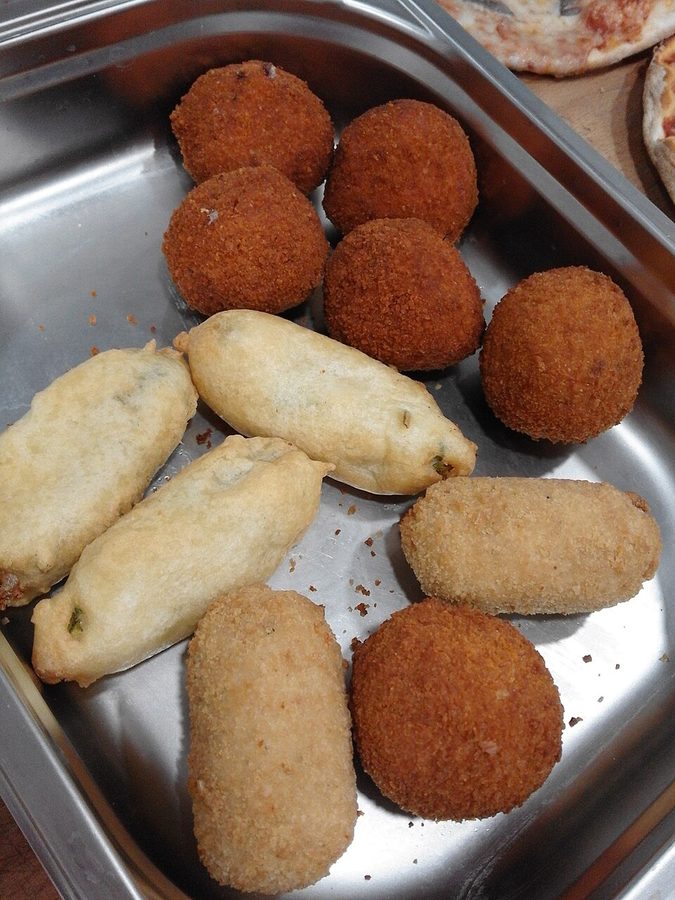
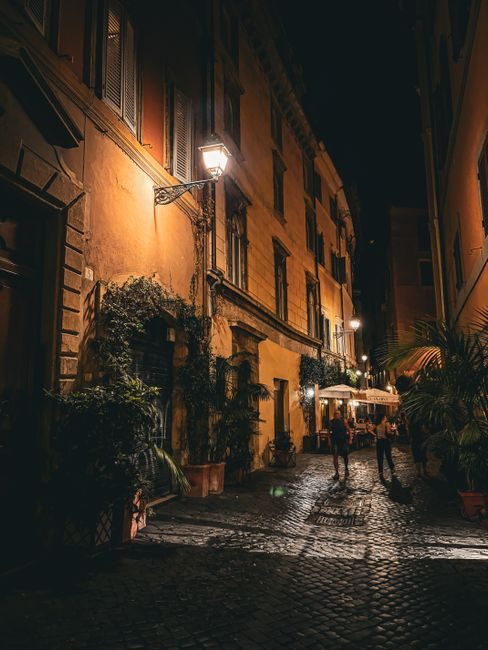
What Rome eats, and what to order
Roman cooking is a short list done well. It is the food of a city of shepherds, butchers and bakers: sheep’s cheese, cured pork cheek, bread, offal, artichokes and whatever the countryside around the city sends in that week. The city tourism board’s history of Roman cooking gives the place of honour to the quinto quarto, the “fifth quarter” of tripe, tail and innards that the better-off left to everyone else.
Learn the names below and you can order from any trattoria board in the city. The walking tours serve most of them.
The four pastas
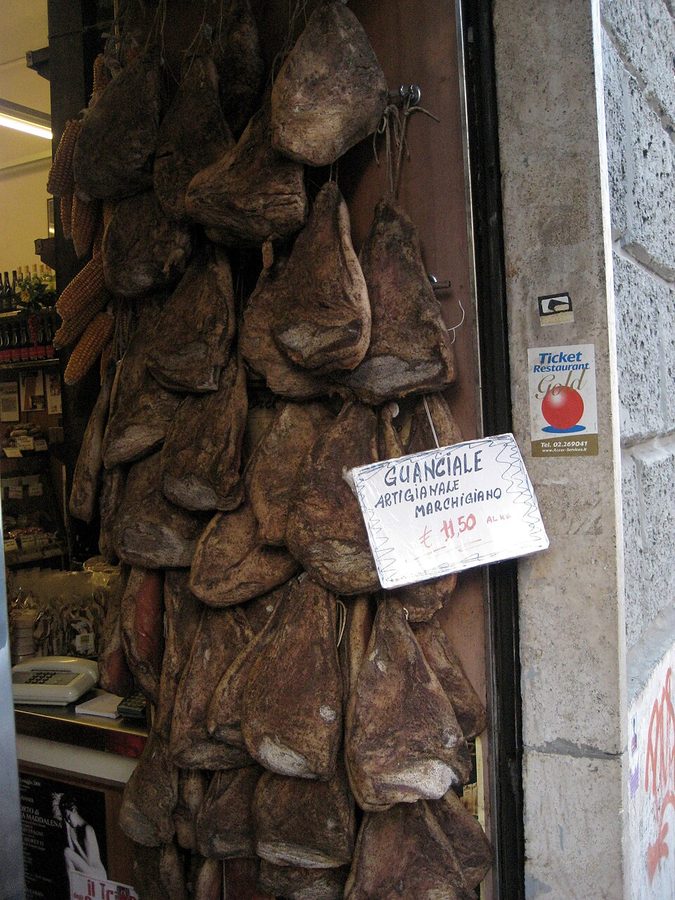
Rome has four pasta dishes that every trattoria makes, and they share most of their ingredients. Guanciale (cured pork cheek), pecorino romano (hard, salty sheep’s cheese) and black pepper are the base. What changes is the last ingredient, or its absence.
- Carbonara: guanciale, egg yolks, pecorino and pepper. Cream is a giveaway that the kitchen is cooking for tourists.
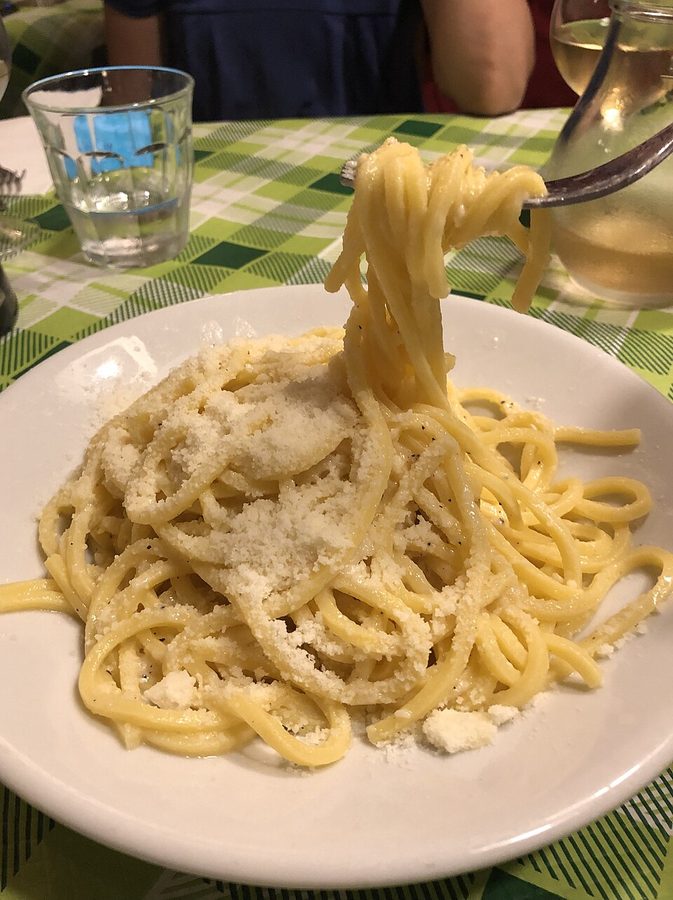
- Cacio e pepe: only pecorino, pepper and starchy pasta water, worked into a glossy sauce. It is the hardest of the four to do well, and it clumps if the cook rushes it.
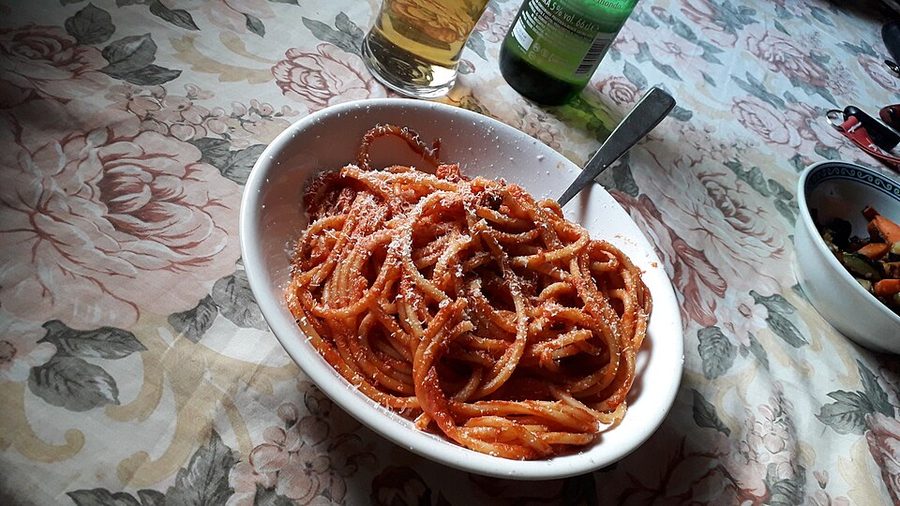
- Amatriciana: guanciale, tomato and pecorino, named after the mountain town of Amatrice. Since 2020 the EU has protected the recipe as Amatriciana Tradizionale, a guaranteed traditional speciality.
- Gricia: amatriciana without the tomato. Guanciale fat, pecorino and pepper, nothing else, and the one I order first in a new place because it hides nothing.
The pasta shape matters less than people think, but it tells you something. The Da Enzo al 29 menu in Trastevere, for example, runs its amatriciana, gricia and carbonara on rigatoni and keeps tonnarelli, a square-cut fresh egg pasta, for the cacio e pepe. A menu that offers all four with fettuccine and cream is not the place.
Fried, sliced and folded
Supplì are Rome’s fried rice croquettes: rice cooked in tomato and meat sauce, cooled, rolled around a cube of mozzarella, breaded and fried. The cheese strings out when you break one, which is why Romans call it supplì al telefono, the strand looking like an old phone cord. The older version, still made in a few places, used chicken giblets instead of minced meat.
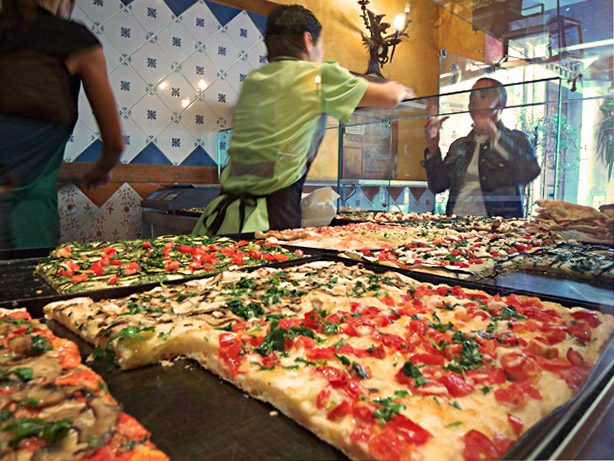
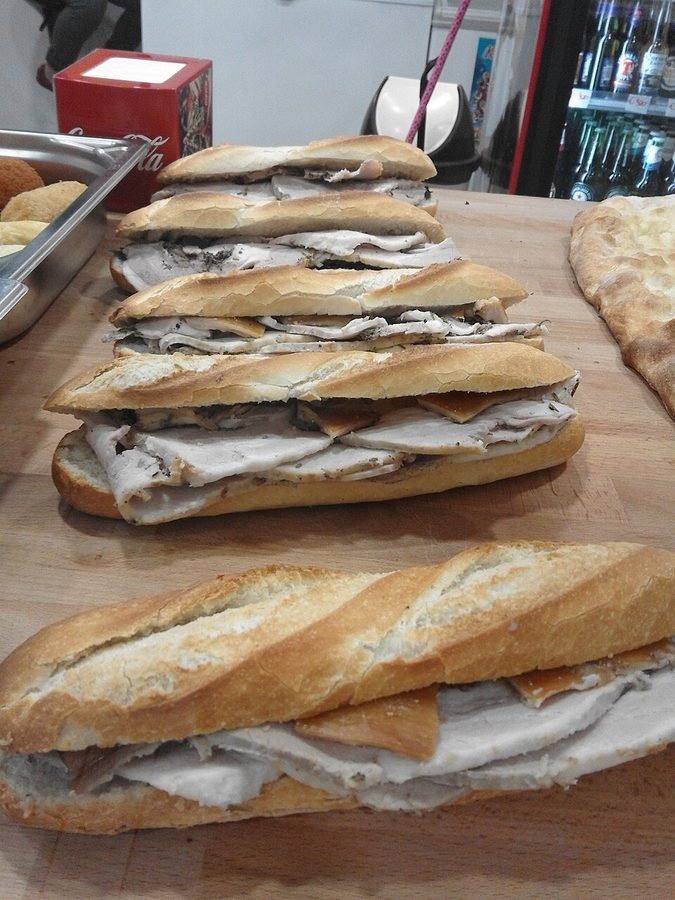
Pizza al taglio is pizza baked in long rectangular trays, cut to the size you point at and sold by weight. Its plainer cousin is pizza bianca: dough, olive oil and coarse salt, sold by bakeries all morning and split open for mortadella or, on the Trastevere tours, for slices of porchetta. Neither is the round, blistered Neapolitan pizza, and Romans do not want it to be.
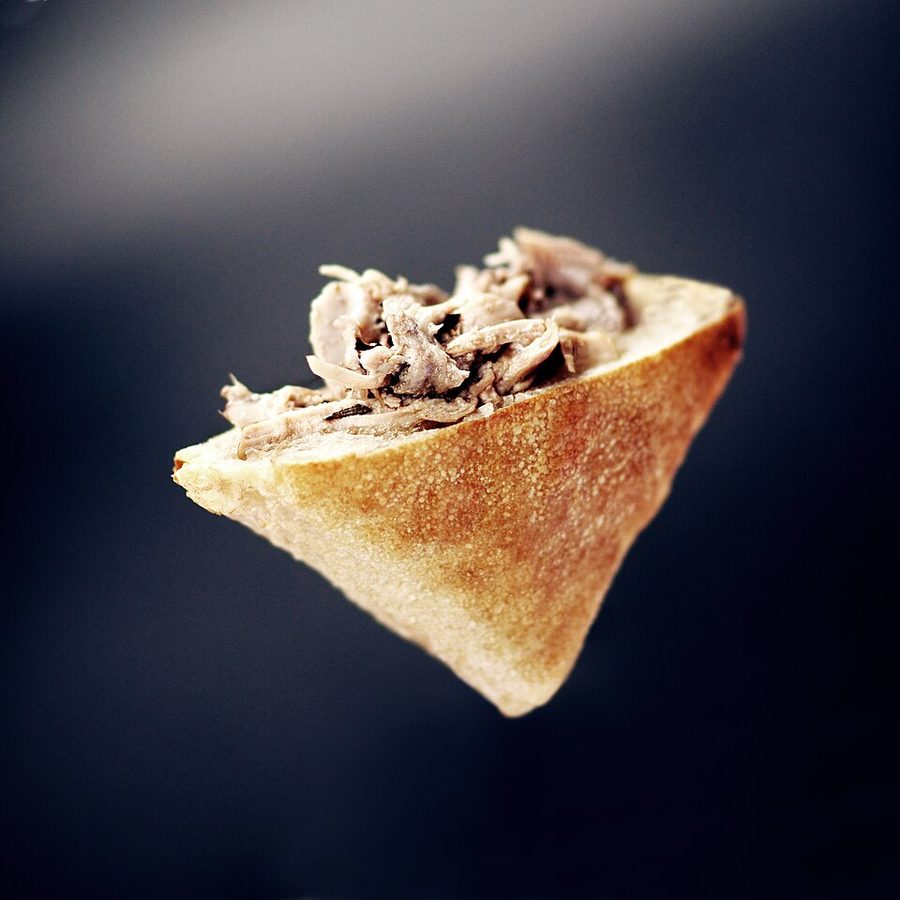
The trapizzino is the newcomer. Pizza maker Stefano Callegari folded pizza bianca dough into a triangular pocket, closed at the sides, and filled it with Roman stews: braised oxtail, tongue in green sauce, meatballs in tomato, picchiapò (boiled beef cooked again with onions and tomato). It is the best answer I know to a pot of braised meat you want to eat with one hand.
Artichokes, and the Jewish-Roman table
The carciofo romanesco is a round, spineless artichoke, locally called mammola or cimarolo, and it was the first vegetable in Italy to get IGP protection. The city’s guide to Roman vegetables puts it on market stalls between January and May, at its best in March and April. Outside those months a carciofo on the menu has come from further south or from the freezer.
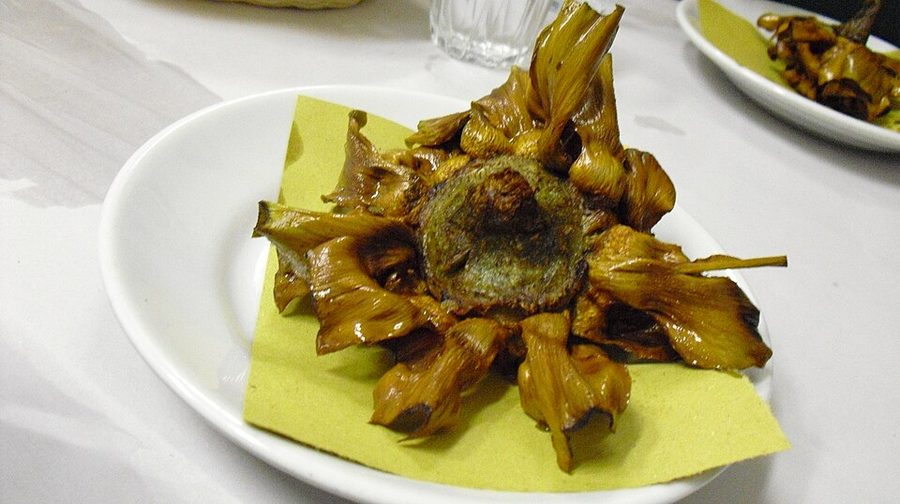
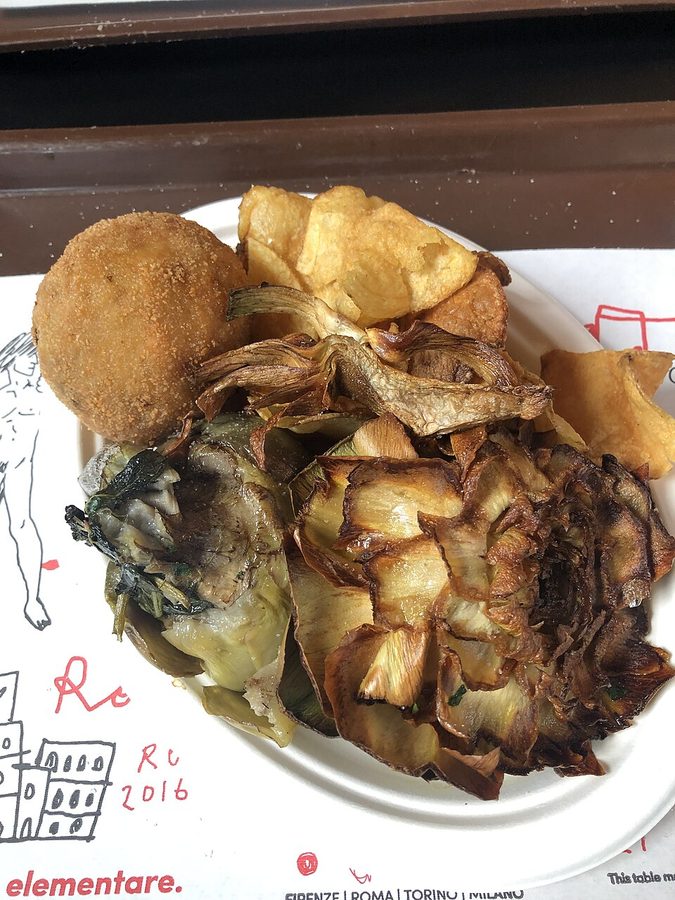
Romans cook it two ways. Carciofi alla romana are stuffed with mentuccia (Roman mint) and garlic and braised whole, upside down, in a pan. Carciofi alla giudia, Jewish-style, are trimmed, salted, peppered and deep-fried whole until the outer leaves crackle like crisps and the heart stays soft.
The second dish belongs to one of the oldest Jewish communities in Europe: Jews have lived in Rome since the second century BC, and from the 1500s until 1870 they were confined to the Ghetto beside the Tiber. Its kitchen gave the city concia di zucchine, fried courgette layered with mint and vinegar and left overnight, and a bakery tradition of dense fruit-and-nut bakes. The tourism board’s notes on Jewish-Roman cooking point to the trattorias around the Portico d’Ottavia and the Great Synagogue.
Sweet things, and the weekly calendar
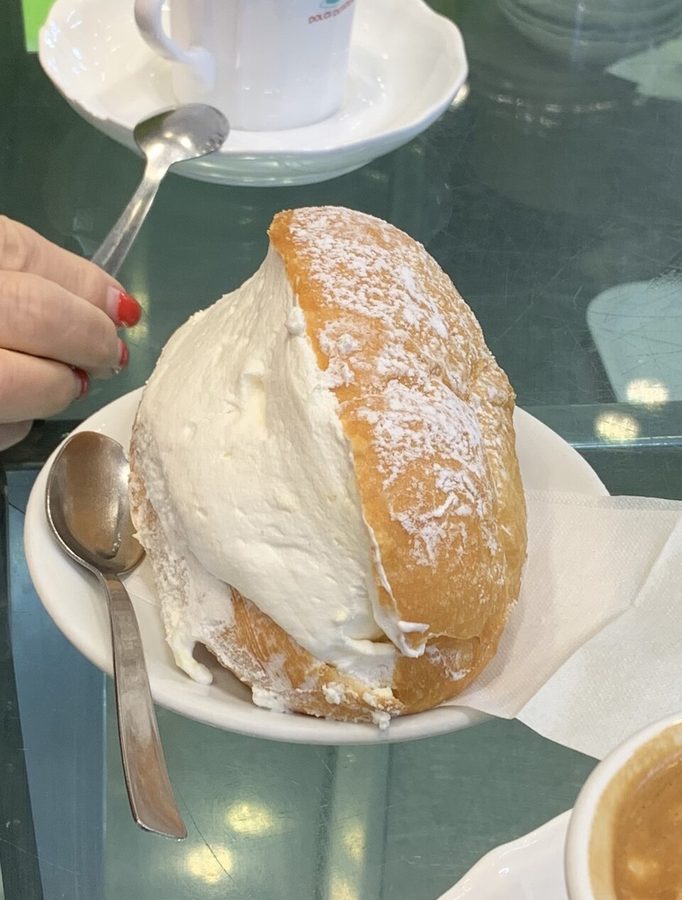
The maritozzo is a soft, sweet bun split open and packed with whipped cream, eaten at the bar counter with a cappuccino. Its name comes from marito, husband: in the 1800s, young men gave one to their fiancées on the first Friday of March, sometimes with a ring hidden inside. Today it is breakfast, and nobody minds if you have a second.
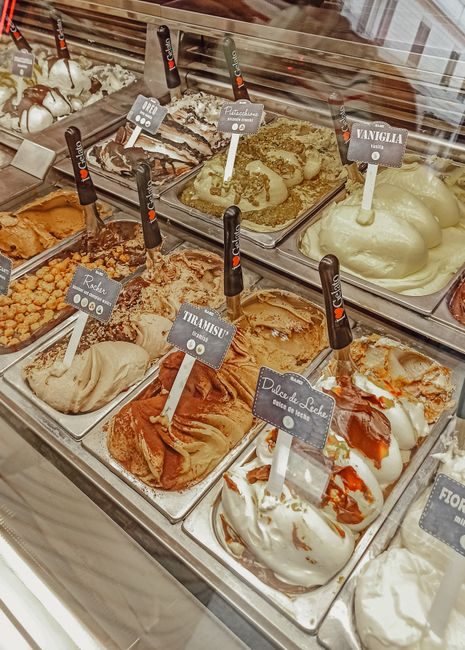
Gelato closes most of the evening tours. The tell for a serious gelateria is colour and height: pistachio should be a muddy olive green, banana a greyish cream, and the trays flat or covered rather than piled into peaks.
Roman trattorias still follow a weekly rhythm that the tourism board records as “giovedì gnocchi, venerdì pesce, sabato trippa”: gnocchi on Thursday, salt cod with chickpeas on Friday, trippa alla romana on Saturday. Testaccio and Trastevere keep to it most closely. If you want coda alla vaccinara, oxtail braised with celery, tomato, raisins, pine nuts and a little cocoa, Testaccio is its home ground: the slaughterhouse workers there were once paid partly in offal.
Where the tours go
Four neighbourhoods carry almost every food tour in Rome, and each has its own hours. Testaccio and Trionfale are markets, so they belong to the morning. Trastevere and the Ghetto are where the city goes for dinner.
Testaccio
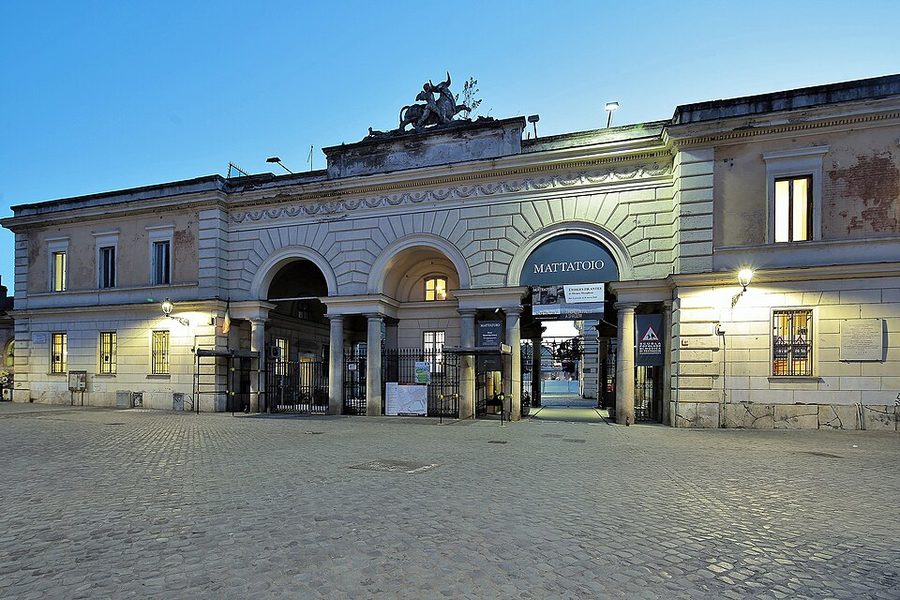
Testaccio sits south of the Aventine, around a hill that is not a hill. Monte Testaccio is a mound of broken Roman olive-oil amphorae, dumped here from the river port for centuries, and at least one trattoria is carved into its flank. The old slaughterhouse across the road, the Mattatoio, closed long ago, but the offal cooking it fed stayed in the neighbourhood.
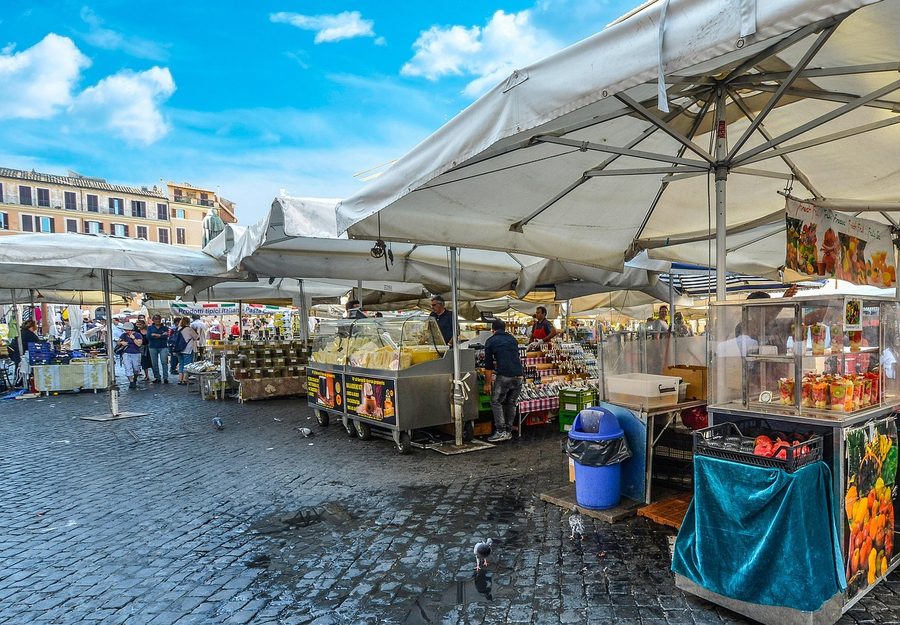
The Mercato di Testaccio is the covered market at its centre, about a hundred stalls of produce, fish, cheese, pasta and street food under one white roof, with the remains of a Roman storehouse full of amphorae in the basement. It opens Monday to Saturday, 7am to 3:30pm, which is why the Testaccio tours run in the morning.
Trastevere
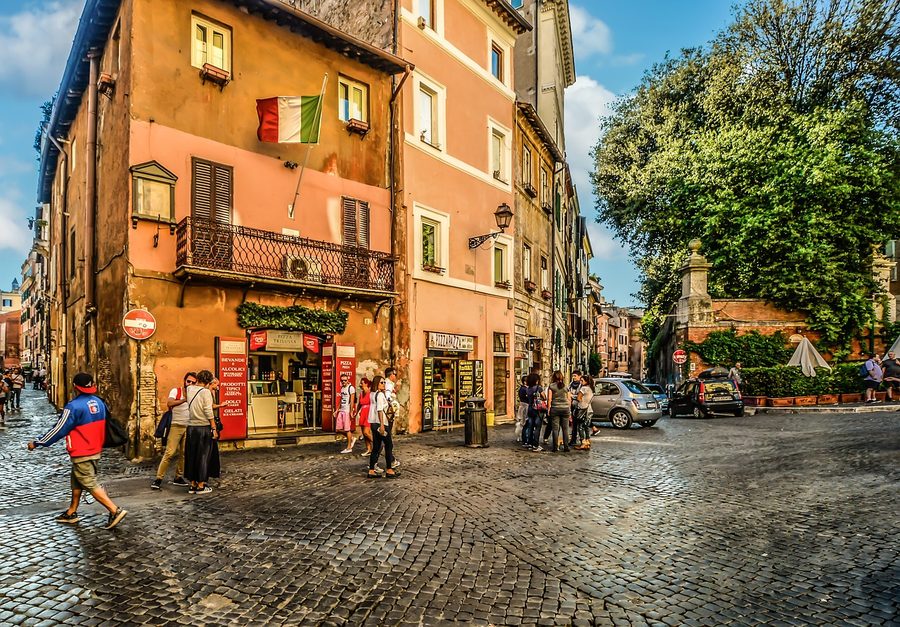
Trastevere, “across the Tiber”, is the old working quarter on the river’s west bank, a tangle of ivy, washing lines and trattorias. By day it is quiet. In the evening it fills, and the food tours cross into it from Tiber Island or gather in Piazza di San Cosimato.
The Ghetto and Campo de’ Fiori
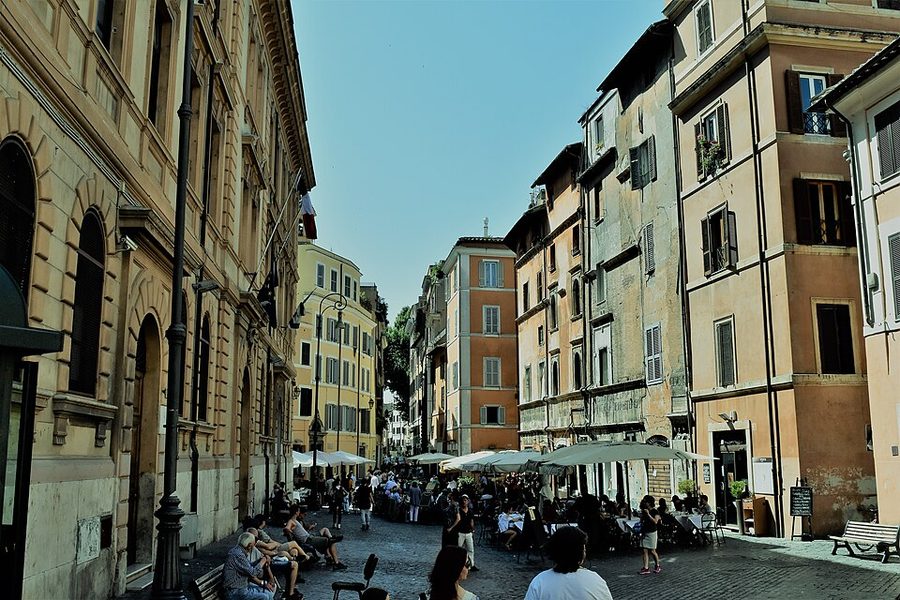
The Ghetto runs along Via del Portico d’Ottavia, between the Great Synagogue and the ruined colonnade it is named after. Campo de’ Fiori, five minutes’ walk north-west, holds the city’s best-known open-air market in the mornings. Tours here mix the two: fried artichokes and Jewish bakeries on one side, bread ovens and market stalls on the other.
Prati and the Mercato Trionfale
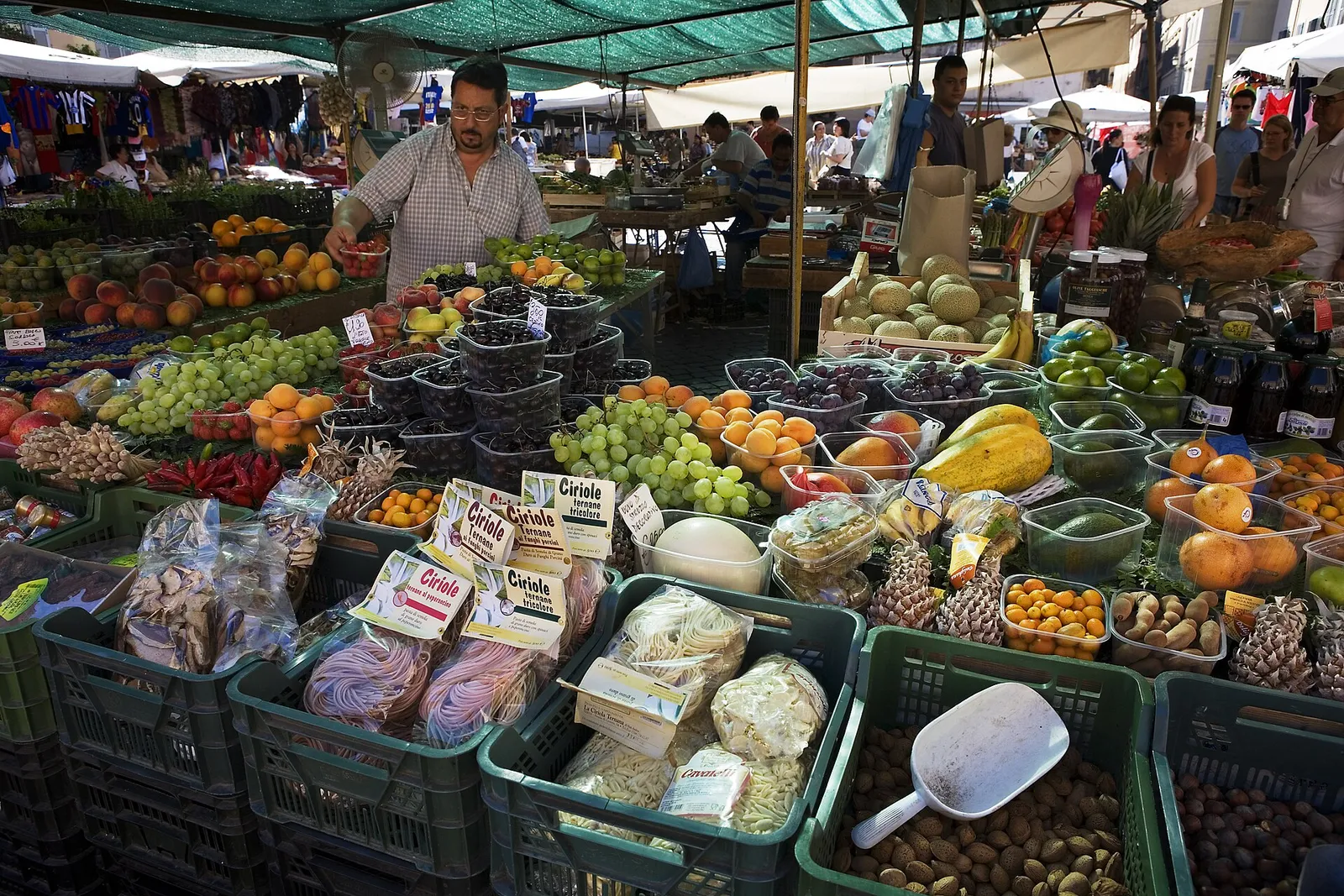
Prati is the grid of broad streets north of the Vatican, residential and well fed. Its larder is the Mercato Trionfale on Via Andrea Doria, one of the largest neighbourhood markets in Europe, in a glass-and-concrete hall from 2009. The boxes are colour-coded: green for fruit and vegetables (light green for growers selling their own), blue for fish, red for meat, and the central aisle for the oldest licences, some now in their third generation.
Nine Rome food tours and classes, by neighbourhood
Each listing below gives what the tour covers, where it meets and how long it runs, with the price shown on its booking page in November 2026. Prices move with dates and group size, so treat them as a floor. Most cap groups at 12, and most say plainly what they cannot cater for.
Testaccio Food Tour with Roman Pasta and Market Tastings
Eating Europe’s morning walk through Testaccio is the most complete introduction to Roman food on this list. It starts at a deli on Via Marmorata with cured meats, cheeses, an olive oil and balsamic tasting and a glass of prosecco, then detours past the Pyramid of Cestius and the Non-Catholic Cemetery. Inside the market you assemble a bruschetta from the stallholders’ tomatoes, eat buffalo mozzarella and a supplì with a cold beer.
The sit-down stop is a trattoria carved into Monte Testaccio, where you taste carbonara, amatriciana and cacio e pepe side by side, and it ends at a gelateria on Via Amerigo Vespucci that has been open for over a century. It runs about 3 hours 30 minutes from Piazza Testaccio, with nine tastings and a maximum of 12 people. Vegetarian and gluten-free requests are taken at booking; it is not suitable for coeliacs or anyone with a severe nut or shellfish allergy.
Testaccio Food Tour with Roman Pasta and Market Tastings: from €109 per person (checked November 2026).
from €109Dates and prices
Rome Twilight Trastevere Food Tour by Eating Europe
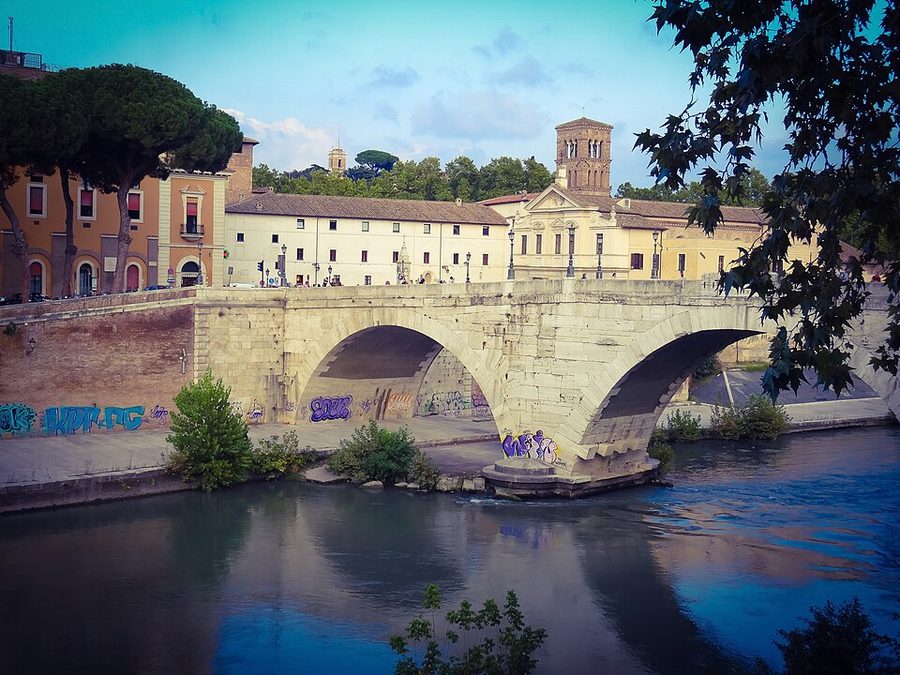
The evening counterpart starts on Tiber Island, by the monument in Piazza di San Bartolomeo all’Isola, and crosses the Ponte Cestio into Trastevere. Six or seven stops follow over about four hours. On some departures they include a trattoria on Via dei Vascellari that has been open since 1935 (closed Sundays) and a wine cellar on Via dei Genovesi older than the Colosseum.
Every departure includes porchetta stuffed into pizza bianca with a beer on Via Natale del Grande, a supplì from a hole-in-the-wall on Via di San Francesco a Ripa, a sit-down pasta dinner of amatriciana and gricia with wine, and gelato to finish. It runs more than ten departures a day with a maximum of 12. It suits first-timers who want a full dinner out of it; the same dietary limits as the Testaccio tour apply.
Rome Twilight Trastevere Food Tour by Eating Europe: from €104 per person (checked November 2026).
from €104Dates and prices
Devour Rome Food & Wine Tour of Trastevere
Devour’s Trastevere walk leans on wine and names its stops. It meets in Piazza di San Cosimato and opens at Enoteca La Vite with prosecco, prosciutto and cheese, then supplì at Supplì Roma, open since 1979. A spritz follows at Bar San Calisto, a bar the neighbourhood treats as an institution, next to Piazza di Santa Maria, and natural wine with three kinds of bruschetta at Vanda.
Dinner is three pastas and two glasses of wine at Checco er Carettiere, run by the same family for three generations, with gelato from its pastry shop. It runs about 3 hours 30 minutes, maximum 12. Vegetarian, pescatarian, dairy-free and gluten-free diets can be adapted; it is not recommended for vegans, coeliacs, children or anyone who does not drink.
Devour Rome Food & Wine Tour of Trastevere: from €71 per person (checked November 2026).
from €71Dates and prices
Rome: Trastevere Pasta-Making Class with Food Tour
This one is half walk, half class. It meets on Via Natale del Grande at Norcineria Iacozzilli, a Trastevere pork butcher, where you buy the day’s ingredients and eat their porchetta with a glass of wine. Then you move to the kitchen of the trattoria Rione XIII on Via Roma Libera to make fresh pasta: ravioli with sheep’s ricotta, and pasta alla chitarra for an amatriciana.
You eat what you made with wine (soft drinks for children and non-drinkers), then walk to a gelateria for organic gelato. It lasts about three hours and needs at least four guests to run; private groups are possible. It is the pick for anyone who wants to cook and still see the neighbourhood.
Rome: Trastevere Pasta-Making Class with Food Tour: from €68 per person (checked November 2026).
from €68Dates and prices
Jewish Ghetto Walk and its influence on Roman cuisine
A private two-hour walk for your own group, with a guide in English, French, German, Italian or Spanish. It meets at Largo Arenula, visits a local market and walks the Tiber embankments, then the Great Synagogue, the Portico d’Ottavia and Sant’Angelo in Pescheria, where the old fish market stood.
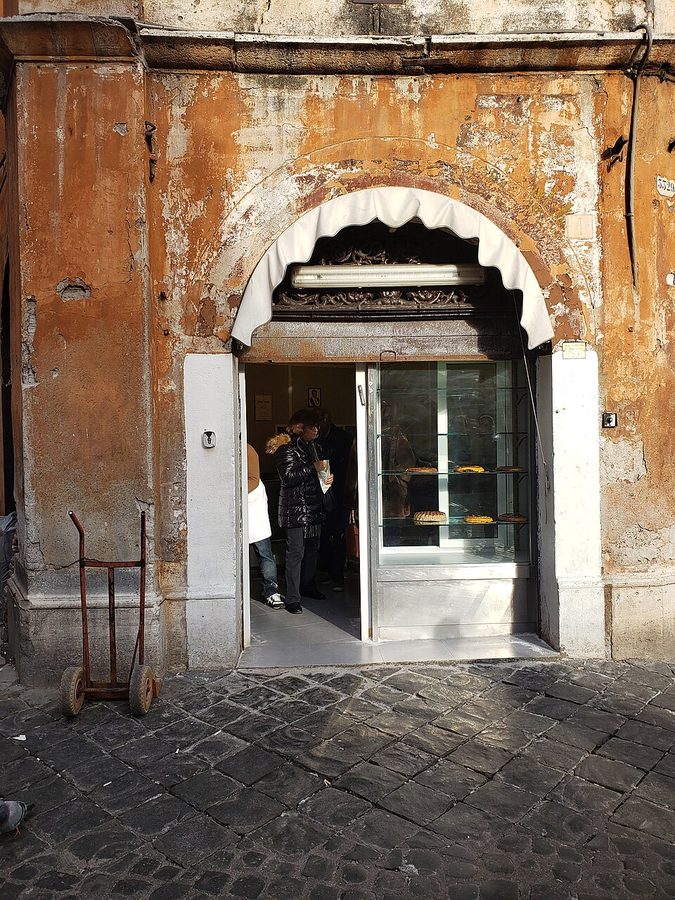
The tastings follow the Jewish-Roman kitchen: concia di zucchine at a trattoria on the Portico, a stop in Piazza Mattei, pizza rossa from a bakery more than a century old, ricotta pie from a pastry shop run by generations of women of one family, and carciofi alla giudia by the old wall. It suits couples and families who want history with their food, and the route is listed as wheelchair accessible.
Jewish Ghetto Walk and its influence on Roman cuisine: from €71 per person (checked November 2026).
from €71Dates and prices
Private Roman Vegetarian Food Tour
Roman food is pork-heavy, and most group tours handle vegetarians by swapping a plate here and there. This private walk is built around them instead. It meets at the statue of Giordano Bruno in the middle of Campo de’ Fiori and stays in the old centre: seasonal fruit from the stalls, cheese and pears, a meatless supplì near the Jewish quarter, then the streets of Parione and Sant’Eustachio for gelato and an espresso.
It runs about 2 hours 30 minutes and ends back where it started, offered in English and five other languages. It is a good fit for families and for anyone who has had enough guanciale by day three.
Private Roman Vegetarian Food Tour: from €95 per person (checked November 2026).
from €95Dates and prices
Rome: Pasta & Tiramisu Cooking Class with Wine & Limoncello
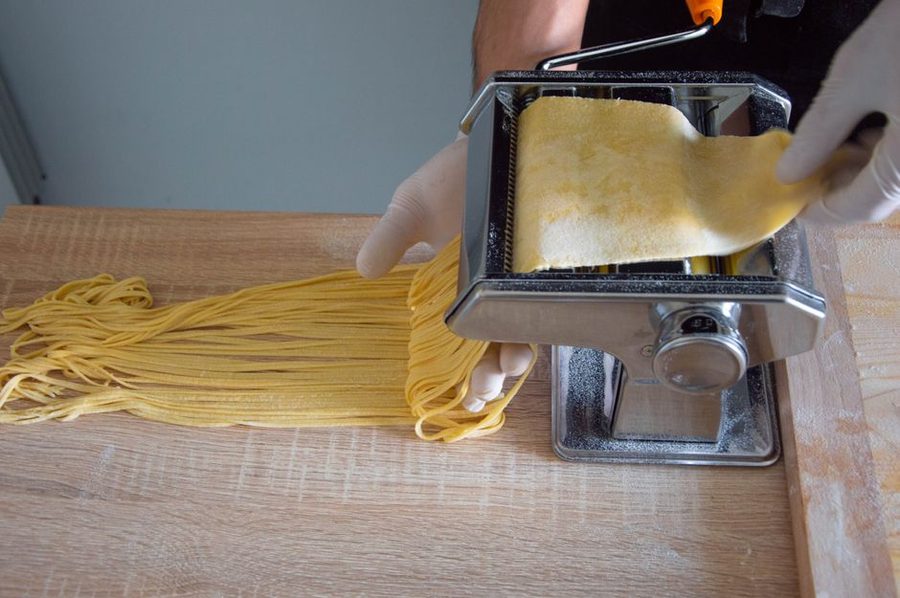
The cheapest option on this list and the most hands-on. The class runs in a restaurant on Via Giuseppe Zanardelli, a few minutes from Piazza Navona, with a professional chef and an individual workstation for each guest: wooden board, rolling pin, apron. You make tiramisù first so it can set, then mix, knead, roll and cut fettuccine entirely by hand, with no pasta machine.
Afterwards you sit down in the restaurant, choose a sauce for your pasta and eat the meal with a glass of wine or a soft drink. It lasts about 2 hours 30 minutes and is not suitable for children under four. If you want one skill to take home, this is it.
Rome: Pasta & Tiramisu Cooking Class with Wine & Limoncello: from €56 per person (checked November 2026).
from €56Dates and prices
Rome: Trionfale Market Food Tour with Prati Walking Tour
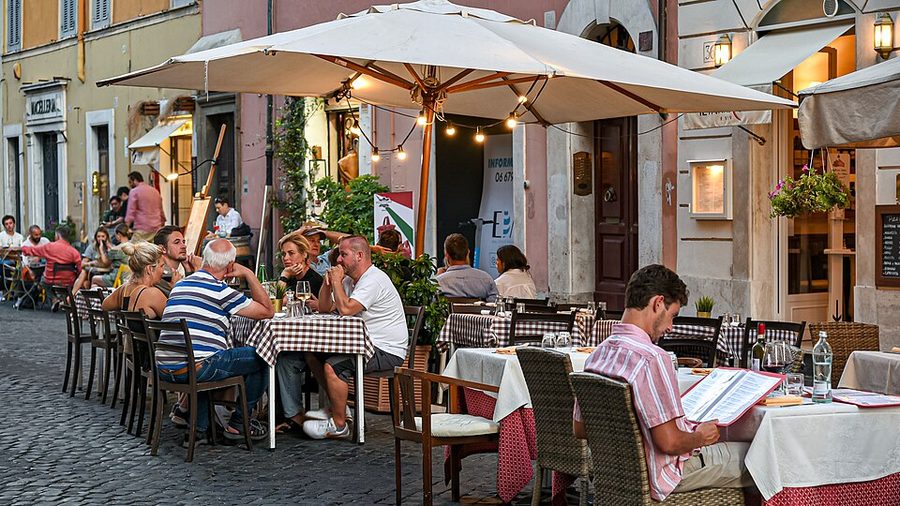
A short, local morning by the Vatican. It meets at Piazza Santa Maria delle Grazie 3 and spends about an hour inside the Mercato Trionfale, tasting street food at selected stalls with wine at some of them. The second hour is a walk through Prati’s wide streets of cafés and bakeries, ending in Borgo Pio, the lane of trattorias below St Peter’s.
It runs about 2 hours 30 minutes in a small group and is listed as wheelchair accessible. The market is a short walk from the Vatican Museums, so it pairs well with a museum morning. Allergies and dietary needs should be flagged in advance.
Rome: Trionfale Market Food Tour with Prati Walking Tour: from €75 per person (checked November 2026).
from €75Dates and prices
Prati Food Tour with Pizza Pasta and Parmigiano
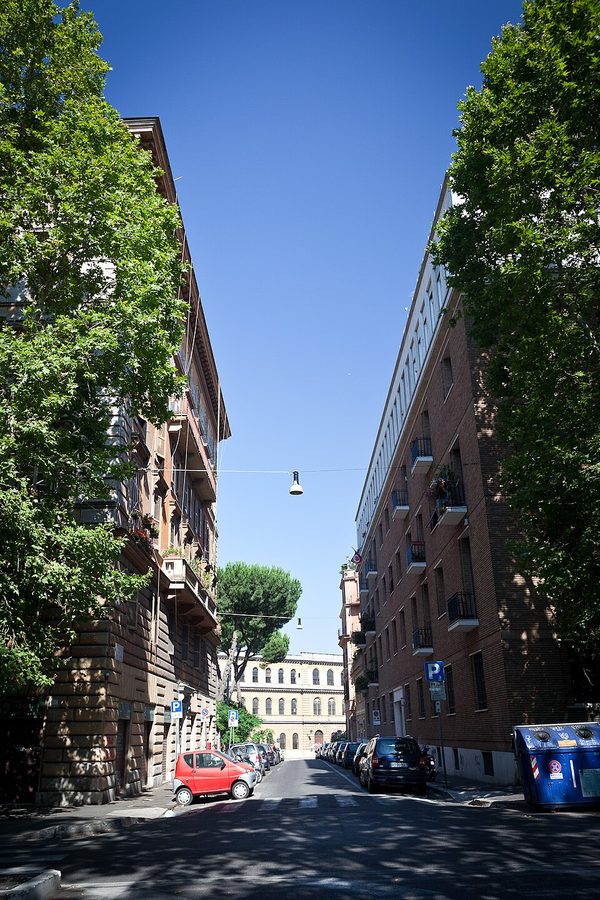
The longer Prati option, about four hours, with a maximum of 12. It starts with a spritz and Sicilian arancini at La Siciliana on Via Cipro, then moves to Paciotti Salumeria for a paired board of cured meats and cheeses. Next is Panificio Bonci, the bakery of pizza maker Gabriele Bonci, for Roman pan pizza.
It finishes with a long sit-down at Al Giardino del Gatto e la Volpe, a restaurant with a courtyard garden run by the same owners for more than 50 years. It suits a late lunch after the Vatican, or an afternoon when you want to eat and not walk much.
Prati Food Tour with Pizza Pasta and Parmigiano: from €99 per person (checked November 2026).
from €99Dates and prices
How to choose: market morning, evening walk or a class
Start with the time of day. A market tour runs through the morning into lunch, shows you produce and stallholders, and leaves your afternoon free and your evening hungry again. An evening walk is dinner with a guide: more wine, more pasta, more of Trastevere at its liveliest, and you go to bed full.
A class is a different thing. You see less of the city and learn one dish properly; the Trastevere class is the compromise if you want both. If this is your first trip, I would take an evening Trastevere walk on the first or second night and the Testaccio market tour later in the week.
Group size matters more than the brochure suggests. Twelve people around a supplì counter is already a crowd, and a private tour such as the Ghetto walk or the vegetarian walk lets you set the pace and ask questions. On the group walks, stand near the guide at the first stop and you will hear the stories at every stop after.
On diets, read the small print before you pay. Vegetarians are catered for almost everywhere and vegans less reliably: Devour does not recommend its Trastevere walk for them. Eating Europe and Devour both say their tours are not suitable for coeliacs, because the kitchens they visit fry and bake with wheat, and gluten-free swaps come with a cross-contamination warning.
When to go: seasons, Sundays and August
Spring is the best season to eat in Rome. Artichokes peak in March and April, the first broad beans arrive for vignarola, the spring stew of beans, peas, artichokes and lettuce, and evenings are warm enough to eat outside. Autumn is my second choice, for cooler walking weather.
Summer is hot, and the walking tours feel it. Book evening departures in July, and expect many family-run trattorias to close for part of August, especially around Ferragosto on 15 August. A tour company will swap its stops; if you are eating on your own, check before you cross town.
Sunday is the other trap. Both big markets, Testaccio and Trionfale, are closed, and so is Da Enzo al 29, which is why the Twilight tour marks that stop as closed on Sundays.
For time of day, follow the markets: they open around 7am and wind down from early afternoon, Trionfale by 2pm and Testaccio by 3:30pm. Romans eat dinner late, so an early-evening tour reaches the trattoria before the local crowd does.
What it costs, and tipping
The tours above run from €56 for the Navona class to €109 for the Testaccio morning. Most of them add up to a full meal: plan nothing else for that mealtime, and after the evening walks, nothing for dessert either. Extra drinks are paid on the spot, and you make your own way to the meeting point.
Tipping is not built into Italian restaurant culture the way it is in North America. Many bills carry a coperto, a small per-person cover charge for bread and the table, and rounding up or leaving a few coins is plenty for a trattoria meal. Guides are another matter: Eating Europe lists gratuities as not included, and for a guide who made the morning I would leave €5 to €10 a head.
Eating the same ground on your own
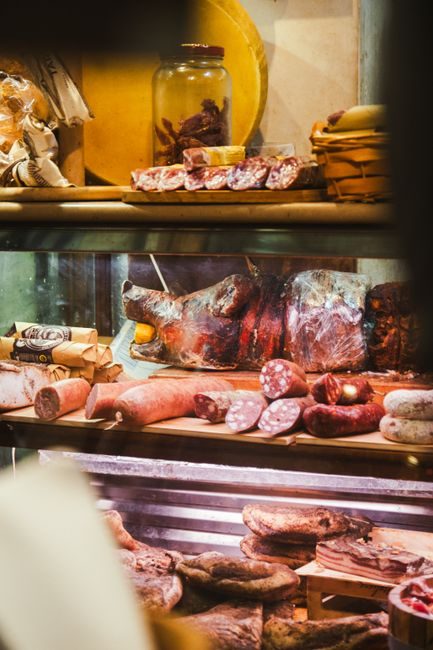
These are the counters, markets and trattorias the tours lean on, plus a few they skip. Opening hours change, so check the day before for anything you are crossing town for.
Testaccio
Start at the Mercato di Testaccio (Monday to Saturday, 7am to 3:30pm) and walk its aisles before you buy anything: the street-food stalls are mixed in with the greengrocers. For cheese, guanciale and pecorino to take home, Volpetti at Via Marmorata 47 has been the neighbourhood’s delicatessen since 1973. For lunch on the move, Trapizzino has a shop a few streets away at Via Giovanni Branca 88.
Trastevere
Supplì on Via di San Francesco a Ripa has been frying since 1979, and its counter also sells pizza by the slice and a different pasta each day. For a sit-down Roman meal, Da Enzo al 29 at Via dei Vascellari 29 cooks the four pastas with guanciale from Amatrice; it closes on Sundays. Bar San Calisto, open since 1969 on the square beside Santa Maria in Trastevere, is where the neighbourhood drinks its coffee in the morning and its beer at night.
The Ghetto and Campo de’ Fiori
Queue at Boccione, Via del Portico d’Ottavia 1, for pizza ebraica and the ricotta and sour-cherry tart, sold by the slice. On the square, Il Forno di Campo de’ Fiori at number 22 has baked on the square for more than half a century; its pizza bianca, split for mortadella, is the thing to buy. Round the corner, the Antico Forno Roscioli at Via dei Chiavari 34 opens every day from 7:30am to 8pm, Sundays included, which makes it the answer to the Sunday problem.
Prati, Trionfale and one detour
The Mercato Trionfale at Via Andrea Doria 41 opens Monday to Saturday from 7am to 2pm, later on Tuesdays and Fridays. Ten minutes’ walk away, Pizzarium at Via della Meloria 43 is Gabriele Bonci’s pizza al taglio counter near the Cipro metro stop; he opened his first shop in 2003. For maritozzi, cross the city to Regoli at Via dello Statuto 60, by Piazza Vittorio in Esquilino, a pastry shop since 1916.
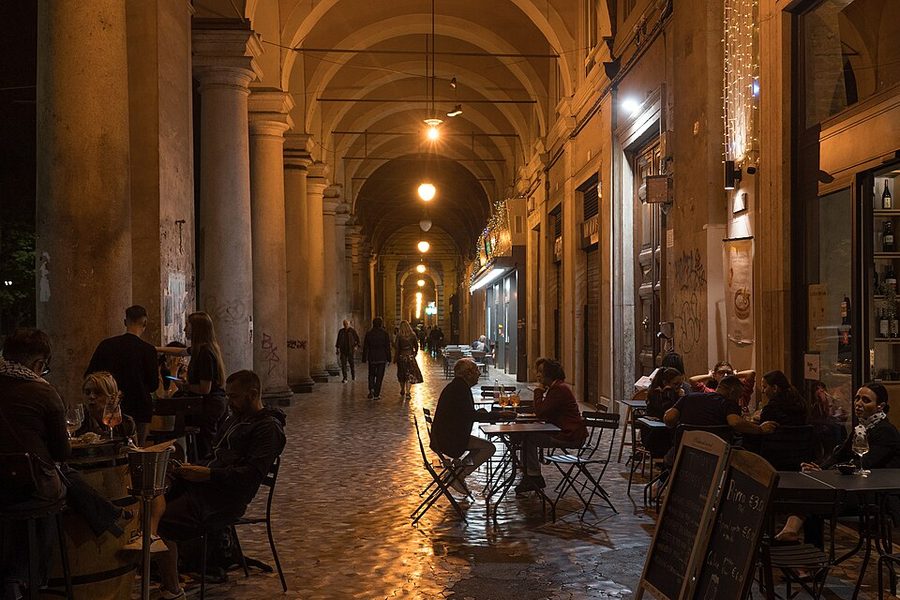
By the second evening the laminated menus should look different. You will walk two streets back from the monument, look for gricia on the board, and ask whether the artichokes are alla giudia today.