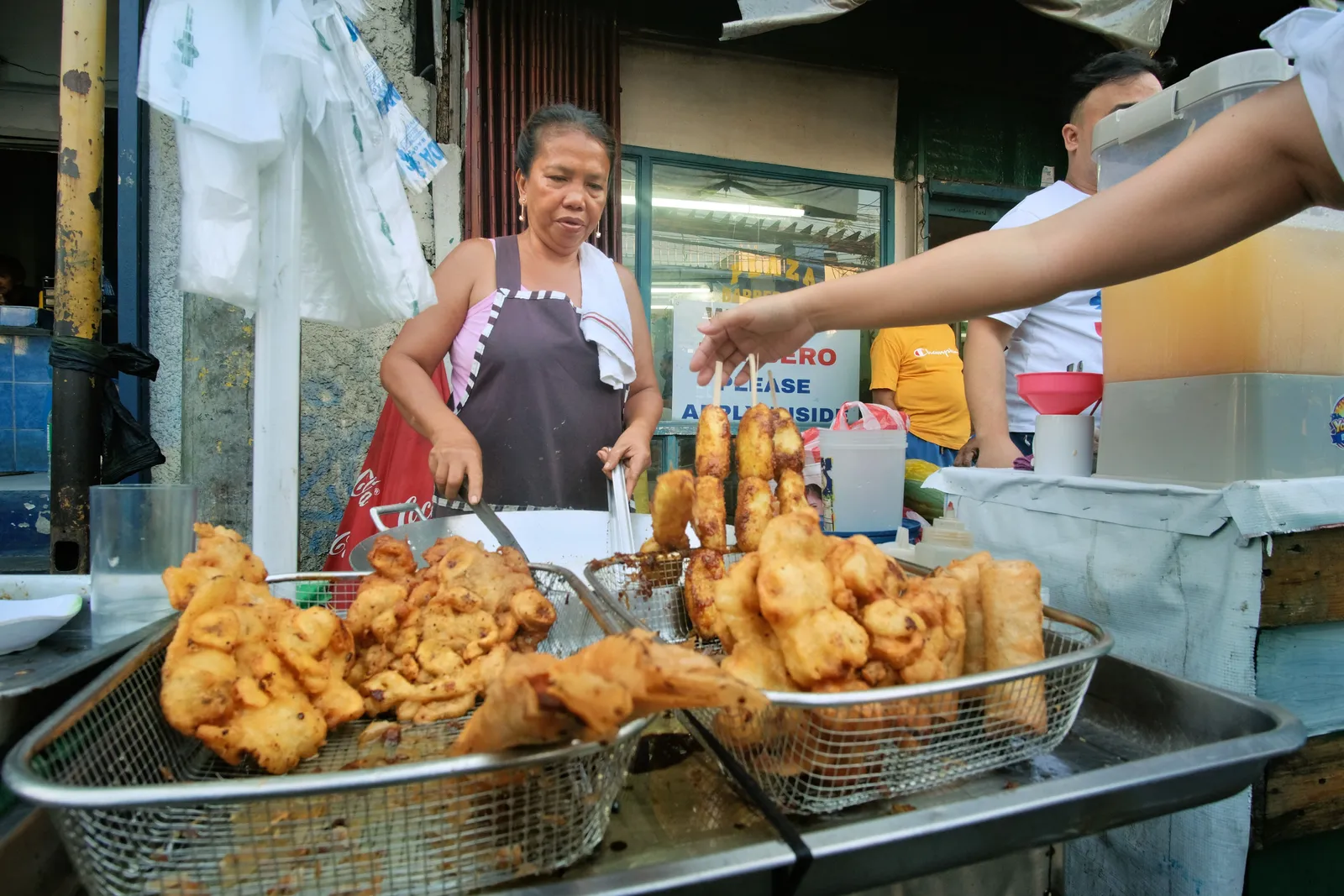
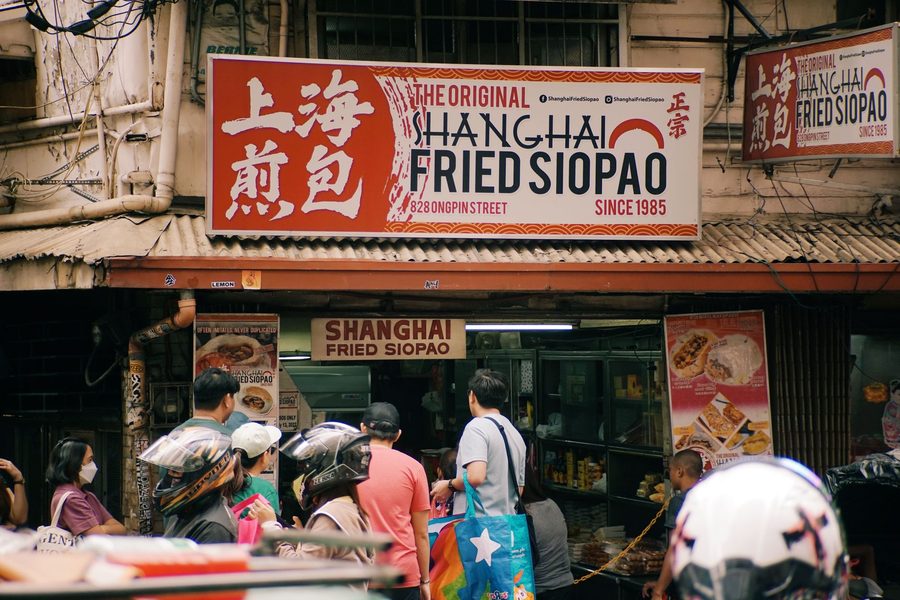
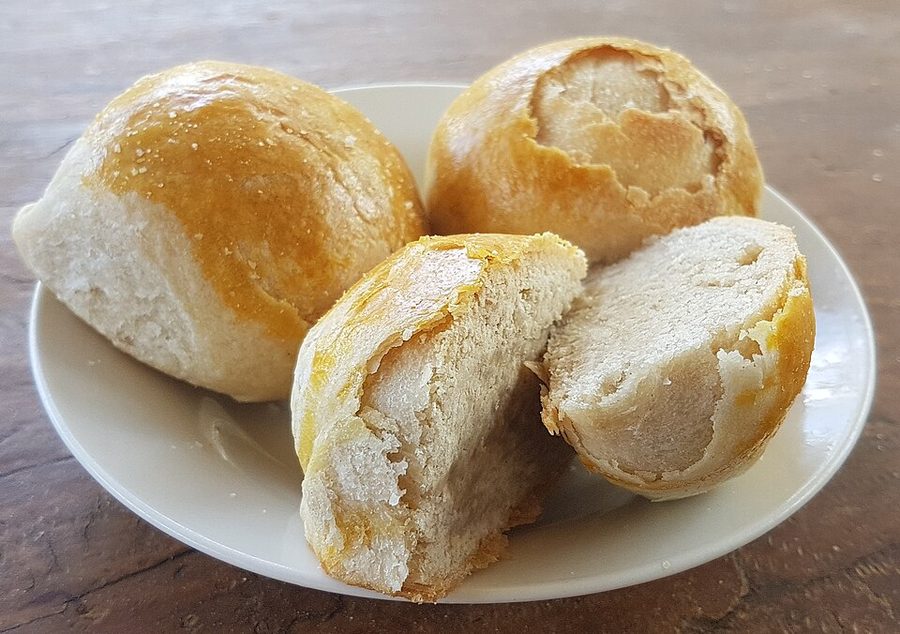
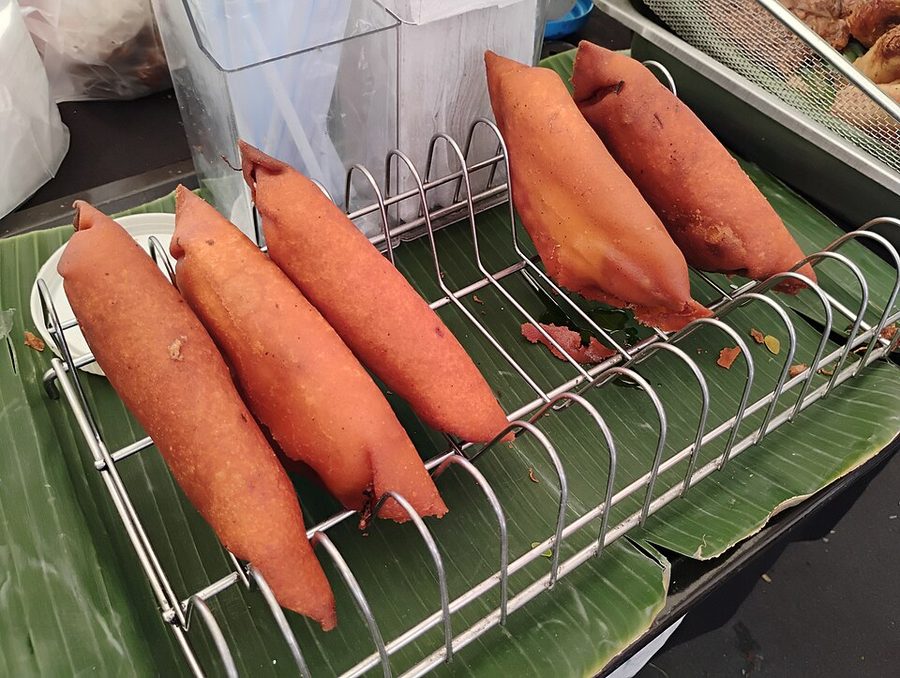
Join the queue at Shanghai Fried Siopao, 828 Ongpin Street, before you do anything else in Binondo. You are patient now. You will not be patient after the dumplings, the hand-pulled noodles and the fried chicken, and the fried buns are worth the wait only while they are too hot to hold.
That is the whole method for eating in Manila, scaled up. Metro Manila is sixteen cities and one town pressed together around the bay, and the food that matters sits in pockets an hour apart in traffic: Chinese-Filipino cooking in Binondo, the market stalls and halal canteens of Quiapo, weekend markets and the Michelin tables in Makati, student streets and the lechon district in Quezon City, cook-your-own-catch seafood in Pasay. Pick a district, go when it is at its best, and eat there properly.
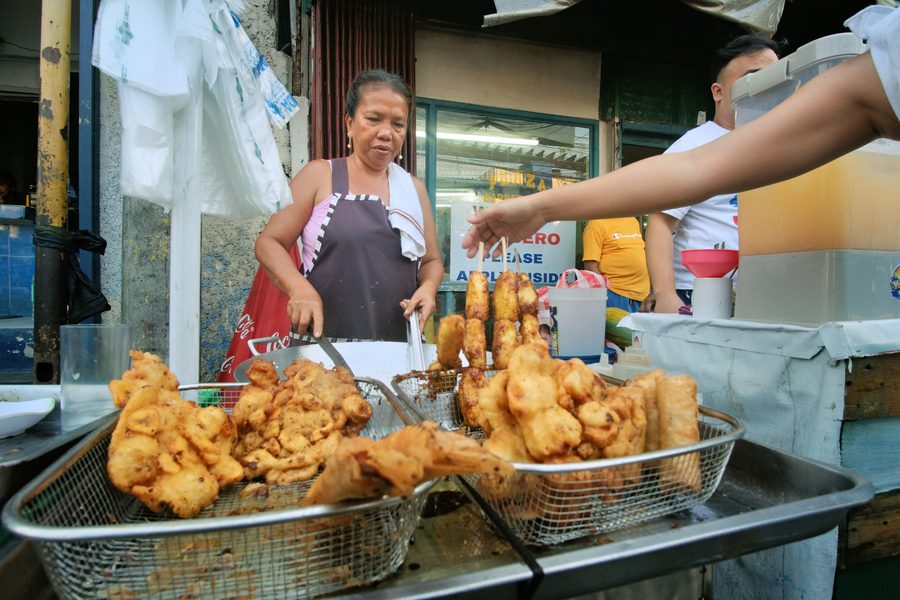
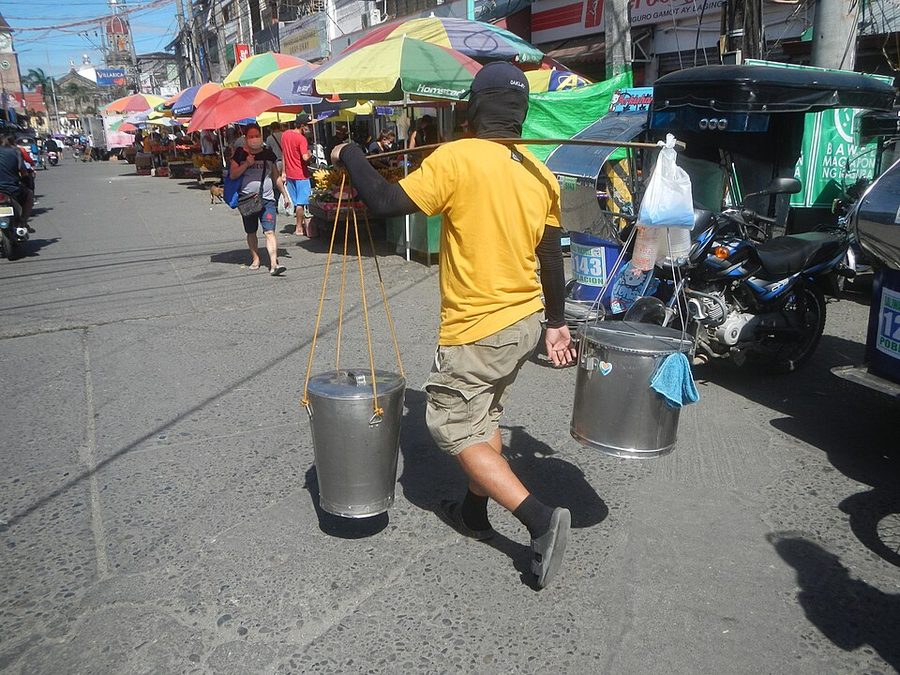
Timing does as much work as the address. Salcedo Market happens only on Saturday mornings and Legazpi only on Sundays, the taho vendors work the early morning, and the seafood markets on Macapagal Boulevard are best at sunset.
Contents 12 parts
- 01How Manila eats, and what it costs
- 02What to order in Manila
- 03Binondo: the Chinatown crawl
- 04Quiapo and the Quinta Market
- 05Intramuros, Ermita and Malate
- 06Makati: markets at the weekend, stars at night
- 07Quezon City: Maginhawa, La Loma and the Farmers Market
- 08Pasay’s dampa: buy the fish, pay for the cooking
- 09The Michelin Guide, used as a map
- 10When to go
- 11Getting around between meals
- 12Two food days in Manila
How Manila eats, and what it costs
Most everyday eating happens at a carinderia, a small eatery with the day’s dishes in pots and trays at the front. You point at what you want, which is why the format is also called turo-turo, “point-point”, and it comes with a mound of rice. Expect chicken adobo, a vegetable dish, something fried and a soup, cooked in the morning and sold until the pots are empty.
It is still the cheapest sit-down meal in the city, though not as cheap as it was. In April 2026 The Philippine Star reported eateries in the University Belt charging ₱60 for a meat dish and ₱30 for vegetables, with a full order at one place running ₱62 to ₱92 before a ₱3 rise. Gas and vegetables had both jumped.
Above that sit the long-running Filipino restaurants, where a family-style dinner at Milky Way Cafe in Makati came to about ₱850 a head in October 2026, and then the tasting menus, at thousands of pesos. Street stalls do their best trade at meryenda, the mid-afternoon snack of noodles, rice cakes or something fried.
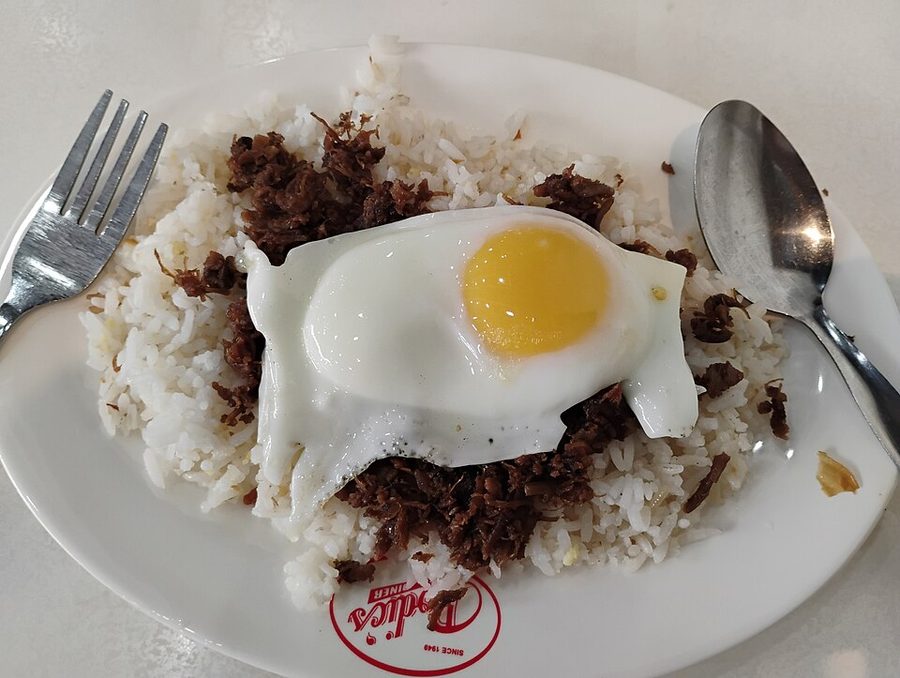
Breakfast deserves a word of its own. The silog plate is fried rice (sinangag) plus a fried egg (itlog) plus a meat, and the meat gives the plate its name: tapsilog with beef tapa, longsilog with sweet sausage, tocilog with cured pork. It is sold from early morning, and in some places all night.
What to order in Manila
Manila cooks the whole country’s food, but these dishes are done here often and well enough to plan around. Order them by their own names; every menu uses them.
Lechon and lechon kawali
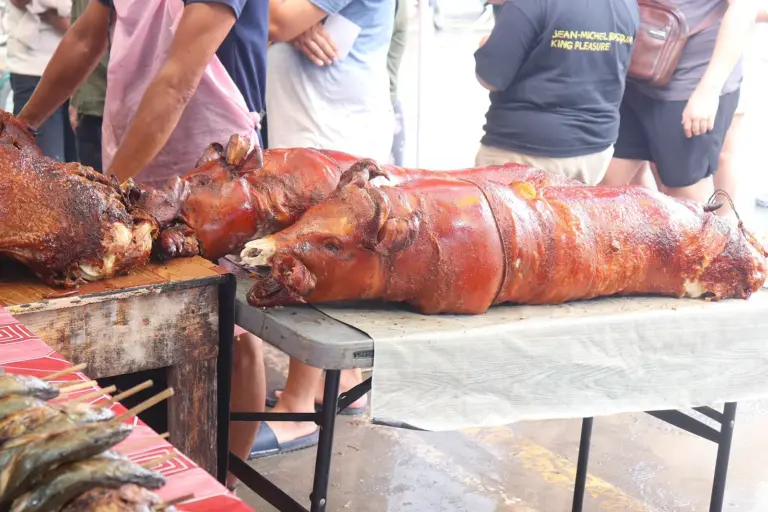
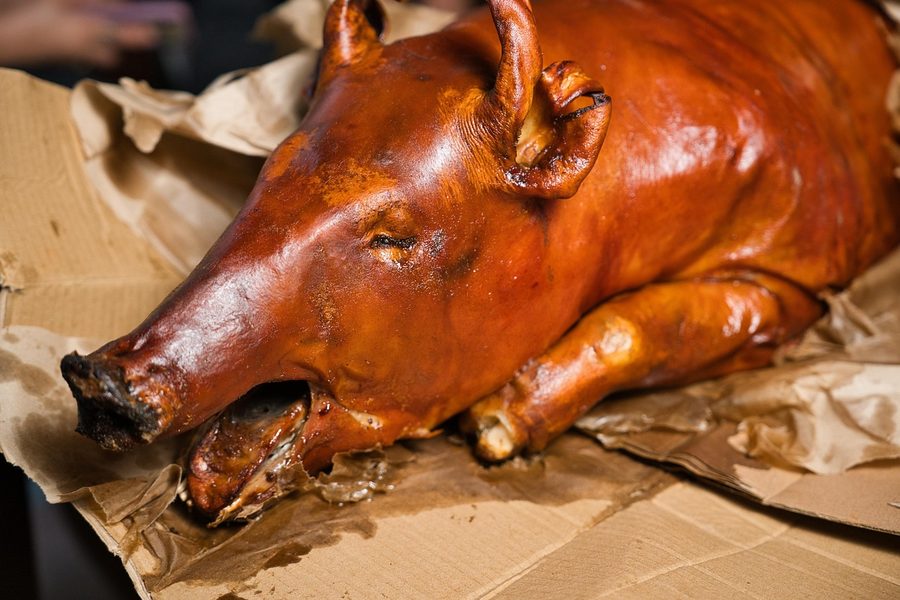
Lechon is the whole pig roasted over coals until the skin goes glassy. Visayan cooks will tell you the best one is Cebu lechon, stuffed with lemongrass and eaten without sauce, and they have a point. Manila’s version is plainer, eaten with a sweet liver sauce, and its home is La Loma in Quezon City, a district of lechon shops that the Quezon City government calls the Lechon Capital of the Philippines.
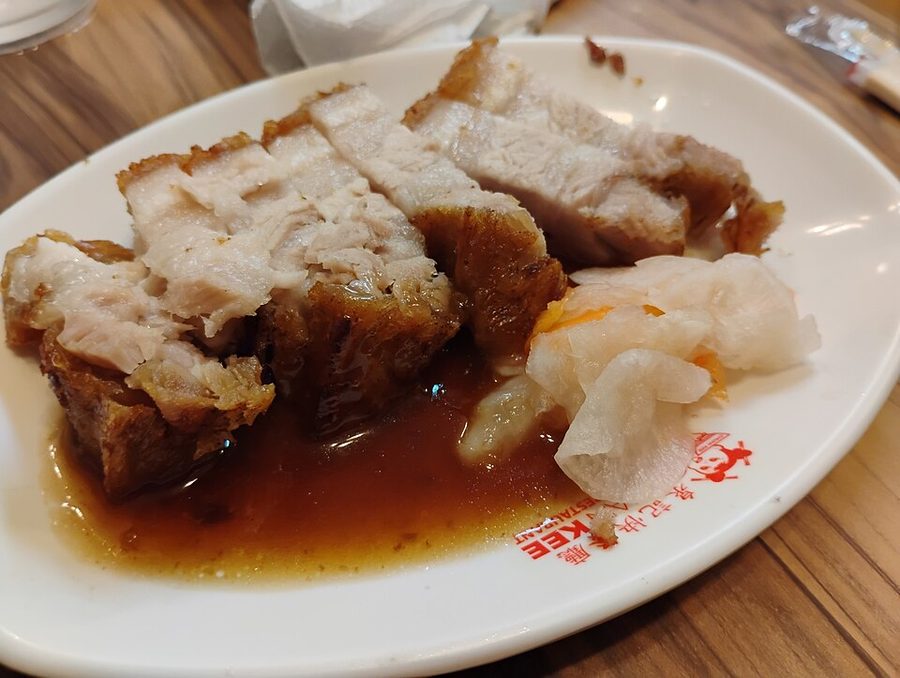
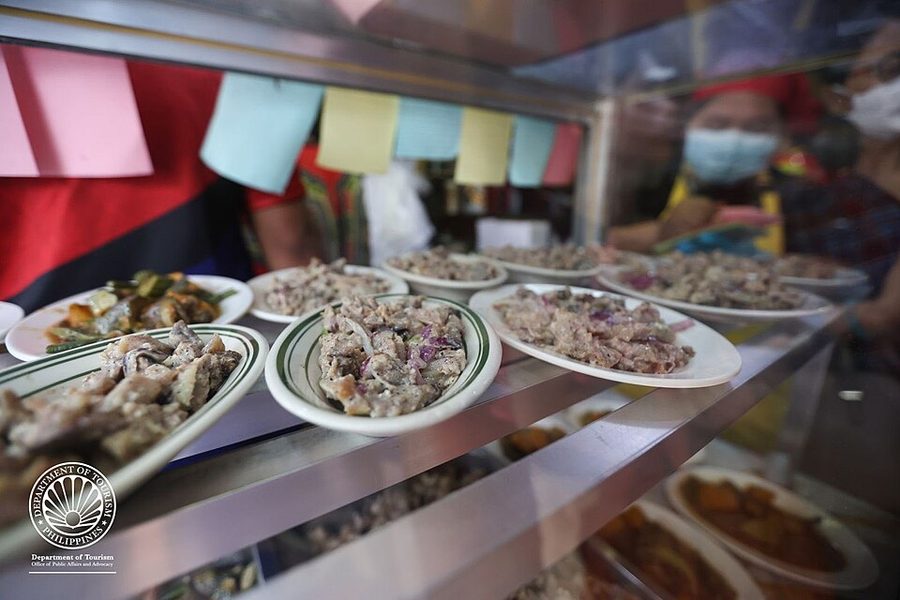
For a weeknight, order lechon kawali instead: pork belly simmered until tender, dried, then deep-fried in a kawali, the Filipino wok, until the skin blisters. It is sold by the plate at carinderias and Chinese-Filipino canteens alike. Leftover roast pig turns up as paksiw na lechon, braised in vinegar and liver sauce, which some cooks like better than the roast.
Kare-kare
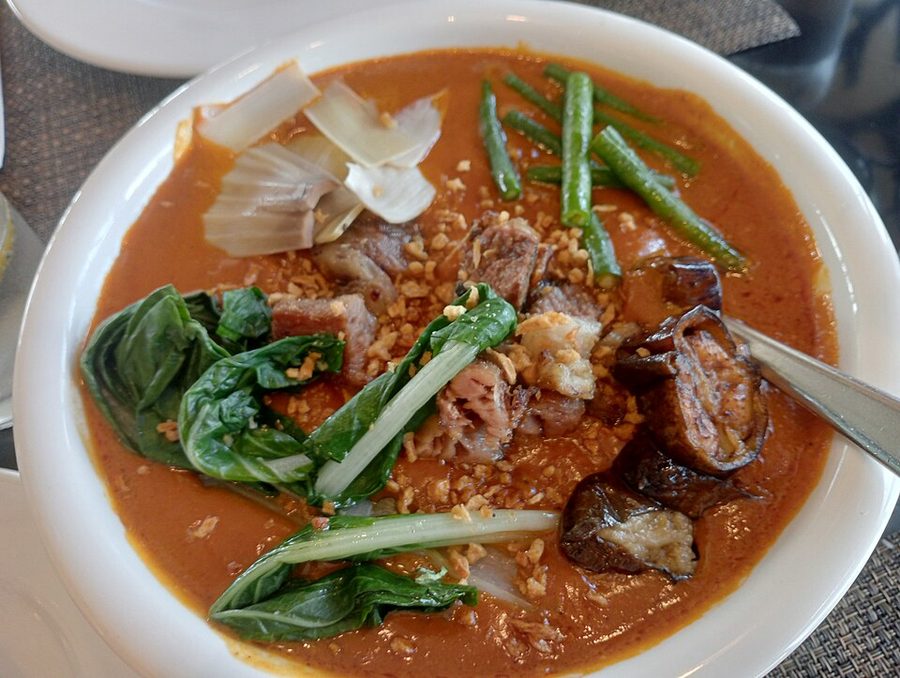
Kare-kare is oxtail, and often tripe, stewed until it falls apart in a thick sauce of ground peanuts, coloured orange with annatto and thickened with toasted ground rice. Tagalog sources trace the name to kari, curry, though it tastes nothing like one. It is deliberately under-salted, because the salt comes from bagoong, fermented shrimp paste, which you add a little at a time from the side dish.
Skip the bagoong and you will think the dish bland.
Sinigang
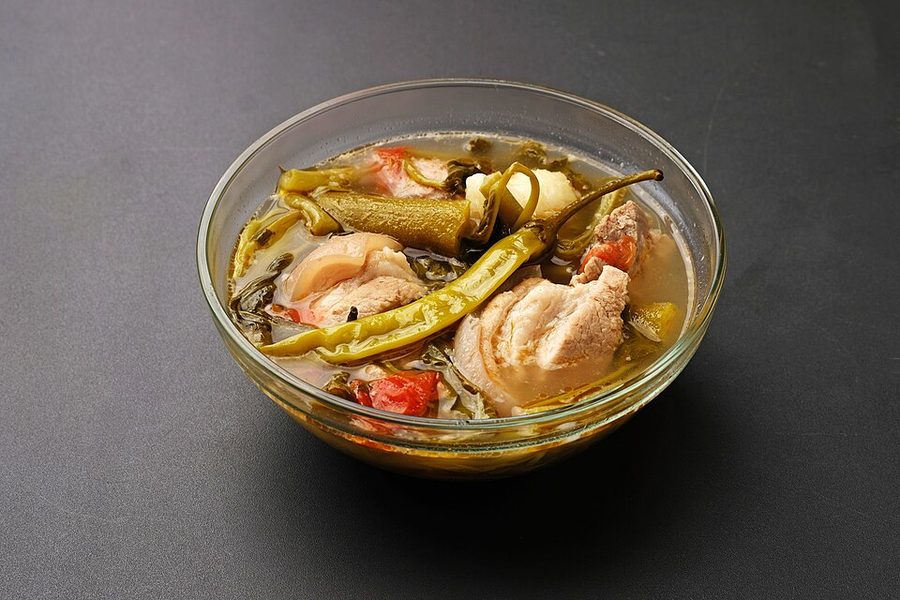
Sinigang is the sour soup that Filipinos will argue about longest. The classic souring agent is young tamarind, sampalok, but guava, green mango, kamias and unripe fruit of every sort get used, with pork, prawns or milkfish. It is on almost every carinderia counter at lunch, and it is the dish for a hot day.
Sisig
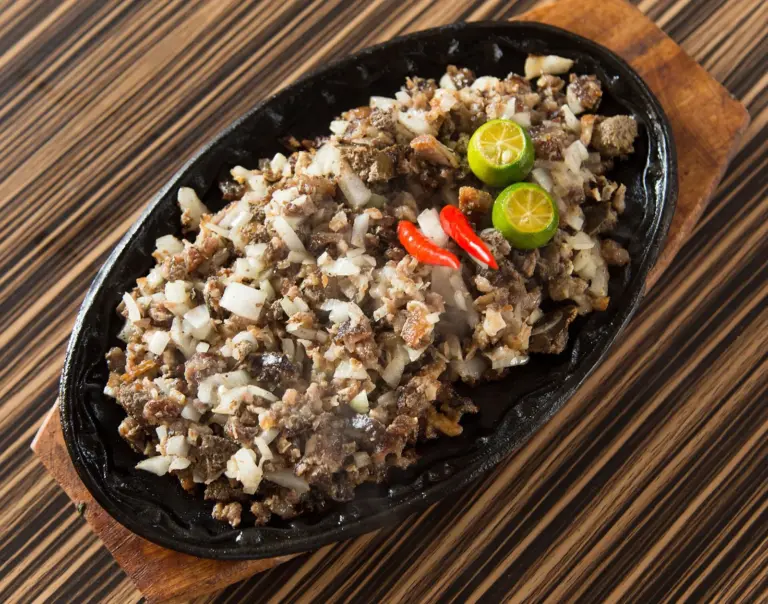
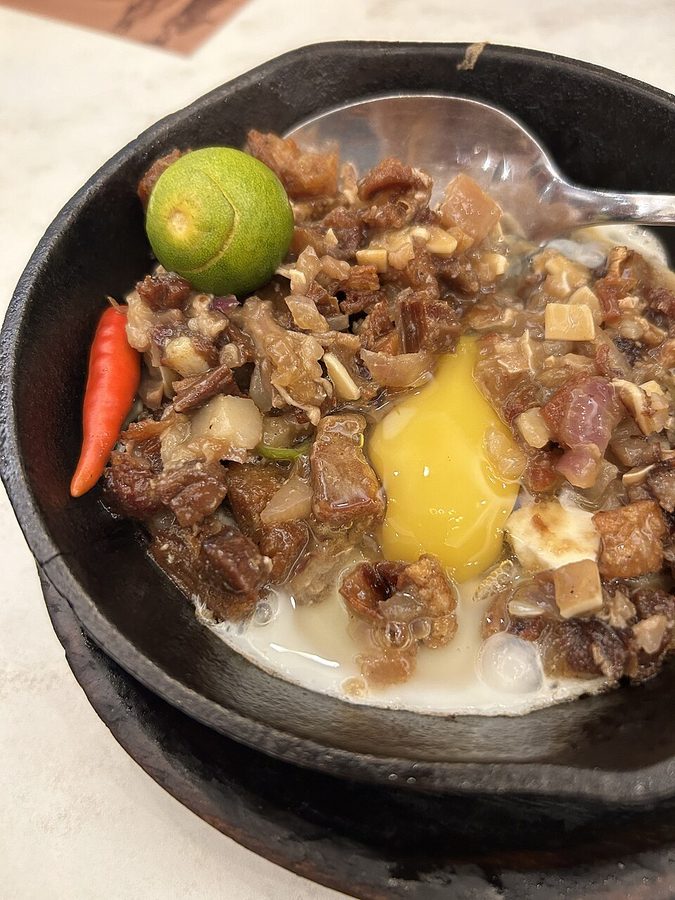
Sisig comes from Pampanga, an hour or two north, where it is chopped pig’s face and ears, grilled, seasoned with onion, chilli and calamansi, and served sizzling. Manila made it richer. Order it in the city and it often arrives with a raw egg cracked on top or a swirl of mayonnaise; stir the egg through while the plate is still spitting.
Pancit
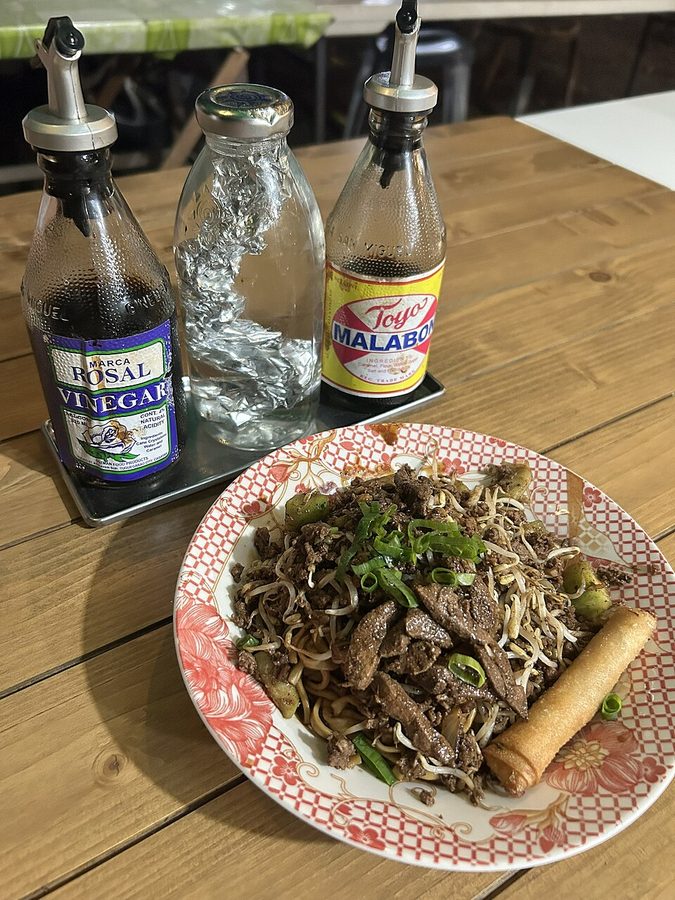
Pancit means noodles, and Manila has every regional version. Pancit canton is thick egg noodles stir-fried with vegetables and meat; palabok is rice noodles under an orange shrimp sauce, crushed pork crackling and egg; mami is noodle soup, a Binondo staple. Long noodles mean long life, so they turn up at every birthday.
The one to cross town for is pancit batil patung, the Tuguegarao dish of noodles topped with meat and a poached egg and served with a separate egg-drop soup. Chie Chie’s Pancit Batil Patung, a roadside stall at 1827 Dian Street in Makati, makes it to order in a small pot, and the Michelin inspectors singled out its lodi, where a soft-boiled egg yolk binds the miki noodles and crisp pork belly.
Isaw and the barbecue cart
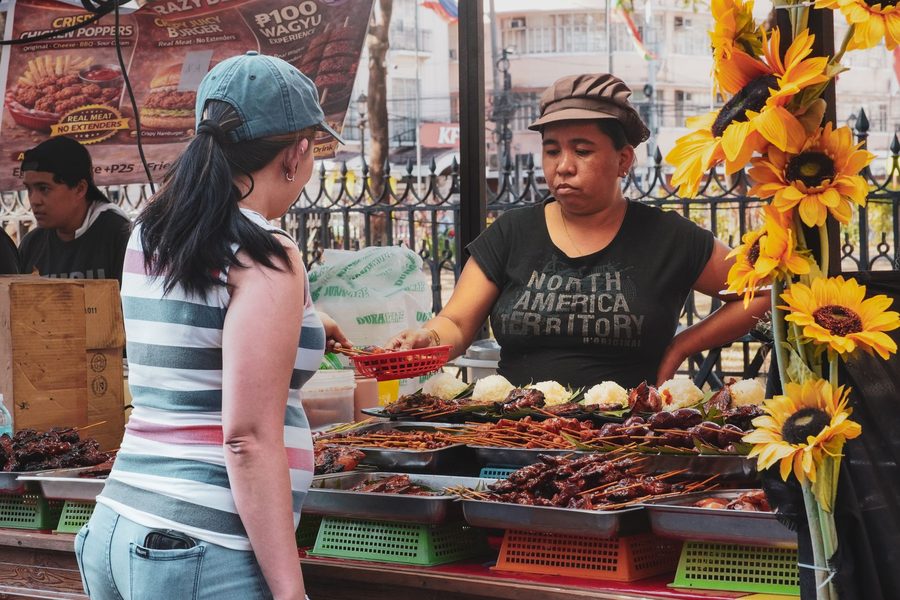
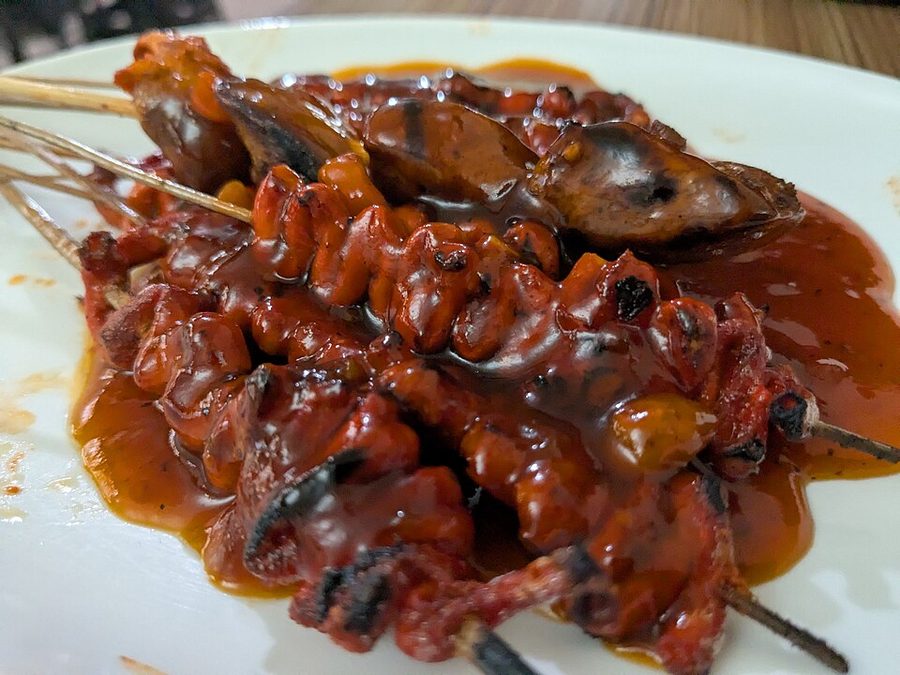
From late afternoon, grills appear on street corners: pork barbecue on bamboo sticks, glazed sweet; isaw, chicken or pork intestine threaded and grilled until crisp at the edges; and adidas, grilled chicken feet. You pick your sticks raw from the tray, the vendor grills them, and you dip them in spiced vinegar on the way to your mouth.
The most famous isaw grill in the city had a hard year. Mang Larry’s Isawan fed the University of the Philippines campus in Diliman for decades until a court order closed it in February 2026; in March it reopened at 28 Road 20 in Project 8, Quezon City, with the isaw, fish balls, kwek-kwek (battered quail eggs) and rice meals intact.
Balut
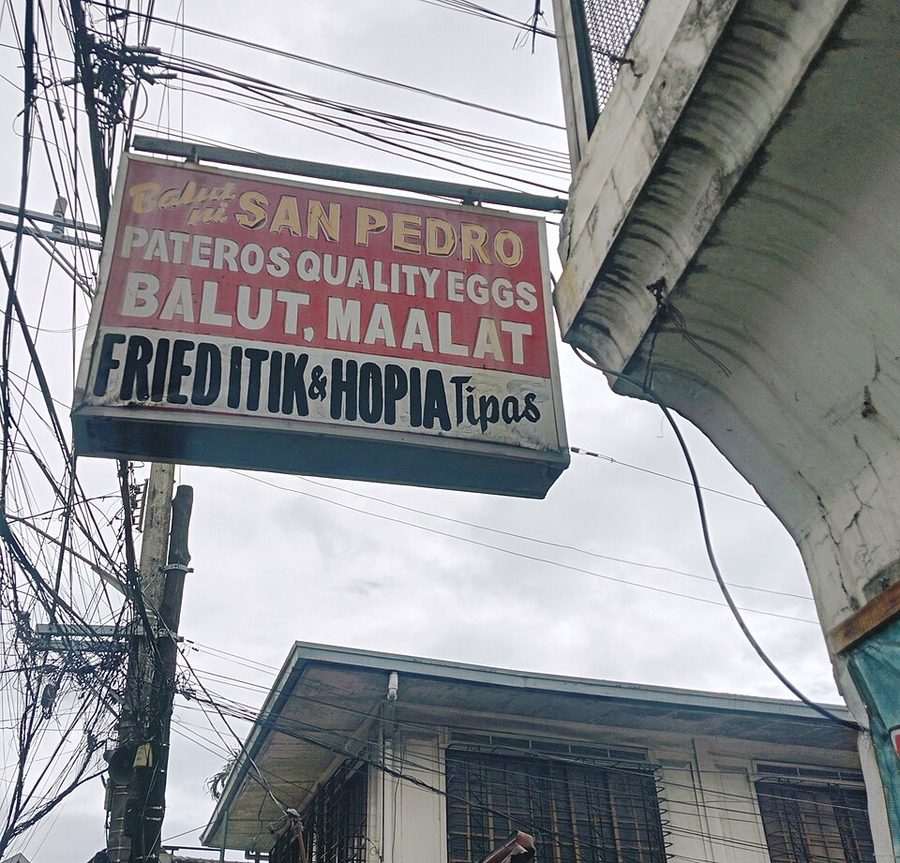
Balut, the fertilised duck egg boiled and eaten from the shell, is sold at night from vendors with a basket and a cloth. Metro Manila’s balut town is Pateros, beside Taguig, where duck farms have mostly given way to houses but the egg trade stayed. Writing in The Philippine Star in August 2026, Chit Juan described the Museo de Pateros and the stalls outside it selling balut, penoy (no embryo) and salted eggs, and advised asking a vendor the egg’s age: she likes hers at 16 days, and treats 18 as the limit.
Taho at dawn
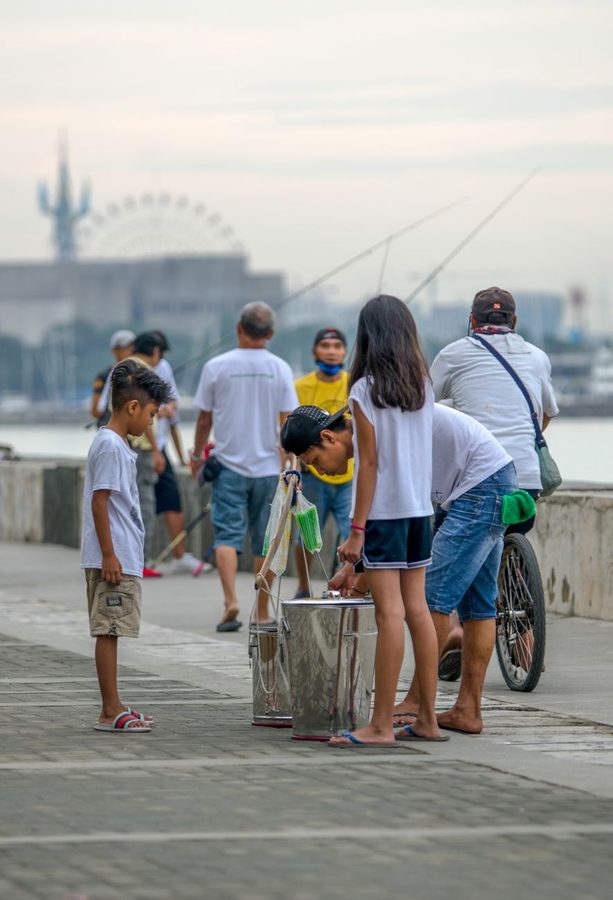
Taho is warm silken tofu with arnibal, a syrup of caramelised brown sugar, and sago pearls. The name comes from Hokkien tāu-hue, and Tagalog accounts of the trade note that most vendors prepare their buckets before sunrise. You hear the call, wave, and the vendor ladles it into a plastic cup.
Halo-halo
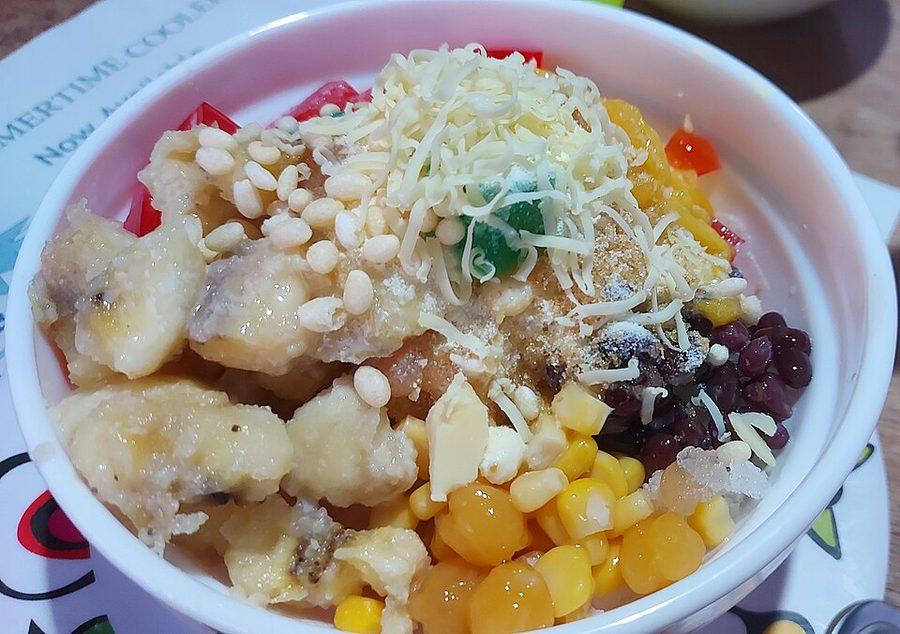
Halo-halo, “mix-mix”, is shaved ice over sweet beans, jellies, coconut, ube jam and leche flan, drowned in evaporated milk. Tagalog sources trace it to Japanese shopkeepers in pre-war Manila and their bean-and-ice desserts. The one Manila families drive across the city for is at Milky Way Cafe on Arnaiz Avenue in Makati, a family business that began in ice cream; in October 2026 a bowl cost ₱295 and two people can share it.
Binondo: the Chinatown crawl
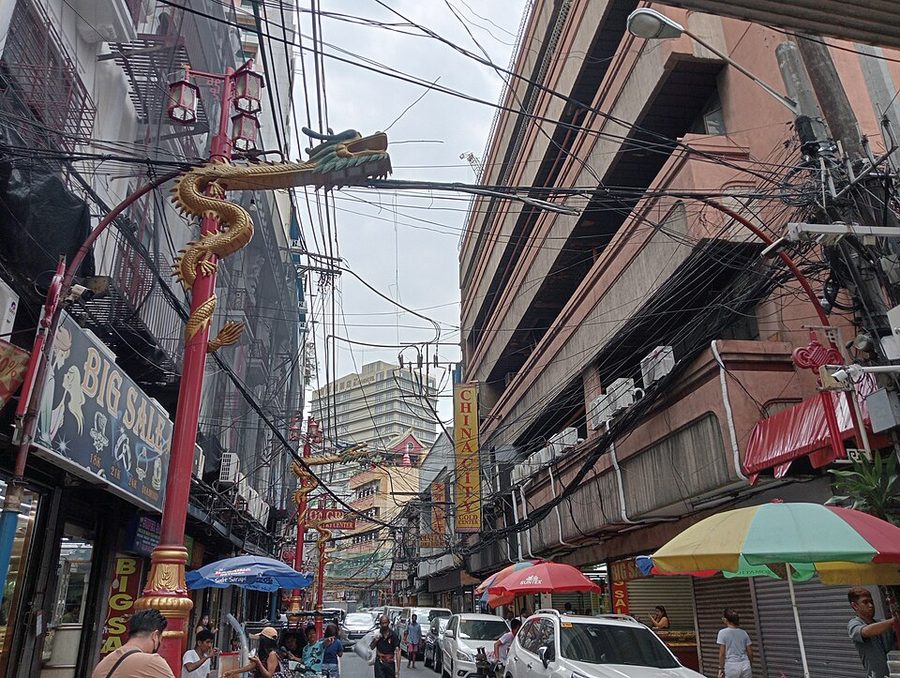
Binondo was set up by the Spanish in 1594 as a settlement for Catholic Chinese across the Pasig River from Intramuros, close enough to be watched. It is usually called the oldest Chinatown in the world, and it is still a working commercial district. Start at Binondo Church on Plaza San Lorenzo Ruiz; the best eating is within a 15-minute walk of its octagonal bell tower.
Ongpin Street is the spine. After the fried siopao, walk along to Eng Bee Tin for hopia, flaky pastries filled with mung bean or ube, and climb to Cafe Mezzanine above its big branch at 650 Ongpin for kiampong, savoury sticky rice. The cafe is known as the Fireman’s Coffee Shop and supports the district’s volunteer fire brigade, which is why firefighting memorabilia covers the walls.
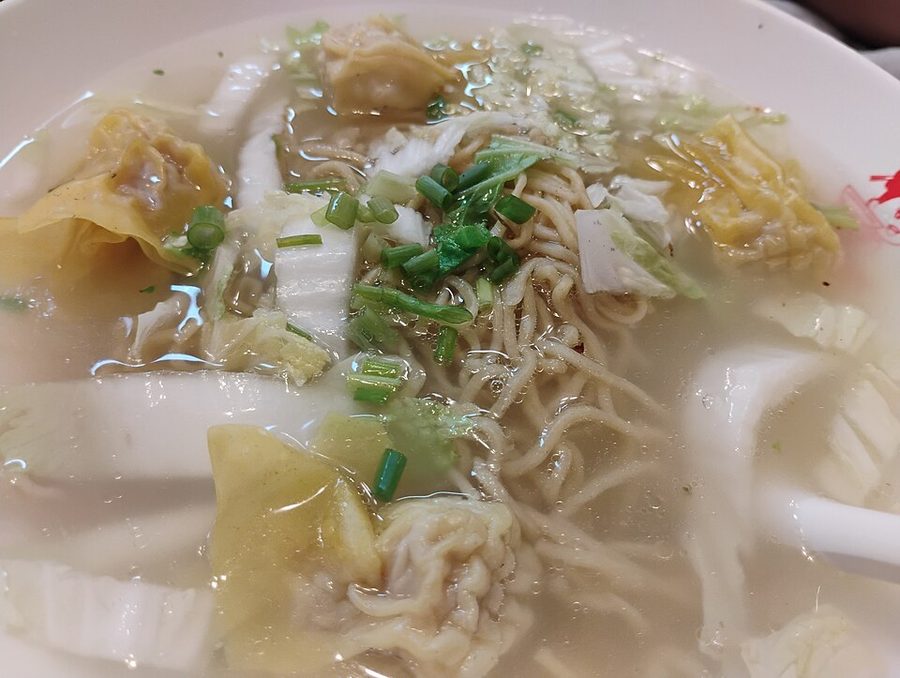
Benavidez Street is for sitting down. Wai Ying Fastfood at 810 Benavidez is the Hong Kong-style canteen most people name first for dim sum: hakaw, rice-noodle rolls, Peking duck rice, and a soy chicken rice it was selling for ₱380 in September 2026. A few doors along at 818, Lan Zhou La Mien has served hand-pulled noodles since 2006; get the beef noodle soup.
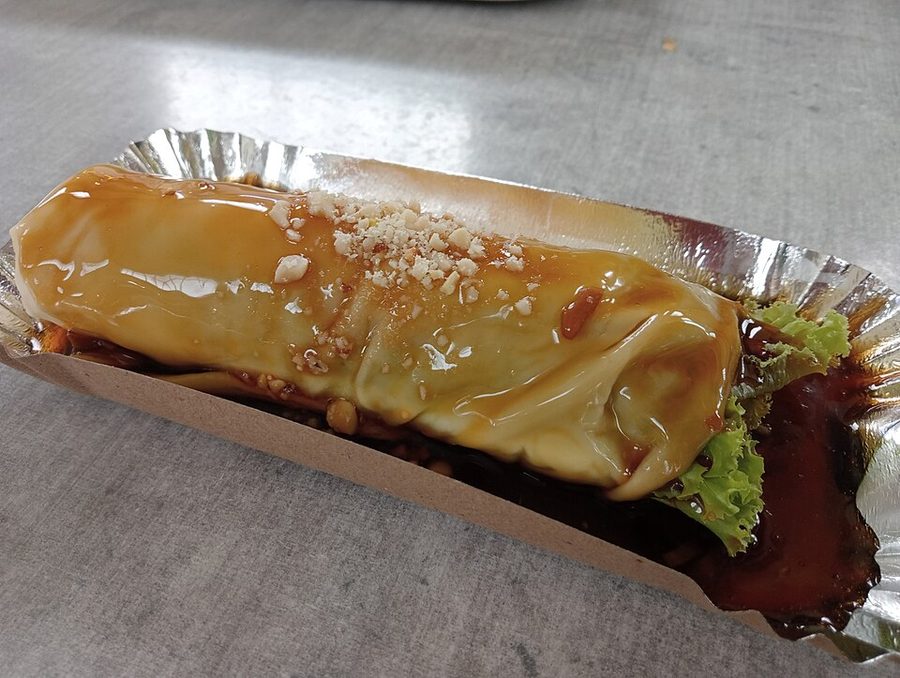
Then cut into Carvajal Street, a narrow covered market alley of fish, fruit and dried goods. New Po Heng Lumpia House at 621 Carvajal makes one thing worth the detour: lumpiang sariwa, the fresh, unfried lumpia, a soft wrapper around vegetables, crushed peanuts and seaweed with a sweet sauce. It closes for some holidays (it shut on All Saints’ Day in 2026), so check its page if your visit falls on one.
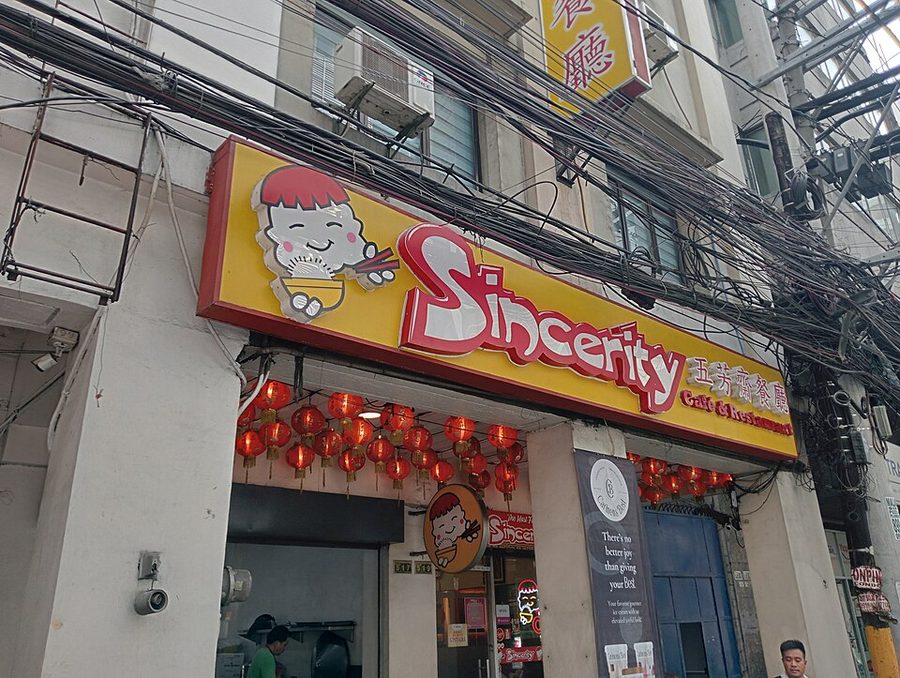
Two more stops finish a crawl. Dong Bei Dumpling, at 642 Yuchengco Street on the corner of V. Tytana, folds northeastern Chinese pork and kutchay (garlic chive) dumplings by hand; it now sells takeaway only, so buy a box for the hotel. Sincerity Cafe and Restaurant, open since 1956 and now at 519 Quintin Paredes Street, is the place for fried chicken and oyster cake if you want a table and air-conditioning.
Share everything and five or six stops cost a group of four about ₱500 to ₱600 each, by local food writers’ reckoning this year. Most places take cash only and half do not serve drinking water, so carry both. If you would rather someone else picks the stops, the Guided Food Tour of Binondo with Tastings walks from Binondo Church through five eateries and a bakery in three hours, from US$50 a person in November 2026; it does not suit vegetarians.
Quiapo and the Quinta Market
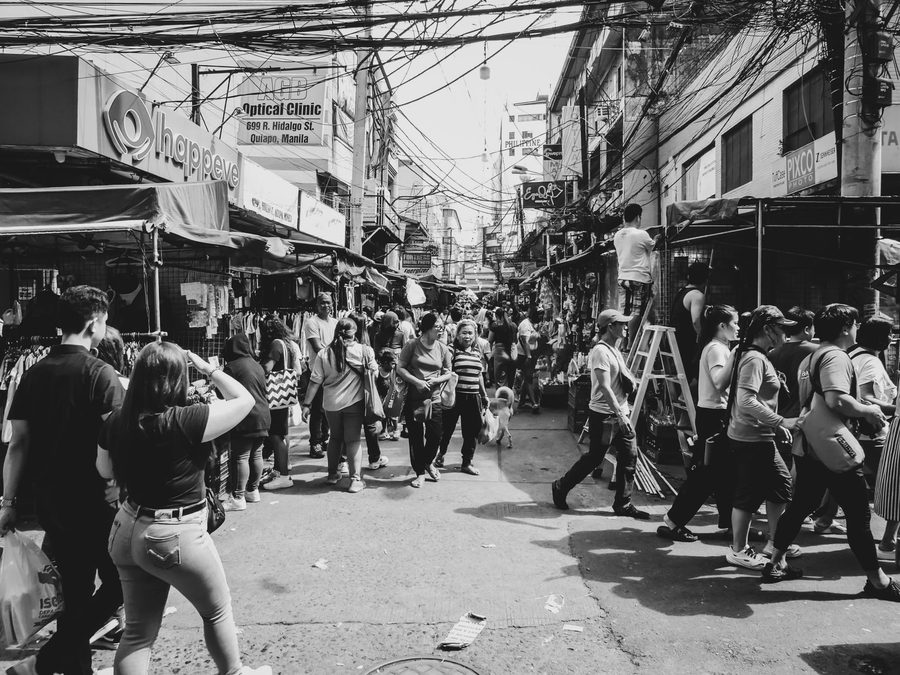
Quiapo, a short walk east of Binondo, is Manila’s great market district, crowded around Quiapo Church and the Black Nazarene. The food is less polished and more varied: palabok stalls, a Chinese ham shop and the halal canteens of the Muslim quarter, all within a few blocks of Plaza Miranda.
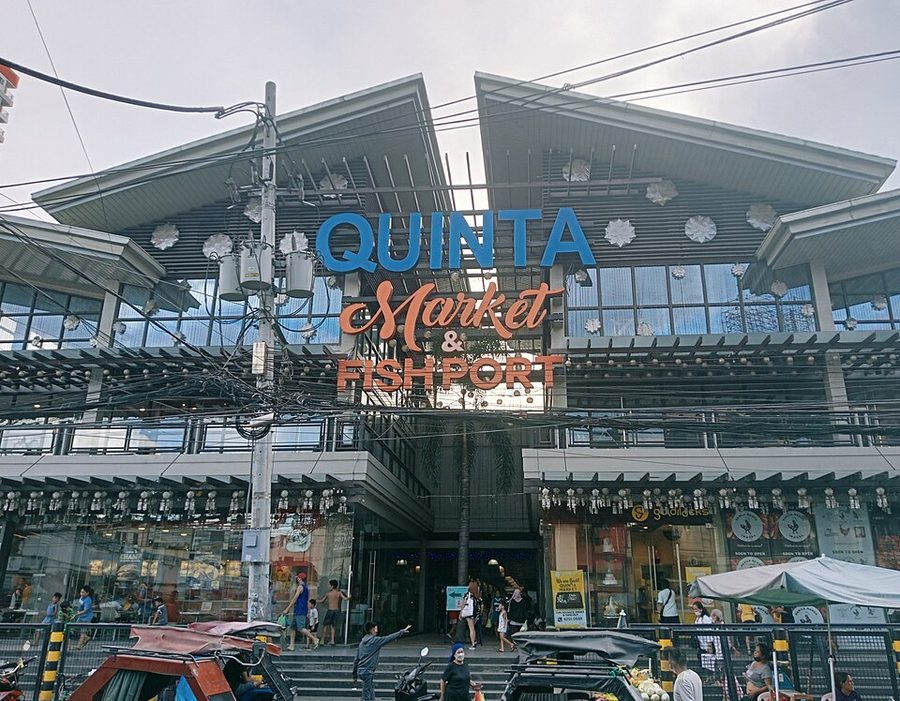
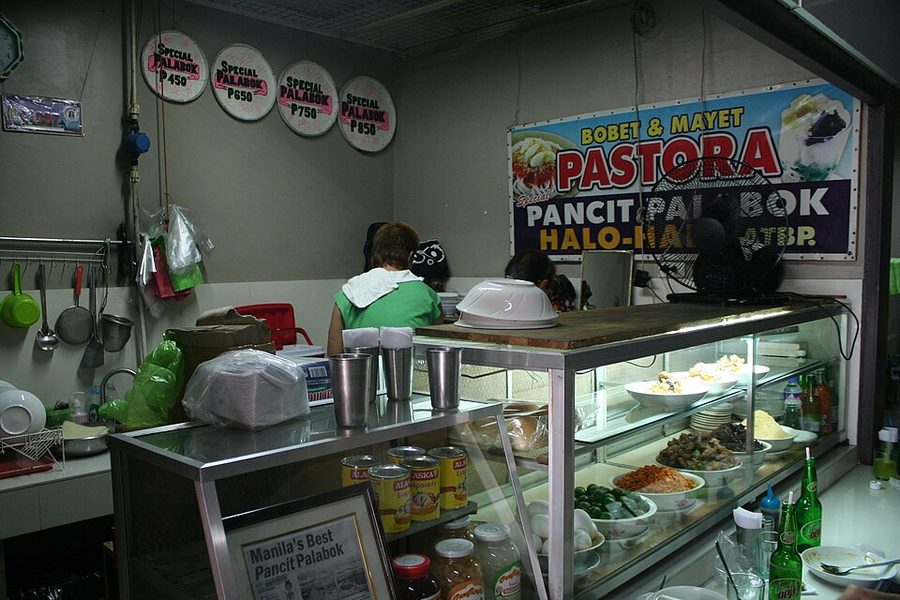
The anchor is the Quinta Market and Fishport on Carlos Palanca Street, a public market on the river that dates from the Spanish period and was rebuilt as a modern market hall. Inside are fish, meat and produce; around the edges are eateries selling pancit palabok with a heavy topping of crushed chicharon. The Pasig River Ferry has a stop beside it.
Across Carlos Palanca, Excelente Chinese Cooked Ham at 155-157 has sold its smoky, sweet-glazed ham since 1972; you can buy a few slices by weight to eat as you walk, or a whole leg for the plane, in which case read up on bringing food home first, because many countries restrict meat in passenger bags. December is ham season in the Philippines, and the shop is at its busiest then.
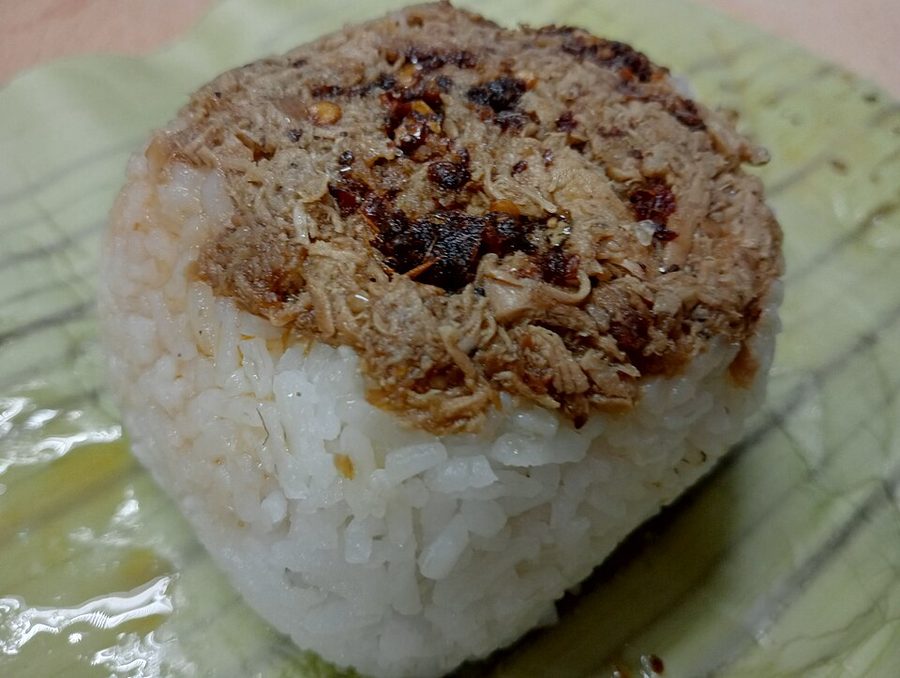
Beyond the arch marked “Ahlan wa Sahlan” is the Muslim quarter around the Golden Mosque on Globo de Oro Street, where the canteens cook Maranao and Maguindanao food. Order pastil, rice packed in a banana leaf under shredded chicken or beef, with a spoonful of palapa, the Maranao relish of scallion, ginger, chilli and toasted coconut. Chicken piaparan, cooked in coconut milk and turmeric, is the dish for a sit-down lunch.
Quiapo rewards a guide more than Binondo does, because the streets are confusing. The Manila Sightseeing and Food Walking Tour with Tastings meets at the Quinta Market, eats its way from Quiapo into Binondo, then puts you on a bamboo bicycle in Intramuros; it runs most of a day and cost from US$64 a person in November 2026.
Intramuros, Ermita and Malate
The walled city is for history rather than eating, but two restaurants make a good lunch. Barbara’s Heritage Restaurant, in the Plaza San Luis complex on General Luna Street opposite San Agustin Church, serves Filipino and Spanish dishes in a reconstructed colonial house. Ilustrado, at 744 Cabildo Street on the corner of Recoletos, opened in October 1989 as the first fine-dining room inside the walls and still trades on its Spanish-Filipino menu.
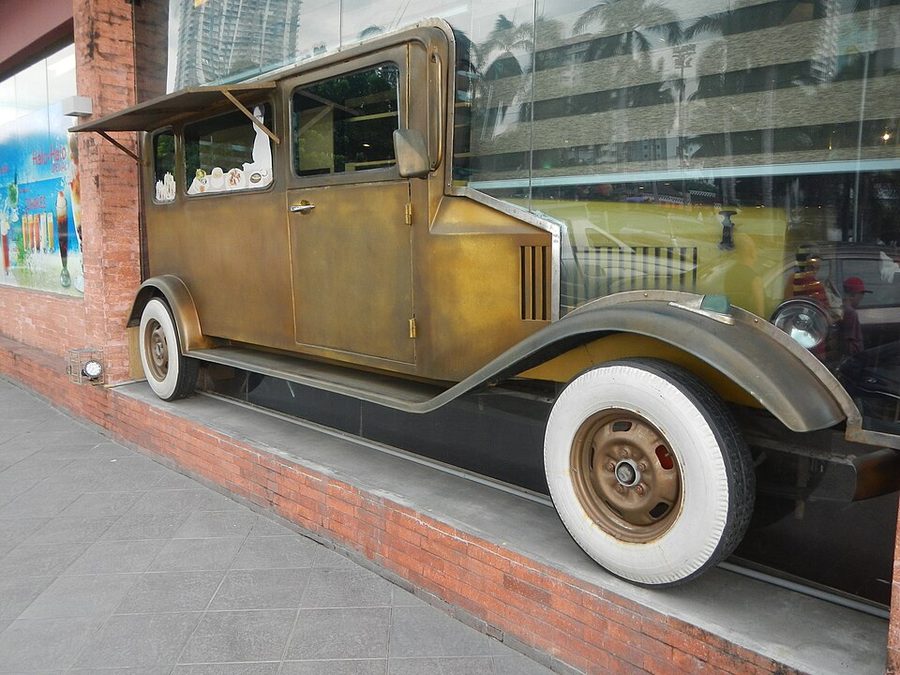
South along the bay in Malate, The Aristocrat at 432 San Andres Street, on the corner of Roxas Boulevard, is one of the oldest restaurants in Manila. It began in 1936 as a rolling store run by Engracia Cruz-Reyes out of a van and opened on what was then Dewey Boulevard within two years. Order the chicken barbecue with java rice and java sauce, the dish most tables have.
In Ermita, Azela, on the ground floor of Robinsons Place Manila at Adriatico corner Pedro Gil, joined the Michelin Bib Gourmand list for 2027 for home-style Filipino cooking. The inspectors pointed to the kansi, the Ilonggo beef shank soup soured with batwan fruit, and to the house-made sorbetes, Filipino ice cream.
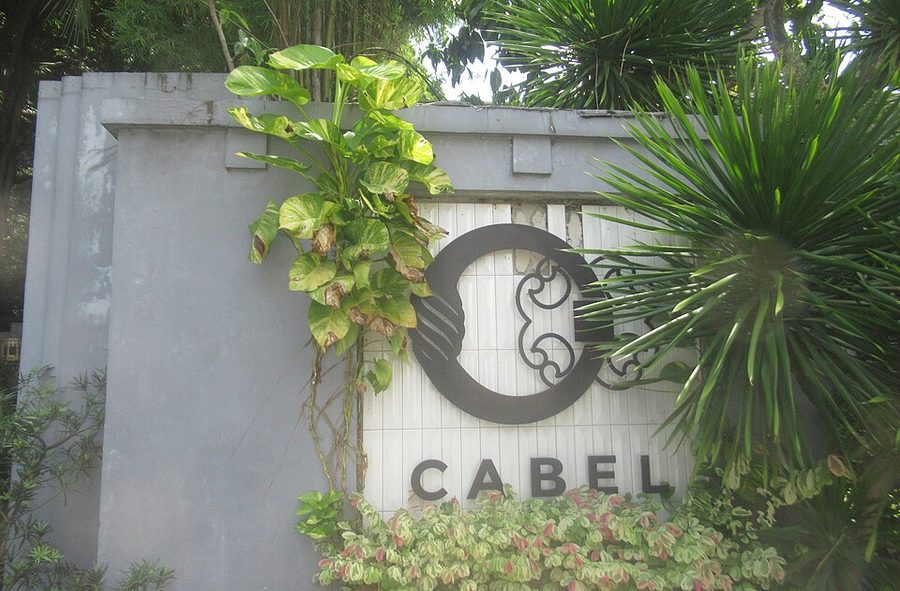
A short ride north-east, near Malacañang Palace, Cabel occupies a listed 1930s building at 1153 JP Laurel Street on the corner of Aguado. It holds a Bib Gourmand for a menu that leans south to Mindanao: crisp ukoy shrimp fritters and piyanggang manok, chicken in a sauce blackened with burnt coconut.
Makati: markets at the weekend, stars at night
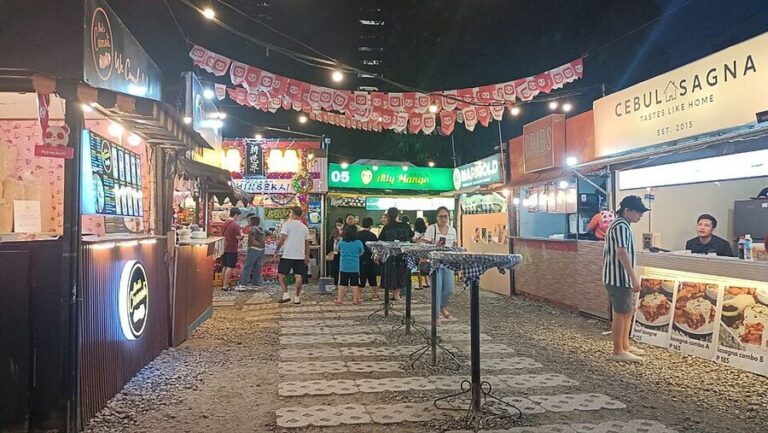
Makati’s food week turns on two mornings. Salcedo Market sets up every Saturday from 7am to 2pm under the trees of Jaime C. Velasquez Park in Salcedo Village; it moved for a car-free street day in late August 2026 and was back in the park from 5 September. Expect produce, seafood and regional Filipino cooking alongside stalls cooking a dozen other cuisines, and arrive before 9am for shade and the full choice.
On Sunday the crowd crosses Ayala Avenue to the Legazpi Sunday Market, in the Corinthian car park beside Corinthian Plaza in Legazpi Village, from about 7am to 2pm. It leans international, with cooked food from many countries next to the produce, grilled seafood and regional snacks. Bring small notes (₱20, ₱50 and ₱100), a tote and a container for what you take home.
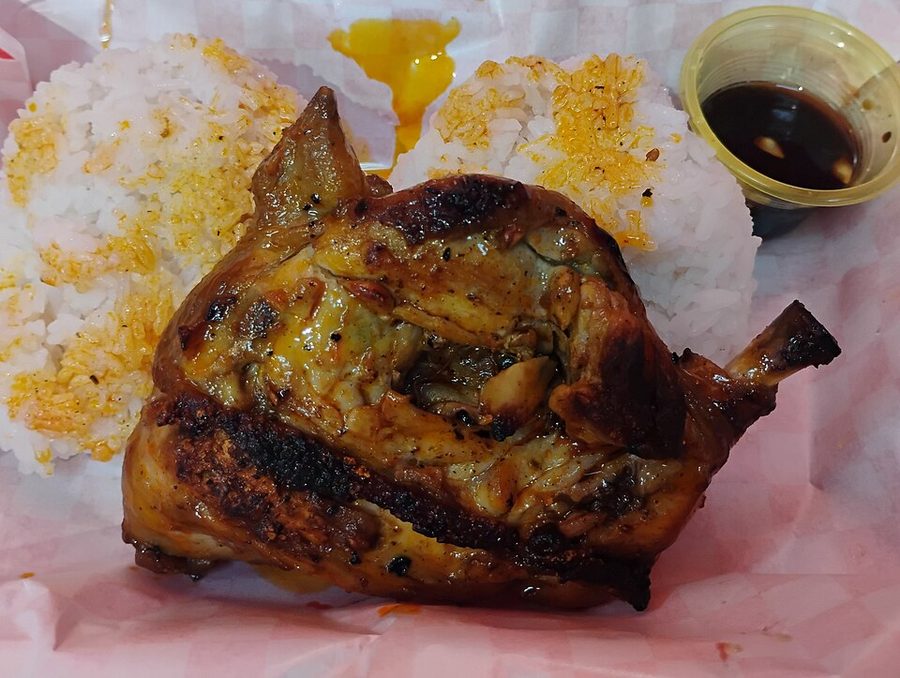
For lunch, go down to the basement. Aida’s Chicken, on the lower ground floor of Makati Cinema Square at 2130 Chino Roces Avenue, grills Bacolod-style chicken inasal to order over charcoal; Michelin lists it and calls it worth the wait, and it is. Milky Way Cafe, upstairs at 900 Arnaiz Avenue near Greenbelt, is where to eat kare-kare, paksiw na lechon and that halo-halo in one sitting.
At night, Poblacion is Makati’s eating and drinking quarter, small bars and kitchens packed into the old town around the city hall. Lampara, upstairs at 5883 Enriquez Street, is a Bib Gourmand bistro that cooks Filipino ingredients with French technique, open from 5pm. And Makati is where most of the stars are: Helm, Josh Boutwood’s counter at the Ayala Triangle Gardens, is the country’s only two-star restaurant, and Hapag, Toyo Eatery, Celera, Inatô, Kasa Palma and FLOW all hold one.
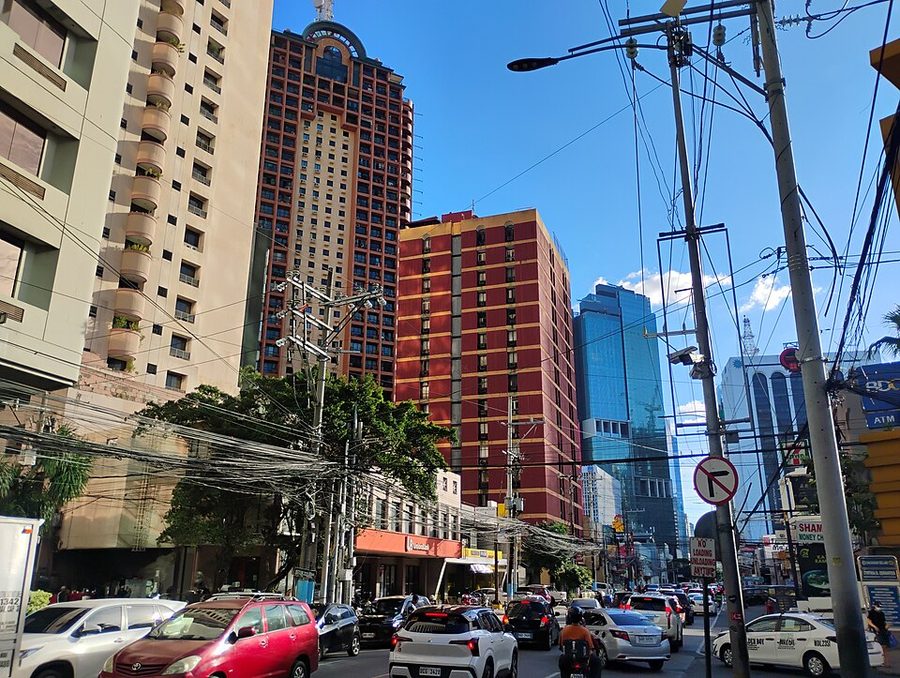
Quezon City: Maginhawa, La Loma and the Farmers Market
Quezon City is the largest city in the metro, and its best eating is spread wide. Maginhawa Street runs through UP Village and Teachers Village beside the University of the Philippines, and it grew up feeding students: Rodic’s for tapsilog, Pino for kare-kareng bagnet (kare-kare made with crisp Ilocos pork belly), Papa Diddi’s for carabao’s milk ice cream.
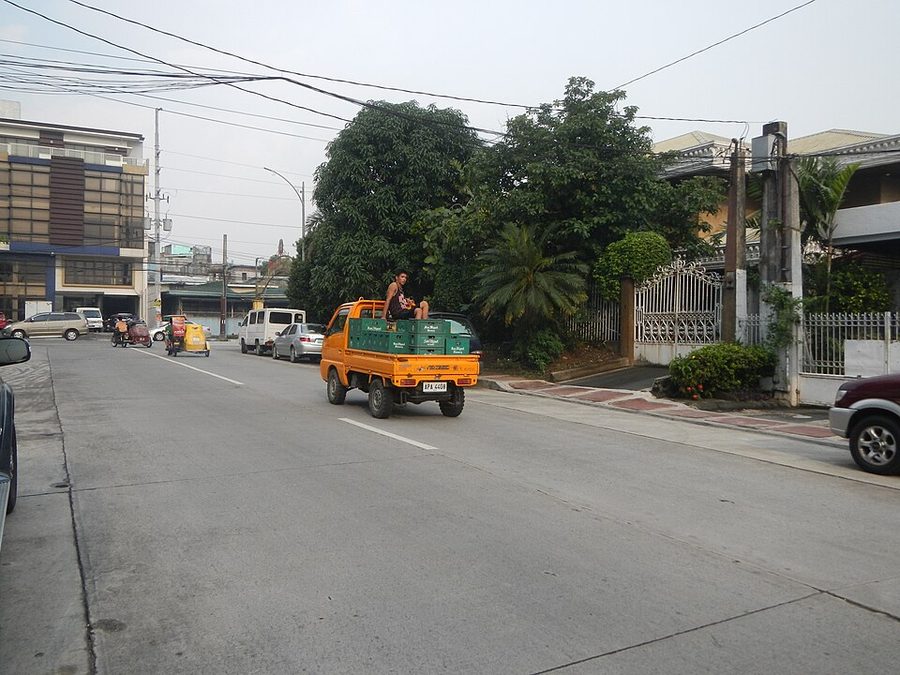
The city holds the Maginhawa Arts and Food Festival on the first Saturday of December, 5 December in 2026, and ran a warm-up food crawl through ten of the street’s restaurants on 19 November.
Two of Quezon City’s Bib Gourmands are worth a dedicated trip. Morning Sun Eatery, a roadside turo-turo at 120 J.P. Rizal Street in Project 4, cooks Ilocano food: pinakbet vegetables with bagoong, sweet pork skewers, kilawin and laing, taro leaves in coconut milk; it posts its daily specials on social media. Palm Grill at 179 Tomas Morato Avenue cooks the food of southern Mindanao and the Sulu islands: order the tiyula itum, beef in a black broth of burnt coconut, or the dulang platter of seven dishes.
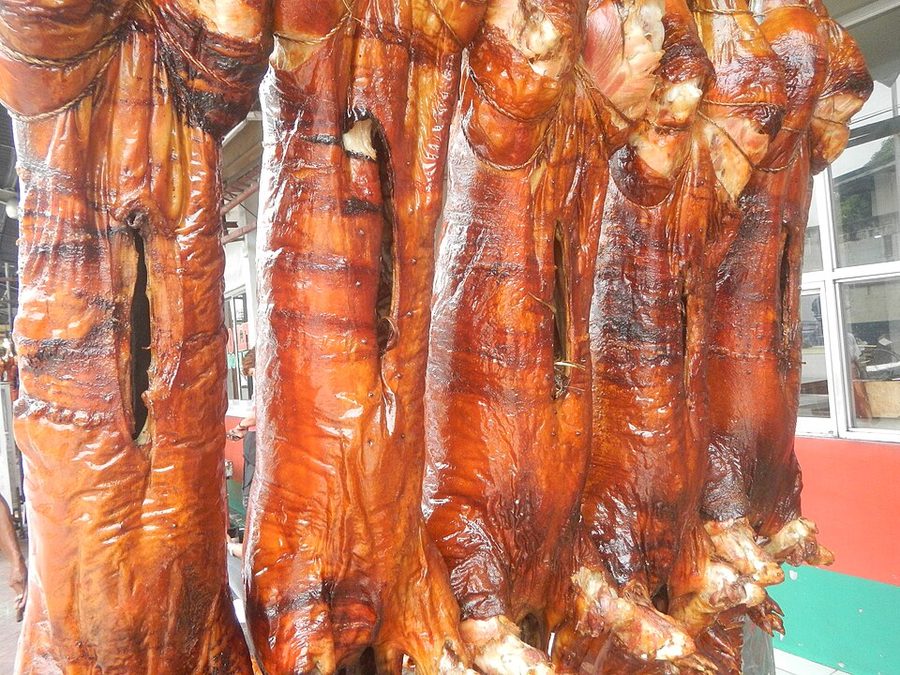
La Loma itself is a cluster of lechon shops near the old La Loma cockpit. The city brought back the La Loma Lechon Festival on 17 May 2026, alongside the feast of Nuestra Señora de Salvacion de La Loma, with a lechon parade, a cook-off among the district’s lechoneros and a communal boodle fight, a meal laid out on banana leaves and eaten by hand.
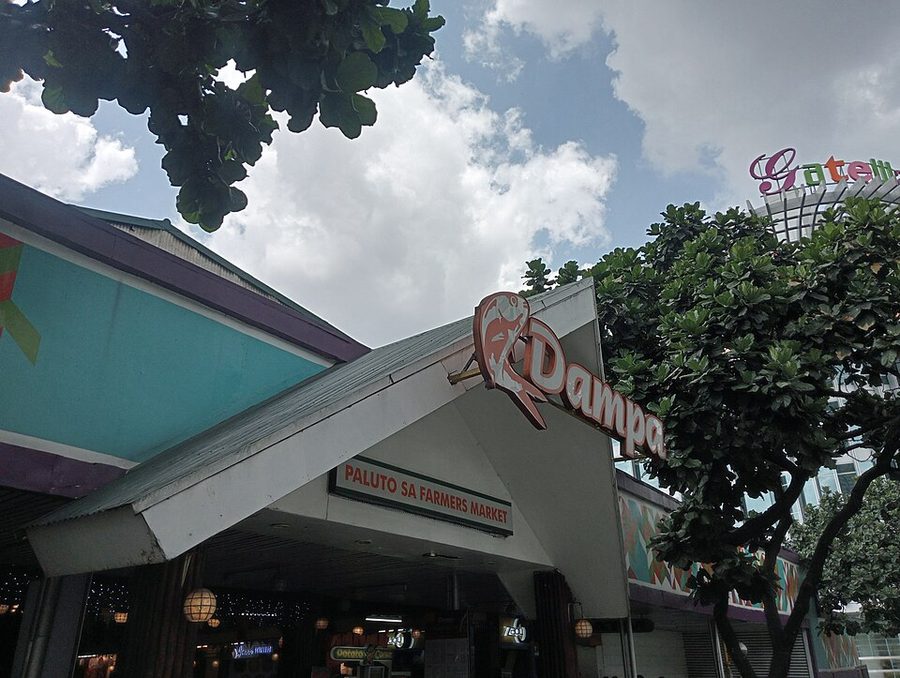
Farmers Market in Araneta City, Cubao, opened in 1975 and is still one of the city’s big wet markets, with a seafood hall and a dampa section where small restaurants cook what you buy. The MRT-3 and LRT-2 both stop at Araneta Center-Cubao.
Pasay’s dampa: buy the fish, pay for the cooking
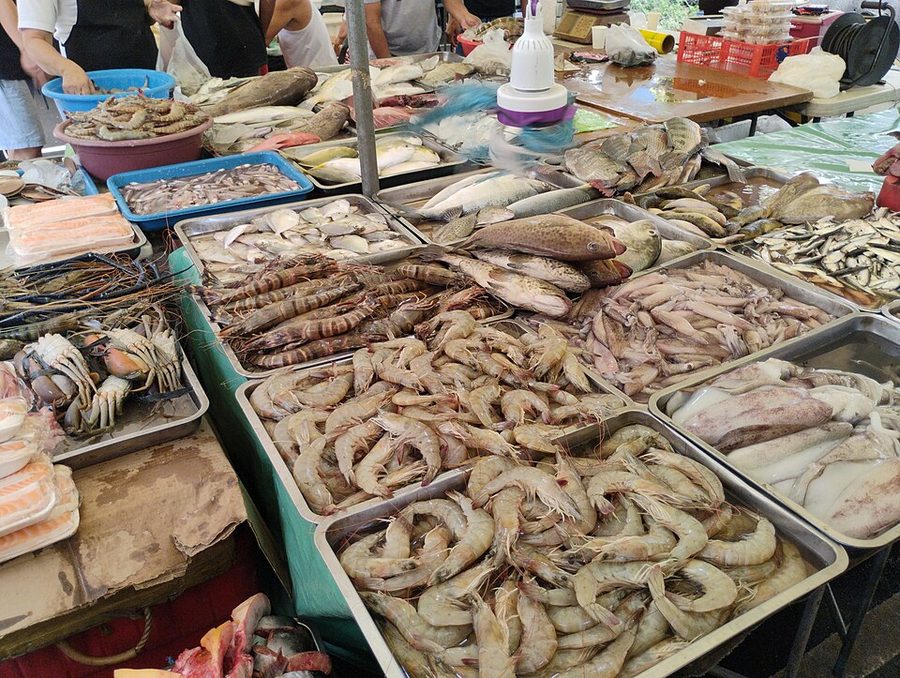
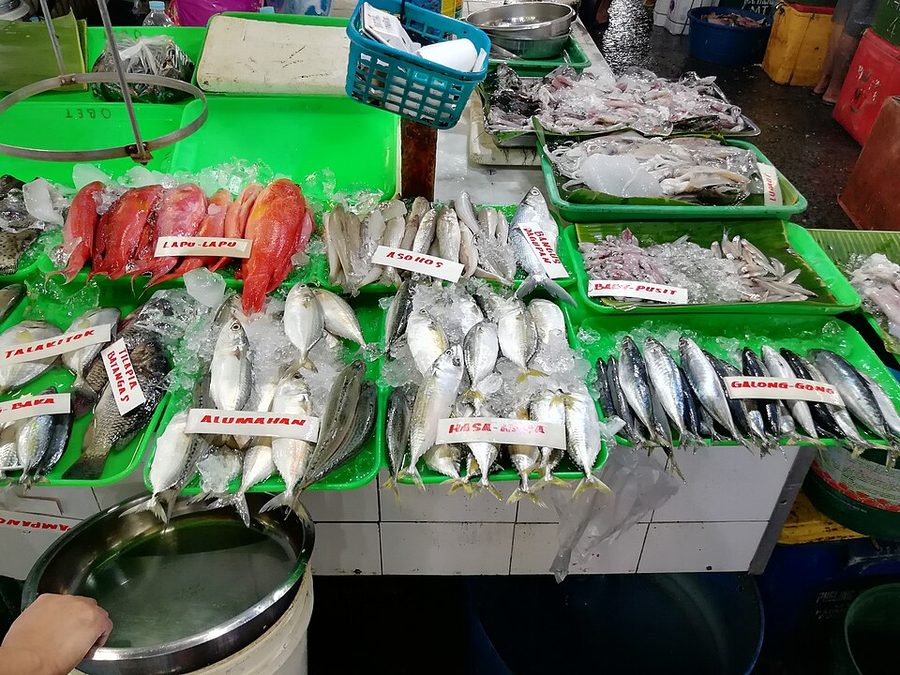
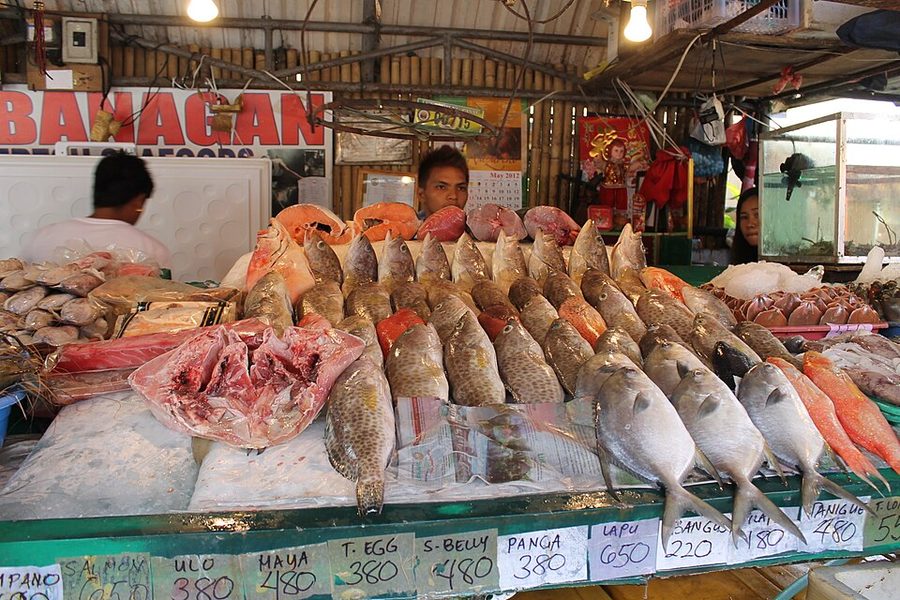
The Seaside Dampa on Diosdado Macapagal Boulevard, a short ride from the SM Mall of Asia, is the best-known version of the dampa: a wet market of clams, oysters, prawns, crabs, squid and fish surrounded by paluto restaurants, “cook-for-me” kitchens. You buy your seafood by weight at a stall, carry it to a restaurant, and tell them how to cook it: grilled, fried, steamed, in sinigang, in garlic butter or chilli.
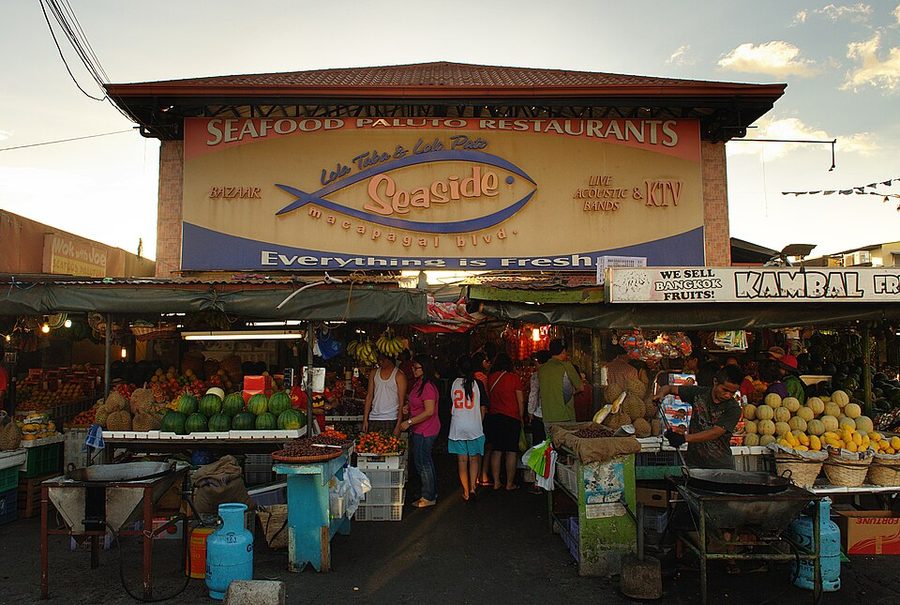
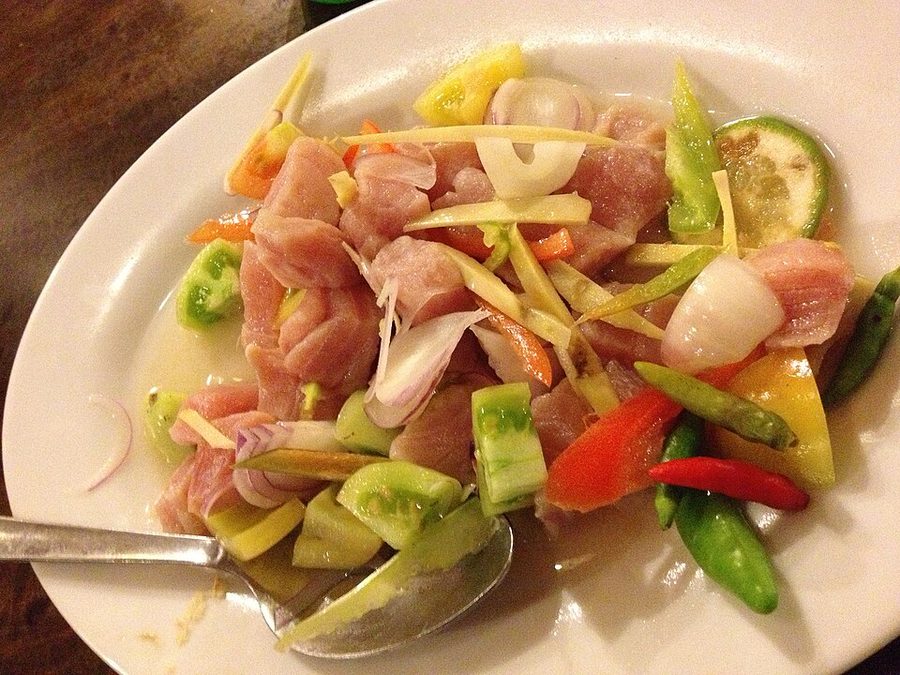
Agree two prices before anything goes on the fire: the price per kilo at the stall, and the restaurant’s cooking charge per kilo or per dish. Watch your seafood weighed, and buy less than you think, because the paluto kitchens add rice, soup and drinks. Order one dish raw: kinilaw, fish cured in vinegar with ginger, onion and chilli, is the clearest test of how fresh the catch is.
The Michelin Guide, used as a map
The second Michelin Guide to Manila and its surroundings, with Cebu, was announced on 29 October 2026: 127 restaurants, ten of them starred, 31 with a Bib Gourmand and 86 listed. FLOW in Makati gained a star, and the stars sit mostly in Makati and Taguig.
Read the list for what it leaves out. There is no Binondo entry at all, and only three restaurants inside the City of Manila. The Bib Gourmands are the useful part: regional Filipino cooking at fair prices, from Morning Sun’s Ilocano turo-turo to Palm Grill’s Tausug dishes.
When to go
The dry season, roughly December to May, is the easiest time to walk between meals; December to February is the coolest stretch, and April and May the hottest. The 2026 rainy season began on 4 June, when the weather bureau PAGASA declared it, and from then until about October afternoon downpours flood the low streets of Binondo and Quiapo. Plan indoor stops for rainy afternoons.
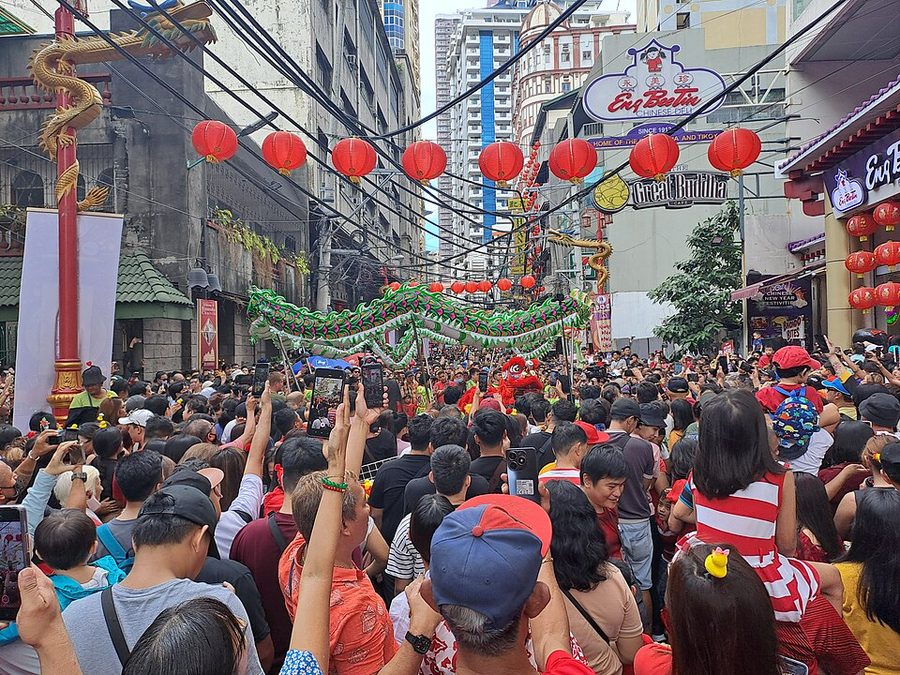
The food calendar has fixed points. Christmas is the long season, with dawn masses from 16 to 24 December and bibingka and puto bumbong, coconut rice cakes and purple steamed rice, sold outside the churches afterwards. Chinese New Year falls on Saturday 6 February 2027, a special non-working day, and Binondo is packed. The La Loma Lechon Festival comes in May, and the Maginhawa festival on the first Saturday of December.
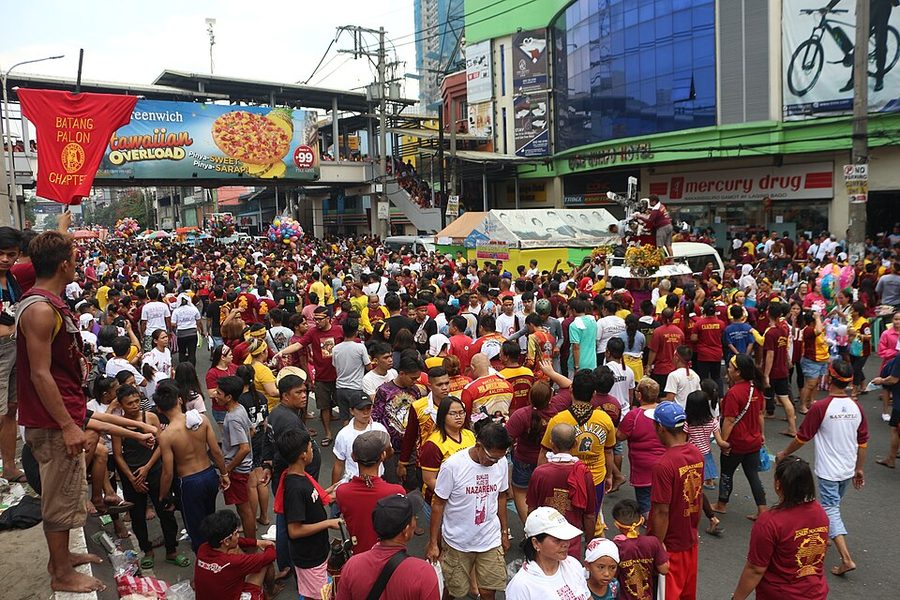
Avoid Quiapo on 9 January. The Traslacion, the procession of the Black Nazarene, fills the district for most of a day and night, and the 2027 feast falls on a Saturday. Holy Week, in March or April, closes many family restaurants for the Thursday and Friday.
Getting around between meals
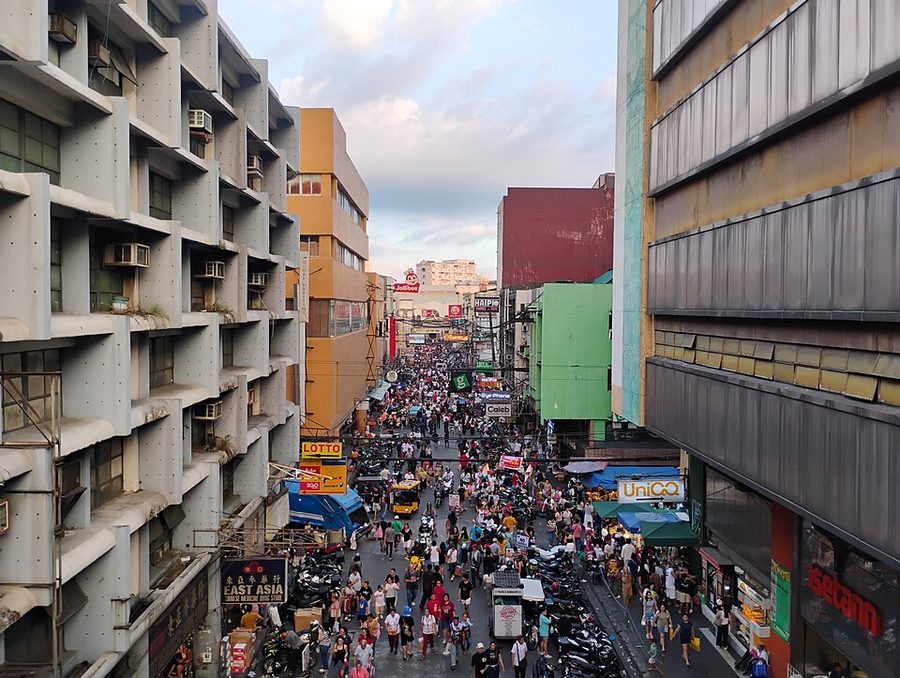
Traffic sets the pace, so group your eating by district and cross the city outside rush hours, roughly 7am to 10am and 5pm to 8pm. Grab is the easiest way between districts: under the fare order in force since 28 September 2026, a sedan starts at ₱65 plus ₱15 a kilometre and ₱2 a minute, and the app shows the price before you book. When the car fare surges, check the taxi option in the same app.
For the old city the train is faster. LRT-1 runs along Taft Avenue and Rizal Avenue: get off at Carriedo for Binondo and Quiapo, Central Terminal for Intramuros, and Pedro Gil or Quirino for Ermita and Malate; fares on a beep card run ₱17 to ₱52. Since 23 March 2026 the LRT-2 and MRT-3 have charged half fare as a relief measure, which makes the trip out to Cubao for the Farmers Market very cheap while it lasts.
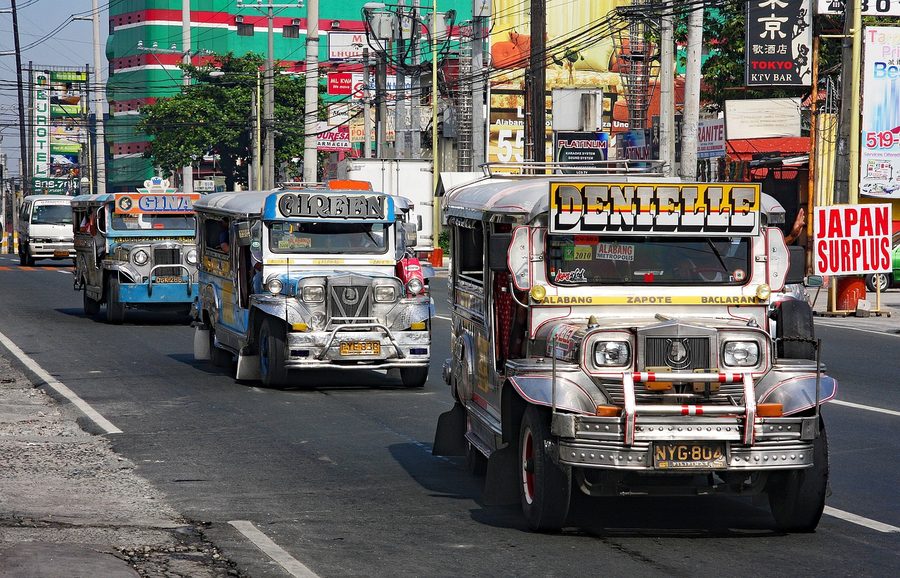
Jeepneys are cheap for short hops if you know the route; tricycles and pedicabs fill the gaps in Binondo’s side streets. The Pasig River Ferry links Escolta, Quinta Market and points upriver, a slow but traffic-free ride when it is running.
Two food days in Manila
Saturday. Taho from a street vendor, then Salcedo Market for breakfast by 8am. Take a Grab or the LRT-1 to Carriedo and do Binondo from late morning: fried siopao first, then Wai Ying or Lan Zhou La Mien, a fresh lumpia on Carvajal and a box of dumplings to carry. Walk east to Quiapo for ham and pastil in the afternoon, then end with chicken barbecue at the Aristocrat or seafood at the Pasay dampa at sunset.
Sunday. Legazpi Sunday Market for grilled seafood and empanada, lunch on batil patung or Bacolod chicken, then Quezon City: isaw at Mang Larry’s, ice cream on Maginhawa, dinner at Palm Grill.
By the second evening the queue at Shanghai Fried Siopao will look short. Go back for one more bun on the way to the airport, and eat it on Ongpin while it is still too hot to hold.